Etched in Time
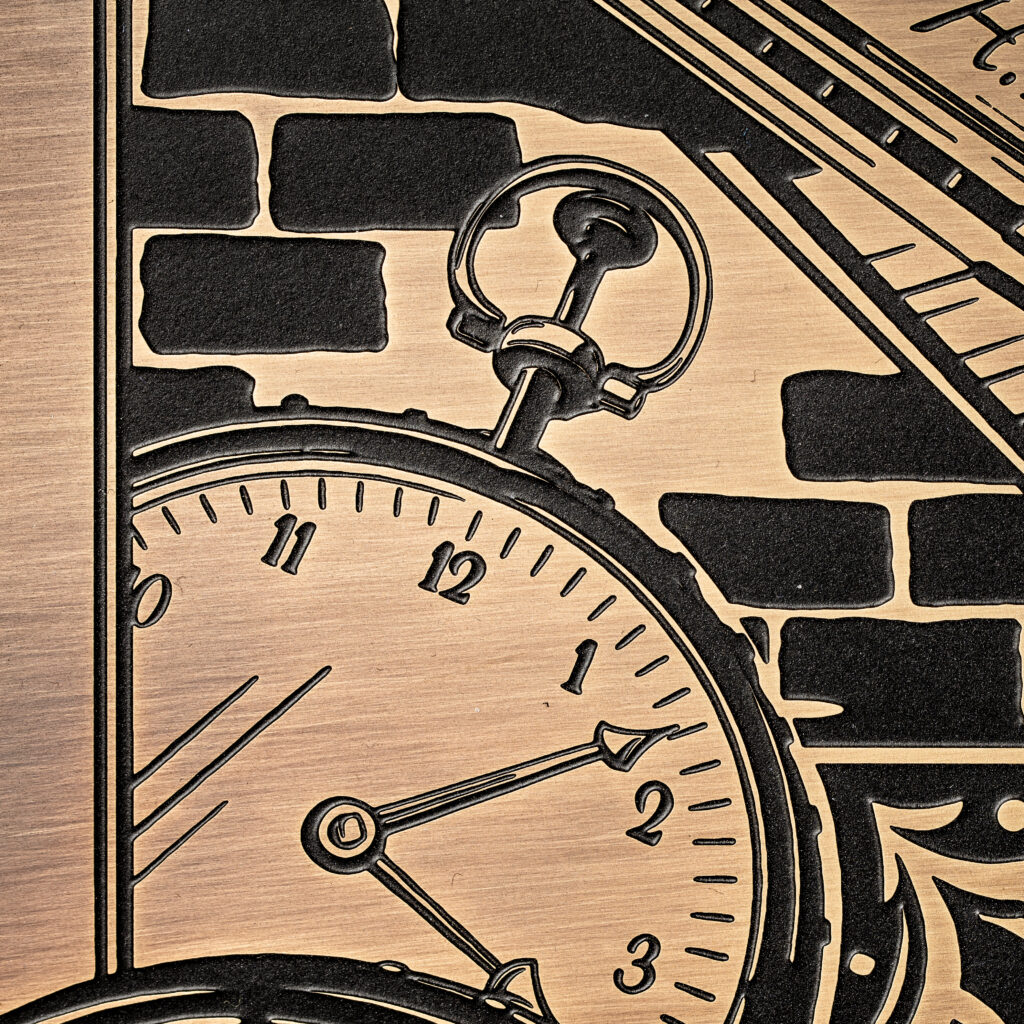
The Etched in Time arts trail was developed as part of the Experience Boston project.
Working with Creative People and Places project Transported and Boston Borough Council, artists Neil Baker and Steven Hatton of Electric Egg have created eight permanent artworks which celebrate Boston’s heritage.
The artworks respond to the themes of Travel, Trade and Influence.

Artist
Electric Egg is a film, animation and photography production company founded in 2005 by Neil Baker and Steven Hatton. They undertake commercial work alongside their own creative practice. Be it creating thoughtful documentaries for broadcast, promotional films, documenting events or creating stunning cover shots for a magazine, they apply the same passion and fundamental storytelling techniques across all their work, commercial or personal.


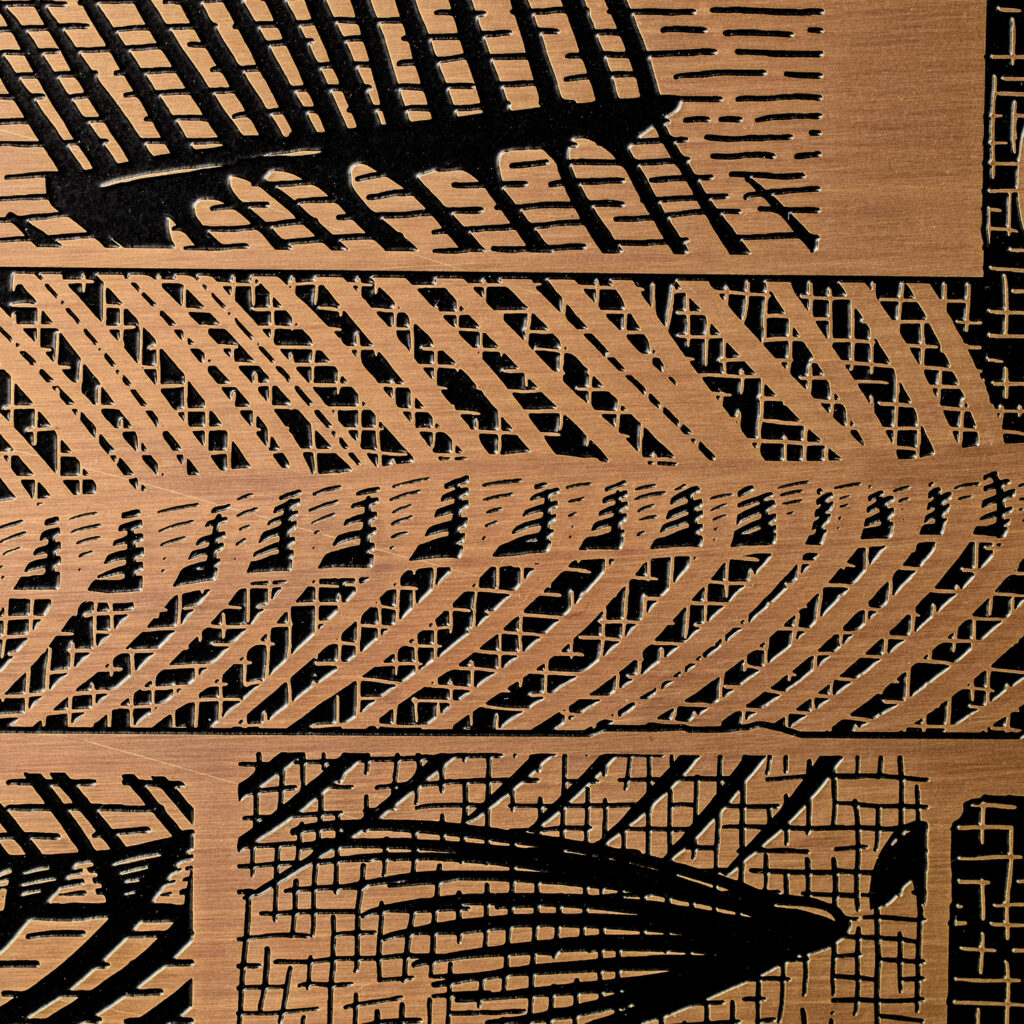
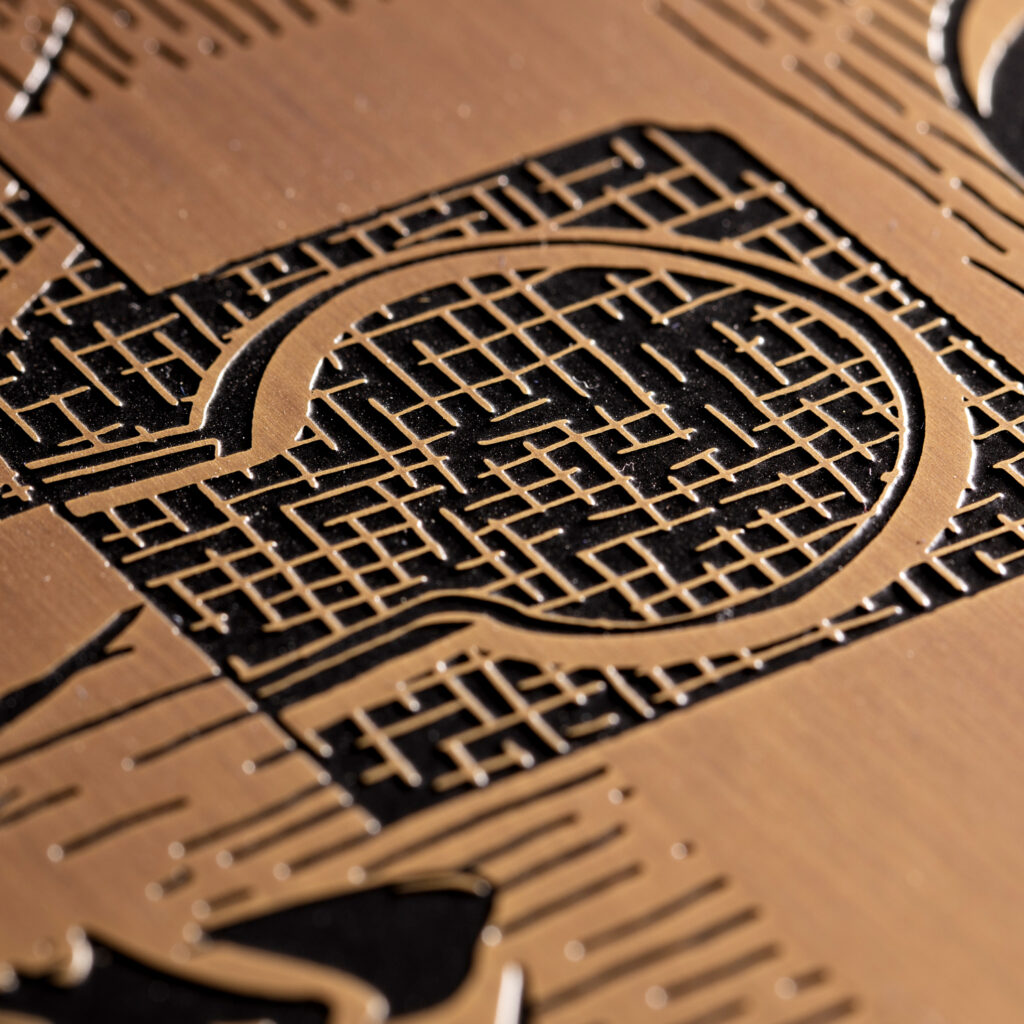
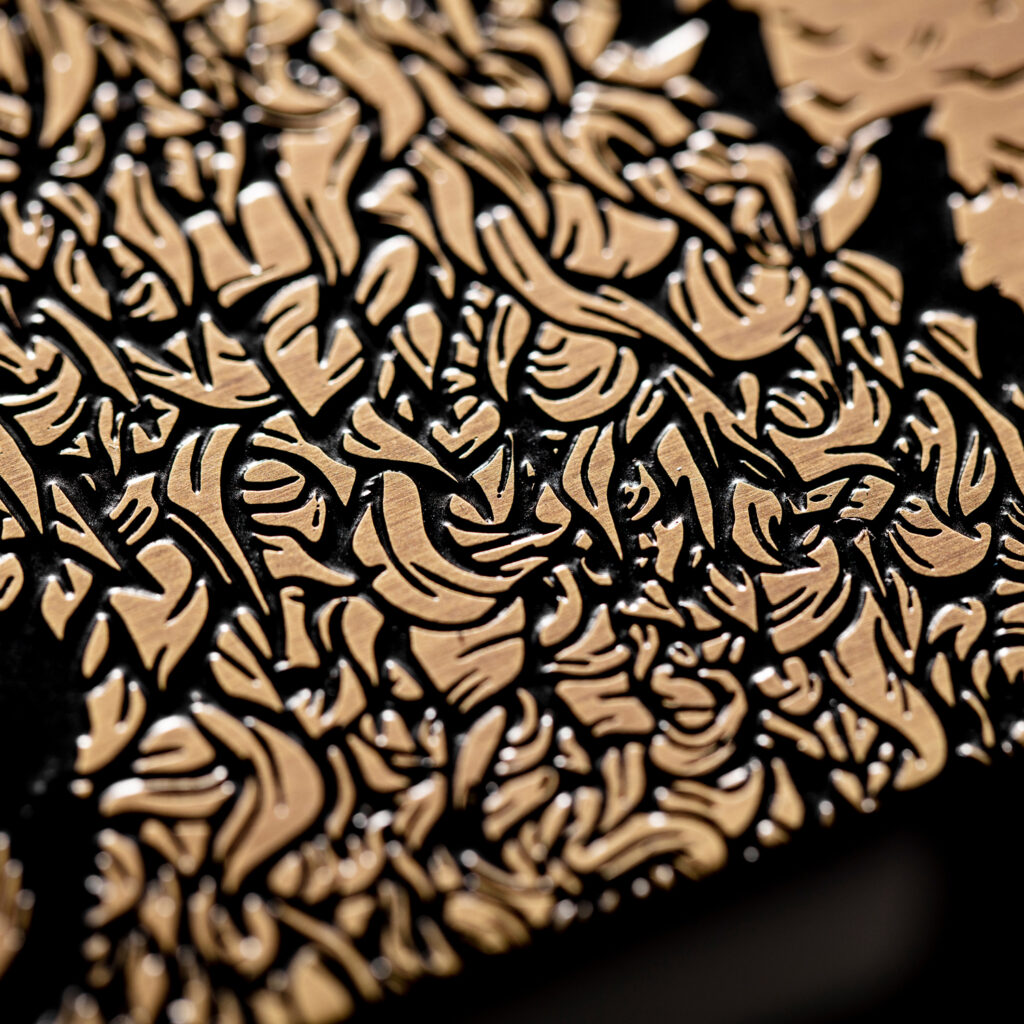
The artworks are etched brass with a black inlay and bronzed finish. The choice of medium is inspired by the monumental brasses found in churches across the United Kingdom, particularly in areas like Lincolnshire which, because of its proximity to the coast, benefitted from the ease of importing the latten metal needed for their creation.
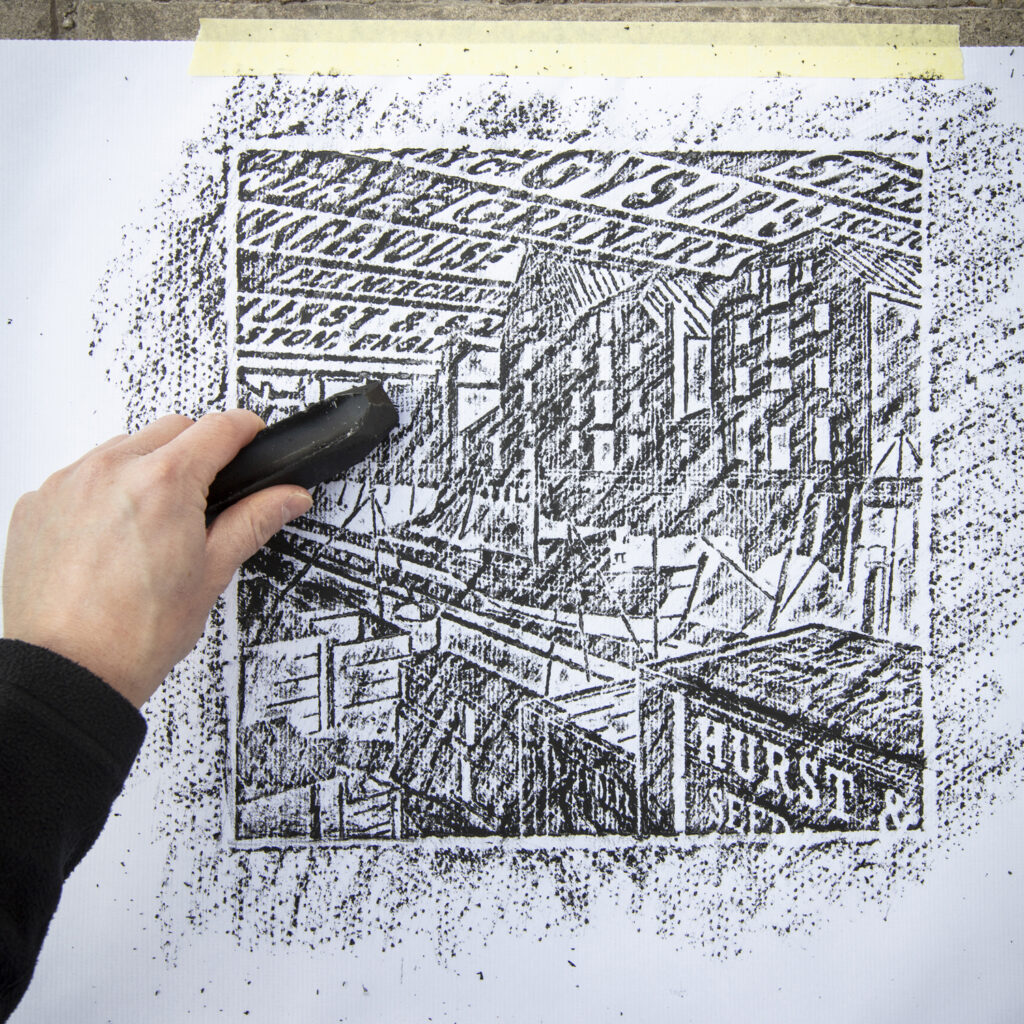
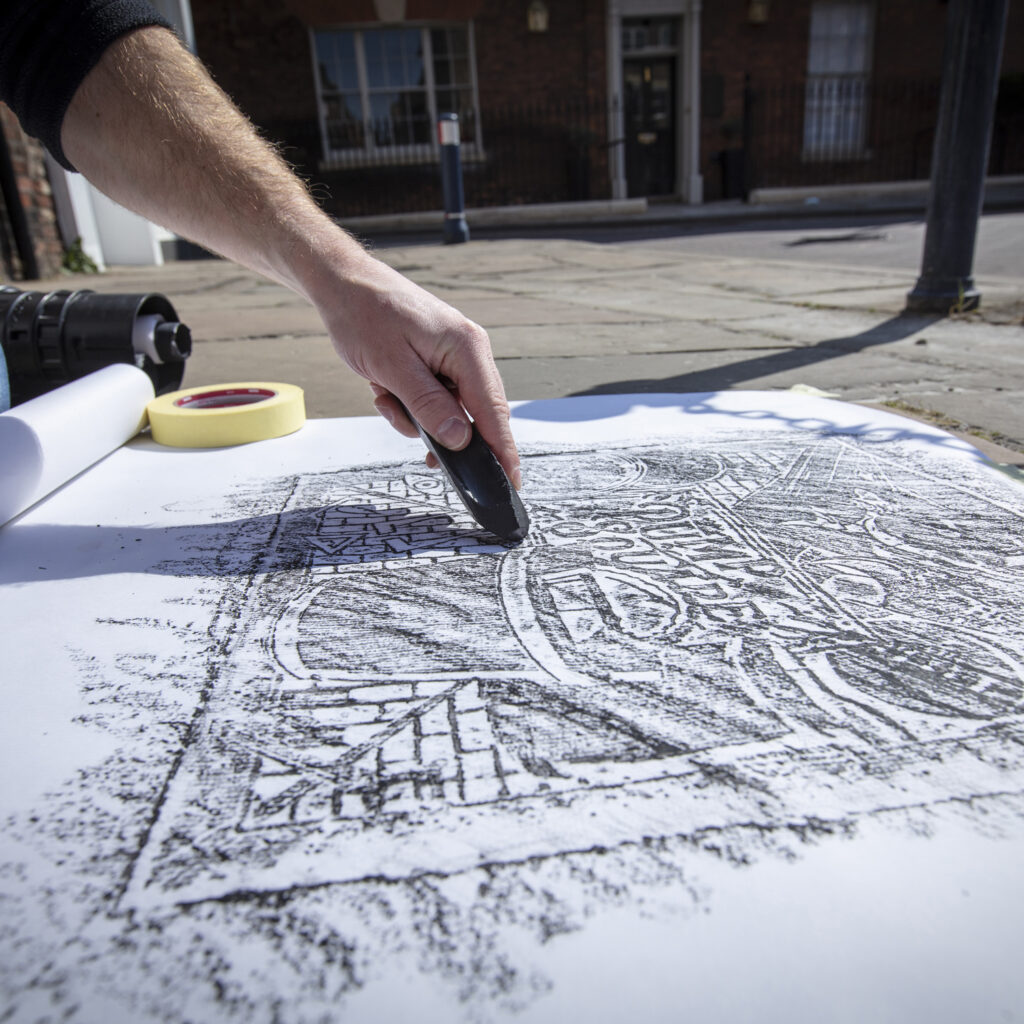
As with the monumental brasses, we hope that residents and visitors to Boston will take away their own version of the artwork through rubbings, thus reviving a once popular pastime and encouraging people to create their own interpretation of the artworks. The artworks were hand drawn digitally and are designed to weather with time and become an established part of the street landscape with the patina of the brass evolving.
Download the Trail Map and Leaflet Here


BRIEF HISTORY OF BOSTON
Boston is a lively historic port and market town located on the River Witham, joining the North Sea at a part of the coast known as ‘The Wash’. Boston and its magnificent church are named after St Botolph, an Anglo Saxon monk, who according to tradition visited the area in the 7th Century.
Its position on the edge of the North Sea and its river connection with the city of Lincoln, allowed the town to develop as an important trading centre.
In the early medieval period, only London was richer and more important than Boston as a port; Boston’s wealth was based on wool. During the time when wool was England’s main export, the town was sending three million fleeces a year abroad. Boston’s medieval wealth can be seen from surviving buildings in the town; St Botolph’s Church (known locally as ‘The Stump’), St Mary’s Guildhall and the town’s stunning Market Place are just three examples. The large weekly markets each Wednesday and Saturday and its annual May Fair, are also legacies from the medieval period.
As the value of wool declined, the town changed. By the 1700s, the agricultural revolution provided another economic boost. During this time, Boston supplied one third of London’s grain directly from granaries situated along the riverside. Once again, this wealth influenced the architecture of the town and many fine Georgian buildings still remain.
Boston today is a diverse and vibrant town to explore and discover, with a range of quality national and independent shops, wonderful dining experiences, famous American connections and a unique history and heritage.
the artists: ELECTRIC EGG
Electric Egg is a film, animation and photography production company founded in 2005 by Neil Baker and Steven Hatton.
They undertake commercial work alongside their own creative practice. Be it creating thoughtful documentaries for broadcast, promotional films, documenting events or creating stunning cover shots for a magazine, we apply the same passion and fundamental storytelling techniques across all our work, commercial or personal.
Our work as artists often involves community engagement, asking people to join us in using the arts to celebrate, learn about, or reinterpret their area or local heritage. We work across mediums, using film, animation, photography and illustration to bring to life the stories that are important to people about where they live.
In the past we’ve created large scale murals on the sides of lorries, soundscapes, short animations, photographic exhibitions and permanent installations that involved in-depth creative consultation, allowing us to shape our approach and create artwork that is very much of the community and area it reflects.


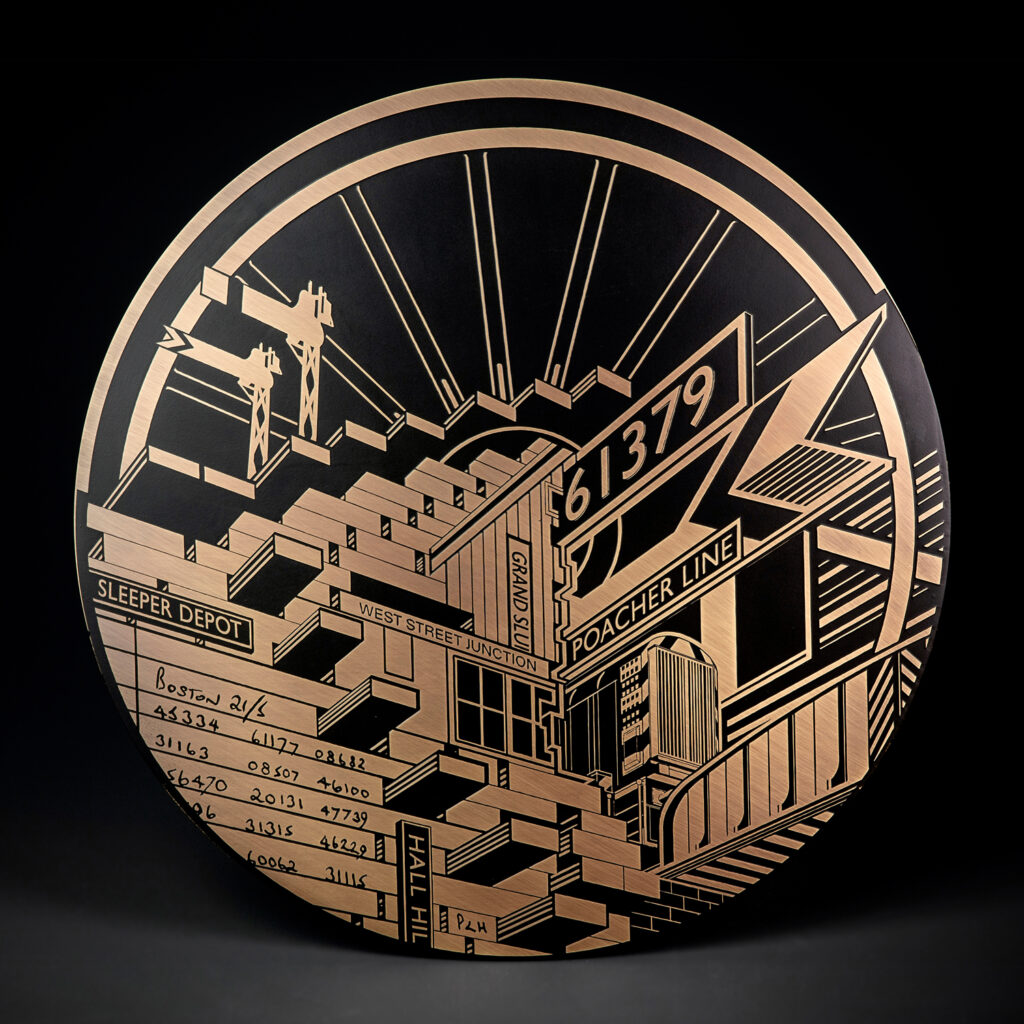
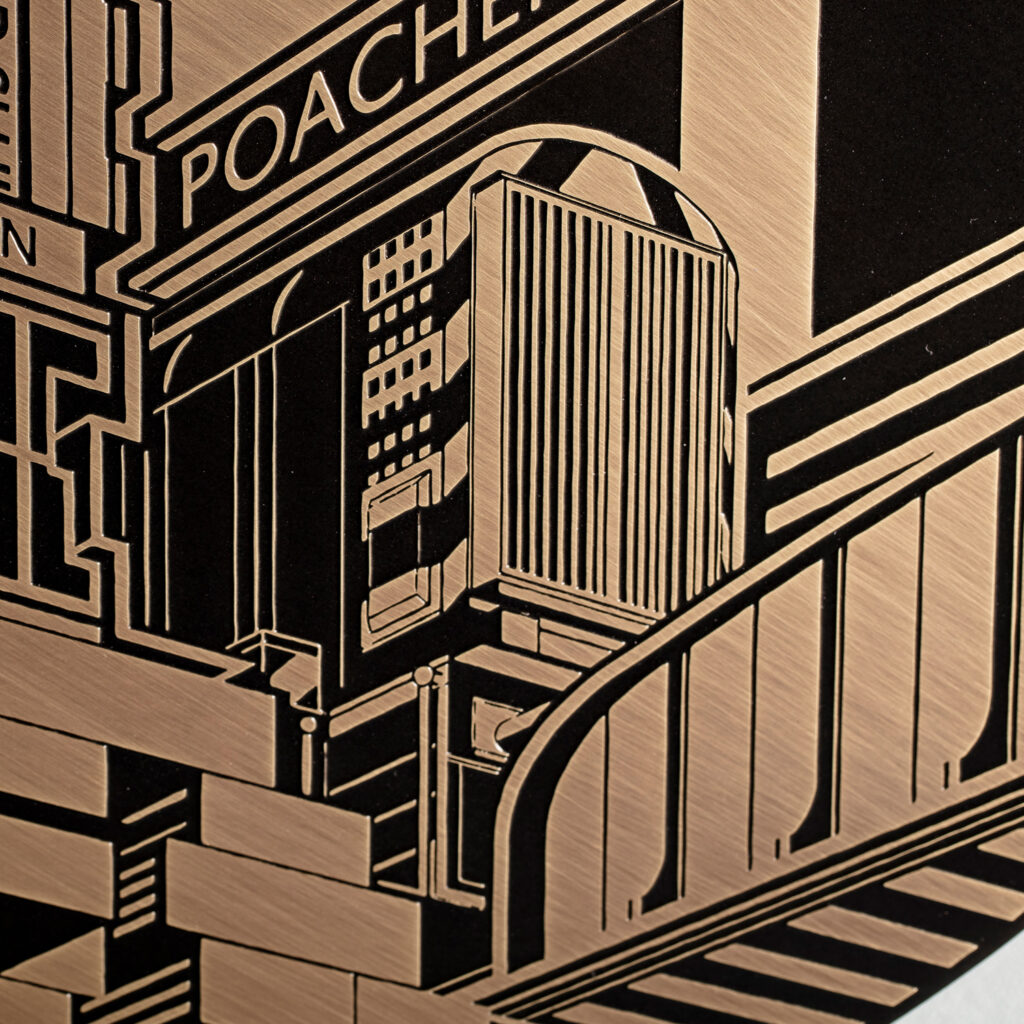
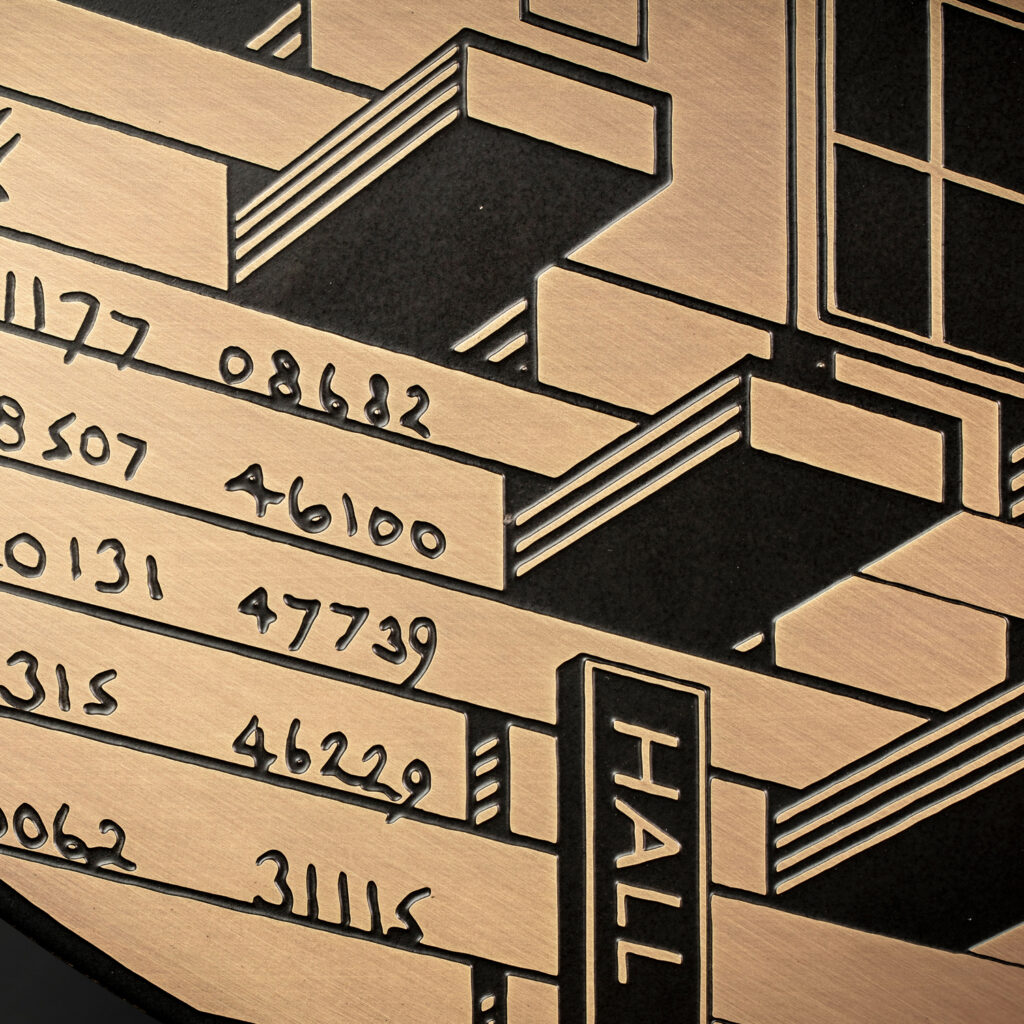
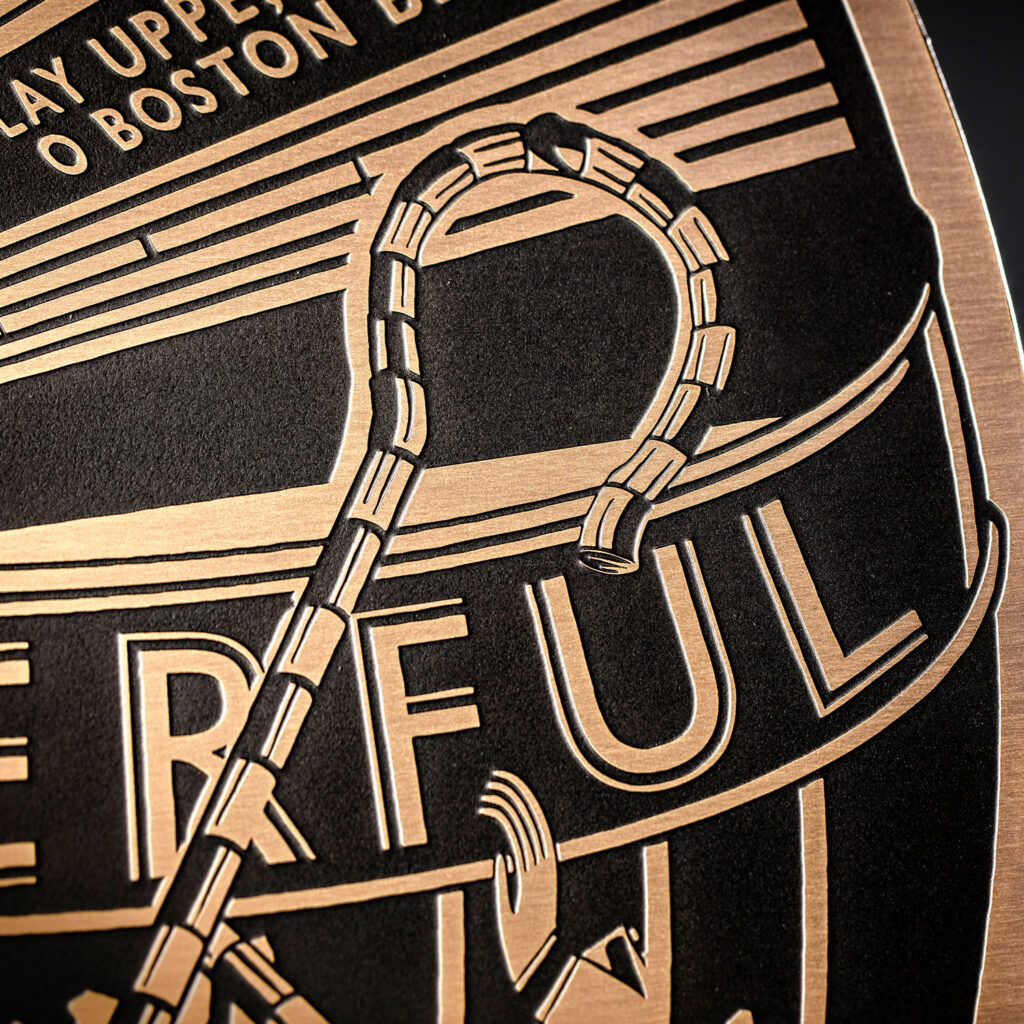
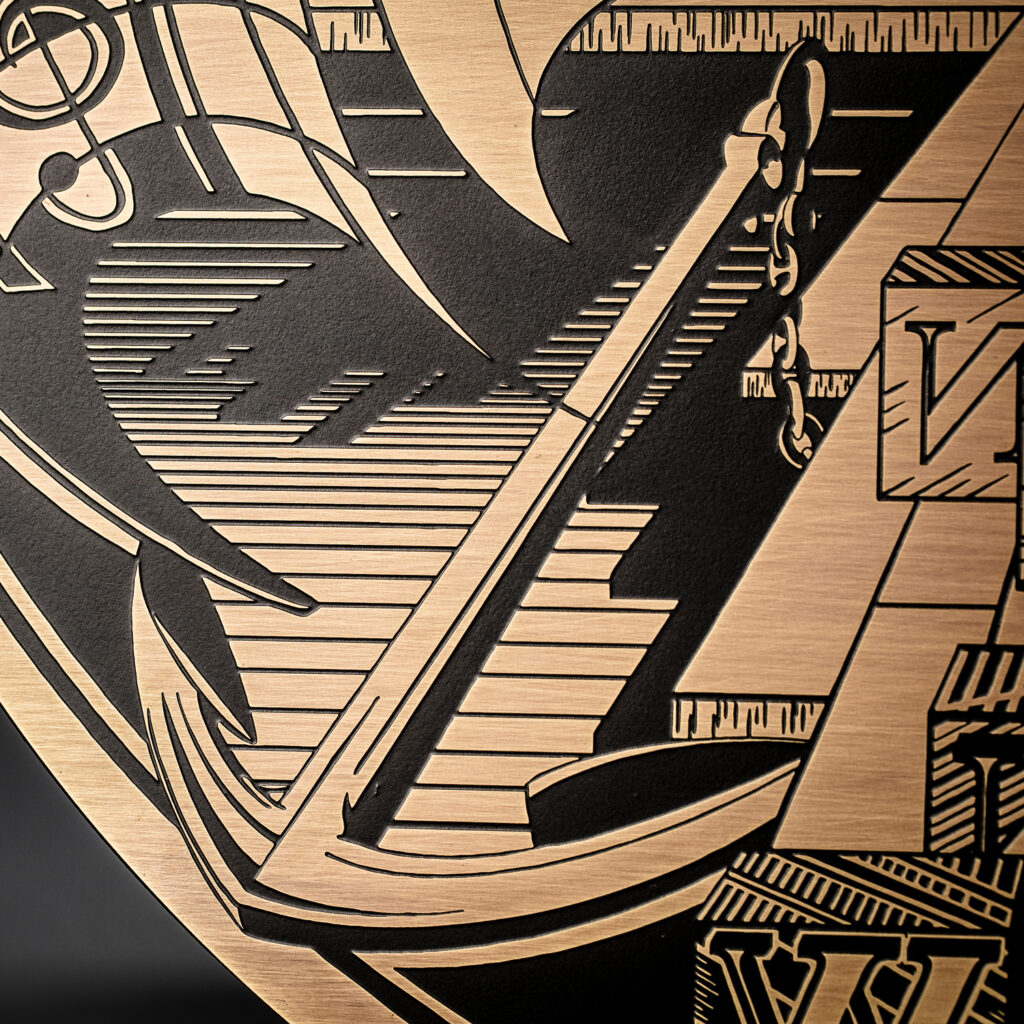




SLEEPER SERVICE (AND OTHER RAILWAY STORIES)
WONDERFUL THINGS
MARKET DAYS
MOUNTED ON THE WALL NEAR THE TICKET OFFICE ENTRANCE
Etched Brass, 43cm Diameter
by Steven Hatton
PAVING BORDERING THE MARKET PLACE, NR. INGRAM MONUMENT RAILINGS
Etched Brass, 43cm Diameter
by Steven Hatton
CIRCULAR RAISED SEATING PLINTH, EAST SIDE OF MARKET PLACE
Etched Brass, 55cm Diameter
by Neil Baker
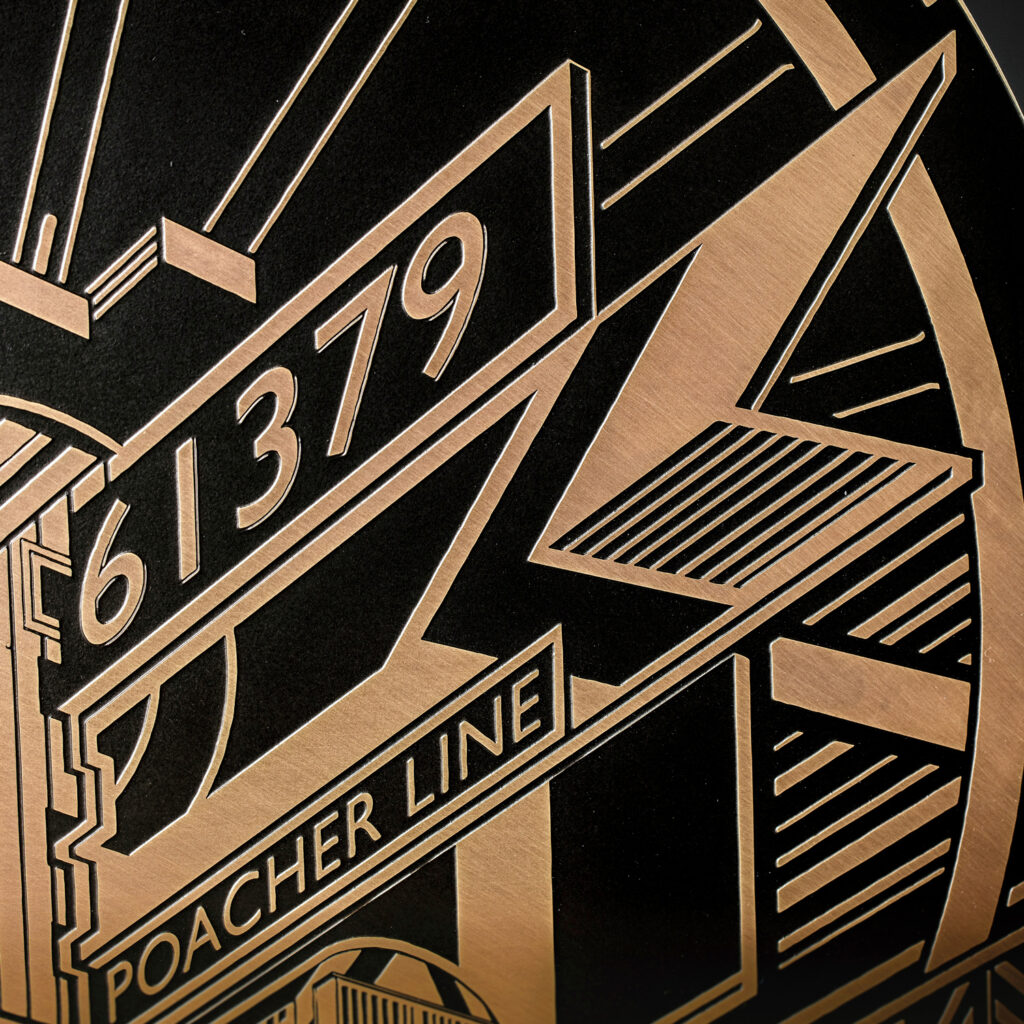
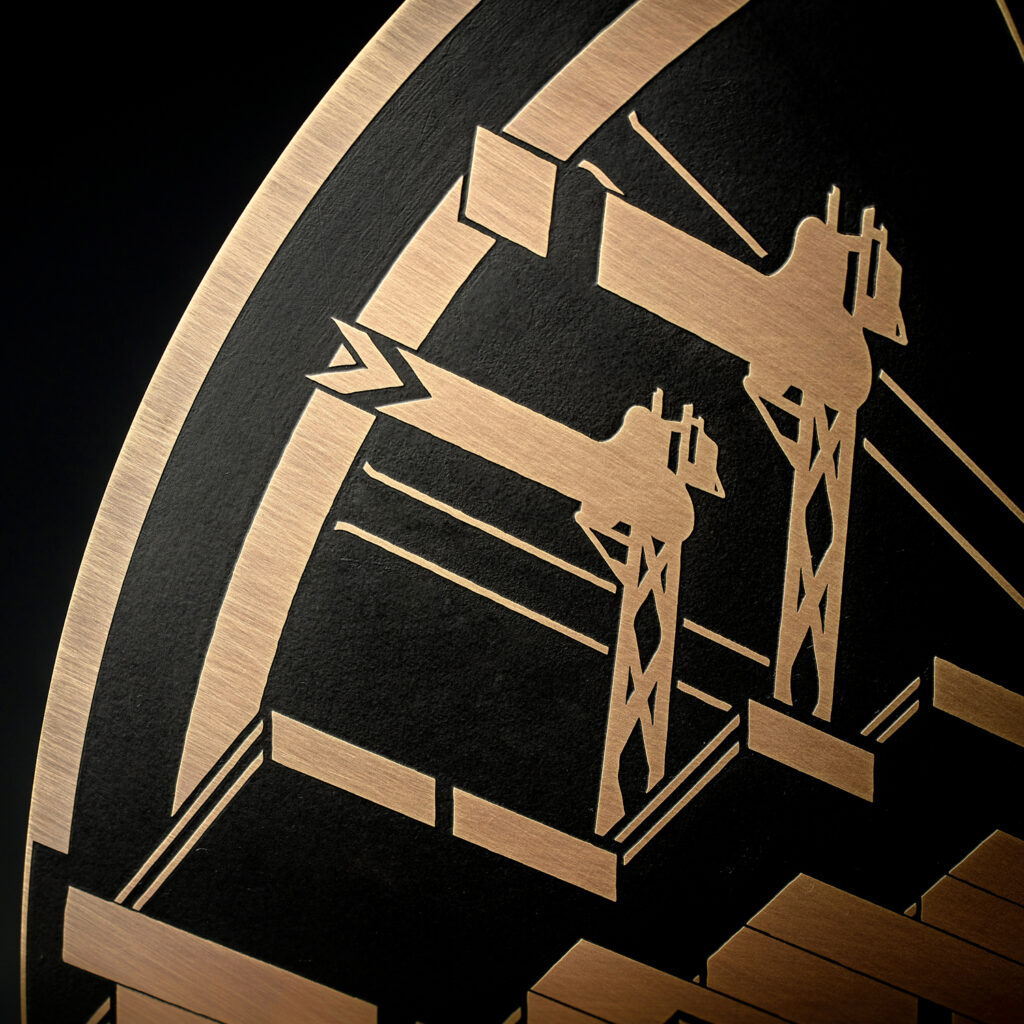
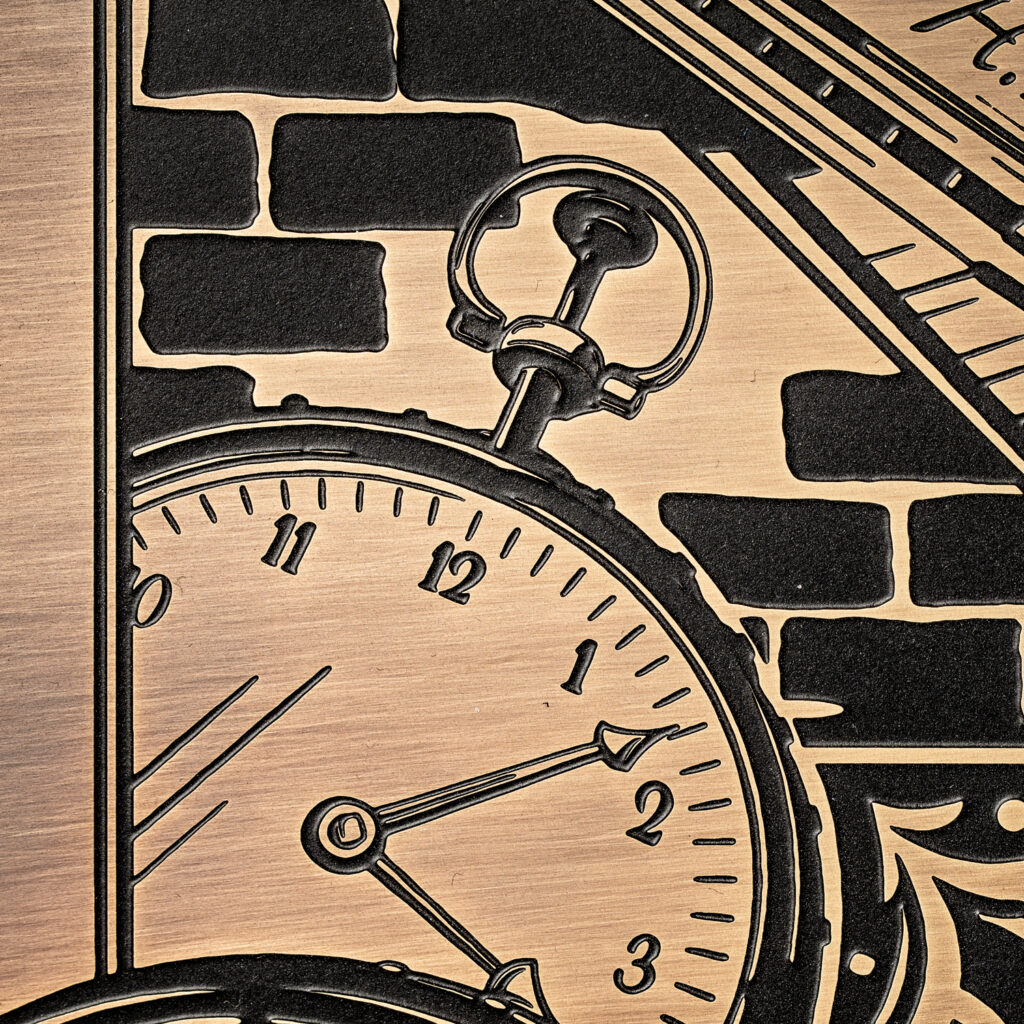
Reflecting the importance of the railways in Boston’s history, the design is inspired by vintage railway posters and features visual references to over 150 years of railway history in Boston.
Look out for references to Hall Hills Sleeper Depot, the swing bridge across the River Witham and the locomotive with a local connection, Mayflower.
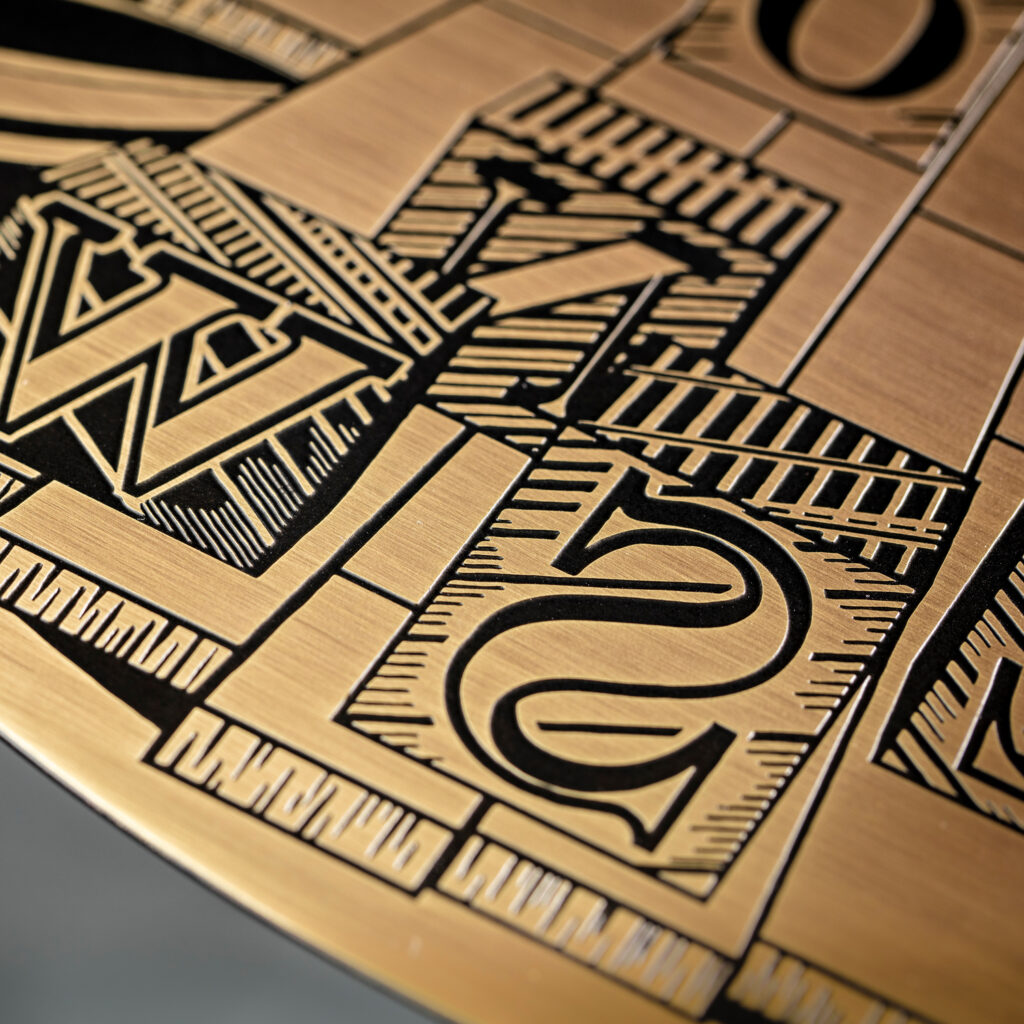
Paving bordering the Market Place, nr. Ingram monument railings. In 1922, Howard Carter opened the seal on Tutankamun’s Tomb. When asked what he saw, he said, in awe, ‘Wonderful Things’.
At Carter’s side that day was Boston man Arthur Callender, one of many Bostonians who’ve made an impact on the wider world. See if you can spot nods to Herbert Ingram, Jean Ingelow, the Pilgrims and more…
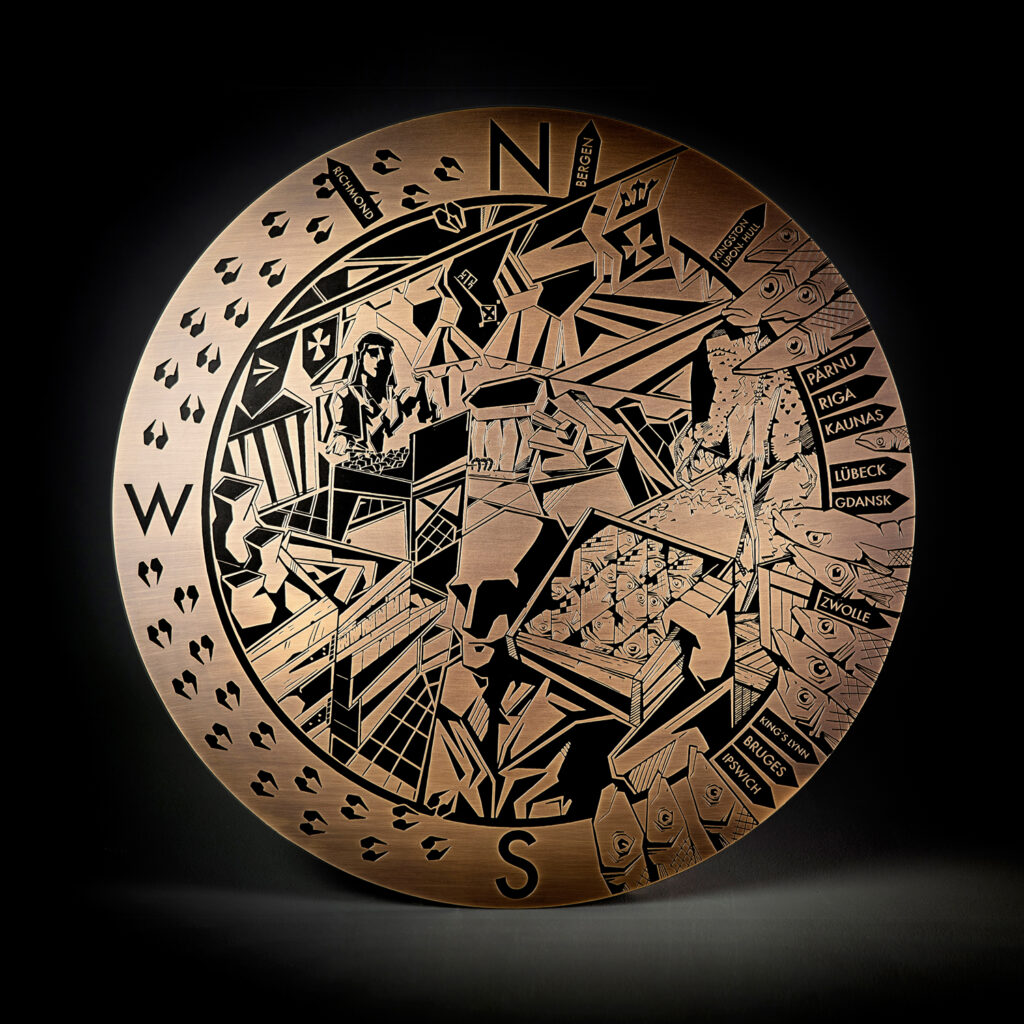
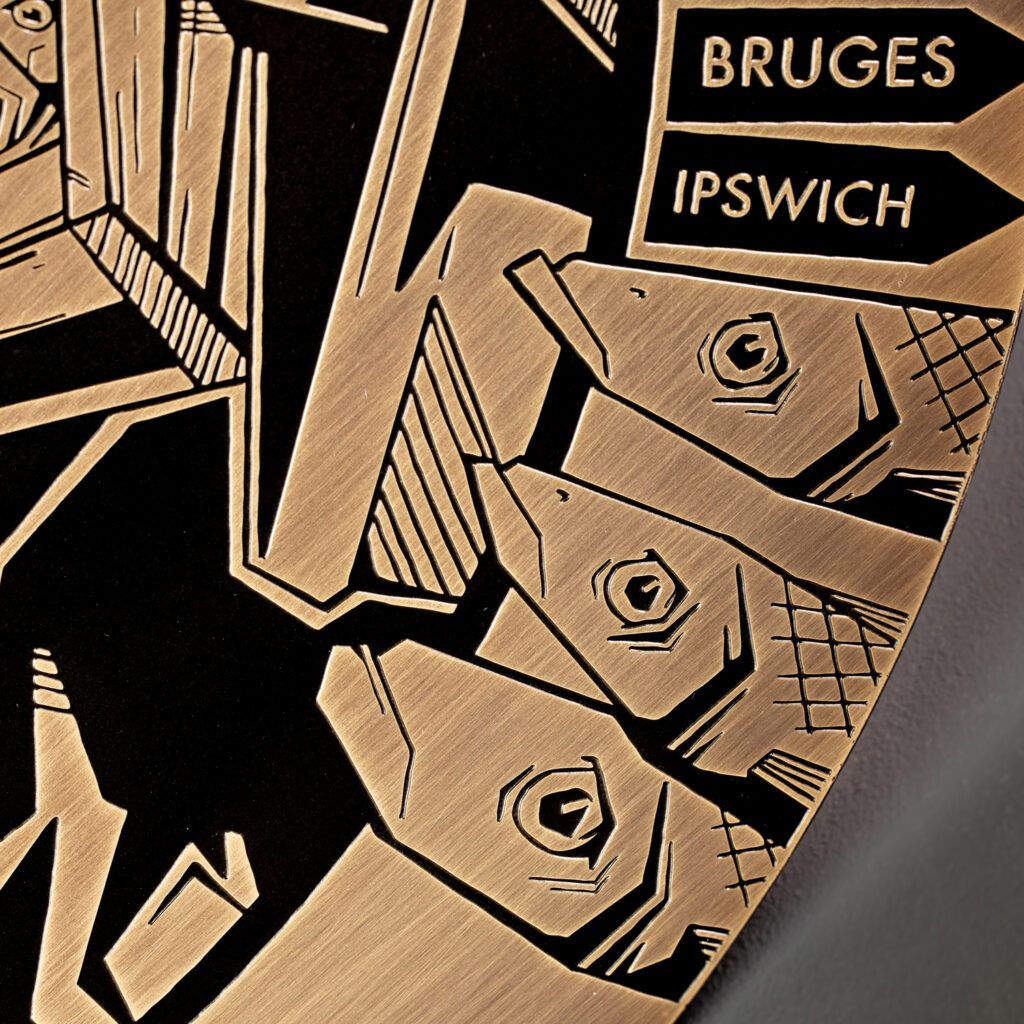
Markets have always brought life to Boston. From the fairs of sheep driven in from far and wide to the produce of the sea and the land. Markets and trading is how Bostonians have interacted with the world.
The artwork is aligned with the points of the compass and around the edge of the work are wayfinders pointing to important locations both home and abroad that have played an important role in Boston’s trading history.





KNOTTED TO HANSA
GYSOR’S GRANARY
PUMP SQUARE PERAMBULATION
PAVING ON THE EASTERN SIDE OF SOUTH ST. AT CUSTOM HOUSE QUAY
Etched Brass, 40cm x 30cm
by Neil Baker
PAVEMENT NR. THE BUS STOP OUTSIDE GREYFRIARS SURGERY ON THE EASTERN SIDE OF SOUTH STREET
Etched Brass, 30cm by 30cm
by Steven Hatton
PAVEMENT NR. THE PUMP ON THE NORTH SIDE OF PUMP SQUARE
Etched Brass, 35cm x 35cm
by Steven Hatton
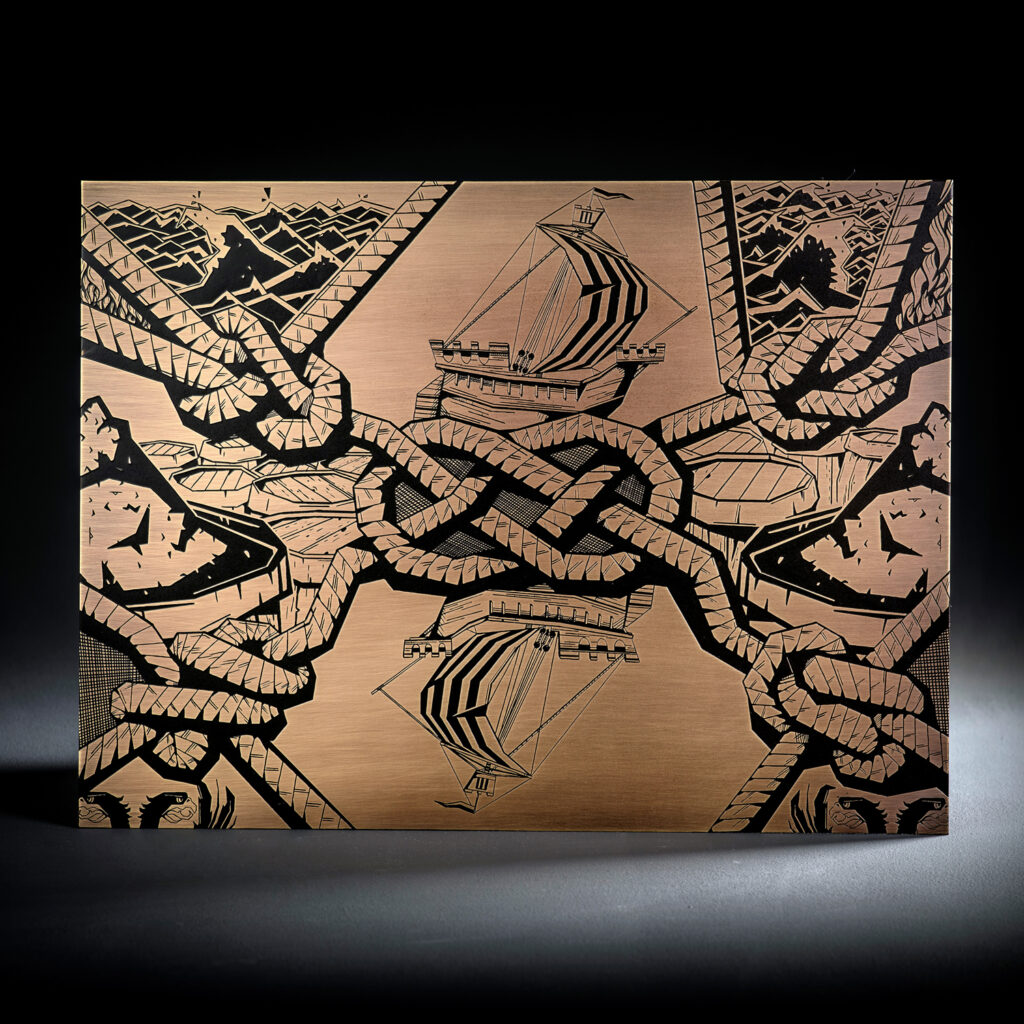
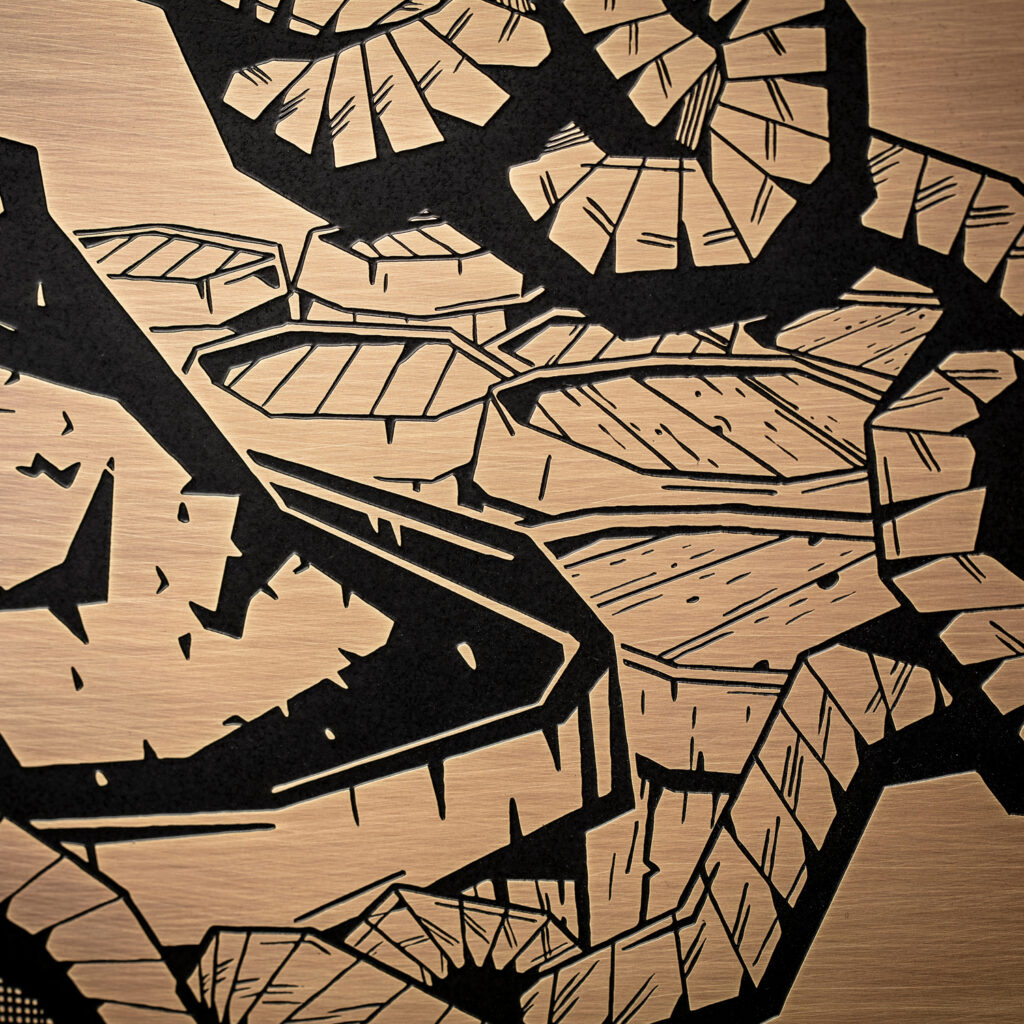
Boston was a significant port of the Hanseatic league, a trading bloc of nations across Northern and Eastern Europe. In the late medieval period, Boston was alive with sailors and merchants who came to trade their wares.
In this etching we see Cog boats & the produce they traded. Various sailing knots can be seen, representing the coming together of cultures & peoples, an intrinsic part of Boston’s history.
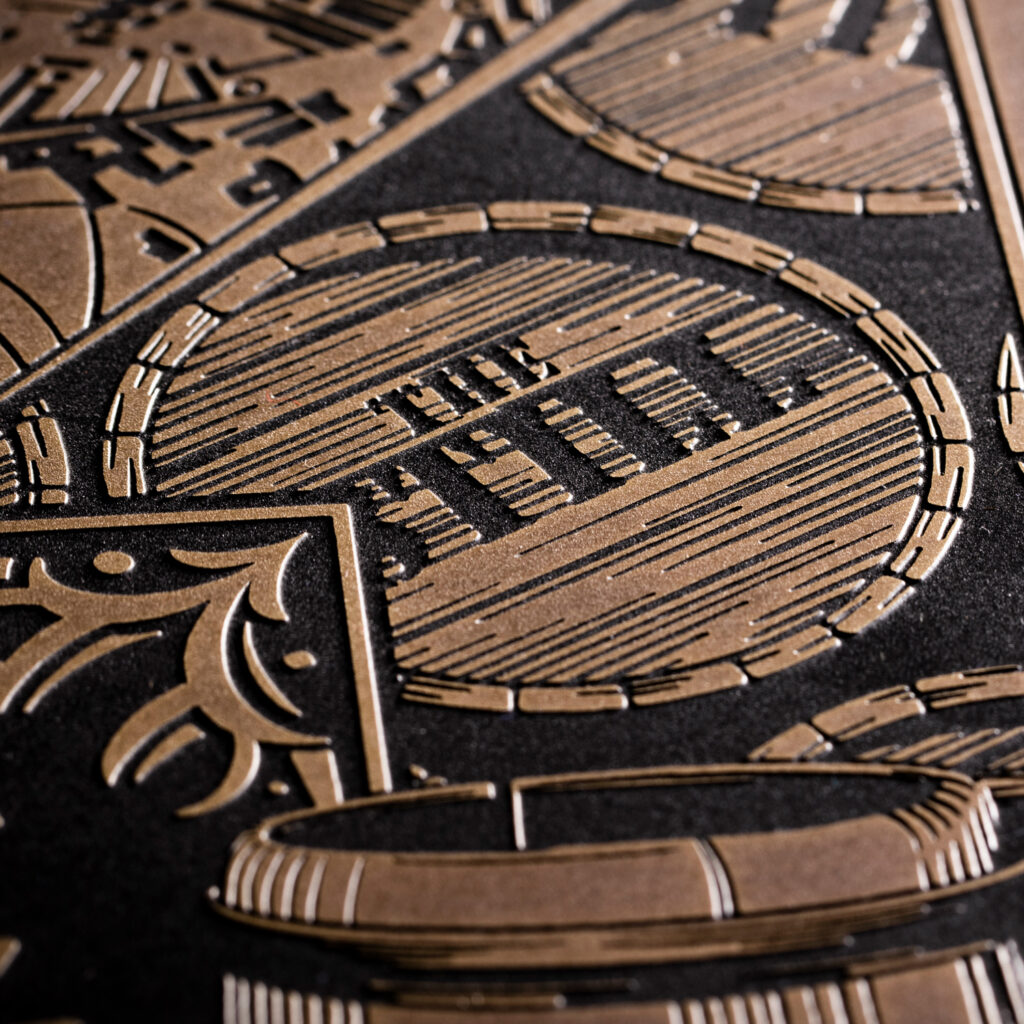
The banks of the Witham were once lined with warehouses and granaries.
Gysor’s Hall in South Sq. survives today as flats but was built in 1810 as a seed warehouse by William Fydell – just opposite Fydell House.
The warehouse was built on the site of the medieval Gysor’s Hall after which it is named and some stonework from the hall is said to have been used in the building.
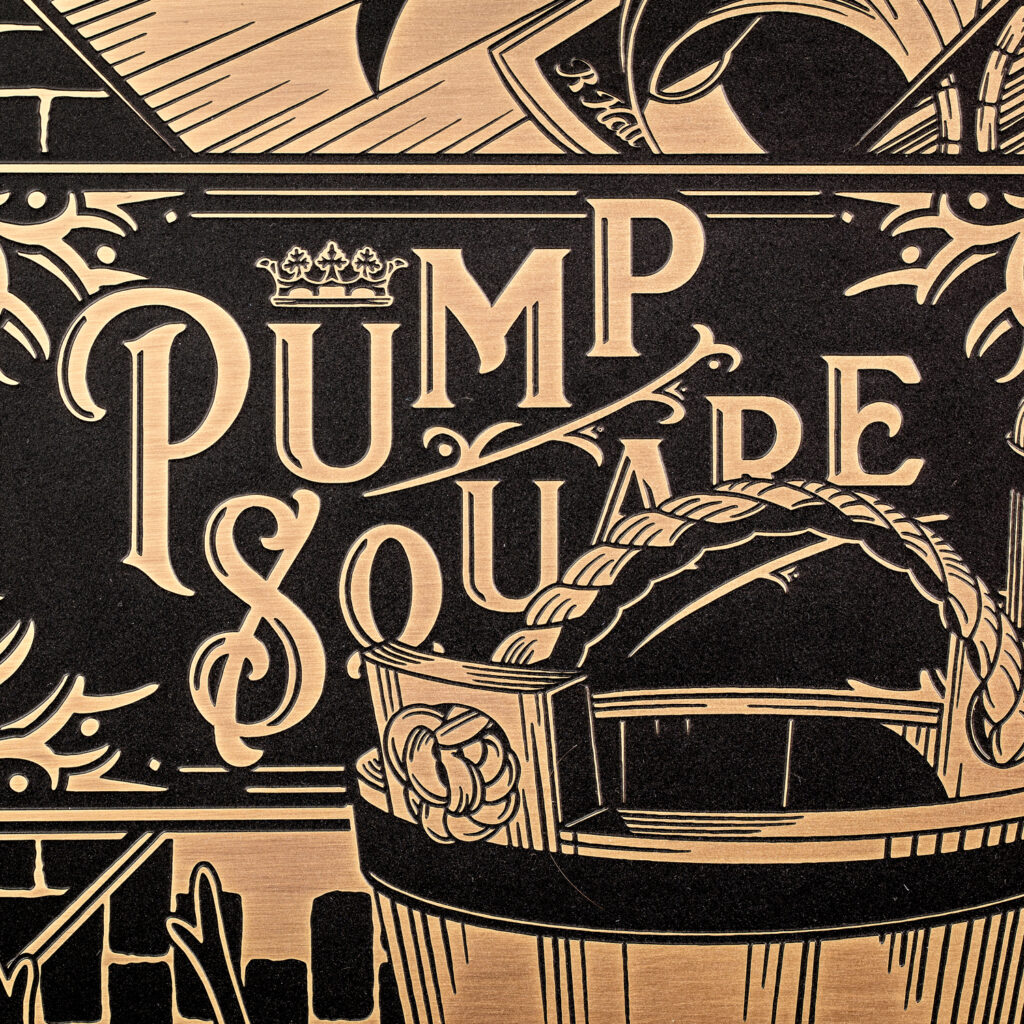
Pump Sq. features on Hall’s 1741 map of Boston, close to Boston’s Barditch. Beneath the square are the remains of two vaulted rooms, said to be prison cells where, legend has it, prisoners were forced to pump water for the town’s inhabitants.
This pump was Boston’s only public water pump, giving the square its name. The etching serves as a visual map of the square referencing businesses, inns, schools to name a few.






WALTER PESCOD
WELL-BRED
PAVING NEAR THE ENTRANCE TO PESCOD HALL
Etched Brass, 42cm x 32cm
by Steven Hatton
PAVEMENT NEAR THE SEATING ON THE CORNER OF PARK GATE AND WIDE BARGATE
Etched Brass, 40cm by 24cm
by Neil Baker
This brass commemorates Walter Pescod (d.1398), a member of the notable Pescod merchant family.
On his memorial in St.Botolph’s Church, his clothing is adorned with peapods, a play on his family name meaning a trader in peas and also, more, literally as a container or pod of peas.
The shears represent the wool trade in which they and many others in Boston traded.
They also traded in herring – represented here in skeletal form.
Much of the historic prosperity of Boston can be attributed to the wool trade and the export of fleeces to Europe from the port of Boston.
Boston also hosted huge sheep markets, where the bargate area of the town would be packed with sheep of various breeds.
Chiefly among them was the Lincoln Longwool, whose fleece was highly regarded by textiles merchants and weavers.

Brass Rubbing
Brass rubbing was once a popular activity with enthusiasts benefitting from the many brasses to be found in churches across the United Kingdom and particularly England.
The brasses of this trail are perfect for the rediscovery of this artform.
Simply place a sheet of paper over the artwork and gently rub using a wax crayon.
The result will be an inverted image of the artwork. Try different colours and experiment to create your own unique take on the work. Try different colours of crayon and paper such as gold on black and remember, paper which is too thick will be harder to work with and create a good result.

The Etched in Time arts trail was developed as part of the Experience Boston project
Funded by Boston Town Deal Accelerator Funding from MHCLG
Etched in Time artworks by Electric Egg
Commissioned by Transported
for Boston Borough Council
Installation by Jamie Hawker of JRH Services
ELECTRIC EGG
electricegg.co.uk
BOSTON BOROUGH COUNCIL
mybostonuk.com
VISIT BOSTON UK
visitbostonuk.com