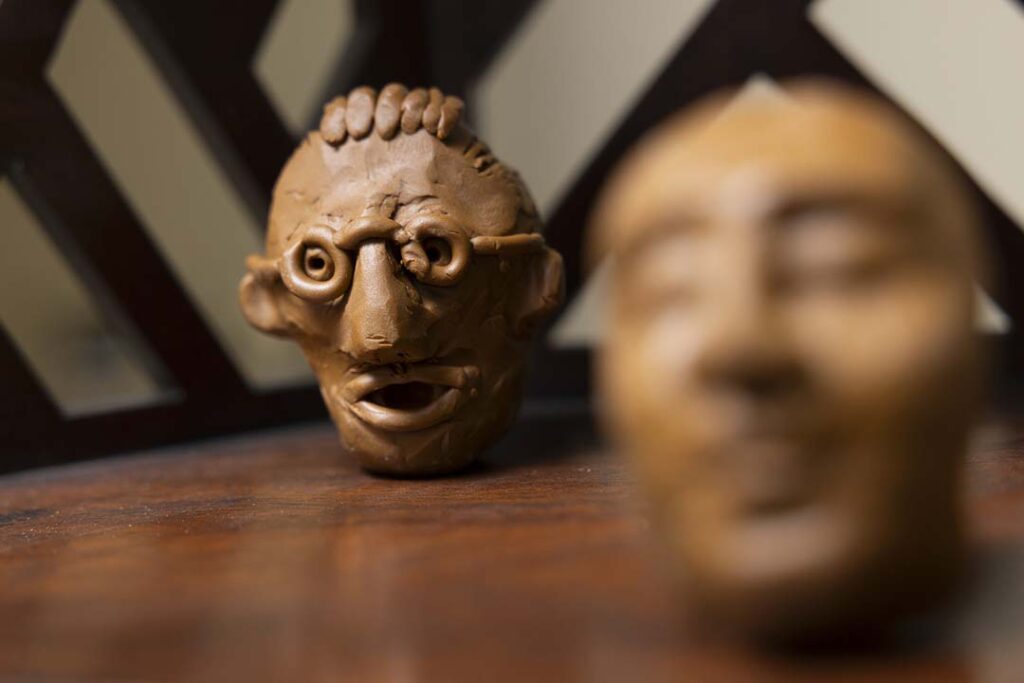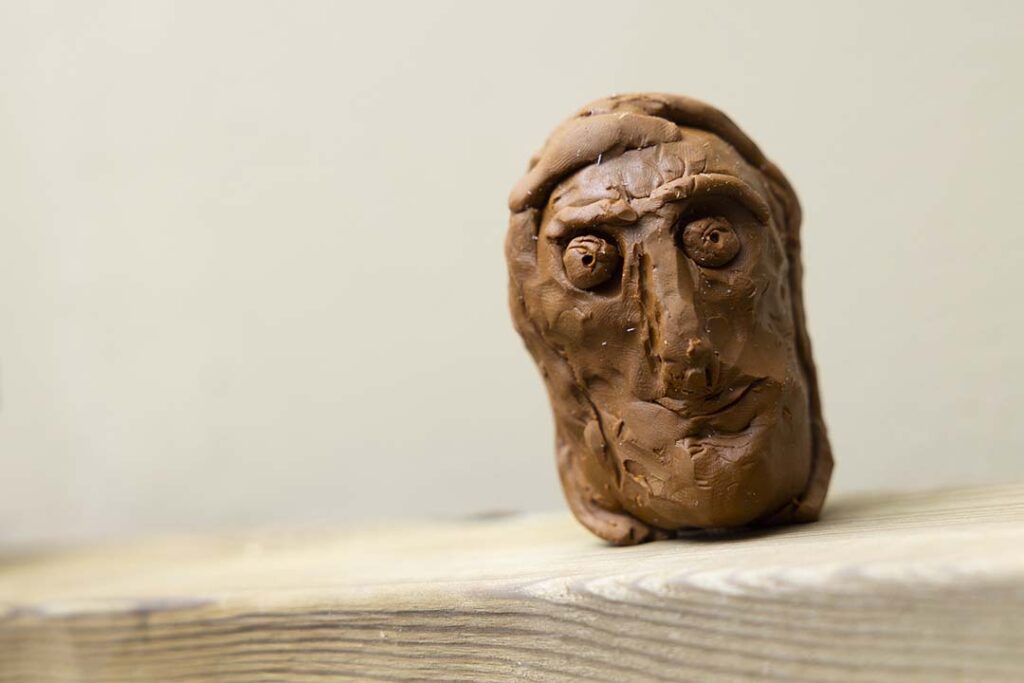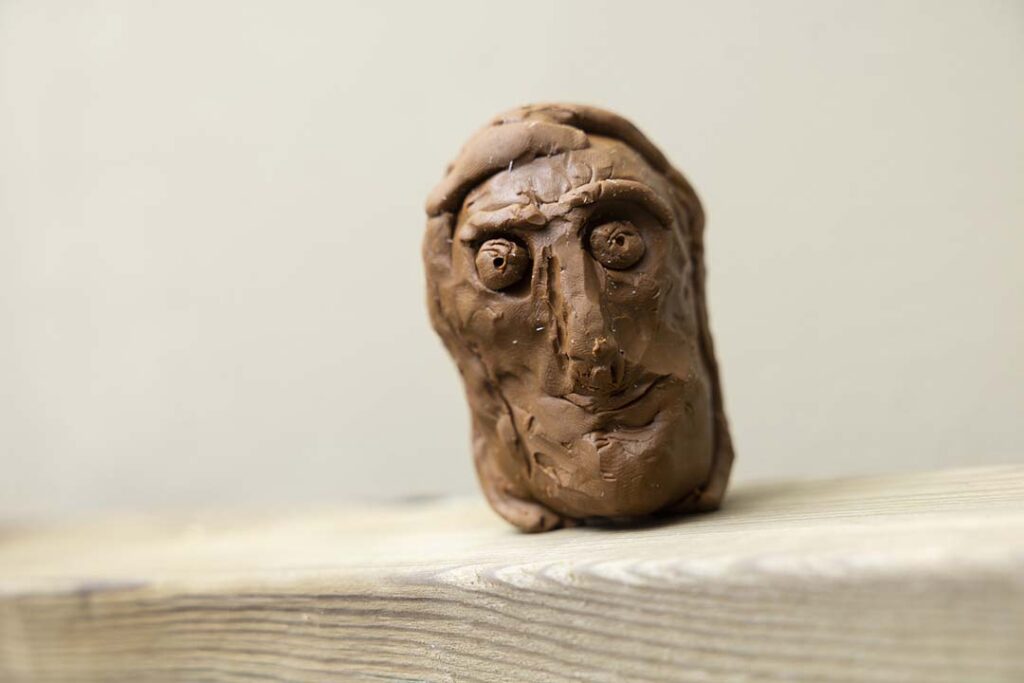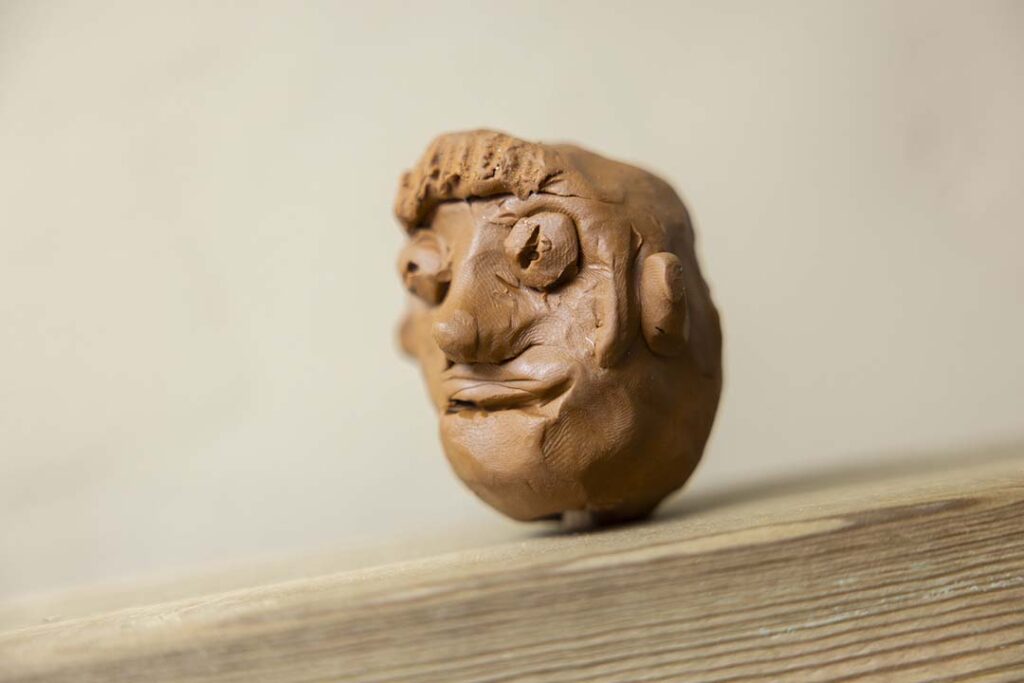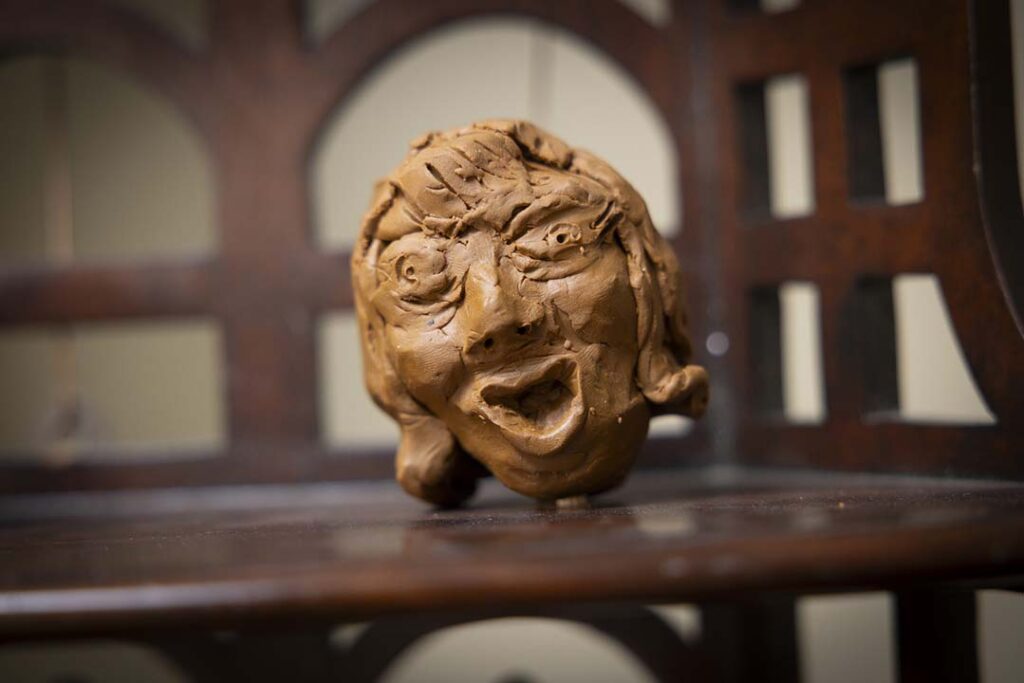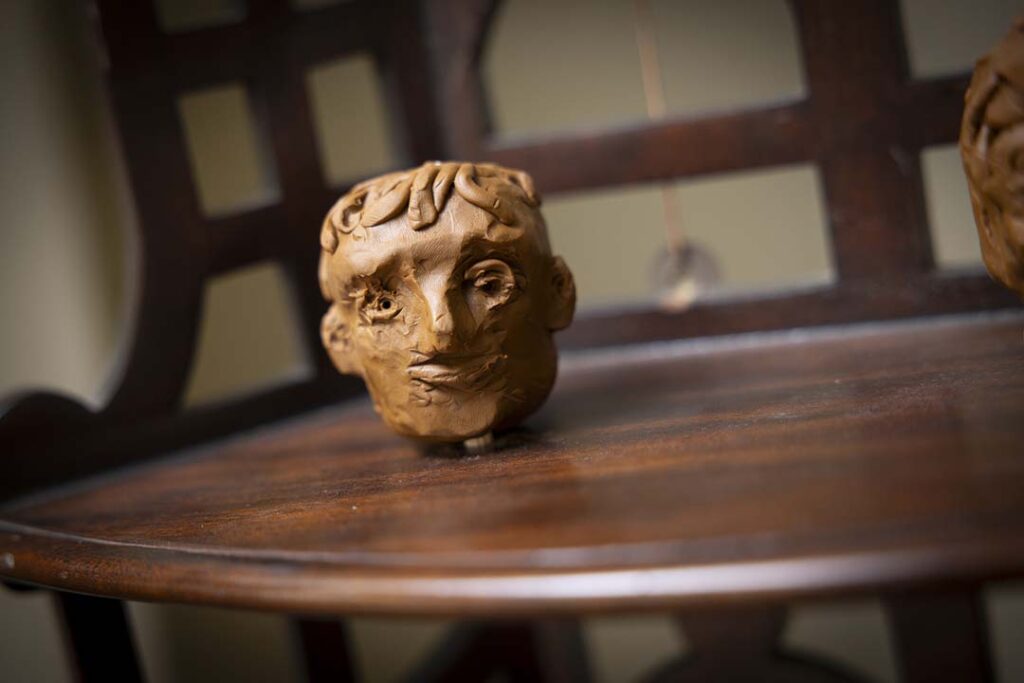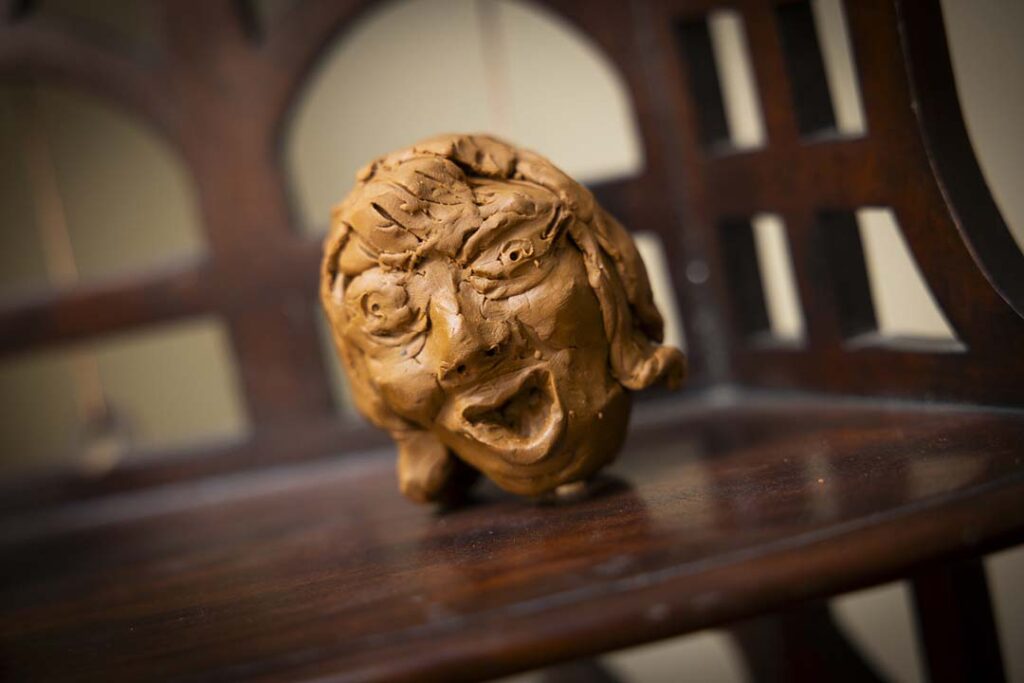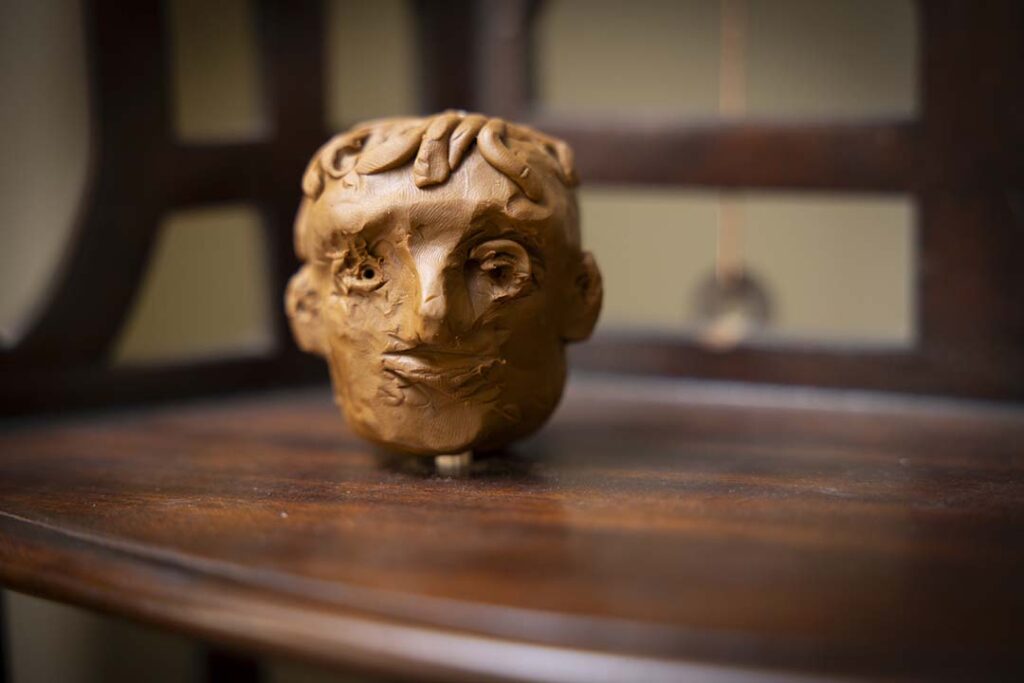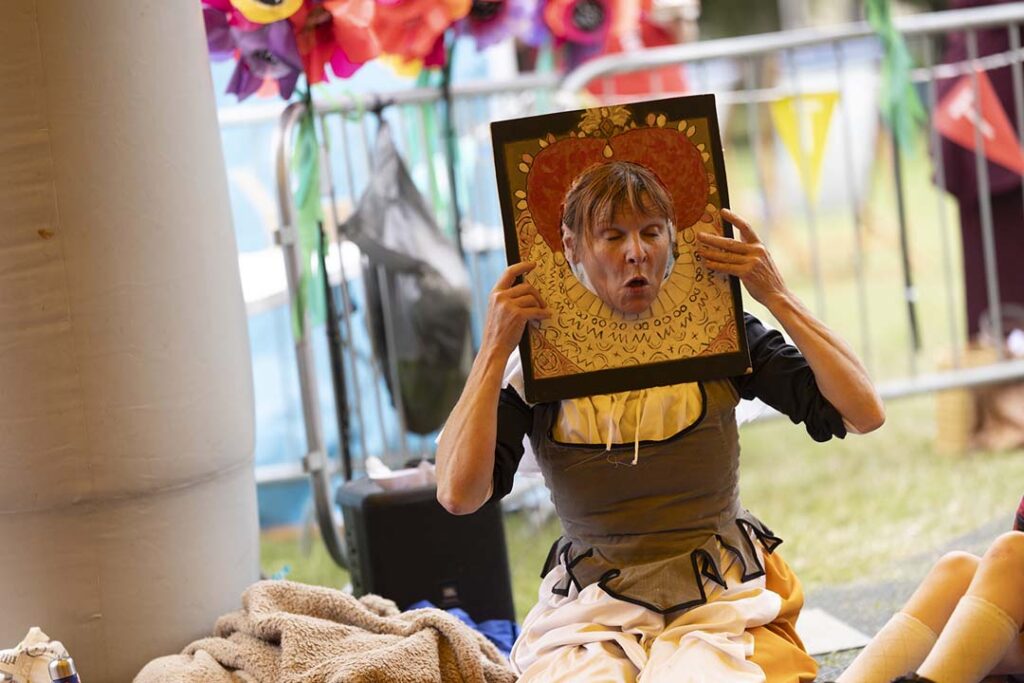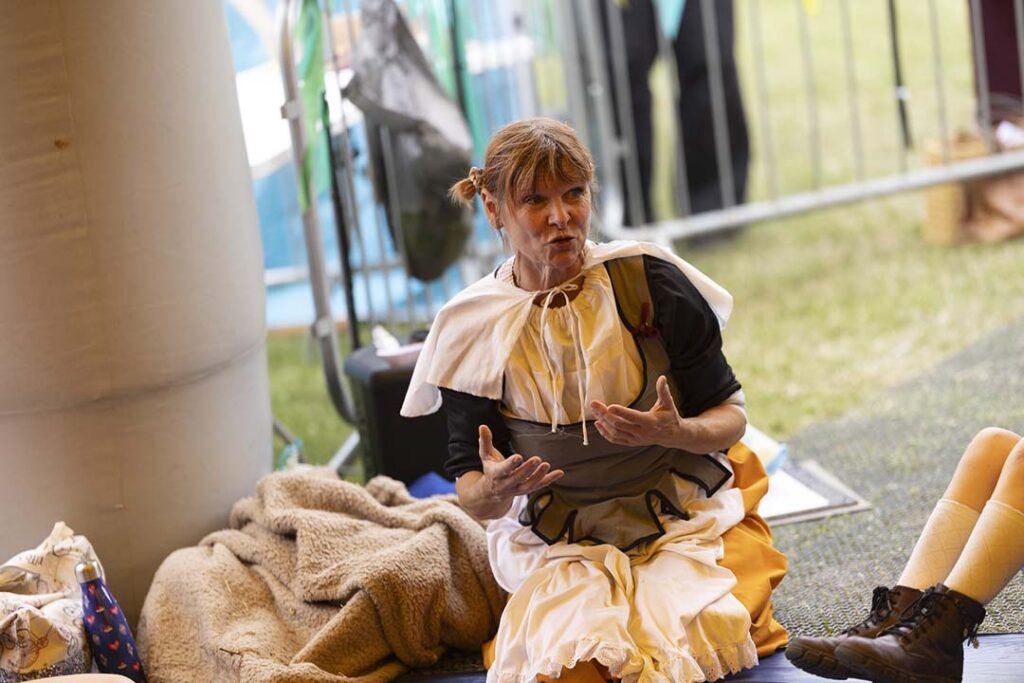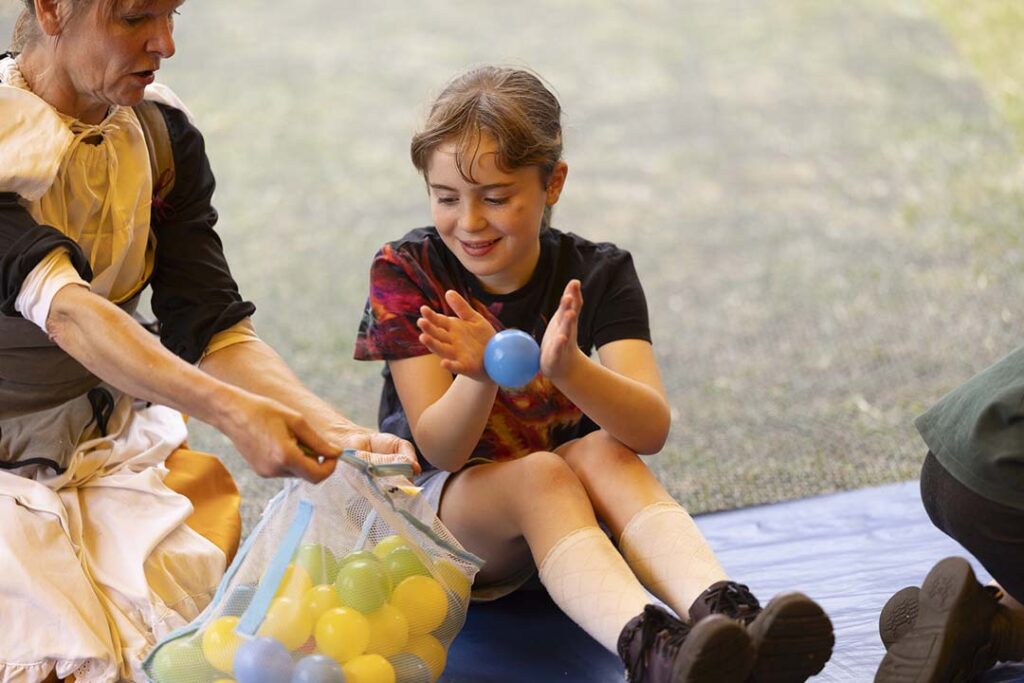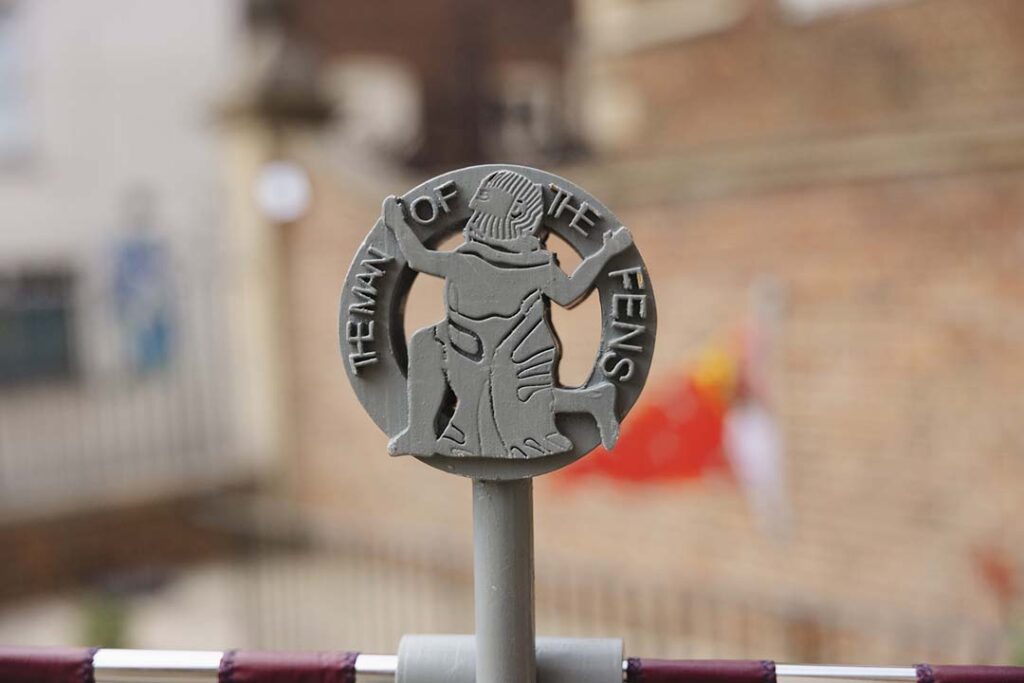


What would you choose to preserve for future generations?
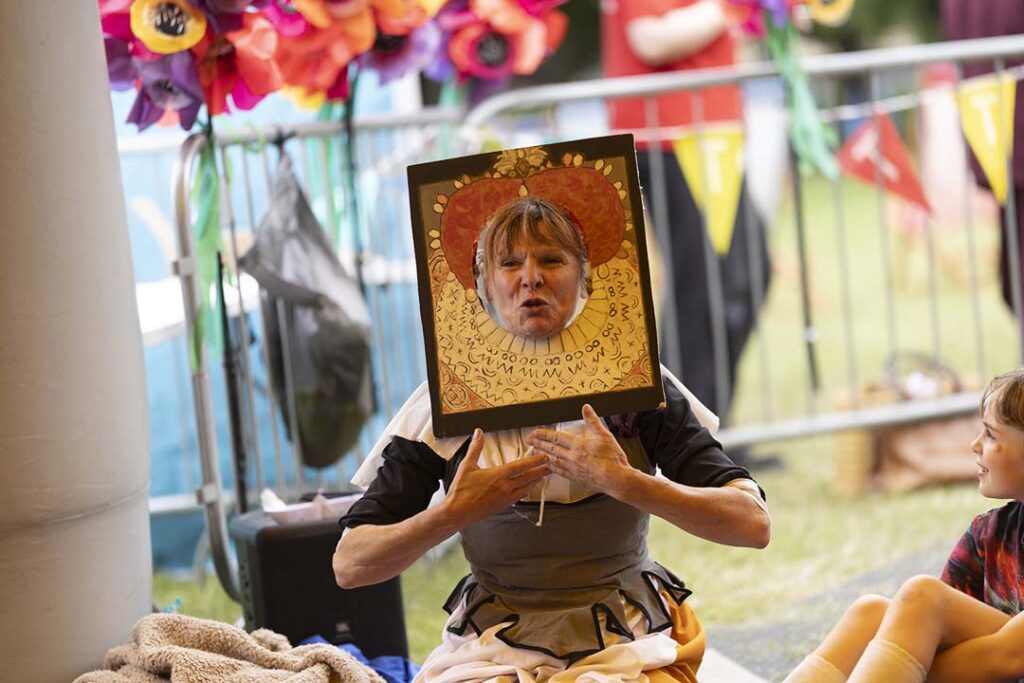
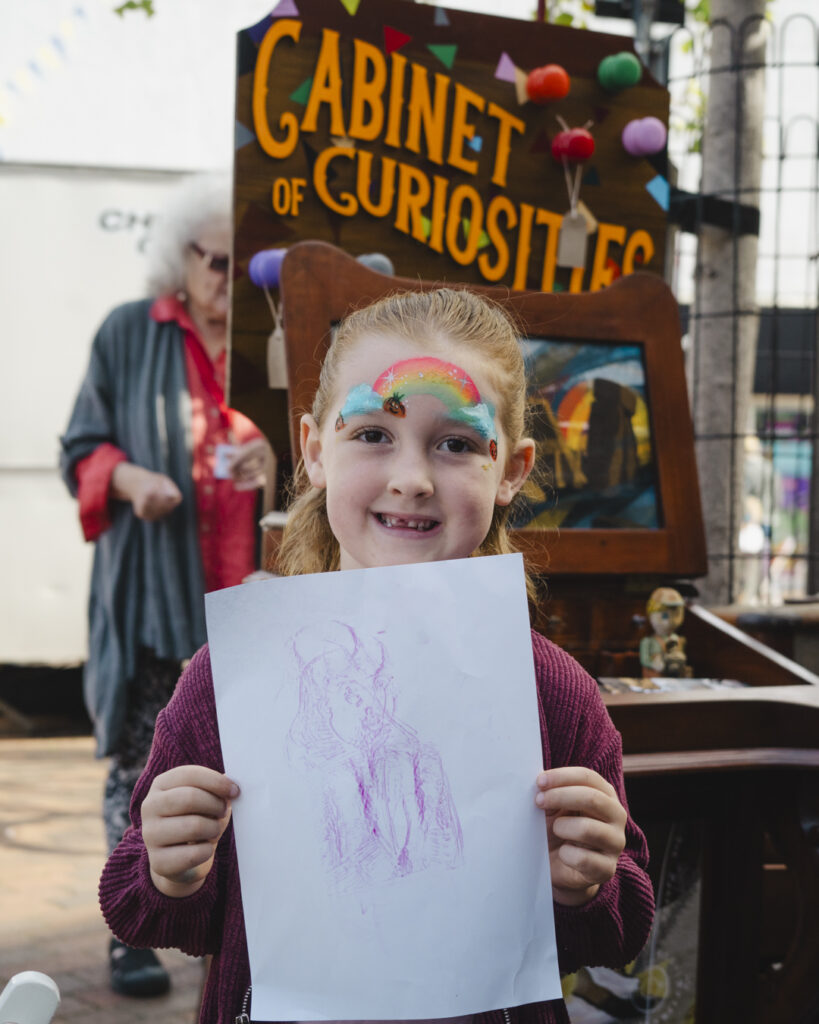
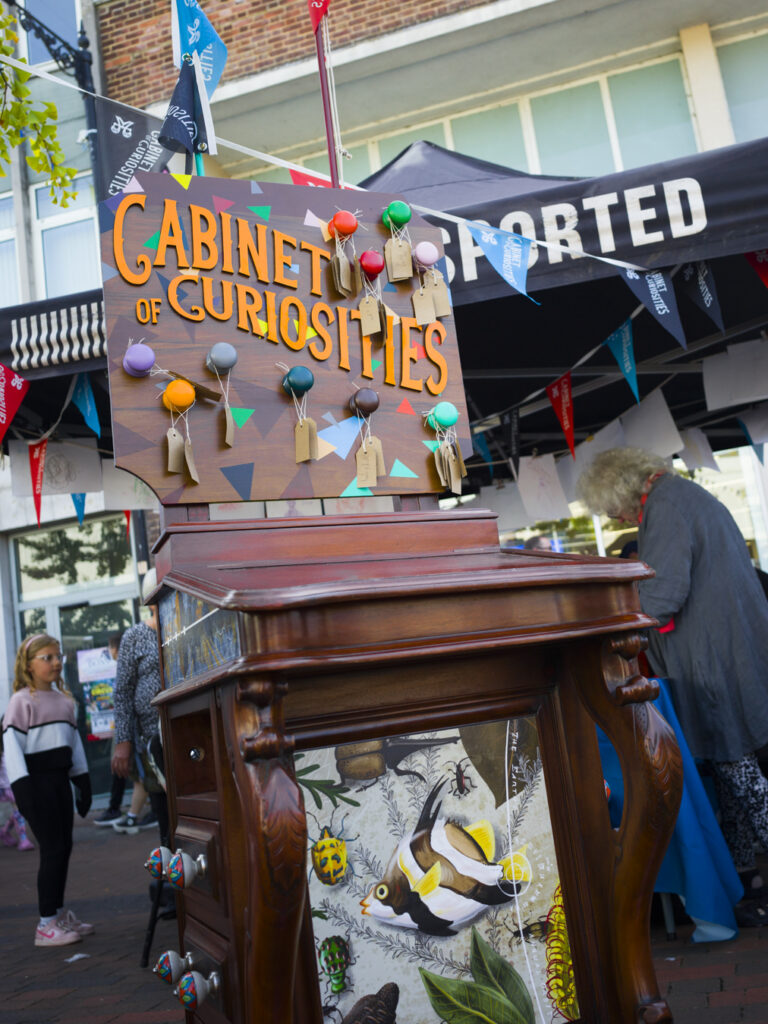
Inspired by the historic tradition of Cabinets of Curiosities, this interactive artwork invites people of all ages to explore local heritage through creativity, storytelling and hands-on discovery.
Having debuted at Spalding Pumpkin Festival 2026, the Cabinet is now touring locations across South Lincolnshire, bringing curiosity, conversation and creativity to communities throughout the region.
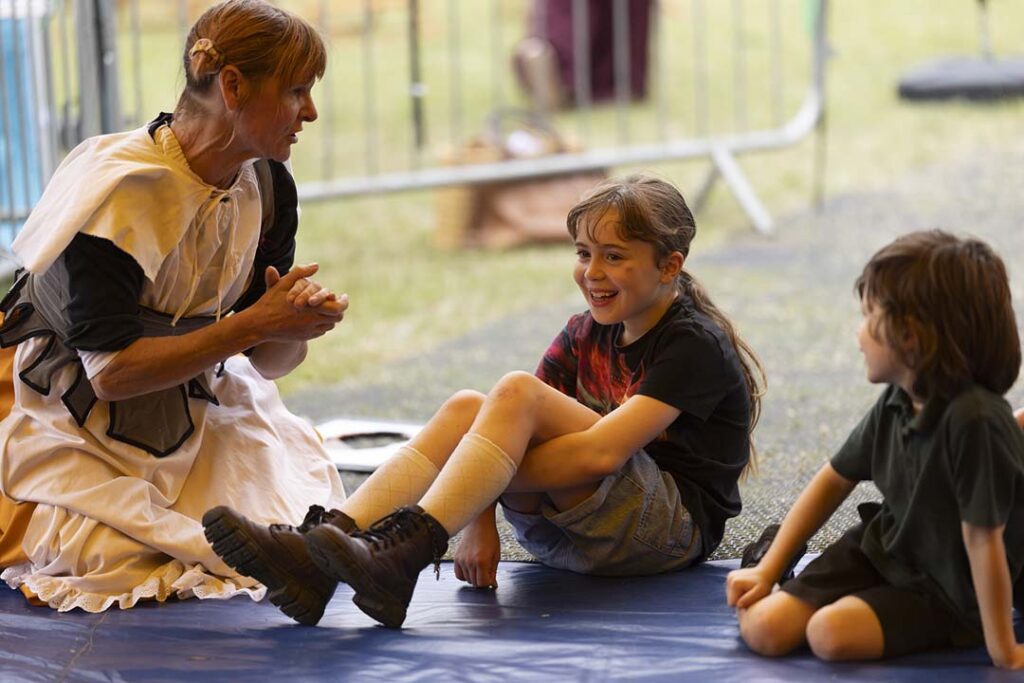
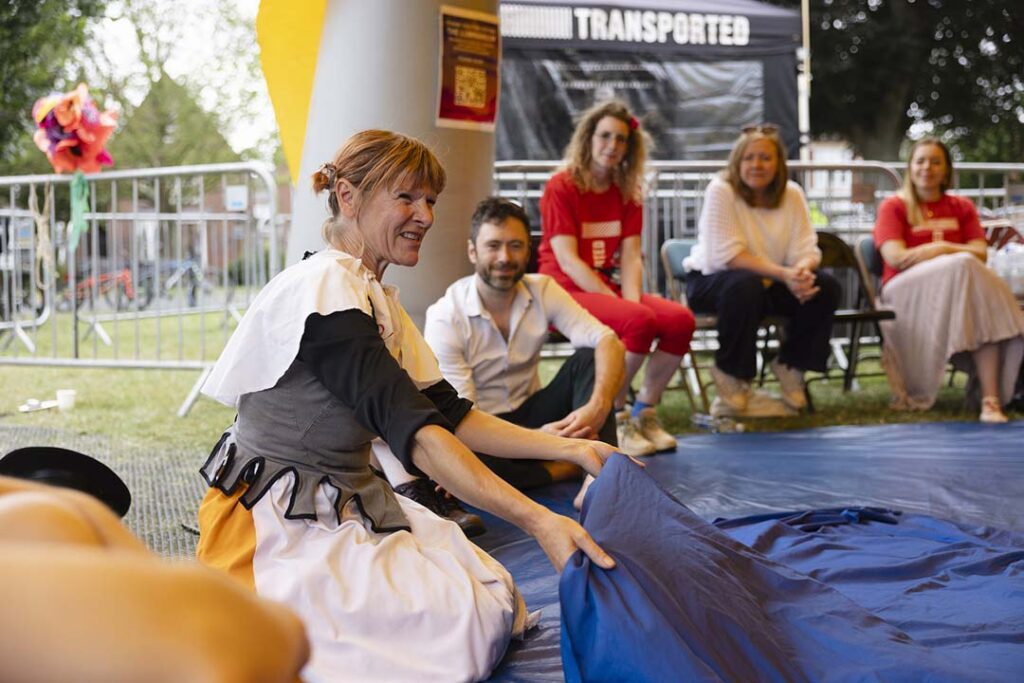
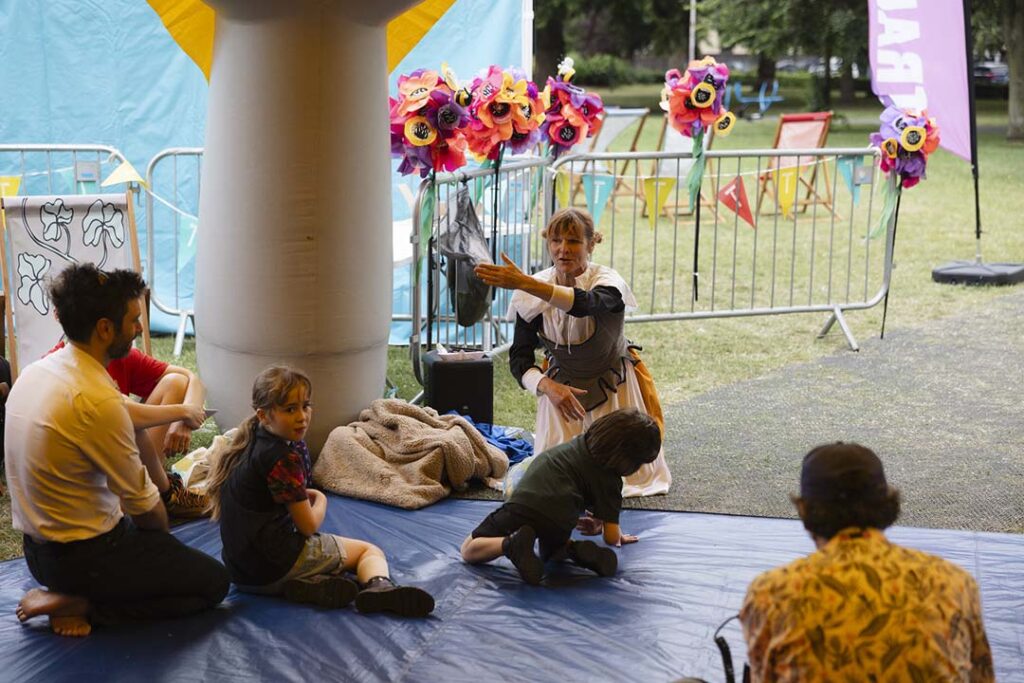
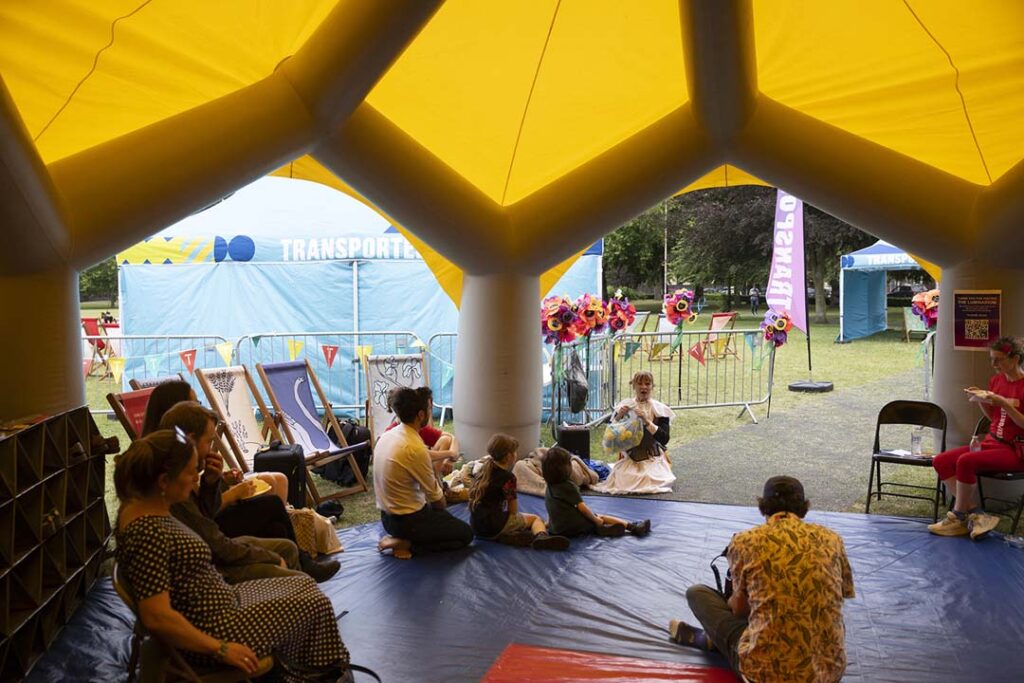
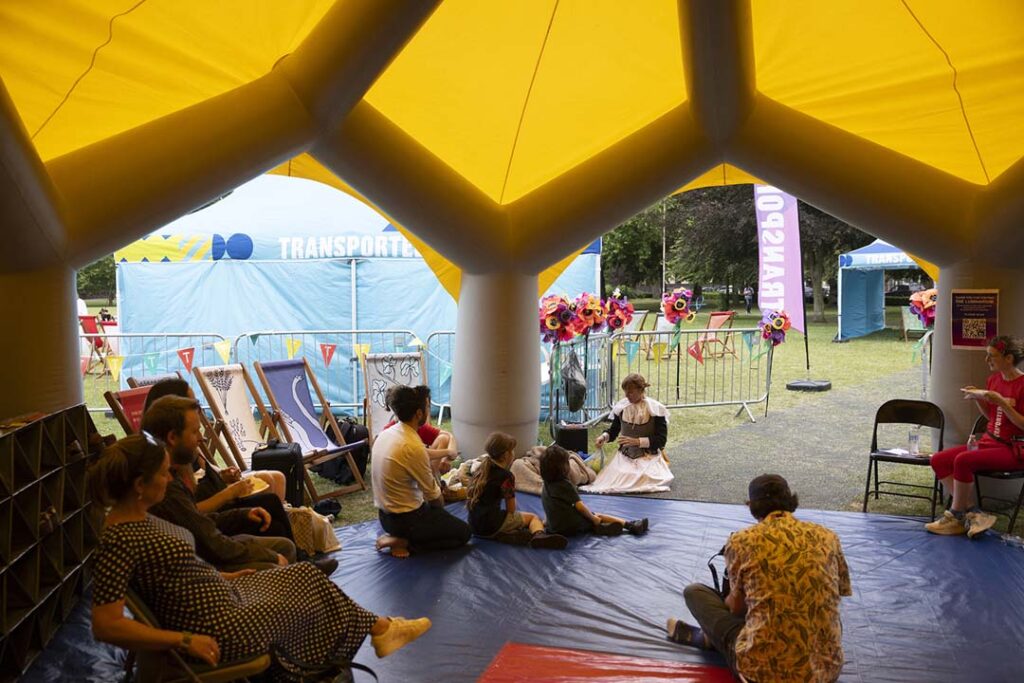
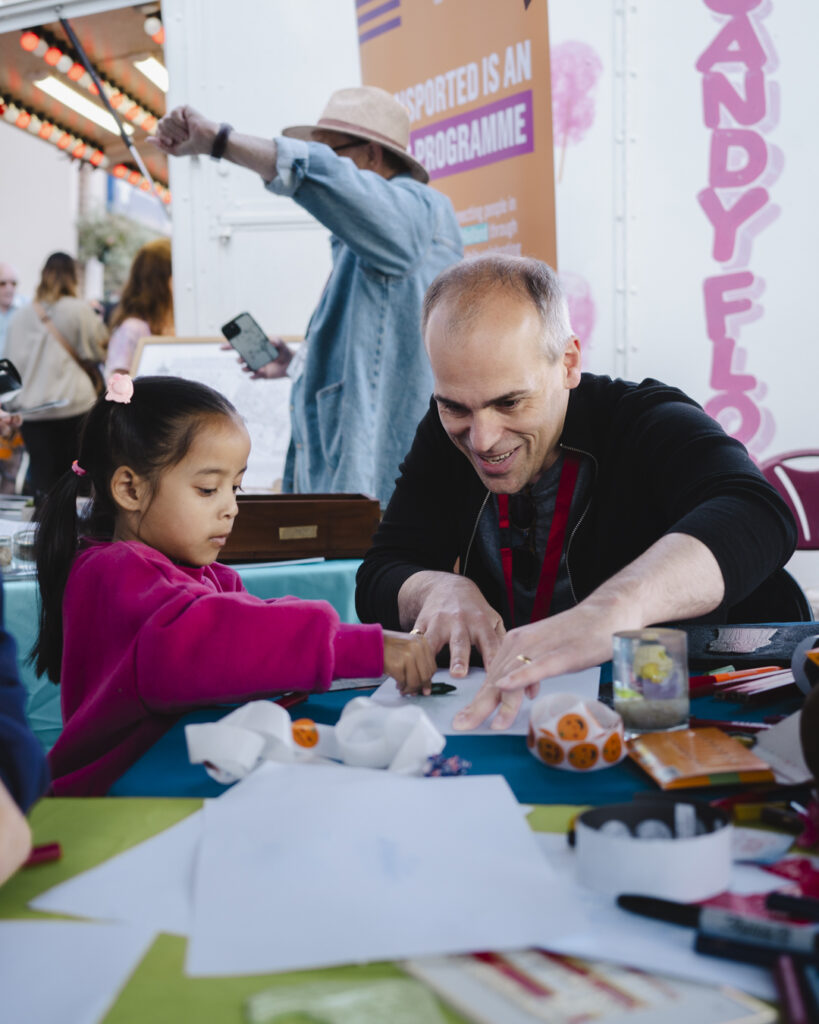
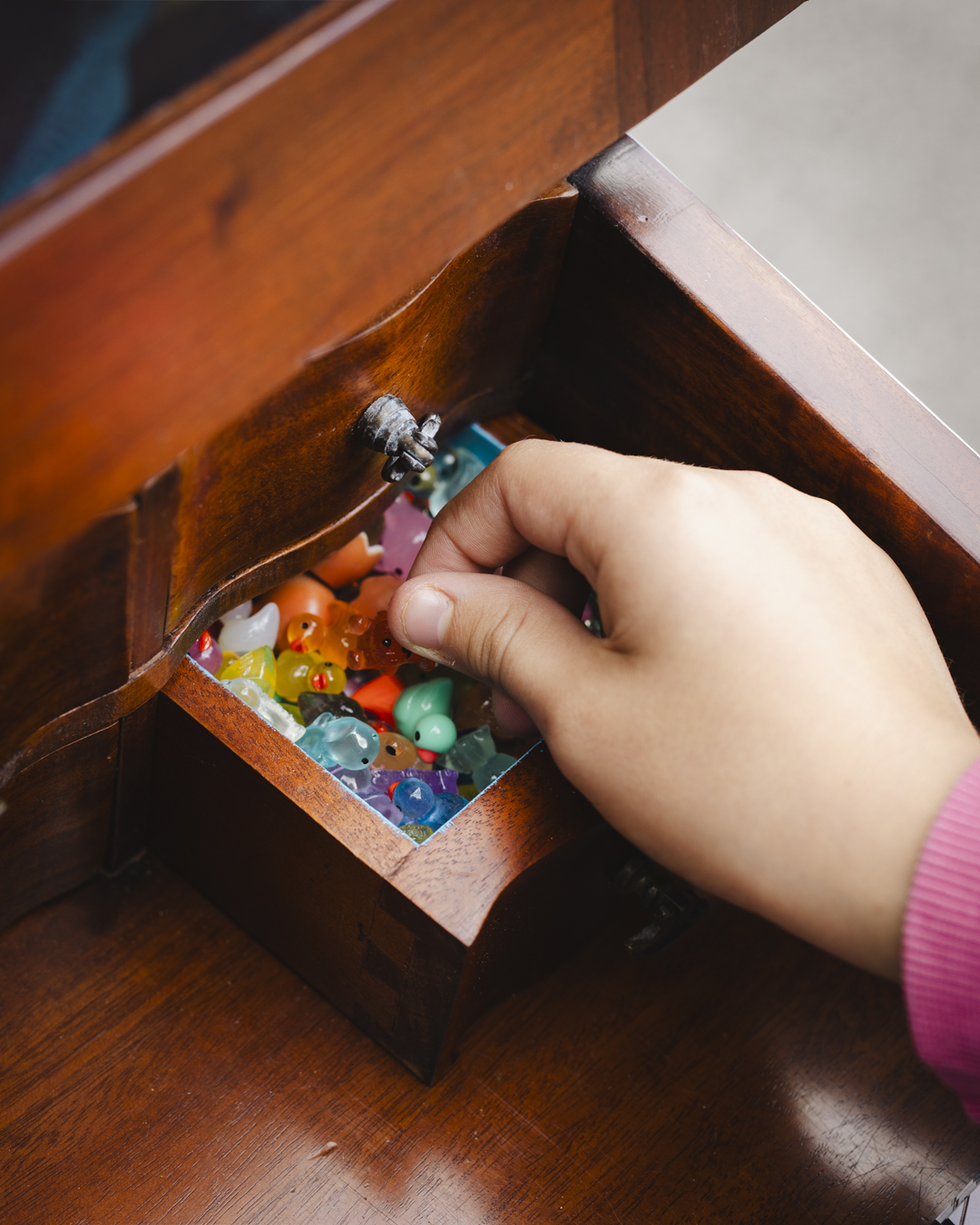
Visitors are invited to open drawers, uncover hidden treasures, discover fascinating artefacts, enjoy creative activities and contribute their own stories and memories along the way.
What Is a Cabinet of Curiosities?
These collections brought together artefacts from science, history, nature, art and everyday life, often without the categories we use today. They encouraged curiosity, sparked conversation and inspired people to learn more about the world around them.
Long before modern museums existed, collectors created what were known as Cabinets of Curiosities, or Wunderkammern (“wonder rooms”), to display unusual objects and discoveries from around the world.
The Cabinet of Curiosities project takes inspiration from this tradition while exploring the remarkable collections and stories held by Spalding Gentlemen’s Society, one of the oldest learned societies in the country.
Bringing History to Life
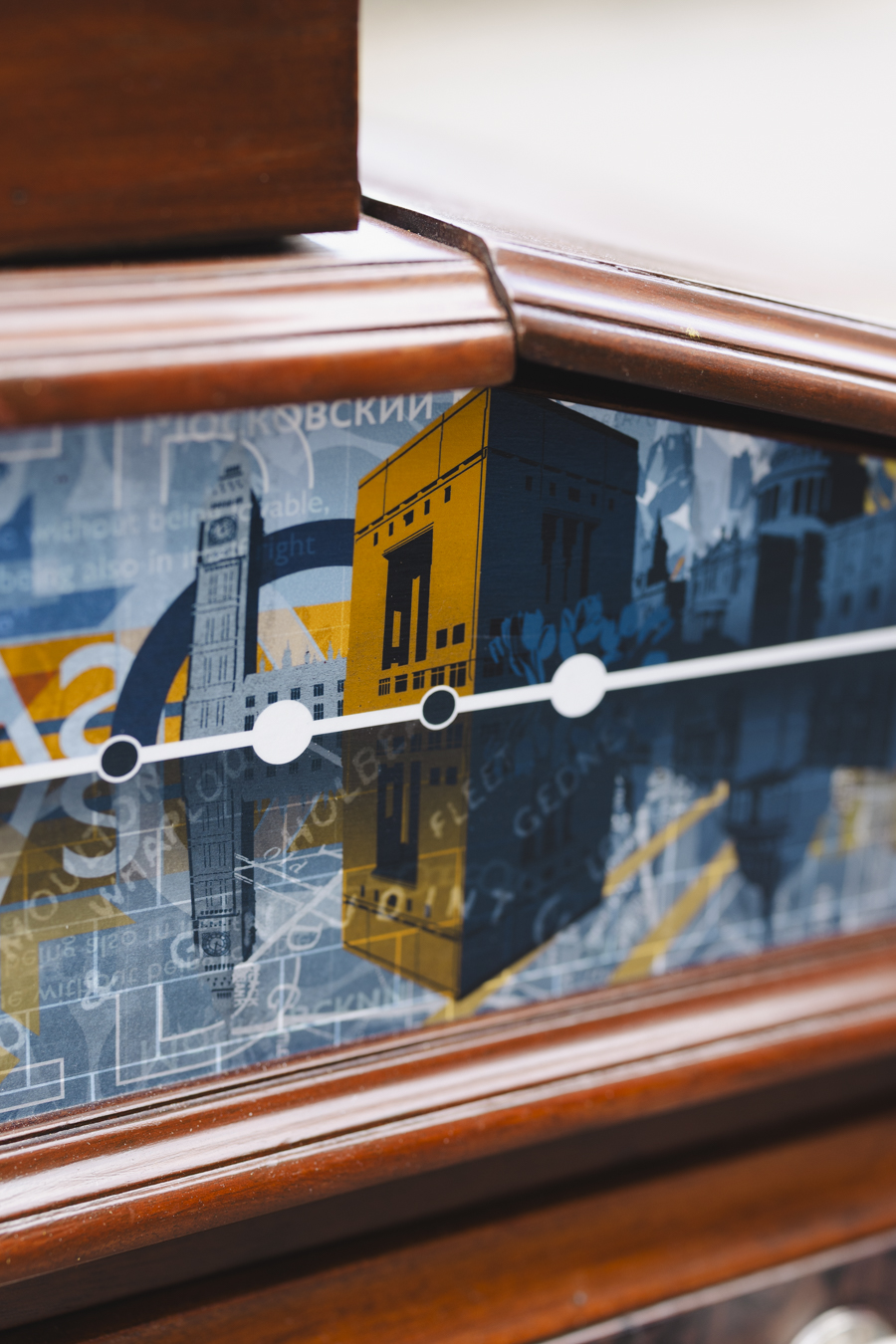
Created from a transformed antique Davenport desk, the Cabinet has been carefully designed as a travelling miniature museum.
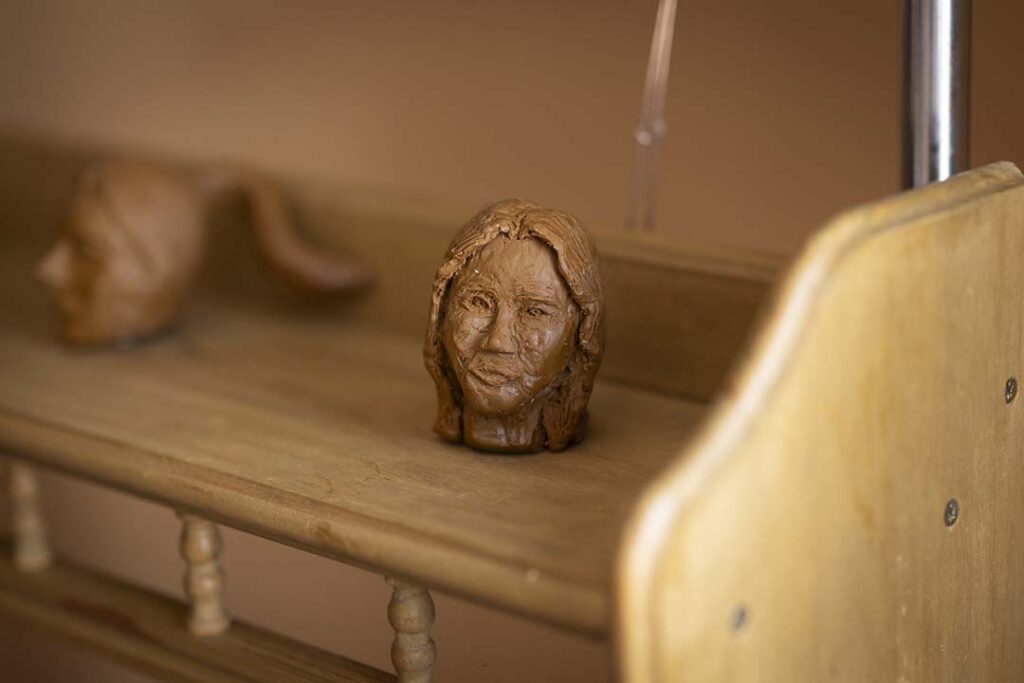
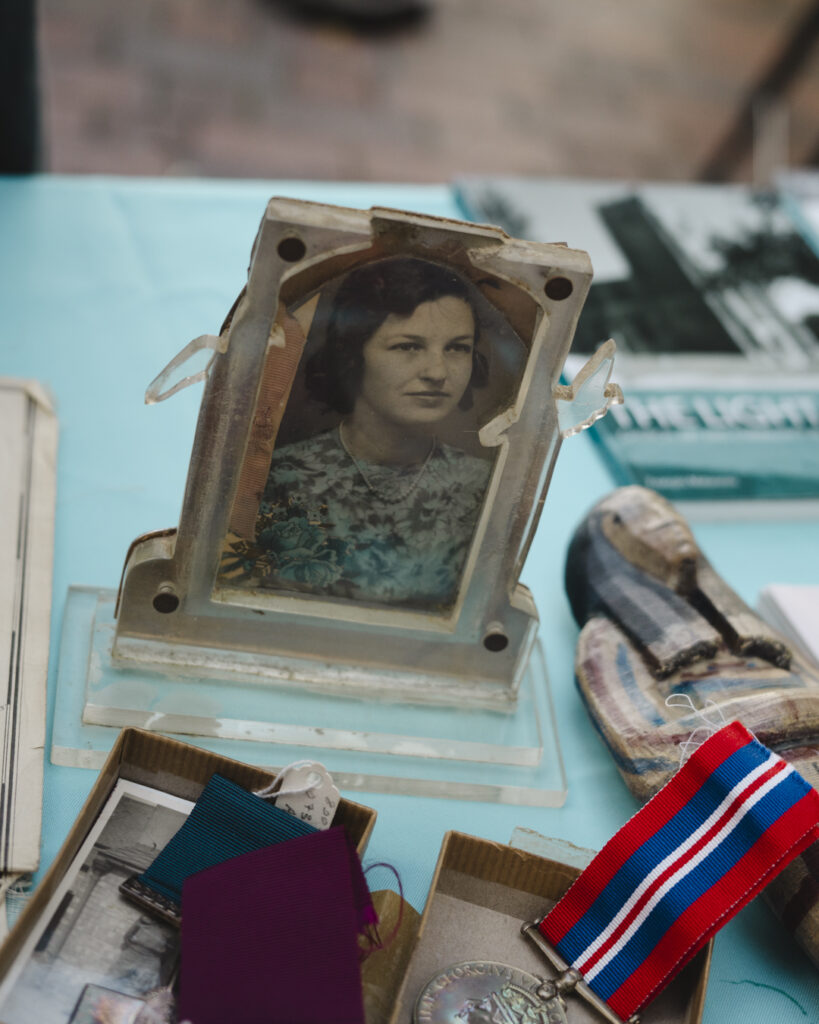
Inside, visitors will discover themed drawers containing curious objects, heritage-inspired artworks and interactive experiences inspired by the collections of Spalding Gentlemen’s Society and the history of South Holland.
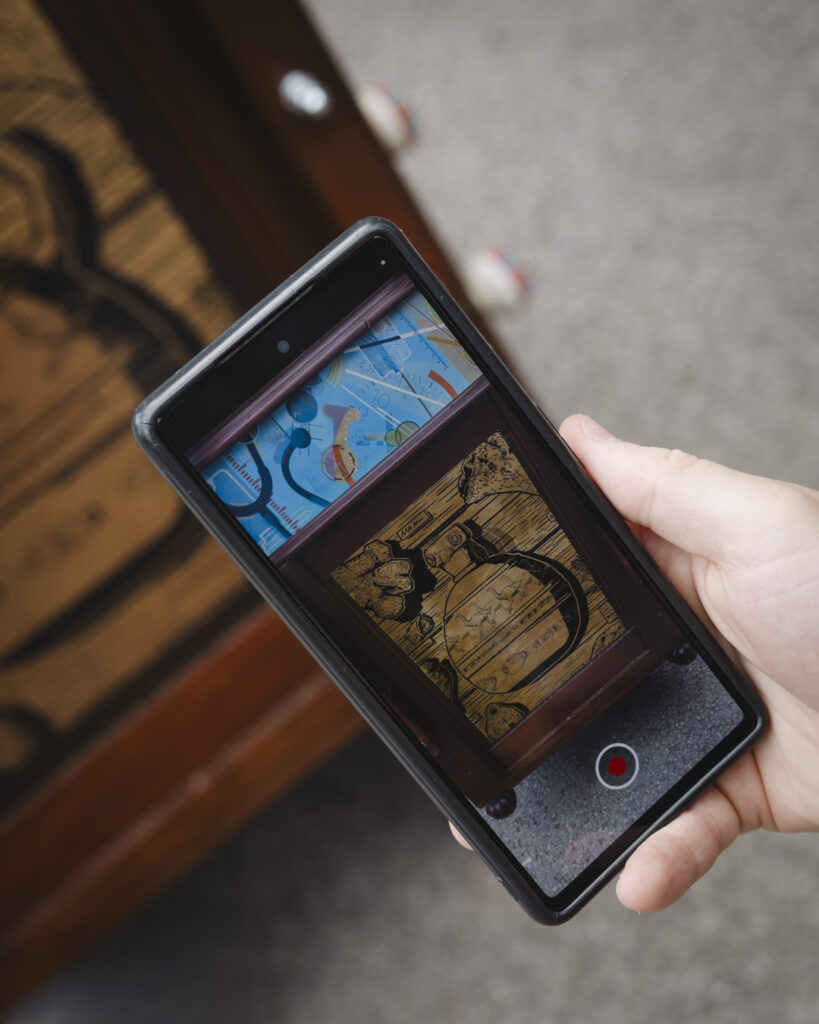
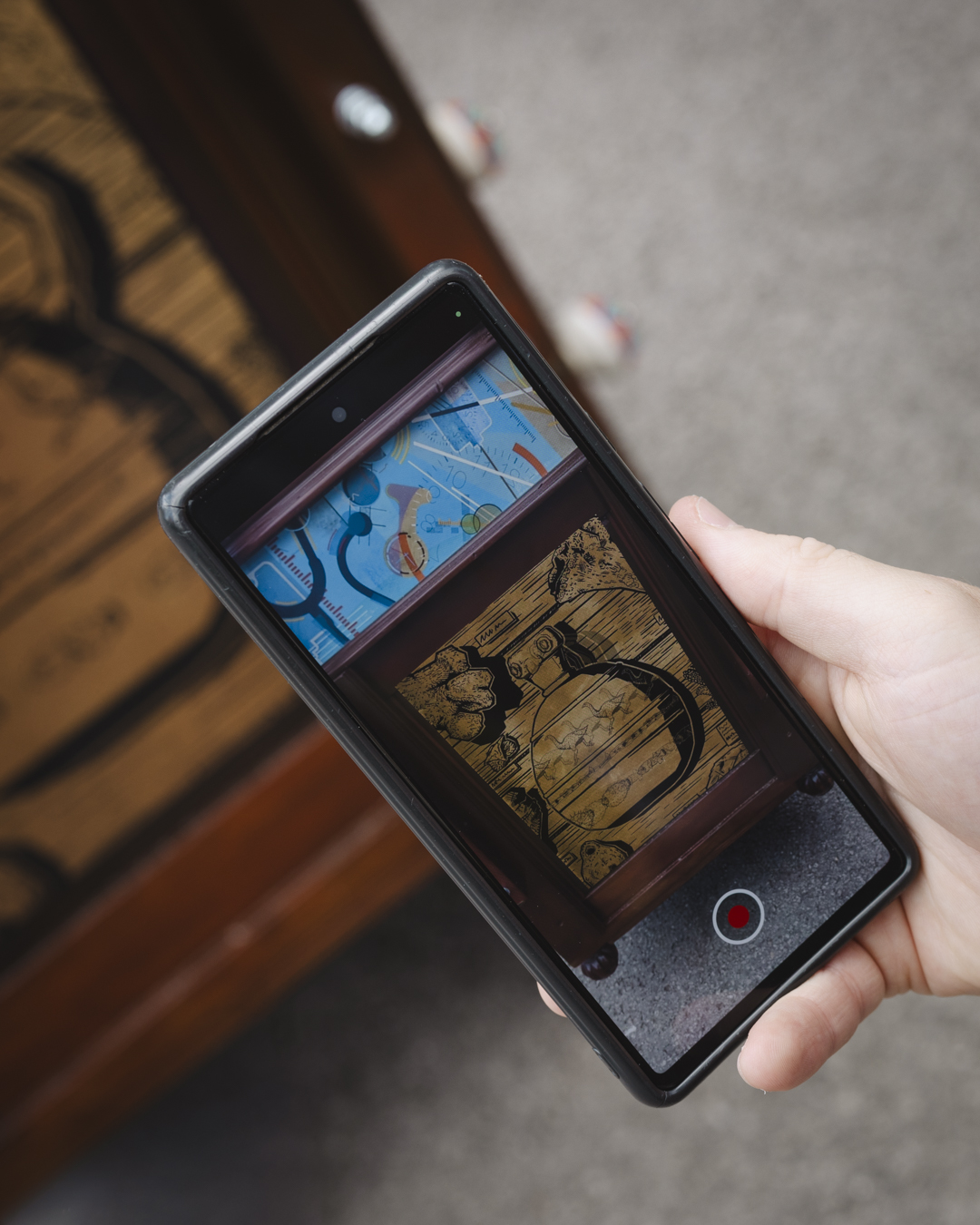
Many of the Cabinet’s contents draw inspiration from ARTeFACT, the augmented reality public art trail developed by Electric Egg, Transported and Spalding Gentlemen’s Society. By scanning selected elements with a smartphone, visitors can reveal additional digital artworks and animations that bring stories and collections to life in unexpected ways.
The project aims to make local heritage more accessible, encouraging people to explore, question and connect with the history on their doorstep.
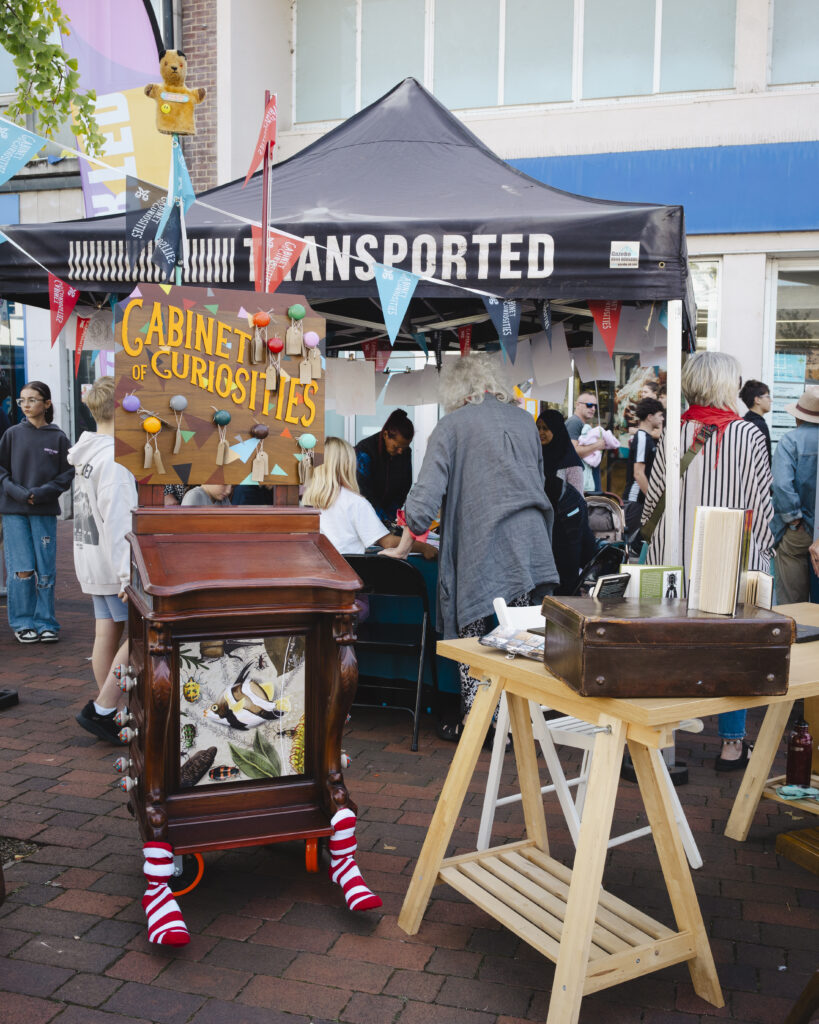
Explore, Create and Contribute
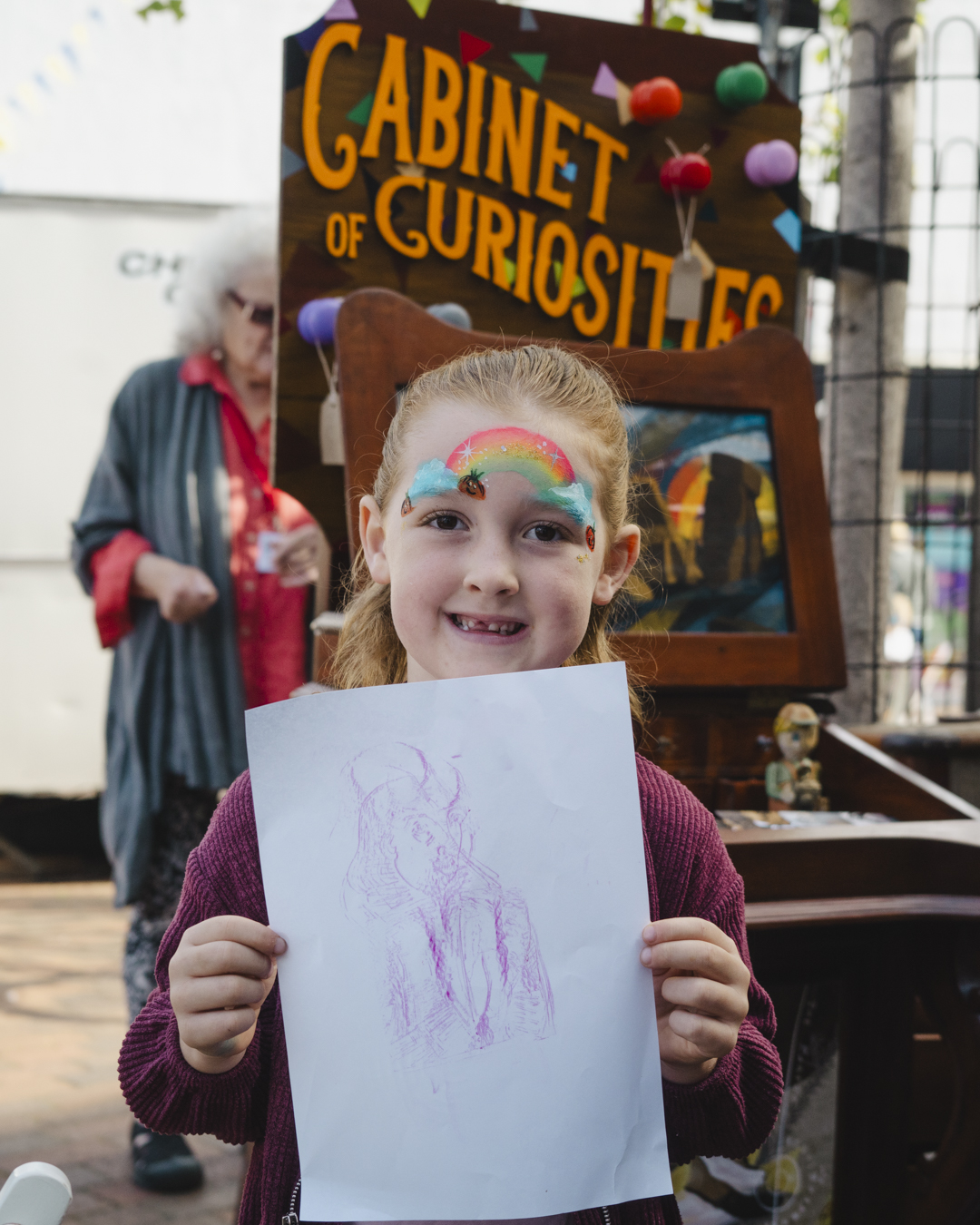

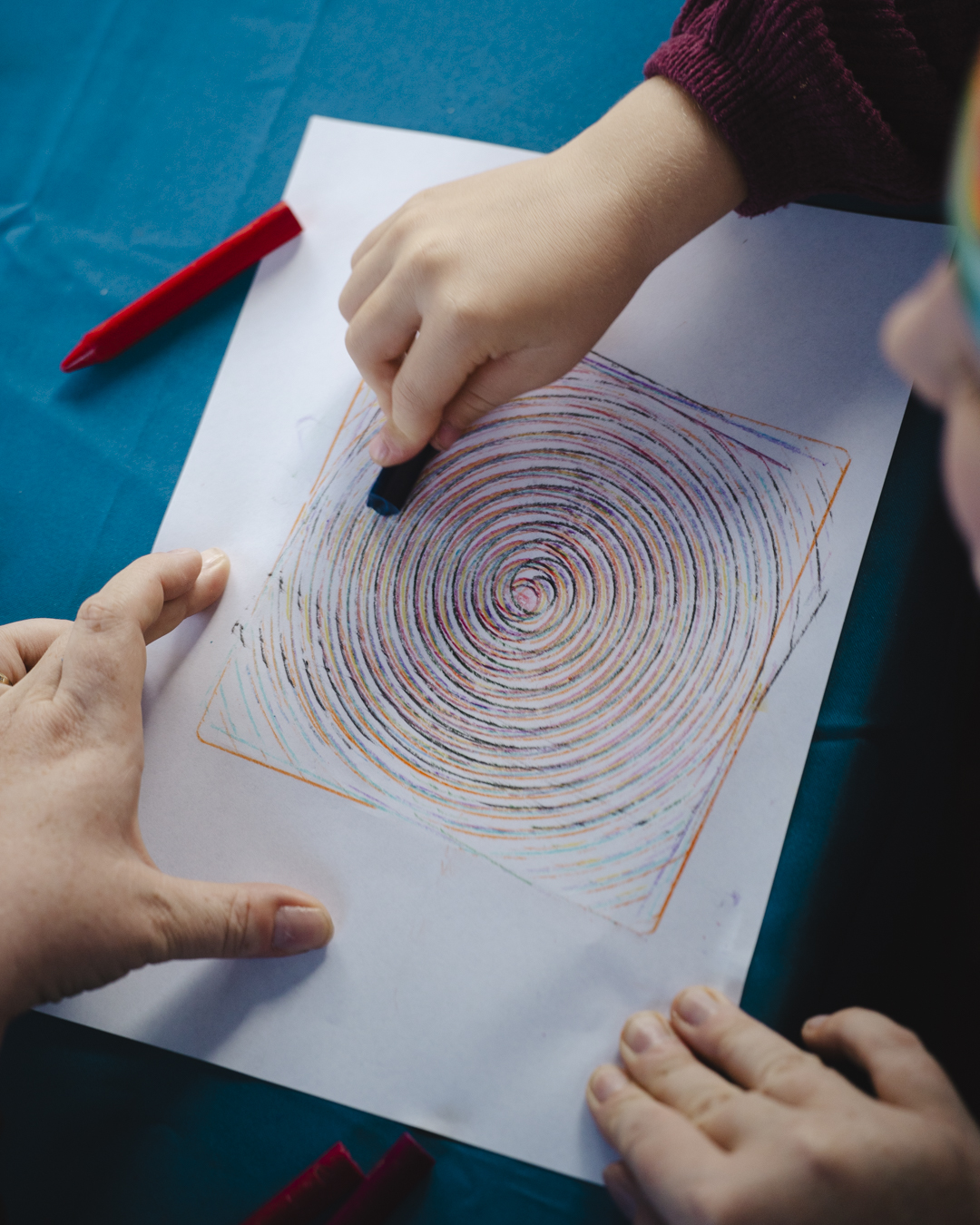
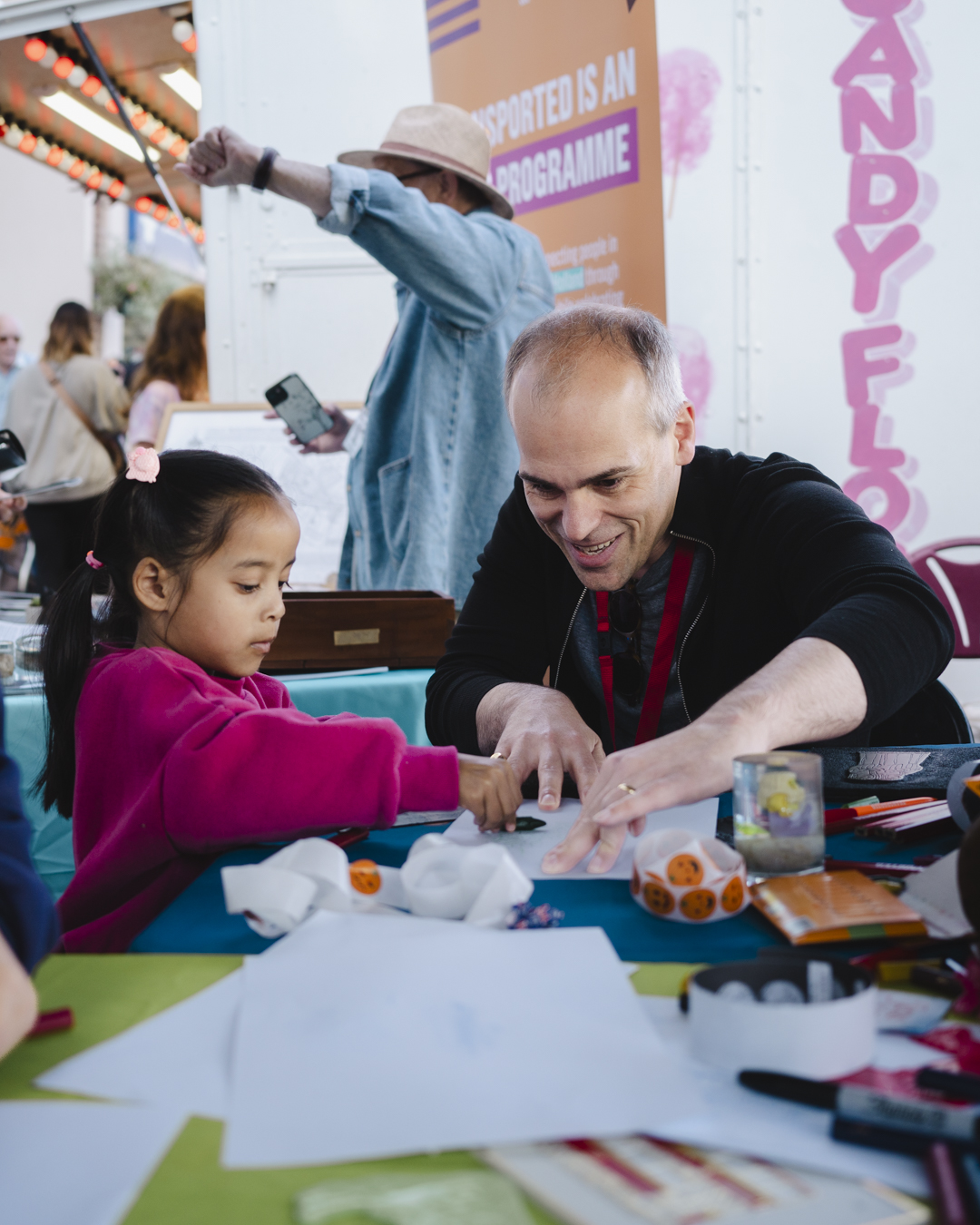
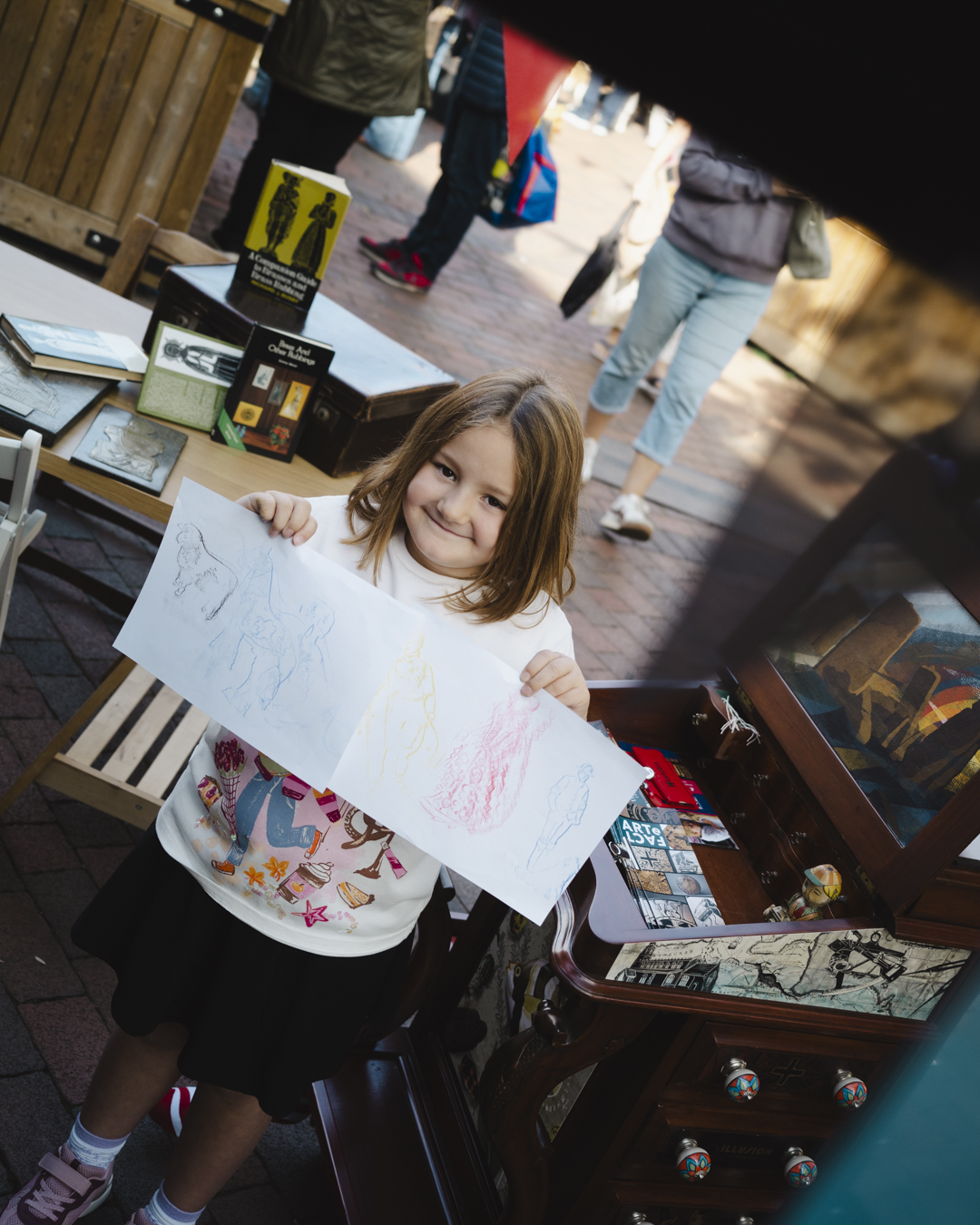
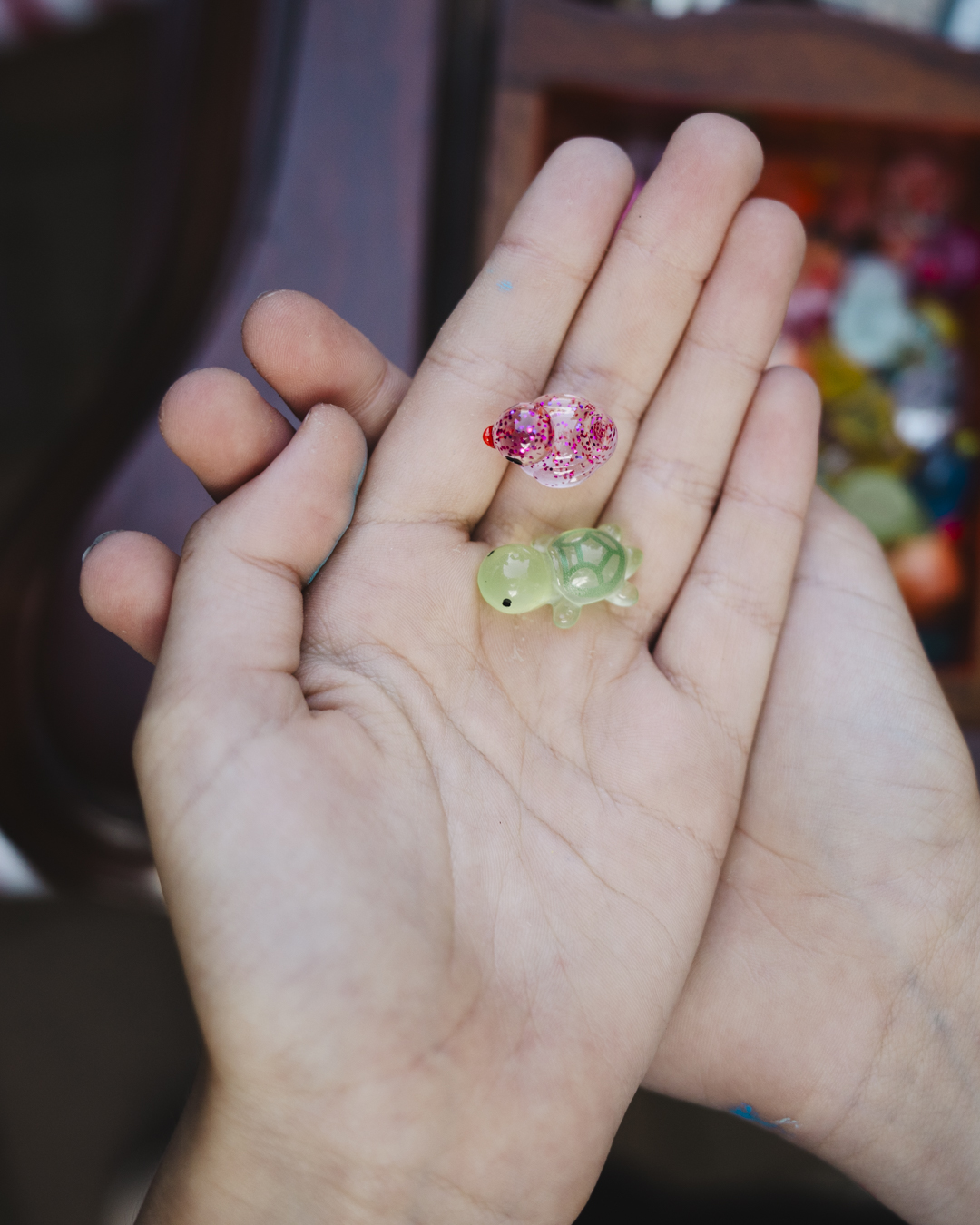
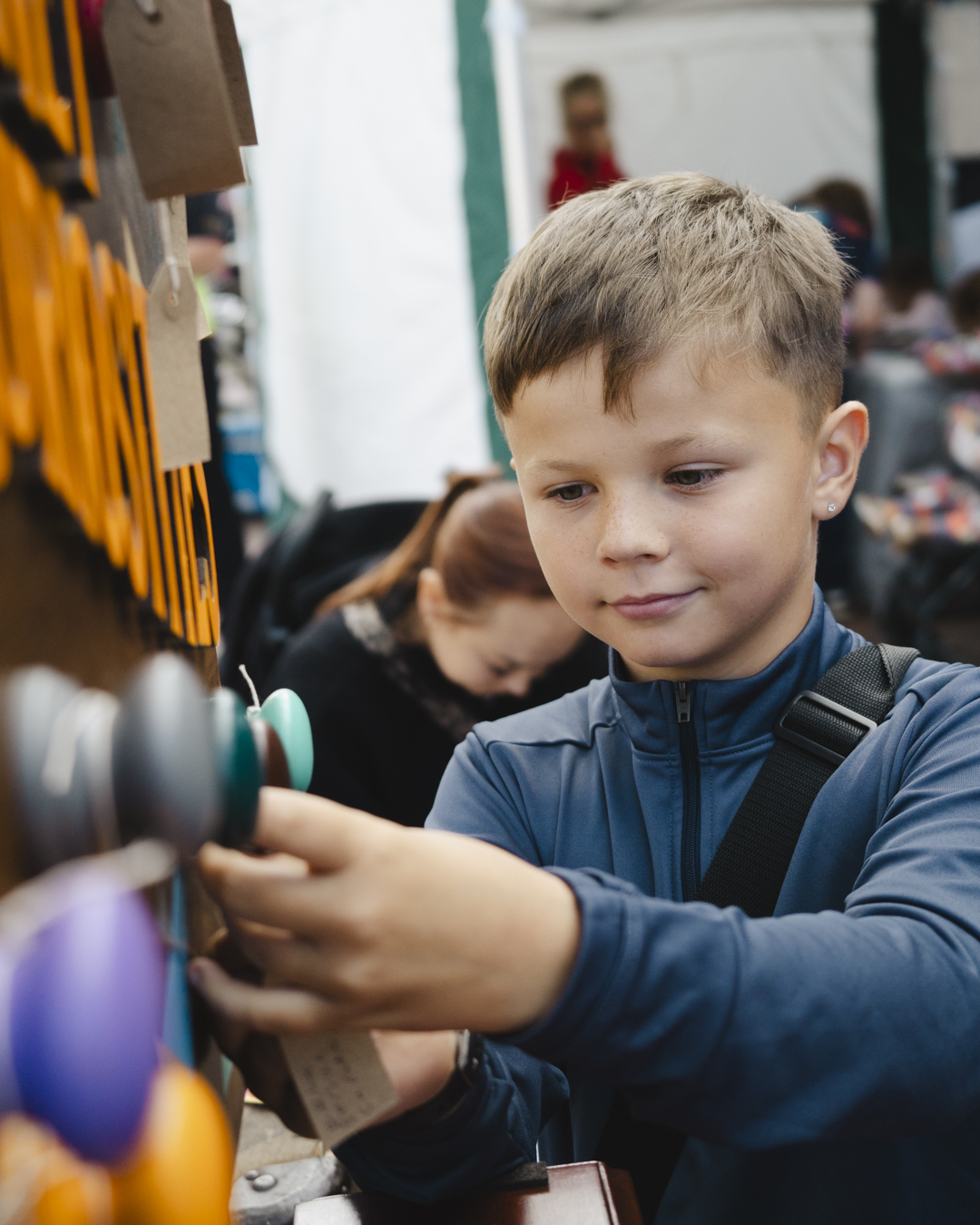
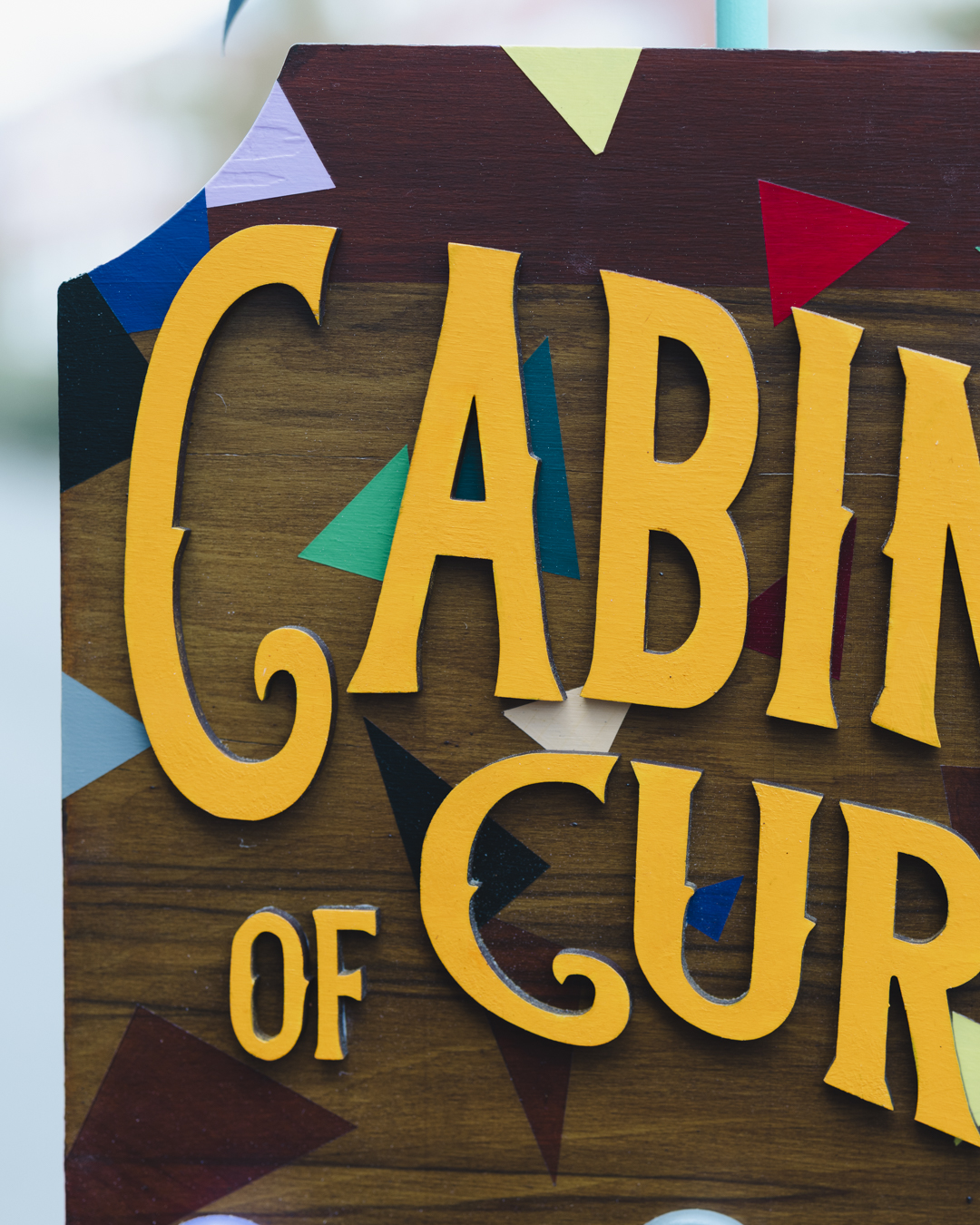



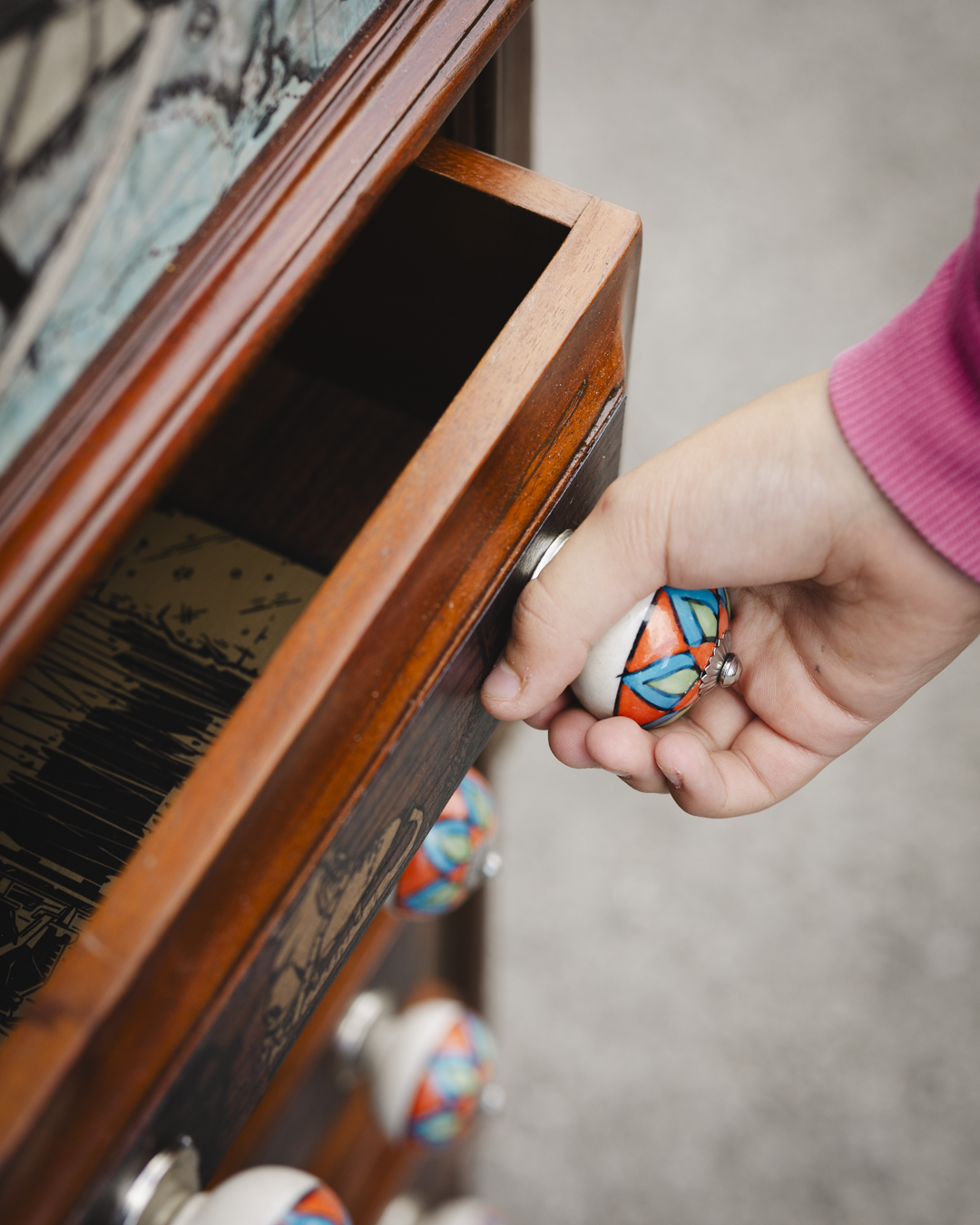
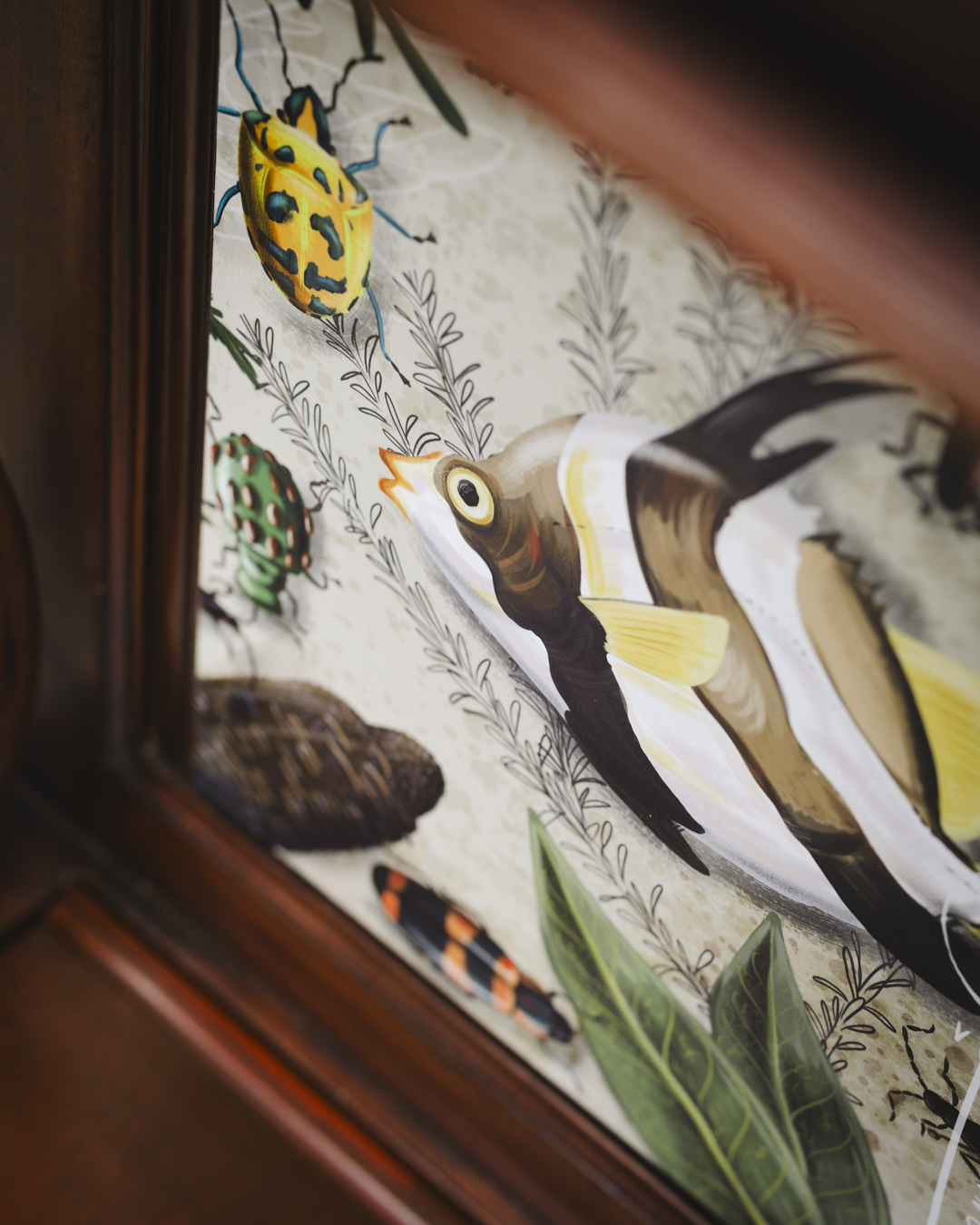

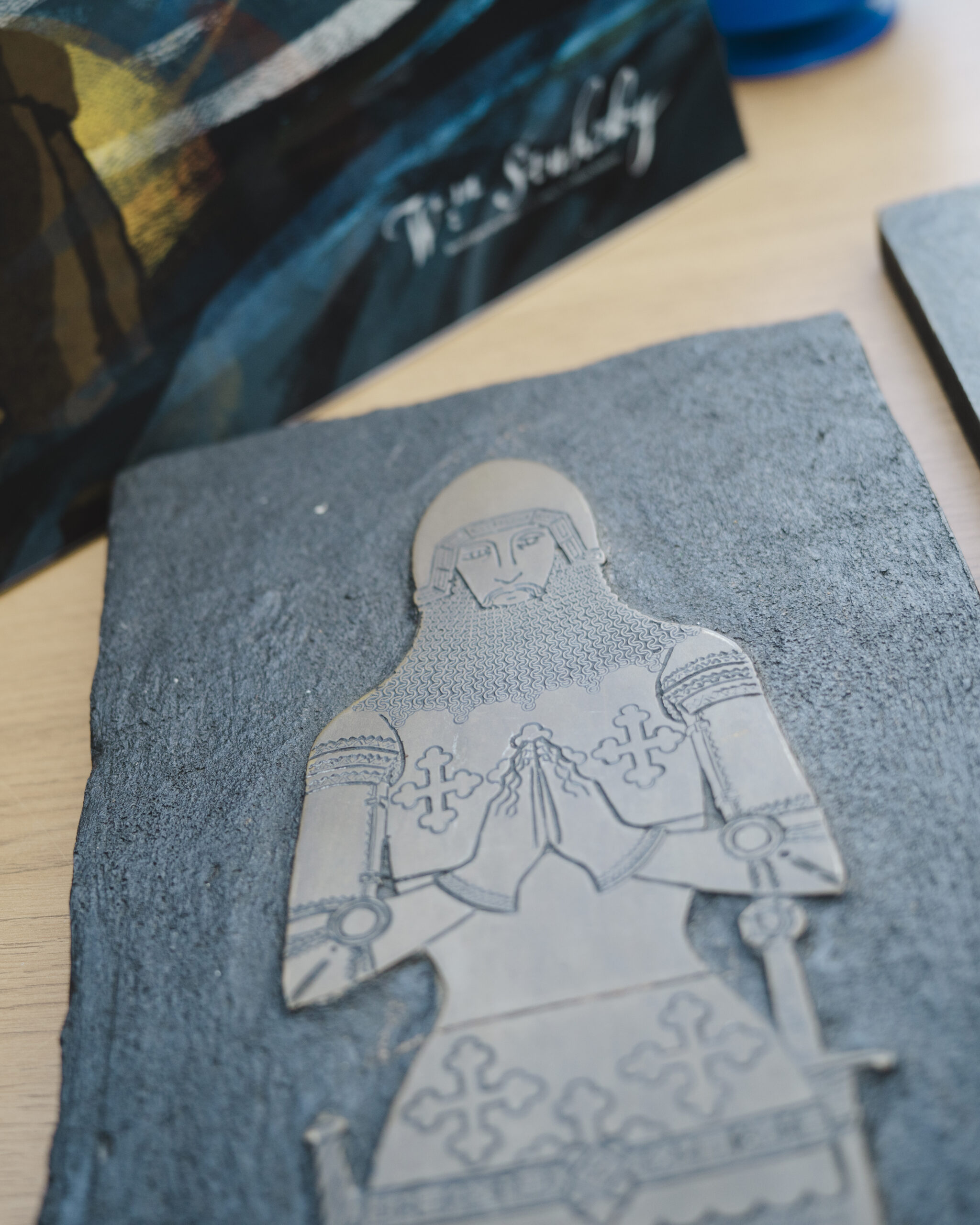
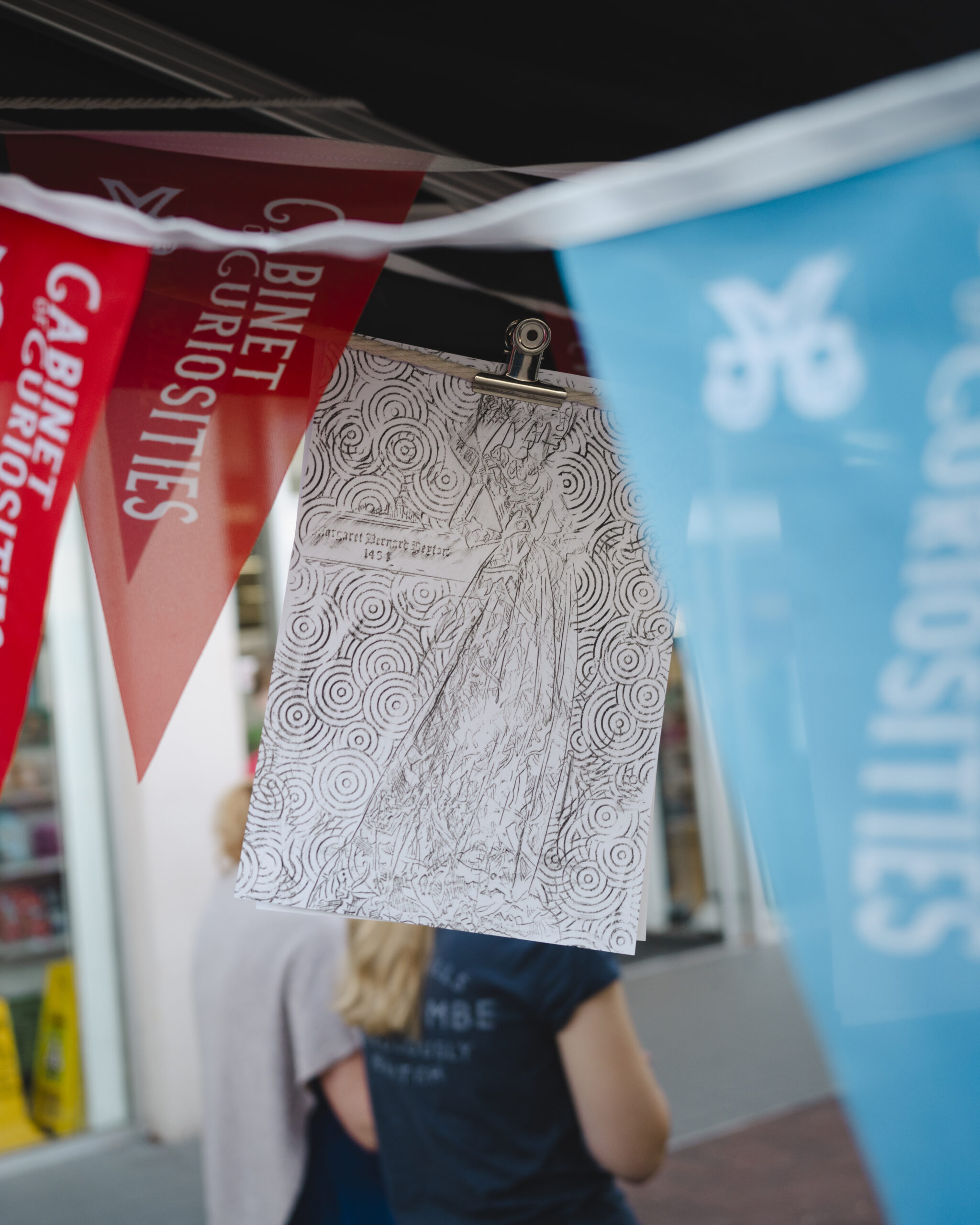
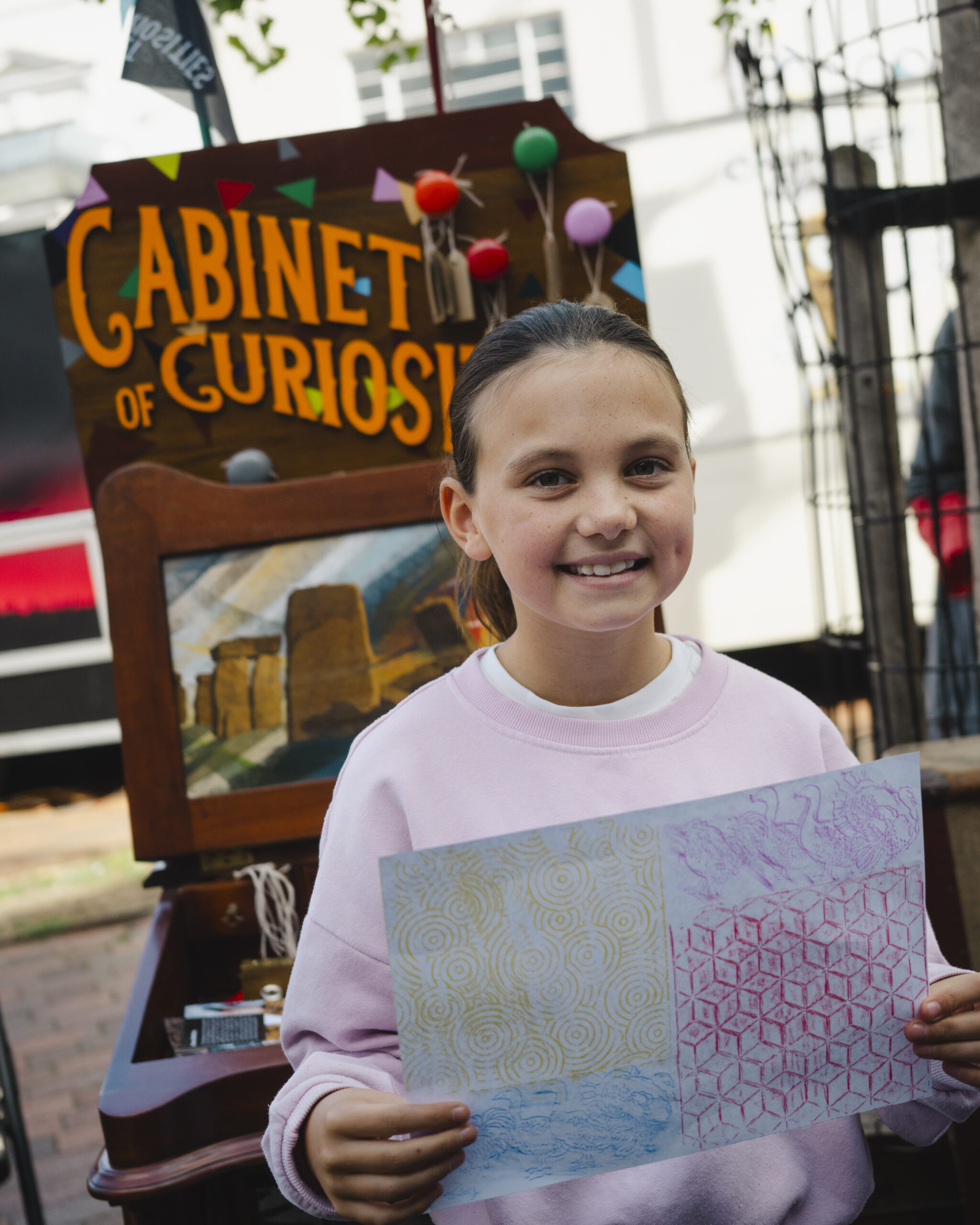
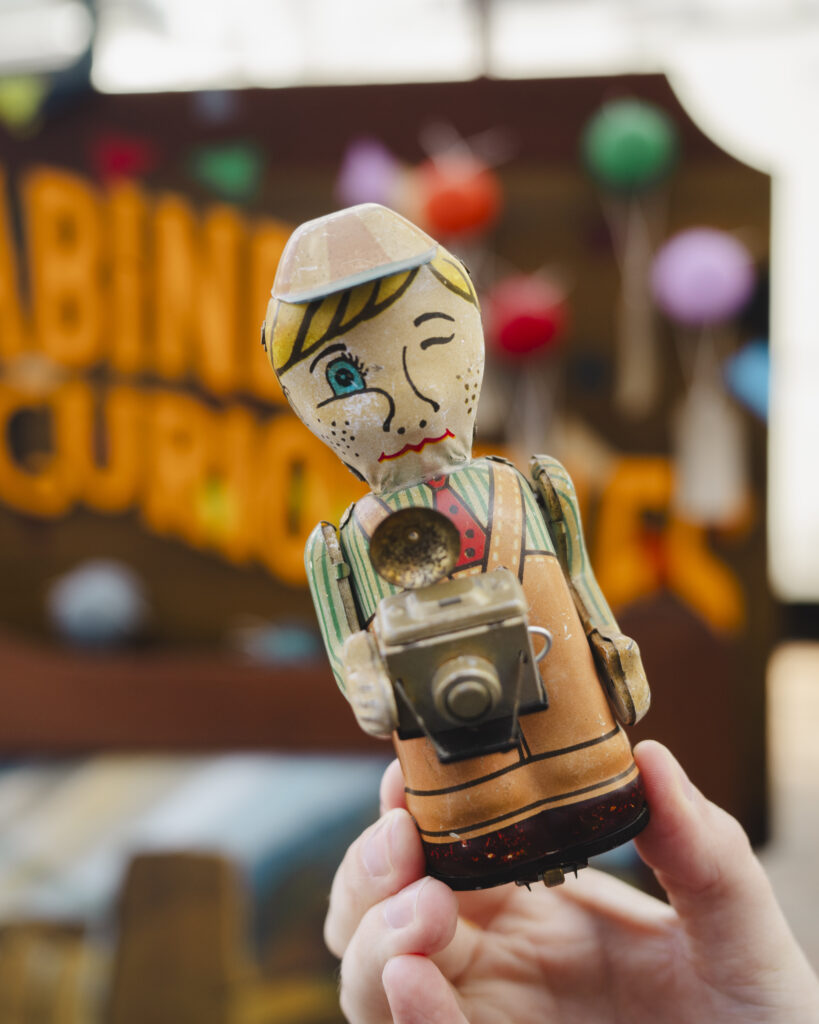
The Cabinet is designed to be explored, opened and interacted with.
Alongside discovering its many treasures, visitors may have opportunities to:
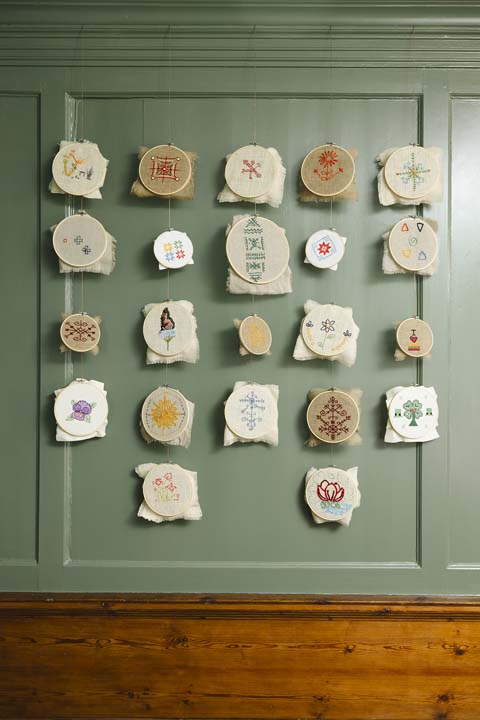
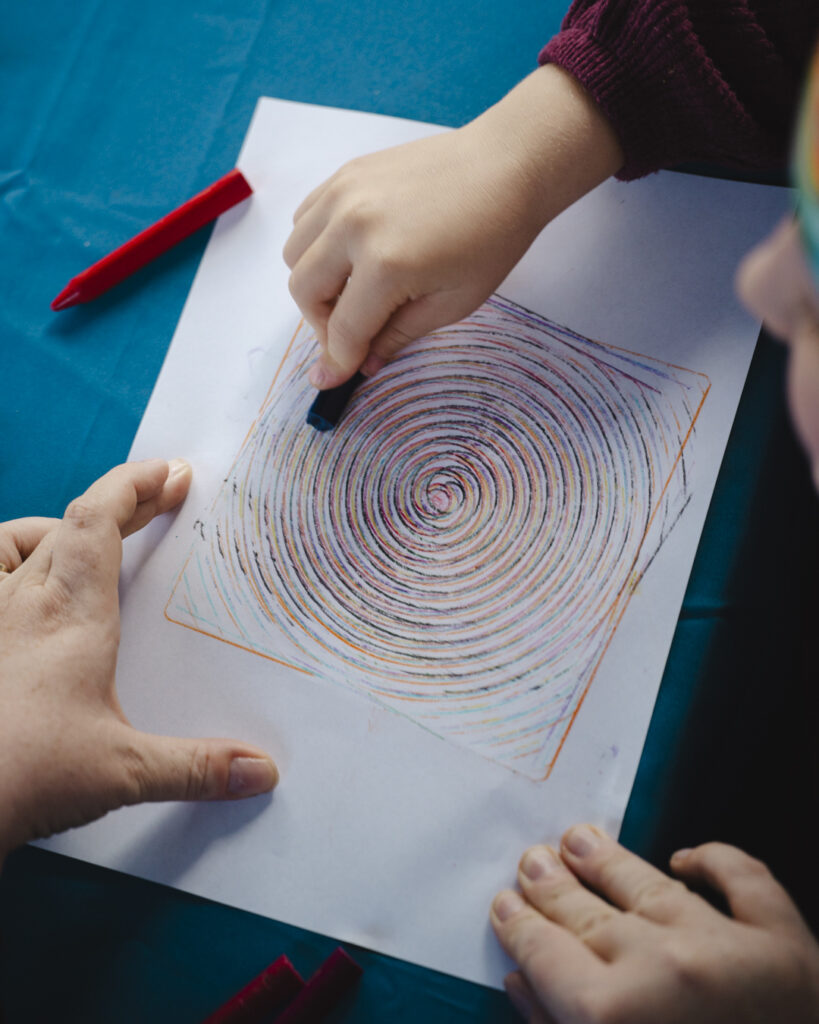
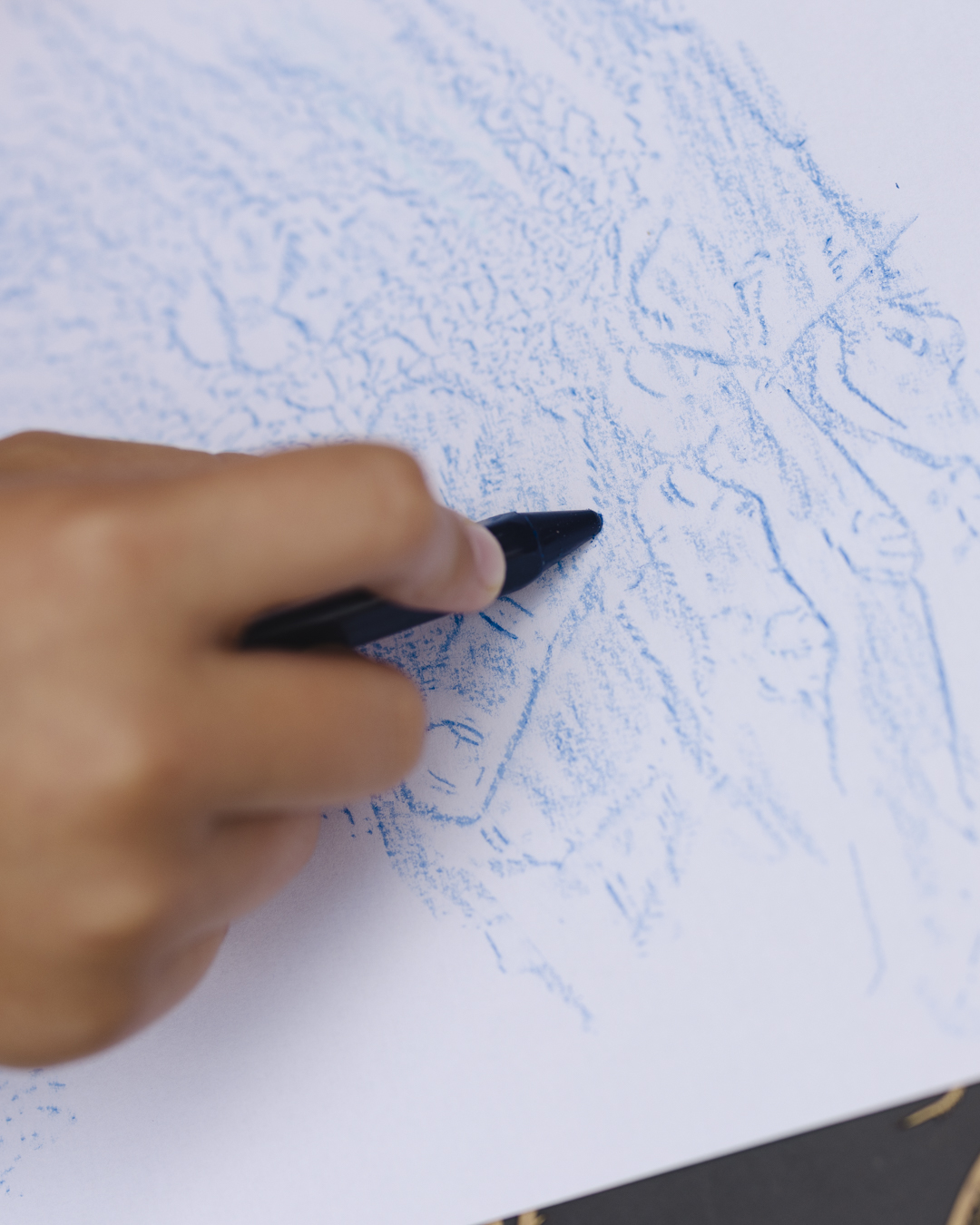
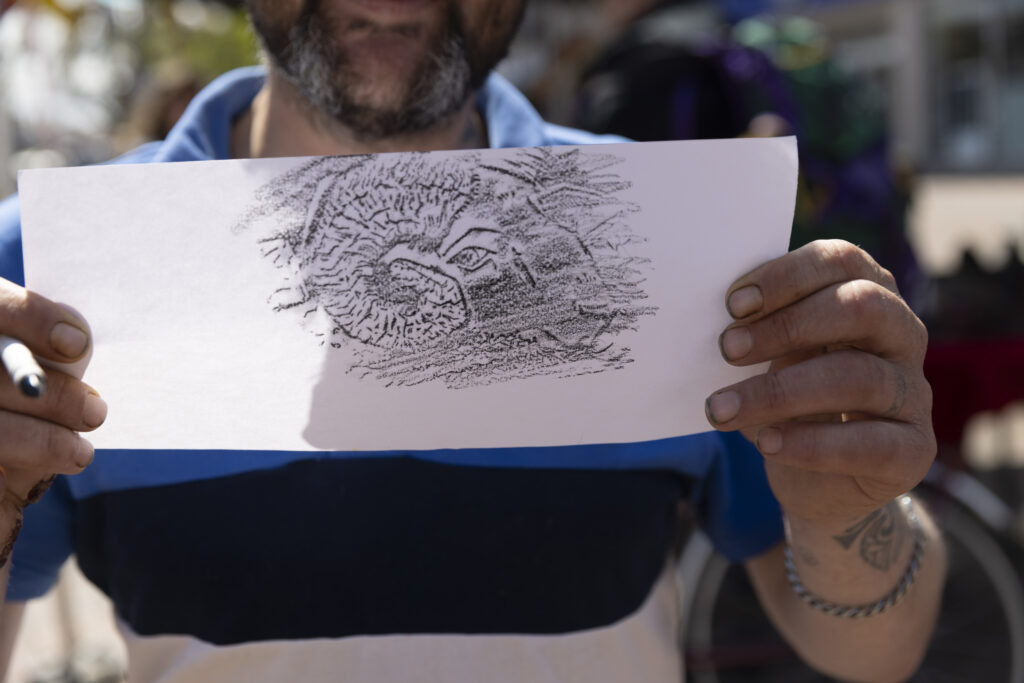
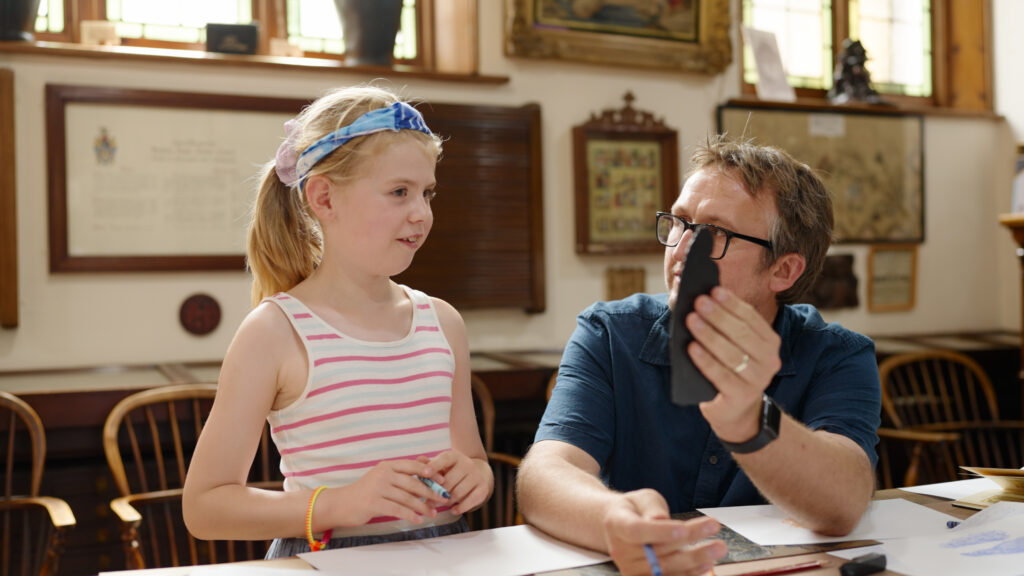
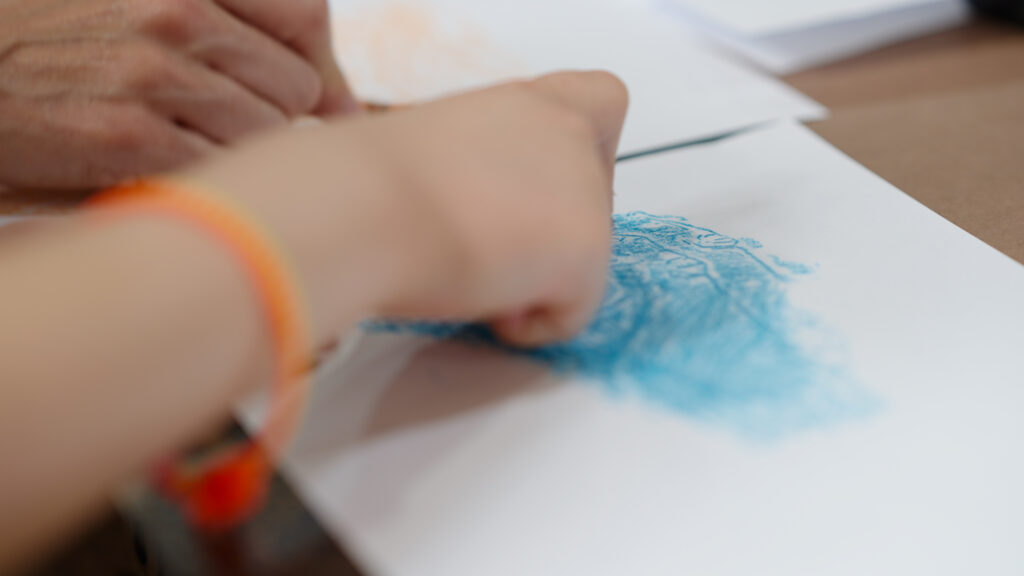
- Create brass rubbings inspired by decorative plaques and local heritage
- Make their own zoetrope and learn about early animation techniques
- Explore themed collections and unusual artefacts
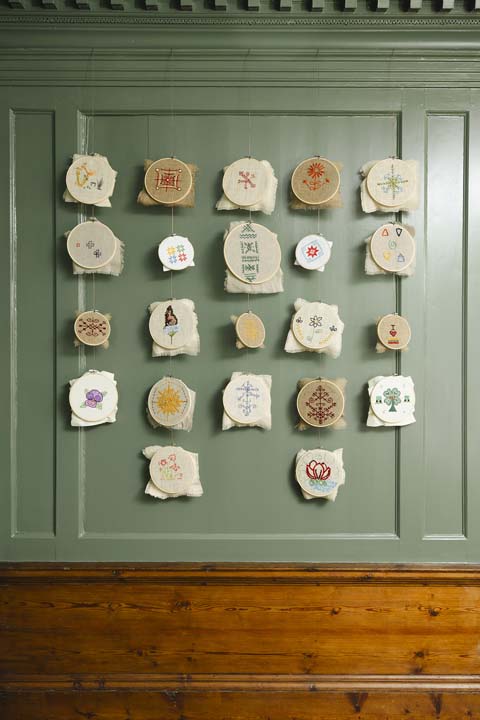
- Discover artwork inspired by South Holland’s heritage
- Share memories and stories about treasured personal objects
- Reflect on what they would choose to preserve for future generations
At the heart of the project is a simple question:
If you could place one object in a museum to tell your story, what would it be?
The answers reveal personal histories, memories and connections that are just as important as the objects found in museum collections.
A Creative Partnership
The Cabinet of Curiosities was developed through a partnership between Transported, Spalding Gentlemen’s Society and artist Steven Hatton of Electric Egg.
The project explores how creativity can help people connect with heritage in meaningful and enjoyable ways. Through hands-on activities, storytelling and playful interaction, the Cabinet encourages visitors to engage with history beyond traditional museum displays.
The project also helps build awareness of the collections held by Spalding Gentlemen’s Society and aims to inspire future visits when the museum reopens following its renovation programme.
Creating the Cabinet
Want to discover more about the inspiration, design process and creative thinking behind the project? Read the behind-the-scenes blog from Spalding Gentlemen's Society. The feature includes an interview with artist Steven Hatton discussing the Cabinet's development, the influence of the Society's collections, and the importance of making heritage engaging, accessible and interactive.
Read here
Where to Find the Cabinet
The Cabinet of Curiosities will continue touring South Lincolnshire until January 2027, appearing at festivals, community events, museums and visitor attractions.
To find out where the Cabinet will be appearing next, visit our events page.
Project Partners & Supporters
The Cabinet of Curiosities was created by Steven Hatton (Electric Egg) in collaboration with Transported and Spalding Gentlemen’s Society.
The project is made possible through SoundLincs’ Future of the Past project, funded by The National Lottery Heritage Fund, thanks to National Lottery players.
Additional support comes from Transported, part of Arts Council England’s Creative People and Places programme, funded by the National Lottery.
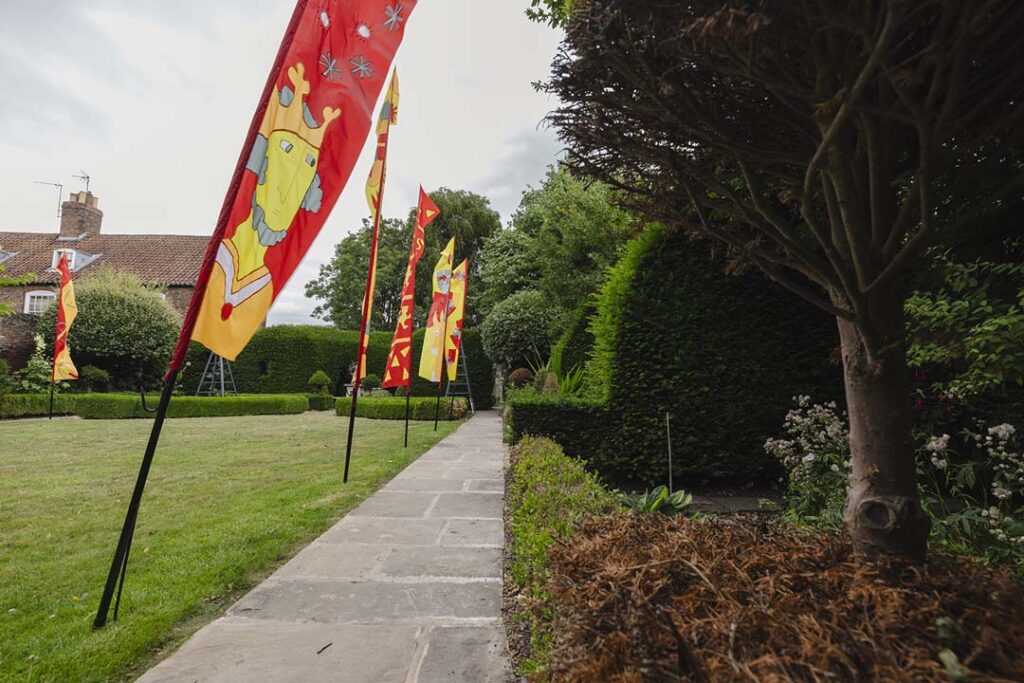
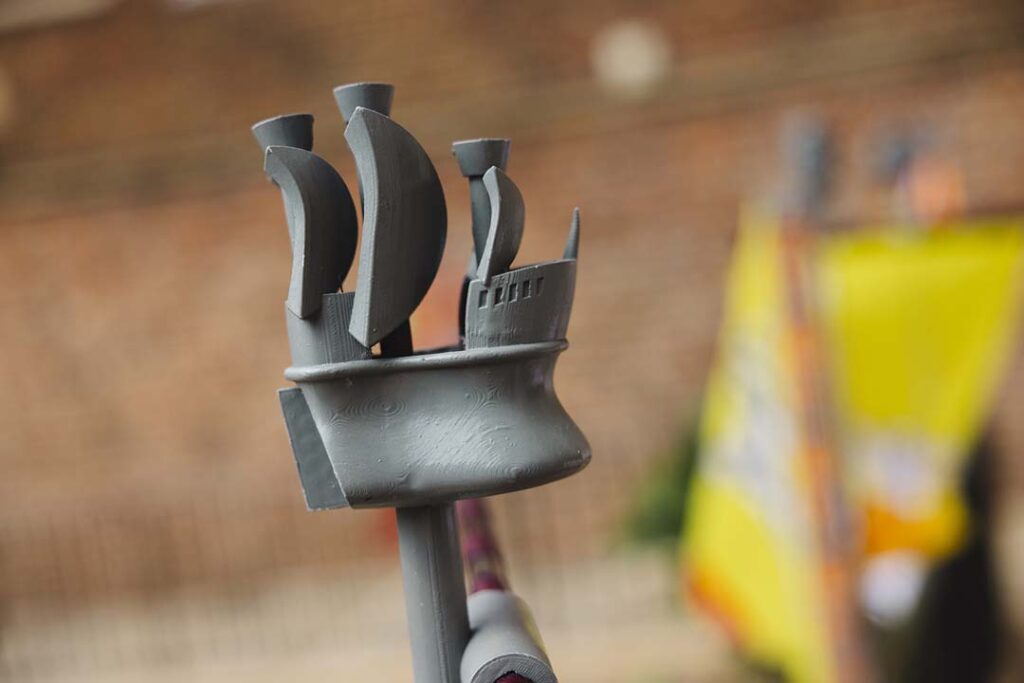
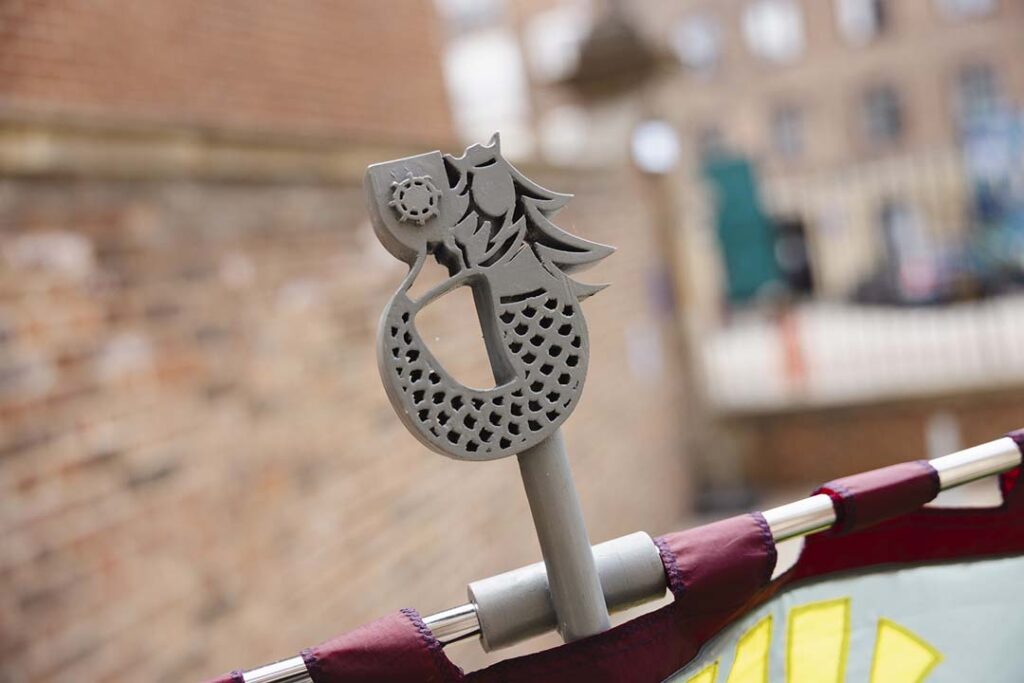
Creating Lincolnshire-Inspired Flags for Boston’s Historic Tour Visit
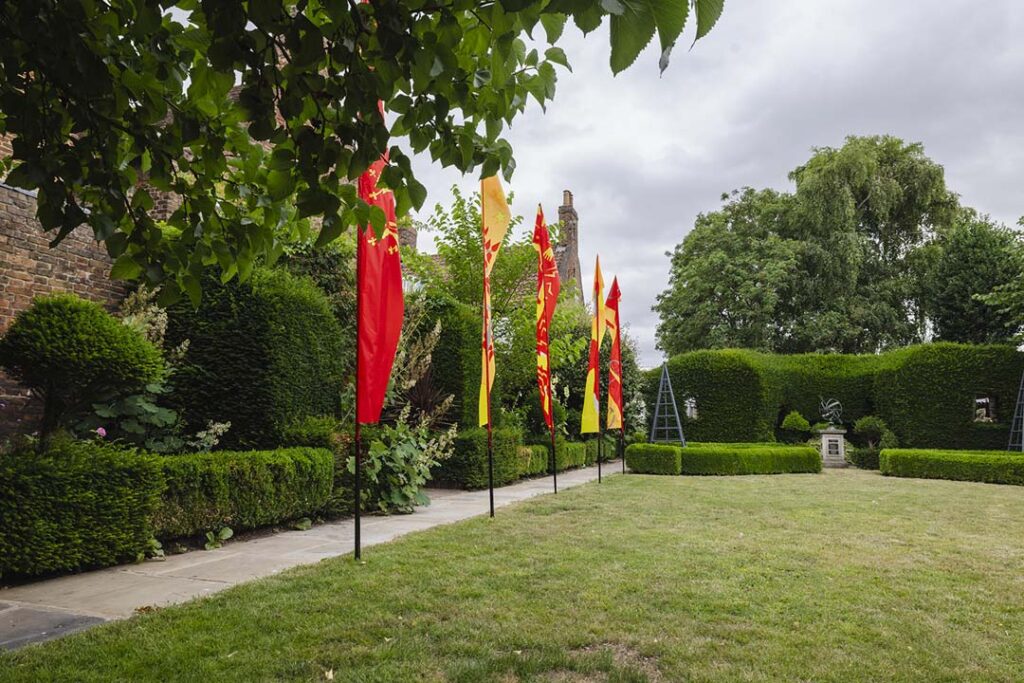
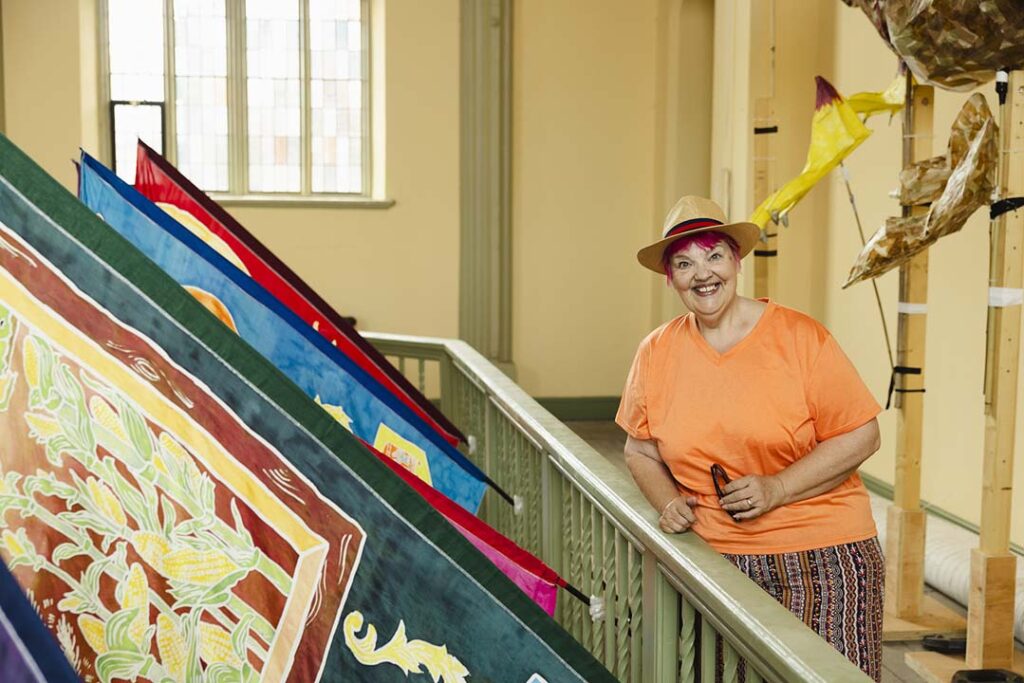
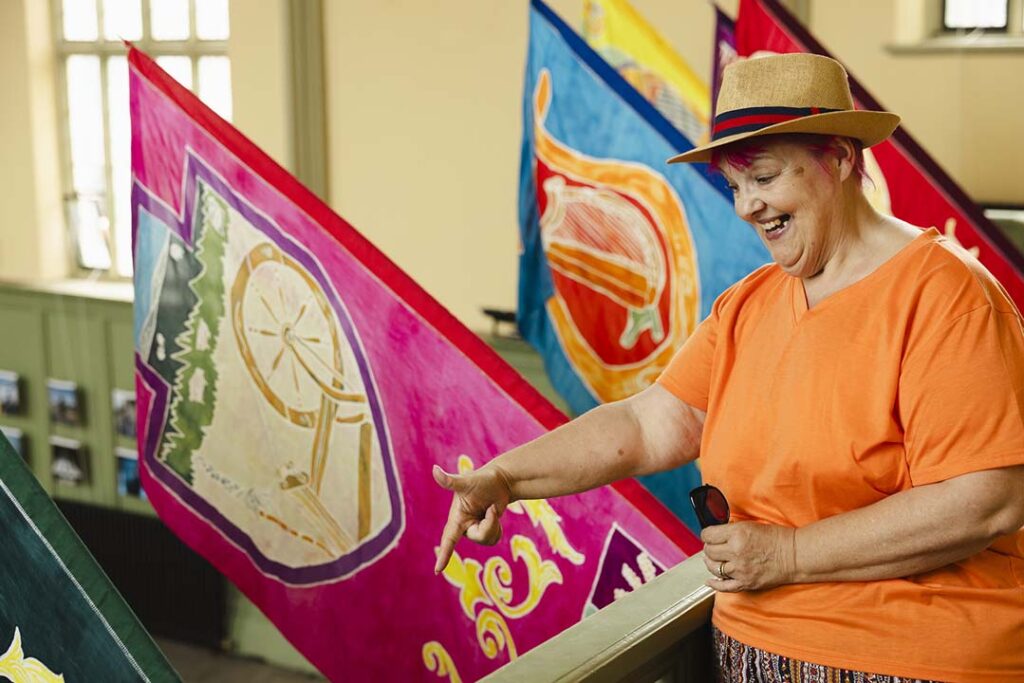
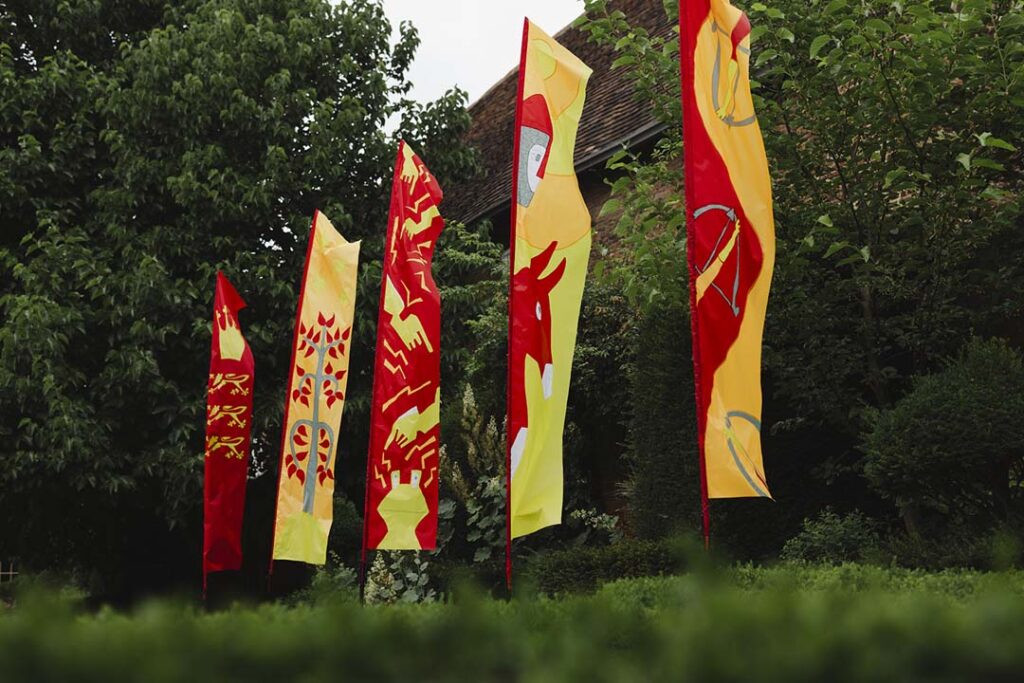
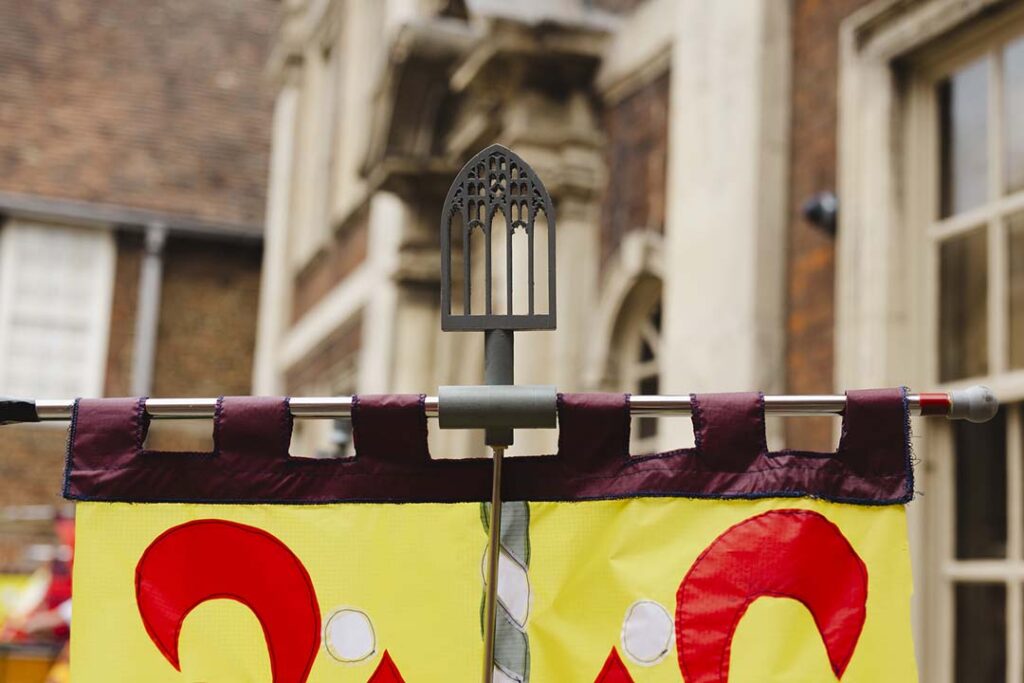
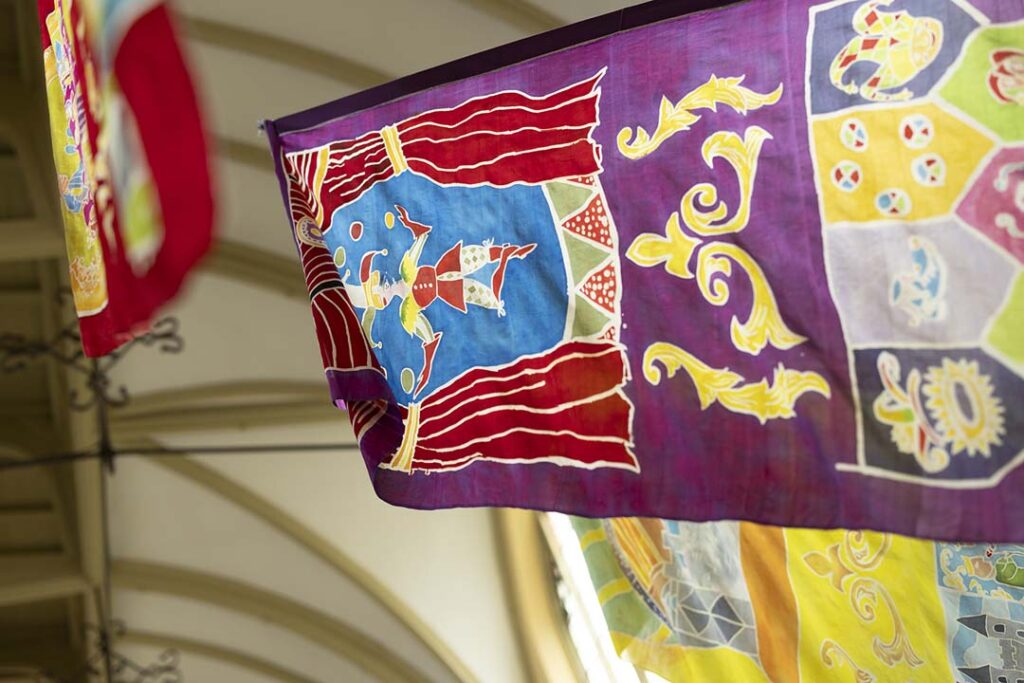
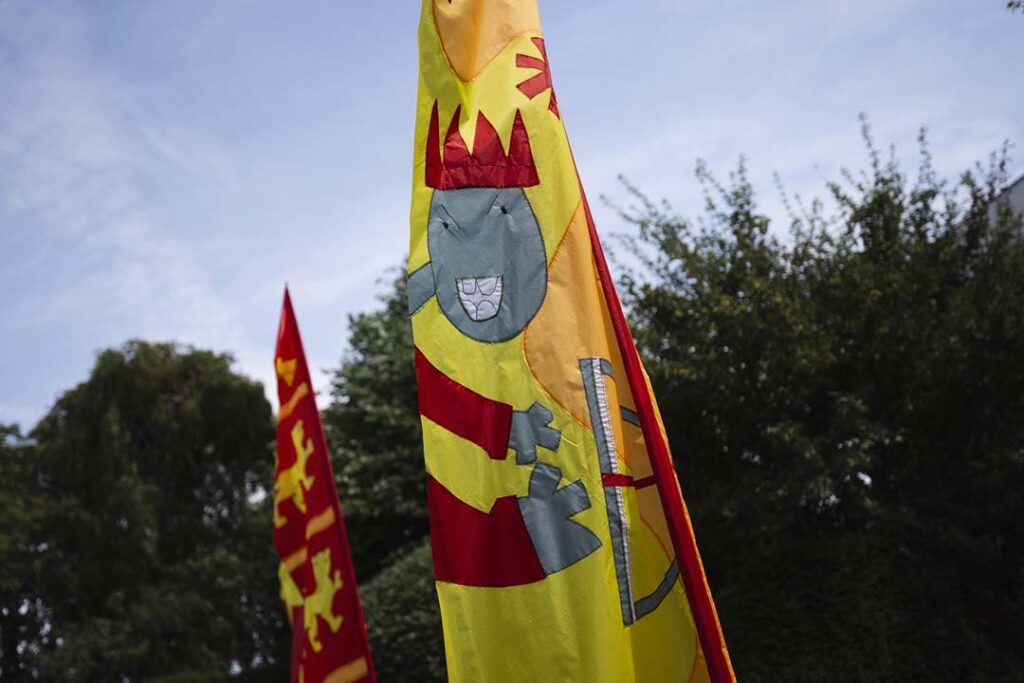
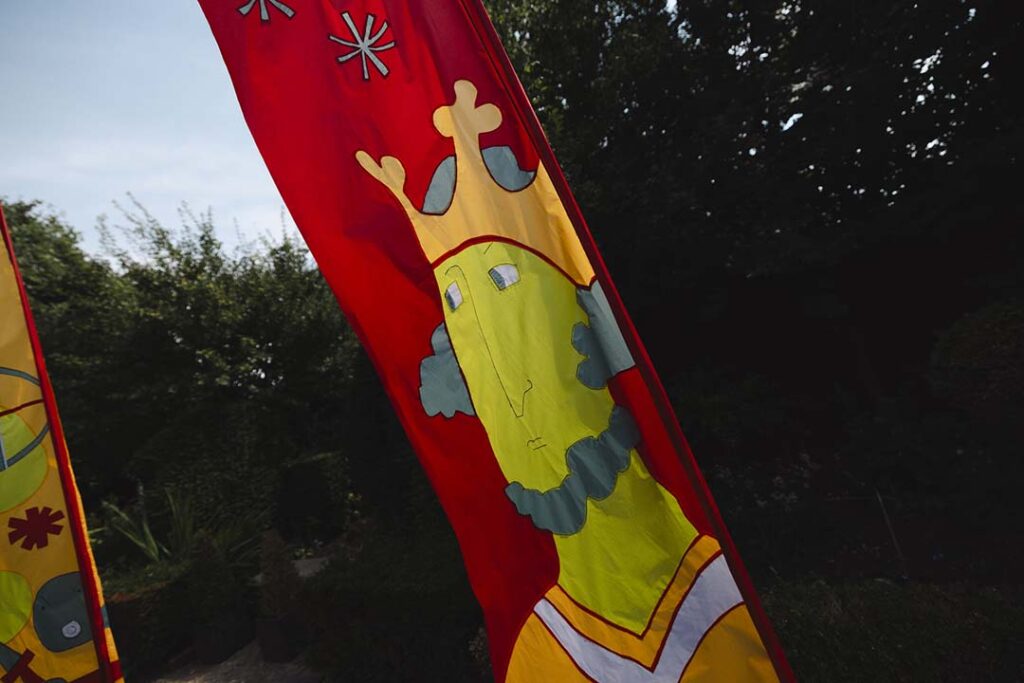
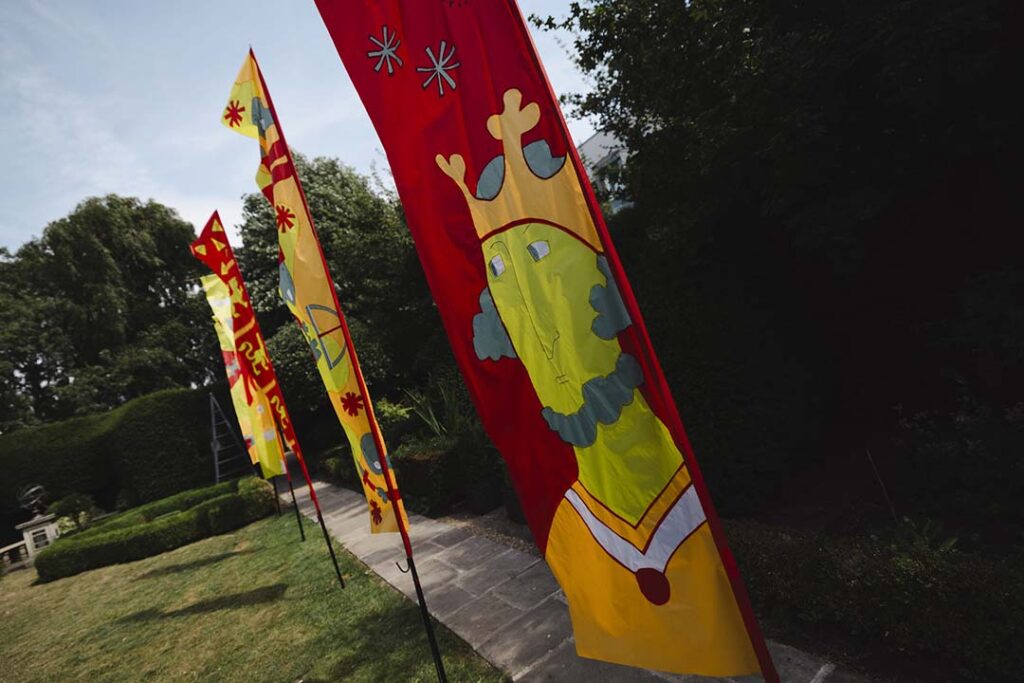
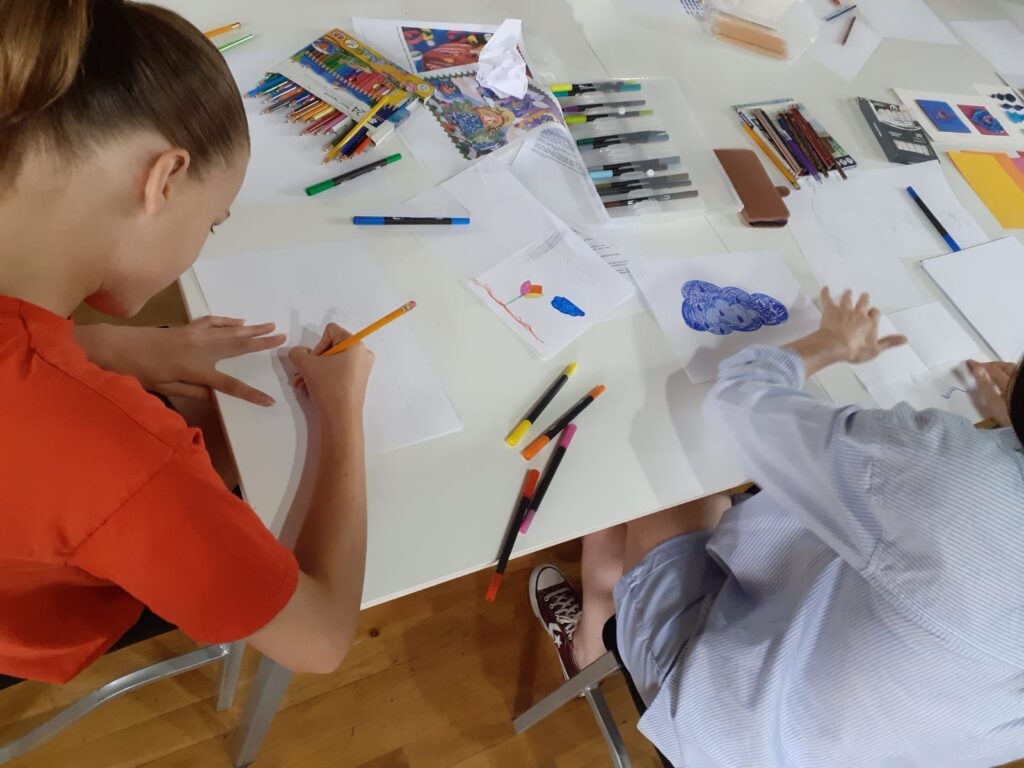
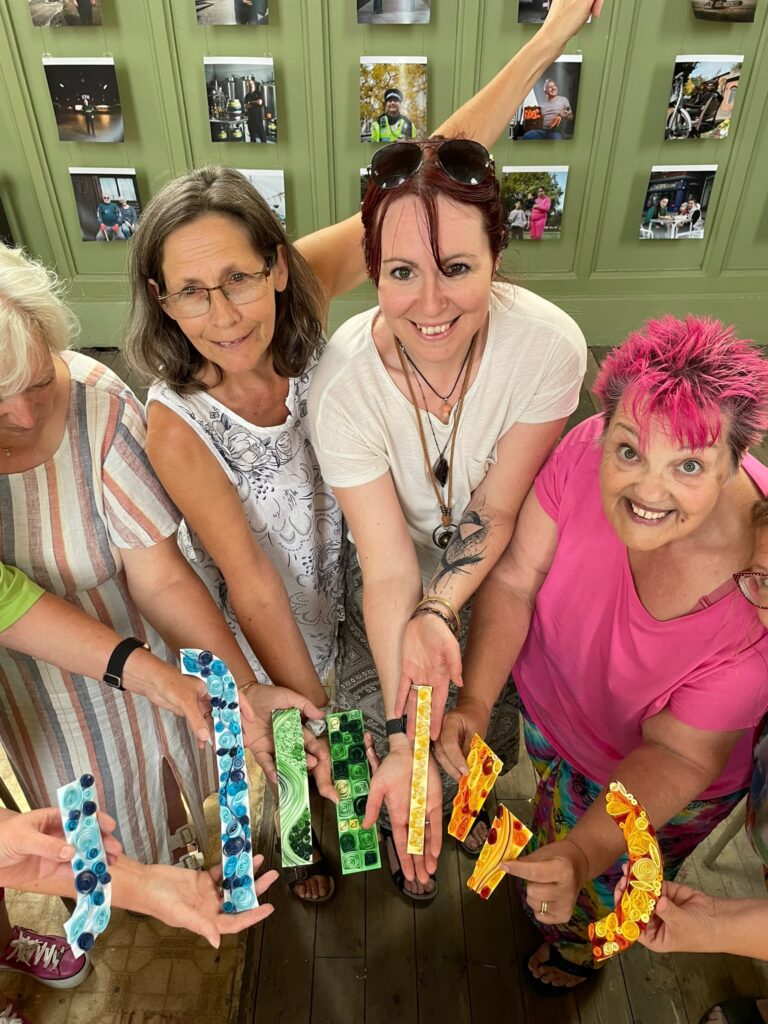
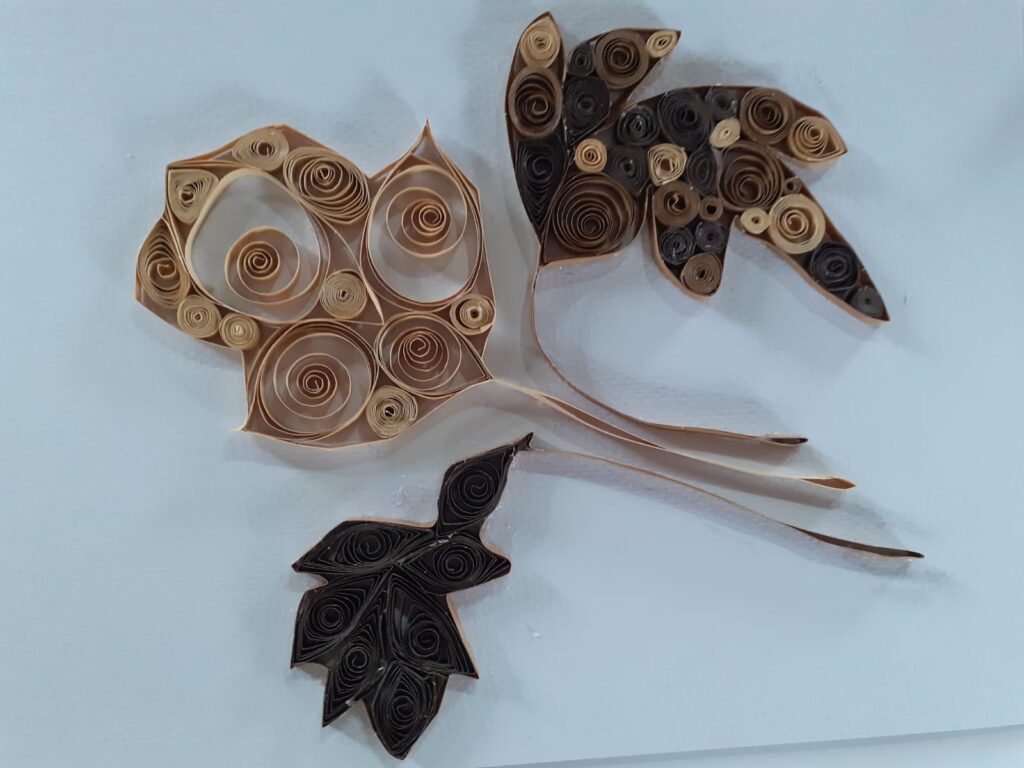
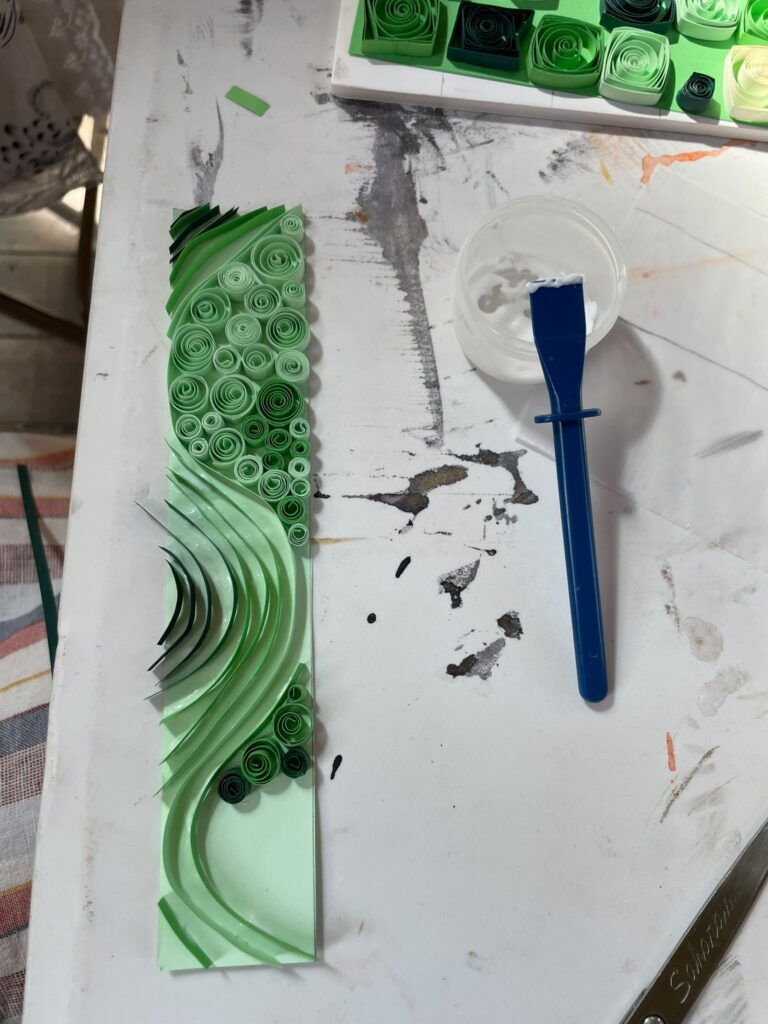
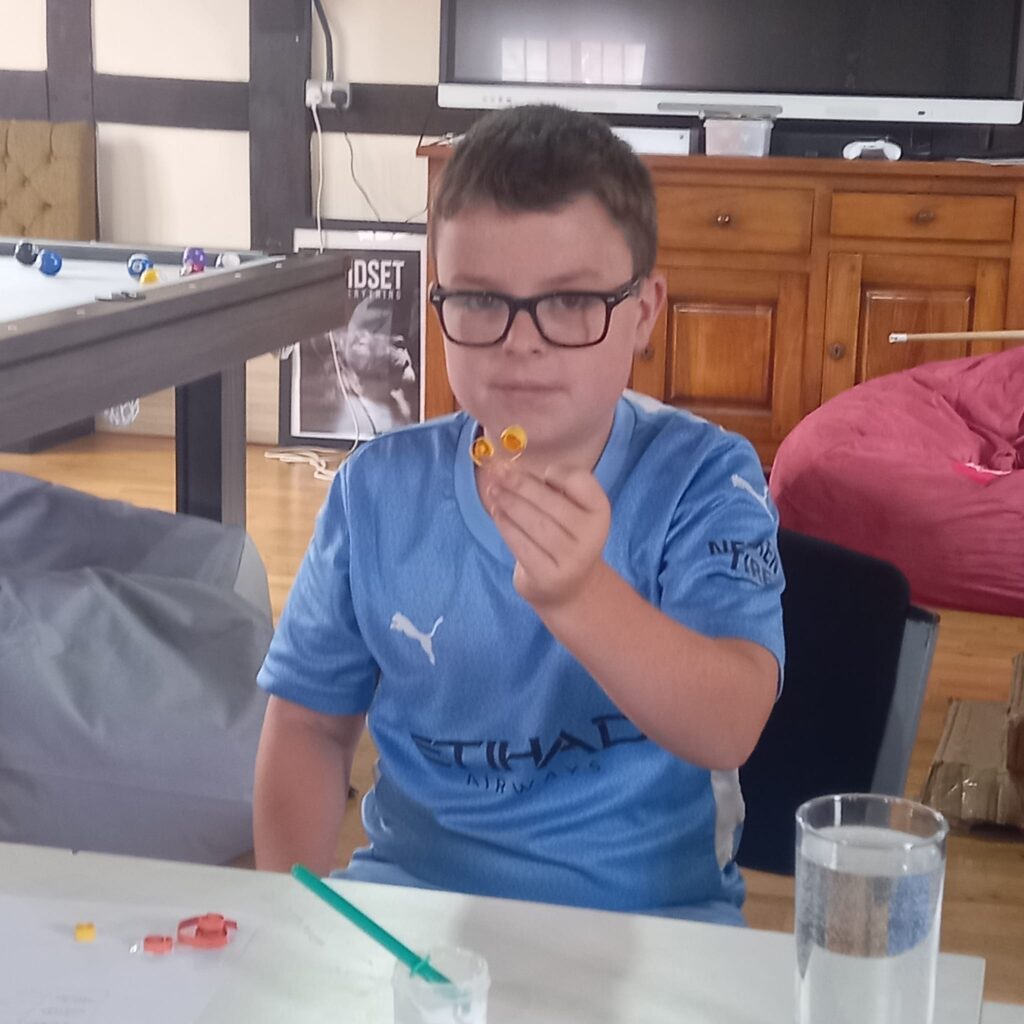
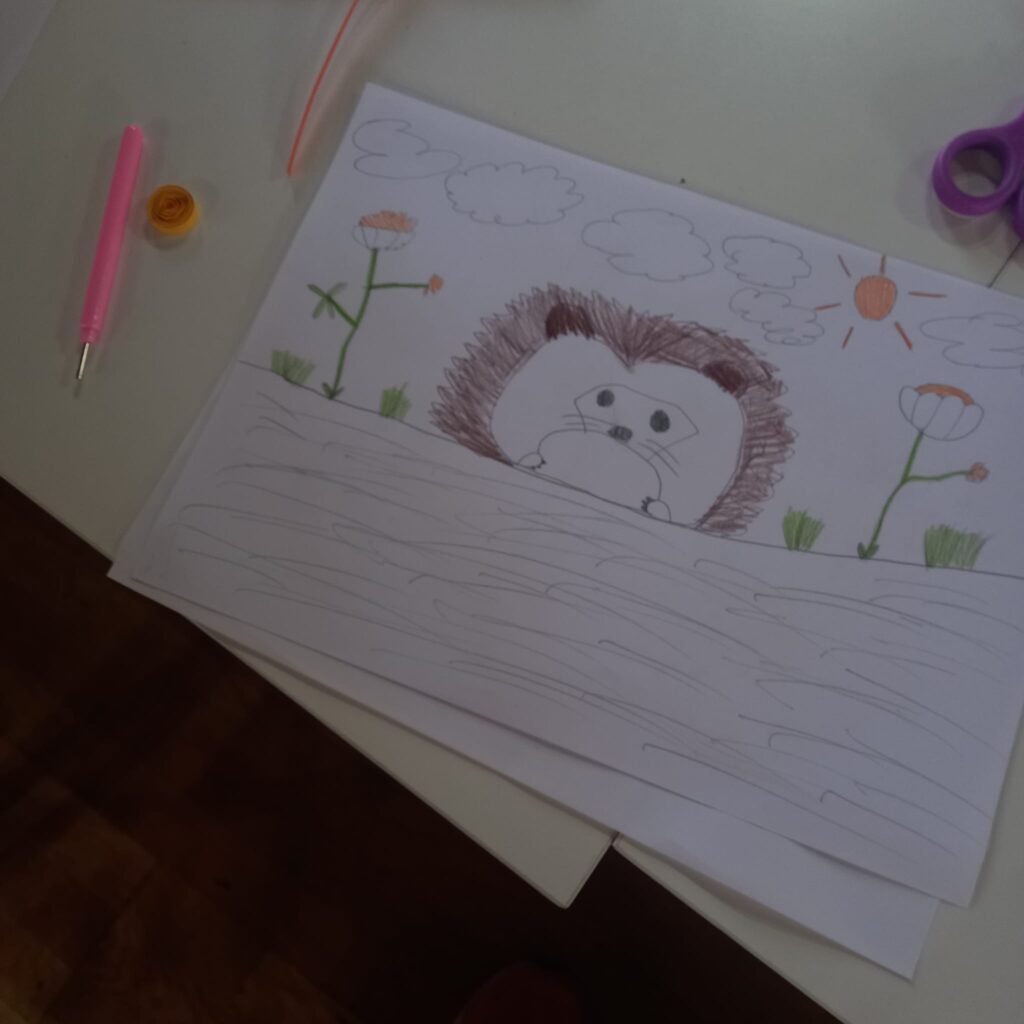
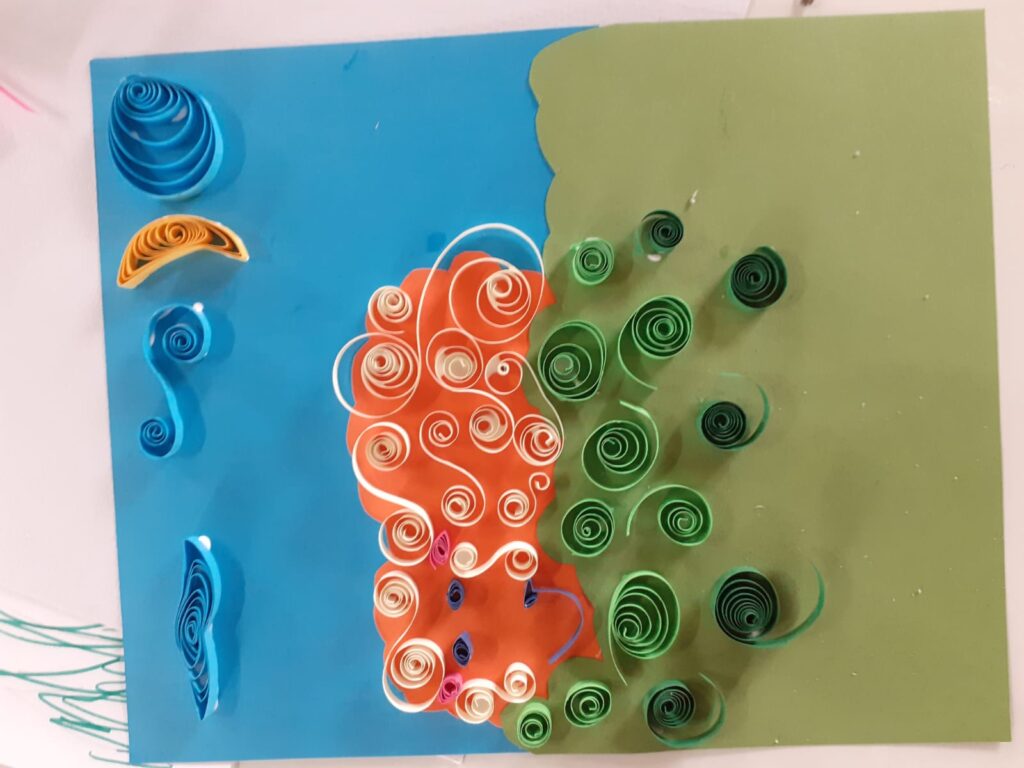
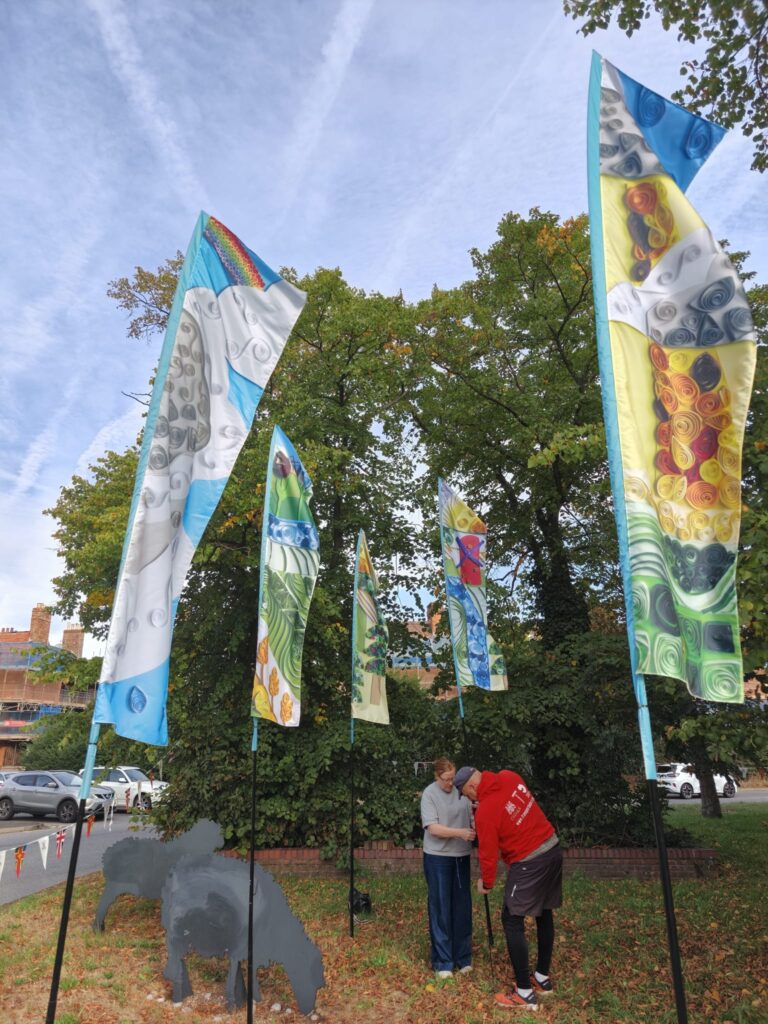
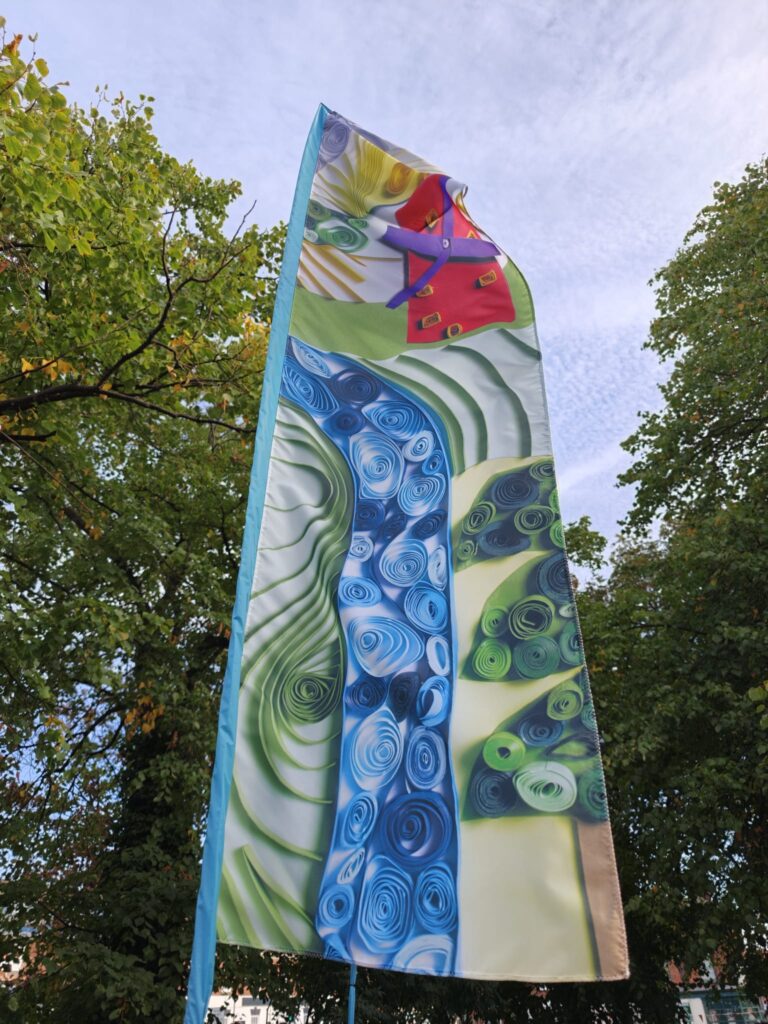
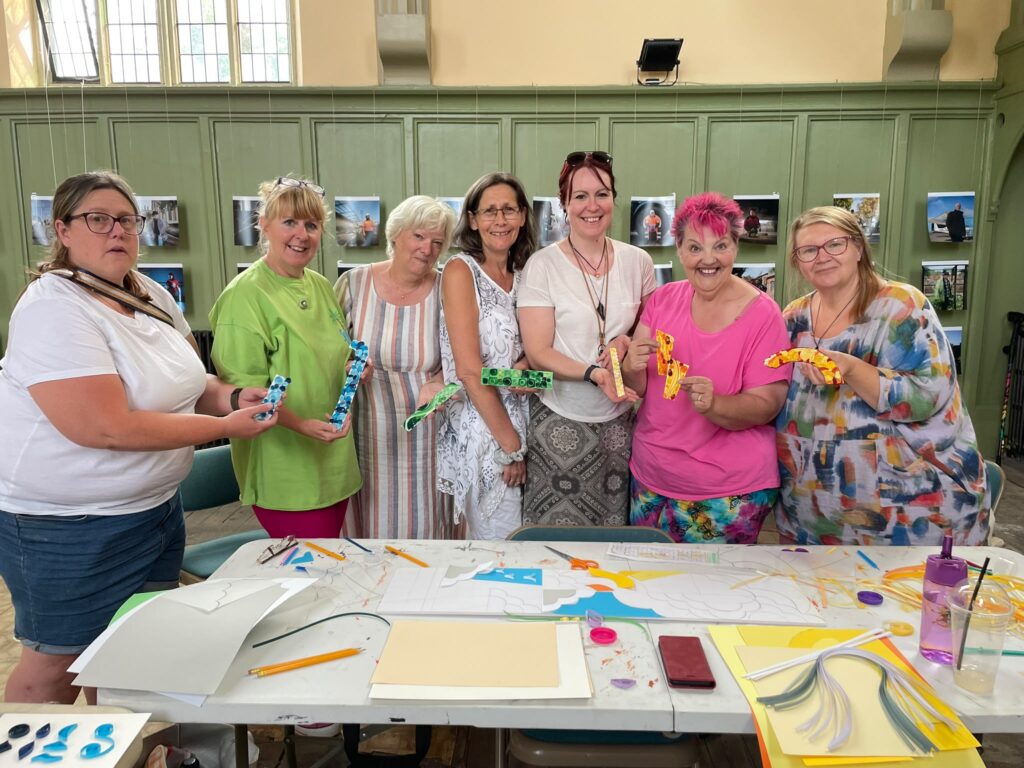
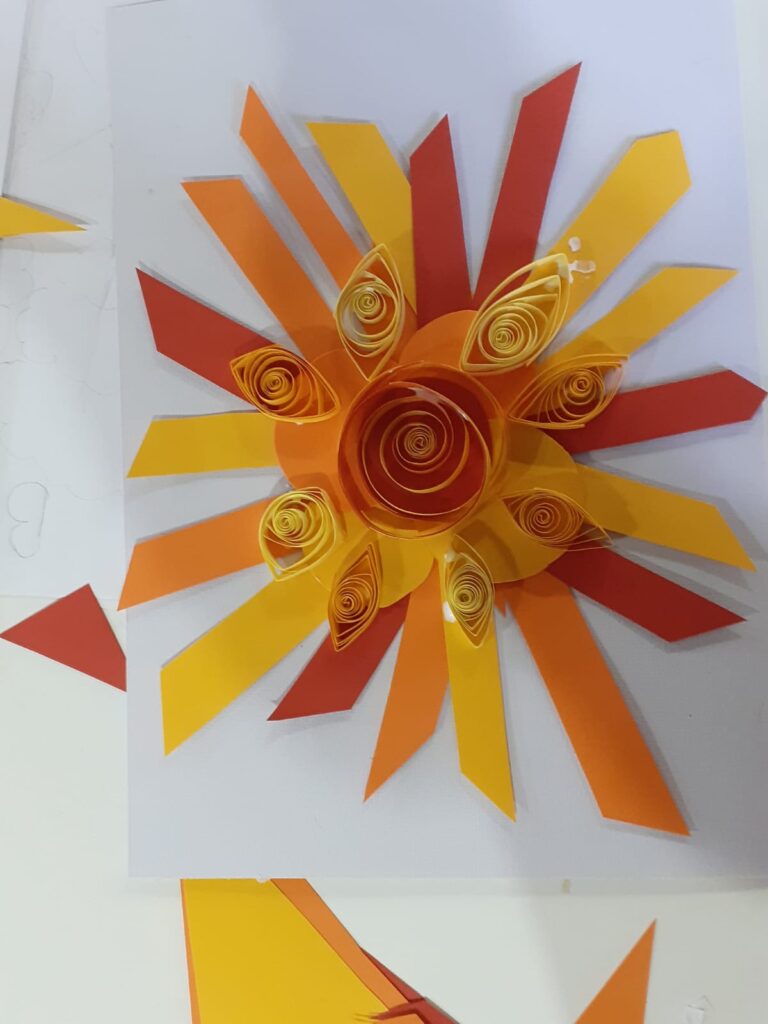
Using the traditional art technique of quilling, participants transformed strips of paper into vibrant, multidimensional artworks that were developed into flag designs.
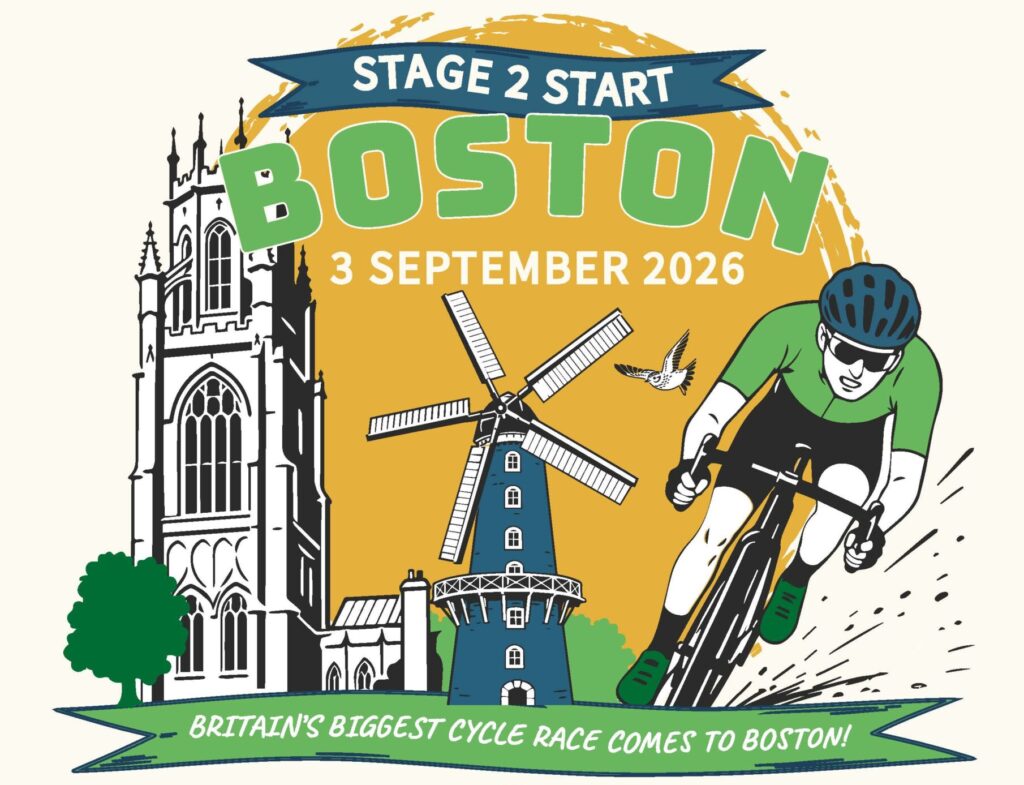
In September 2026, Boston welcomed the Lloyds Tour of Britain Men for the very first time in the modern era of the race, and Transported marked the occasion with a special community art project celebrating both the Tour’s arrival and everything that makes Lincolnshire unique.
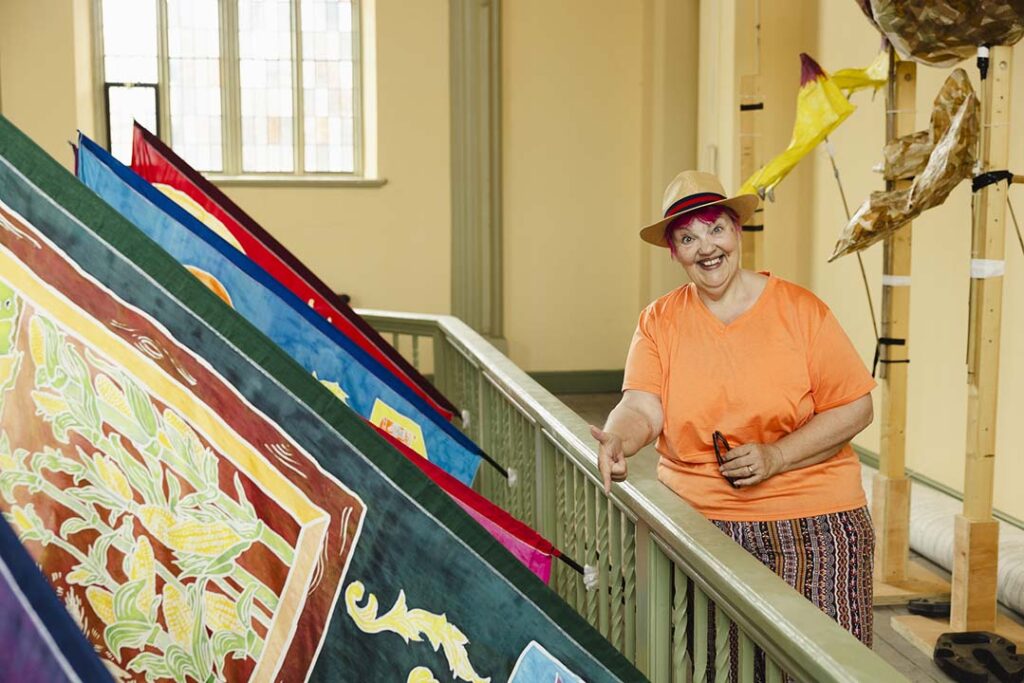
Transported’s Festival Development Lead, Ruth Pigott, brought together artists Dovile Sakalauskaite and Emily Cartwright to work with local residents to create a series of colourful flag designs inspired by the race, Boston and the Lincolnshire landscape.
What is Quilling?
Quilling is the process of rolling, shaping and arranging strips of paper to create decorative images and patterns. The strips are carefully glued together to form intricate designs with texture, depth and detail, making it a perfect medium for celebrating local landmarks, landscapes and community identity.
Community Workshops
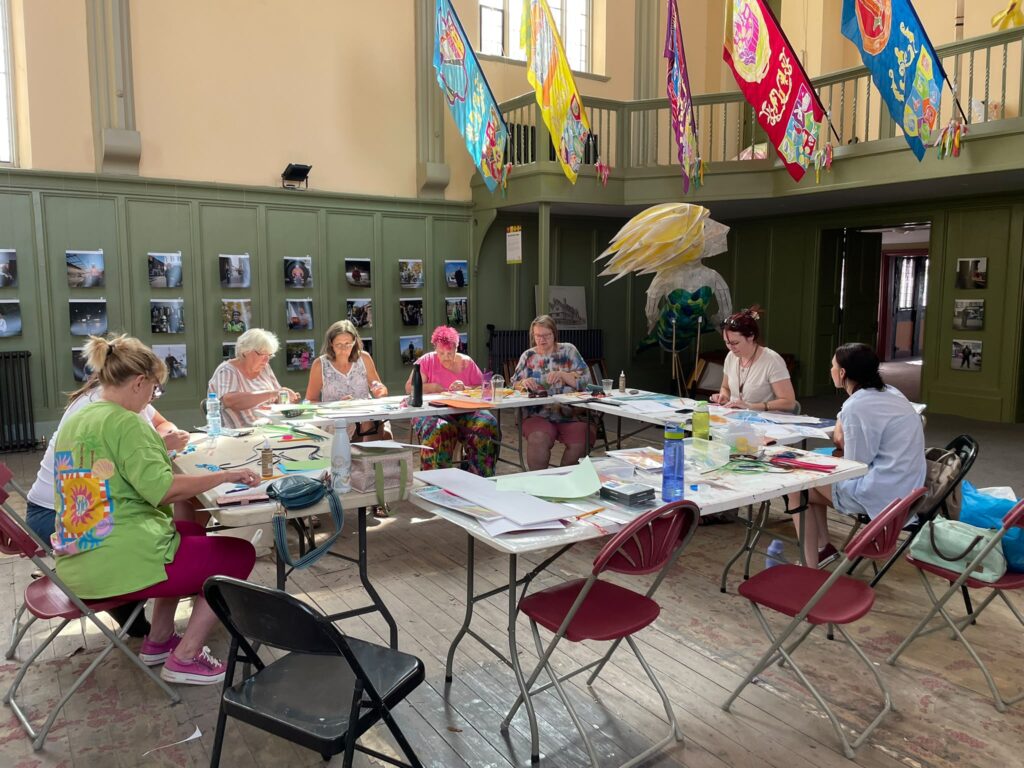
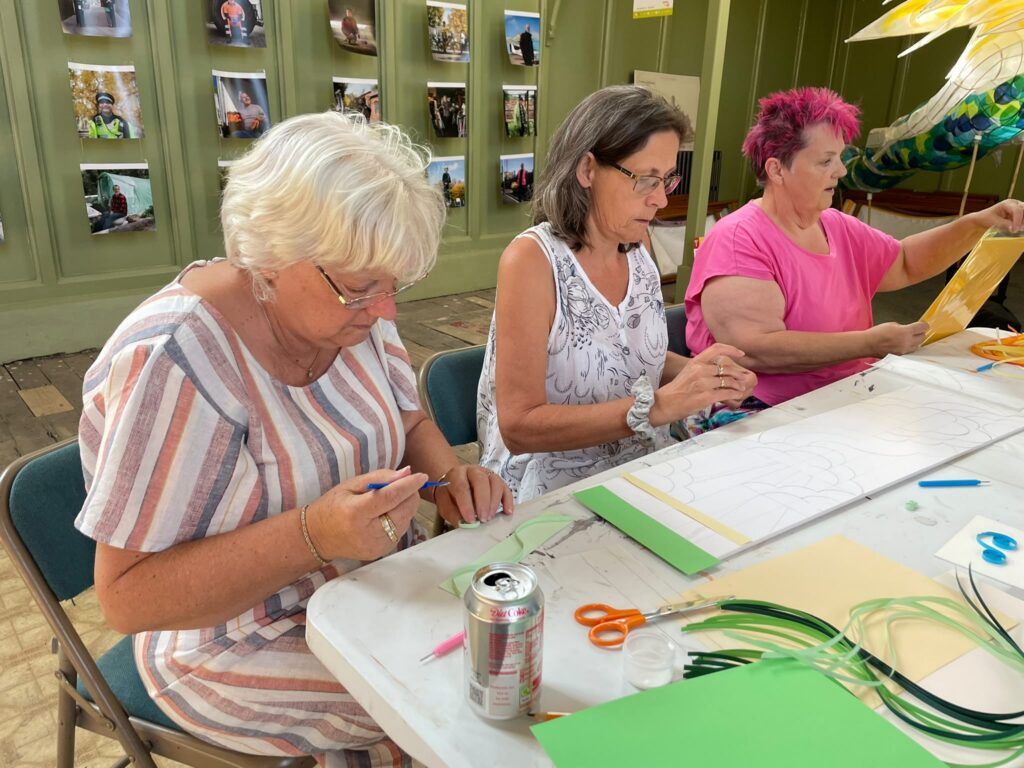
We enjoyed three fantastic workshops with South Lincolnshire residents, including:
- The Crafty Coffee Club
- Tonic Health’s HAF Group at Holbeach Hub
- Tonic Health’s HAF Group at Pescod Hall
It was wonderful to see so many people sharing ideas, stories and creativity while helping to create designs that celebrated Boston’s moment in the spotlight.
Inspired by Lincolnshire
The artwork created through these workshops took inspiration from:
- The Lloyds Tour of Britain
- Boston and its local heritage
- Lincolnshire’s landscapes and open skies
- The excitement of welcoming elite cycling to the county
From paper to print
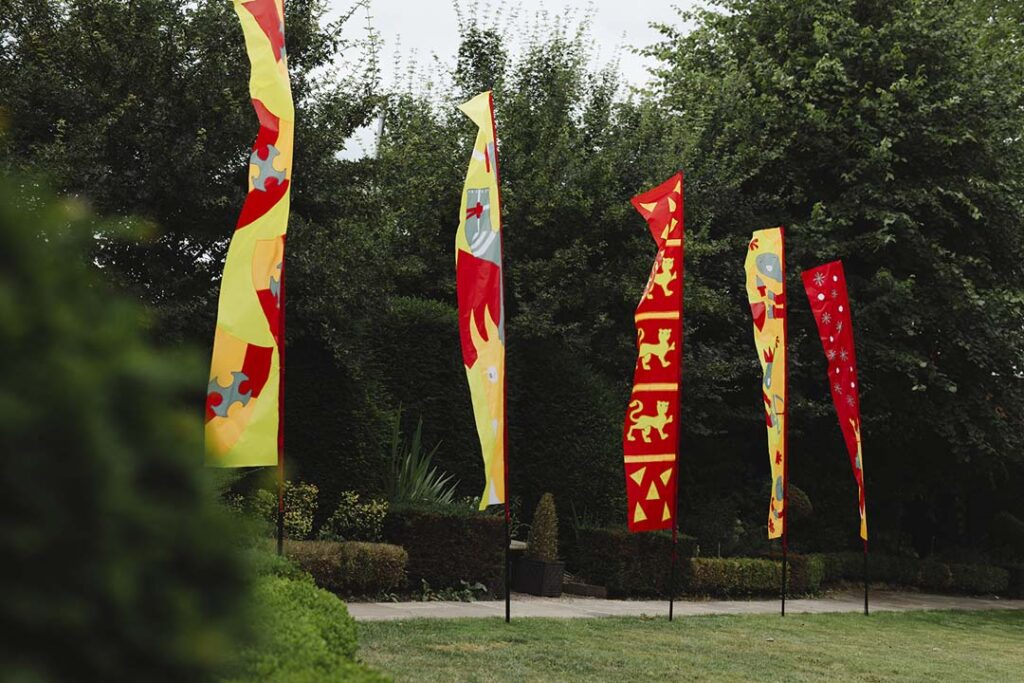
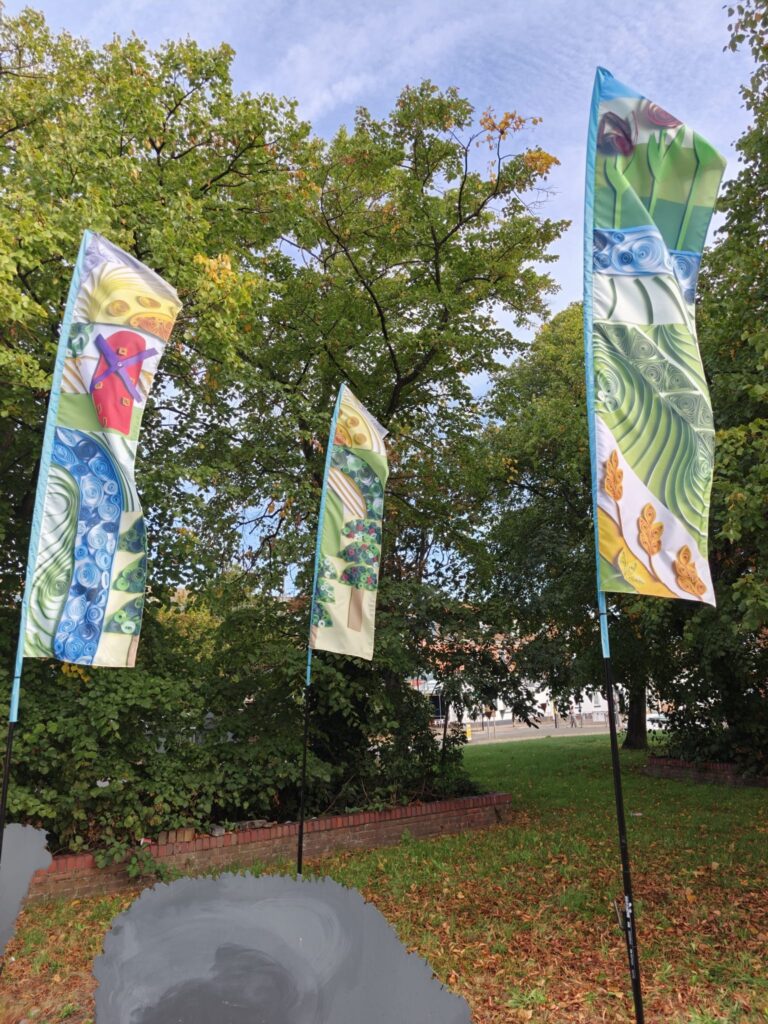
Emily Cartwright took the finished paper designs and translated them into digital artwork. These were developed into two final designs.
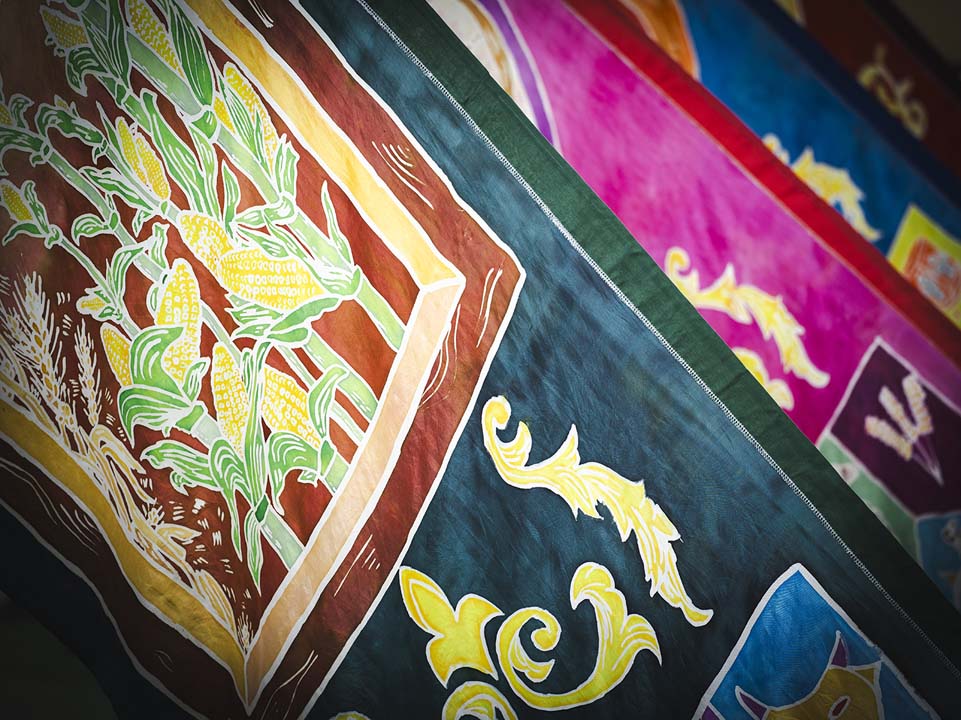
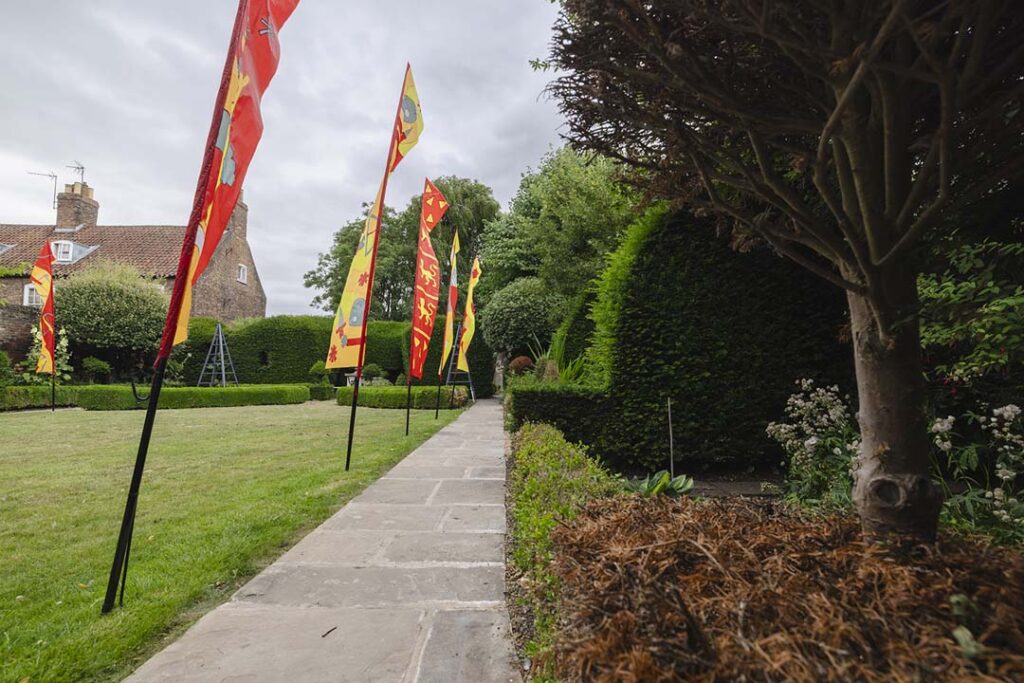
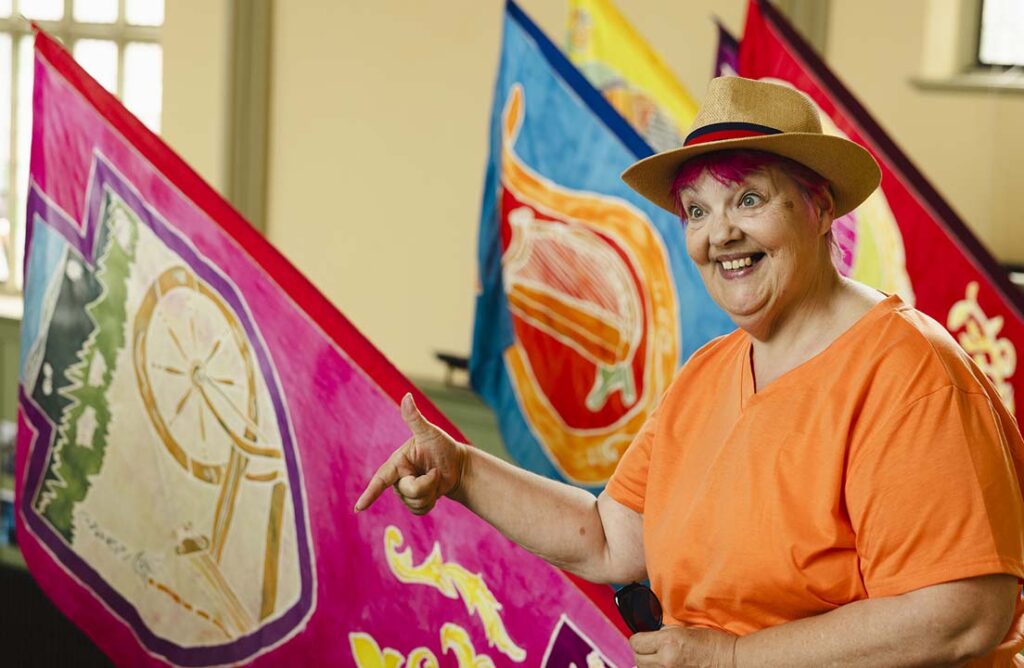
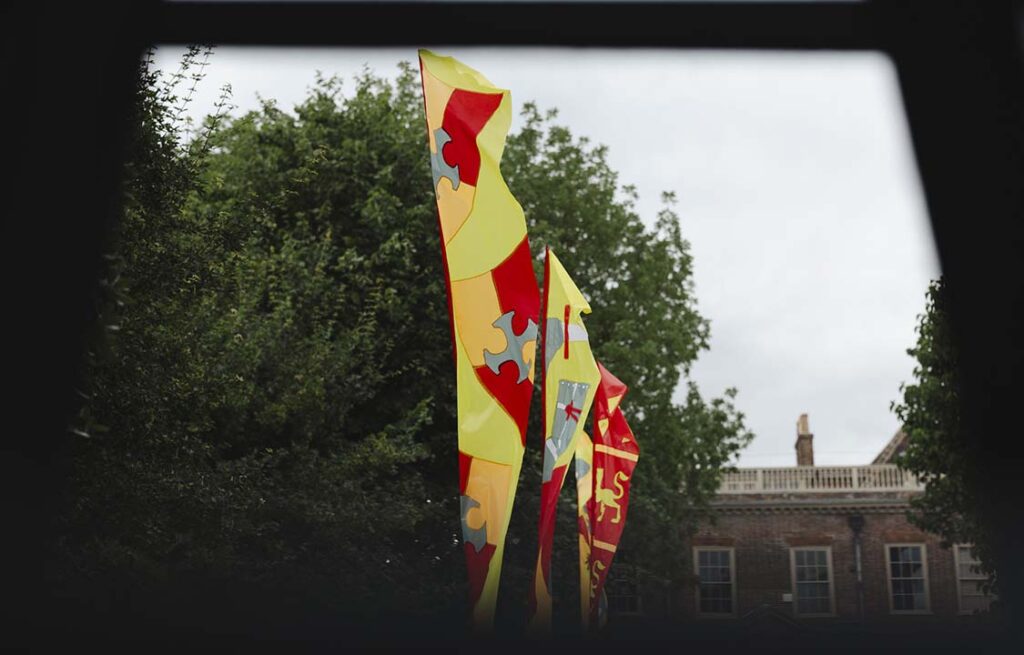
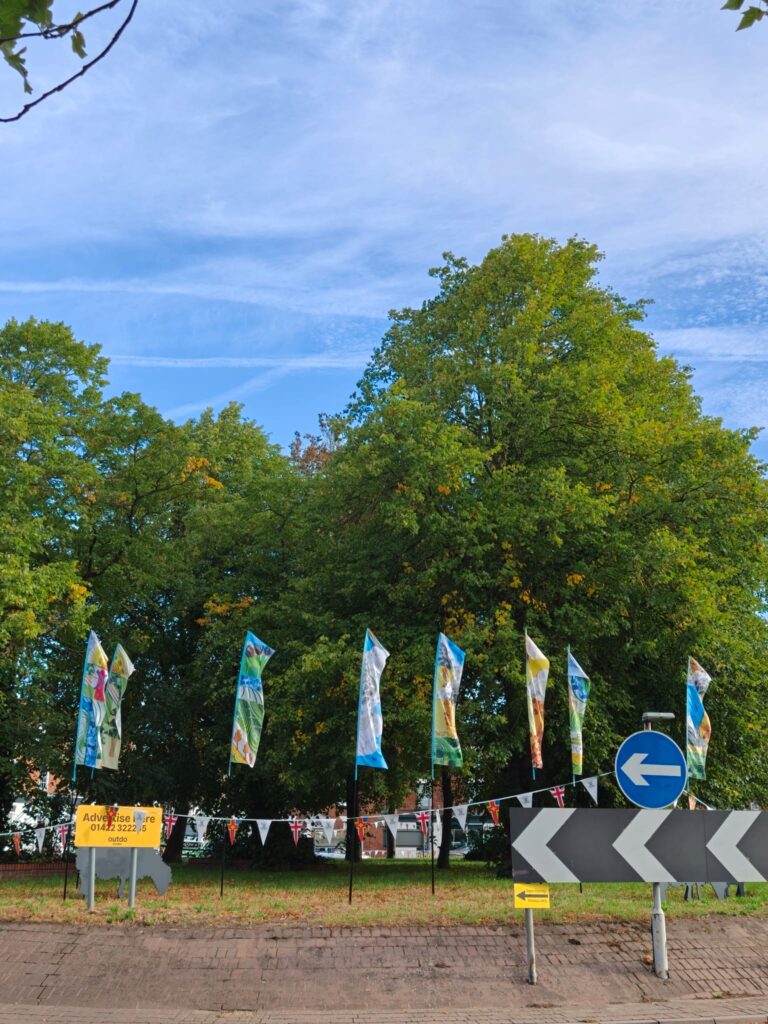
Thanks to the help of Transported’s University of Lincoln colleague, Emma Osbourn, the designs were printed onto fabric to create a collection of eight celebratory flags marking the race’s arrival.
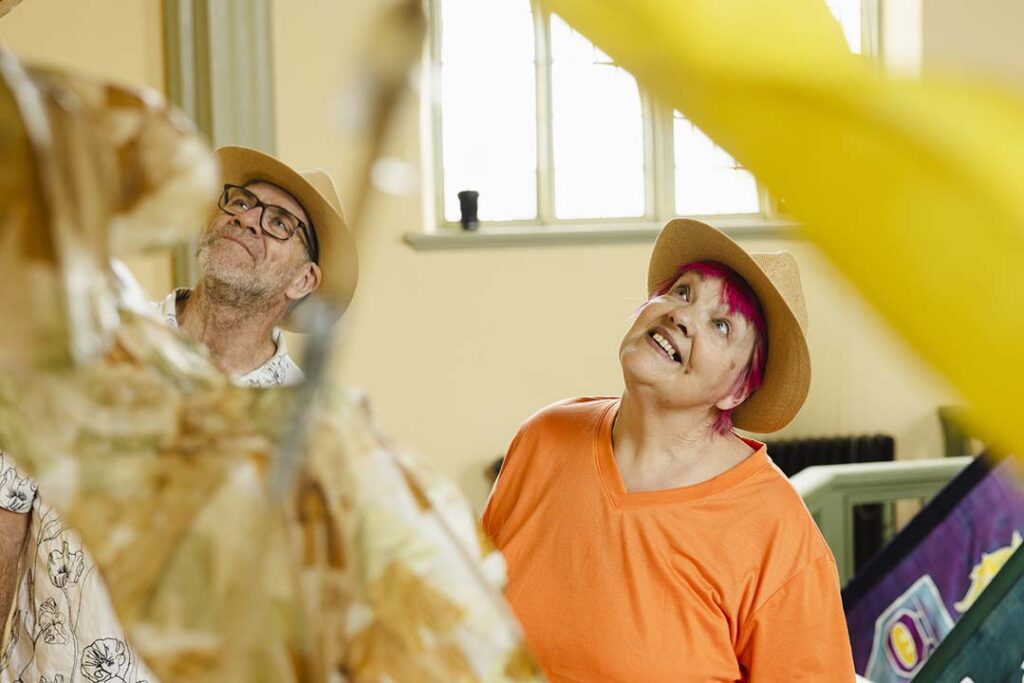
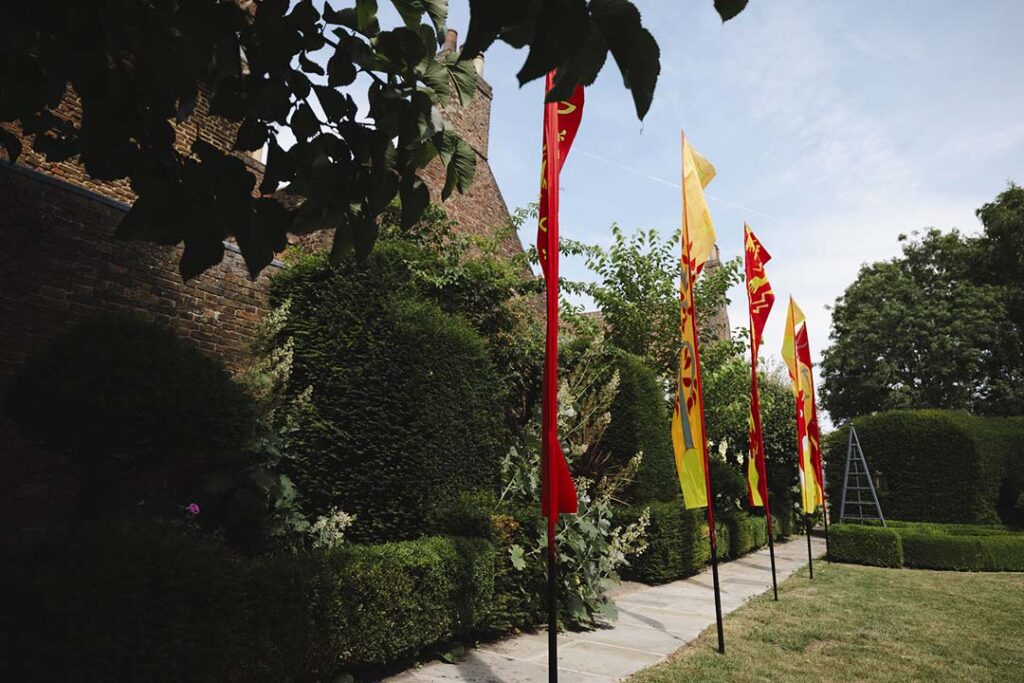
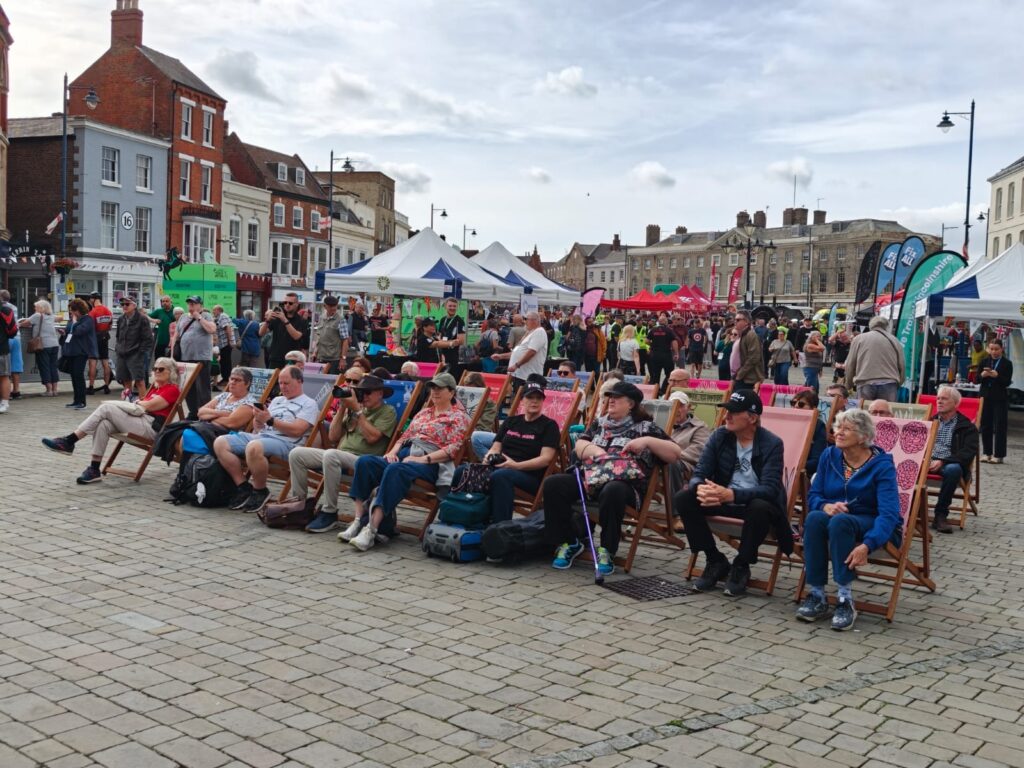
The flags were displayed in Boston town centre on race day, on the helping to create a vibrant welcome for riders and spectators alike.
Project Outcomes
Throughout the project, participants shared ideas, developed new creative skills and celebrated the places, people and landscapes that make Lincolnshire special.
The finished flags provided a colourful and memorable way to mark Boston’s historic Tour of Britain moment, leaving behind a creative legacy created by local communities.
We hope to display the flags again and again in the future, increasing their value and letting as many people as possible see them. Keep an eye on our social media for any display announcements.
Thank you to everyone who took part in the workshops and contributed their ideas, creativity and enthusiasm.
From the first paper strips to the final flags on display, this project showcased the power of community creativity and celebrated an historic occasion for Boston and Lincolnshire.
Luminarium: Arborialis
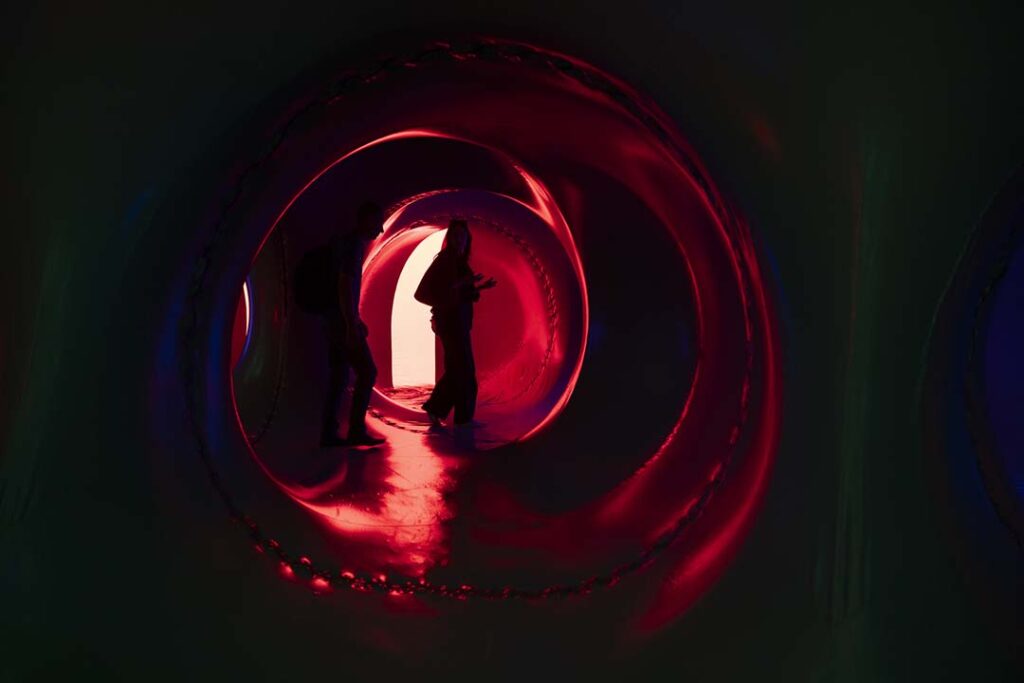
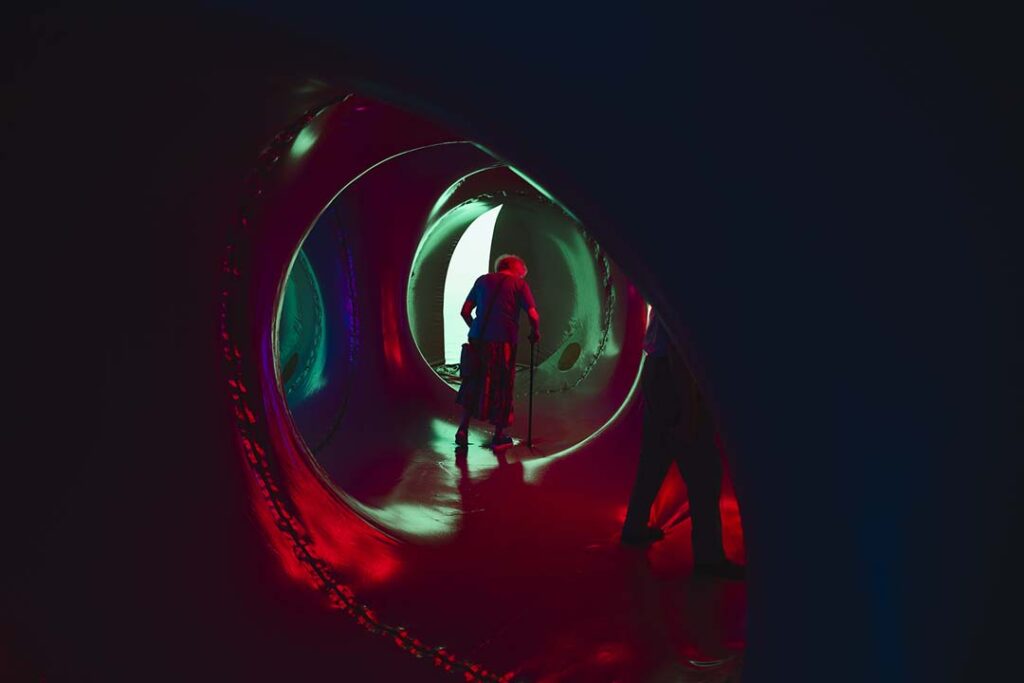
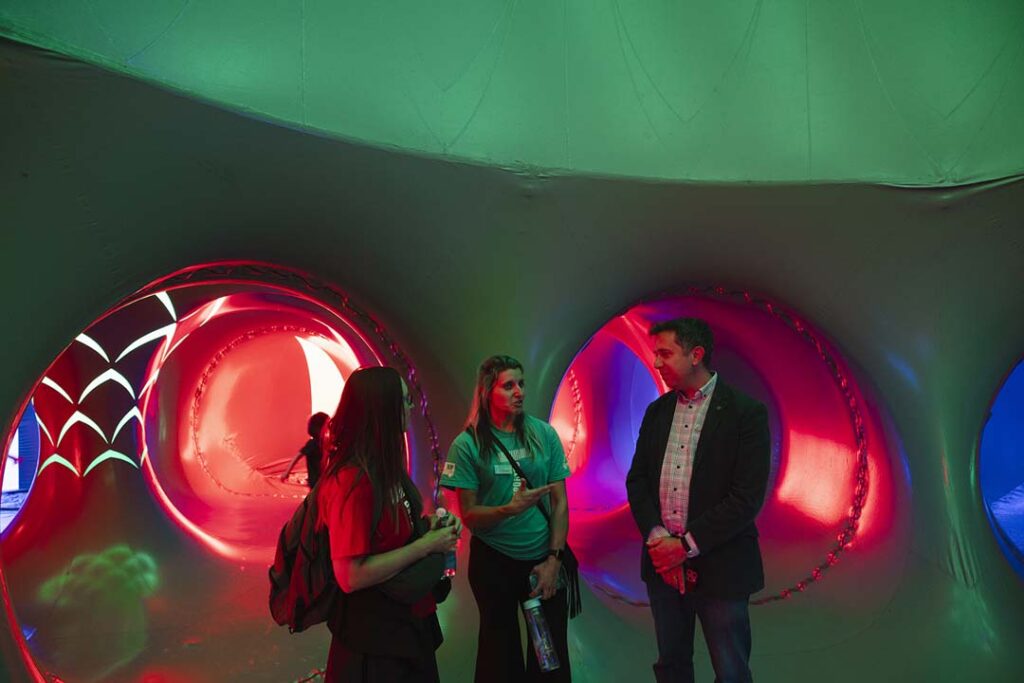
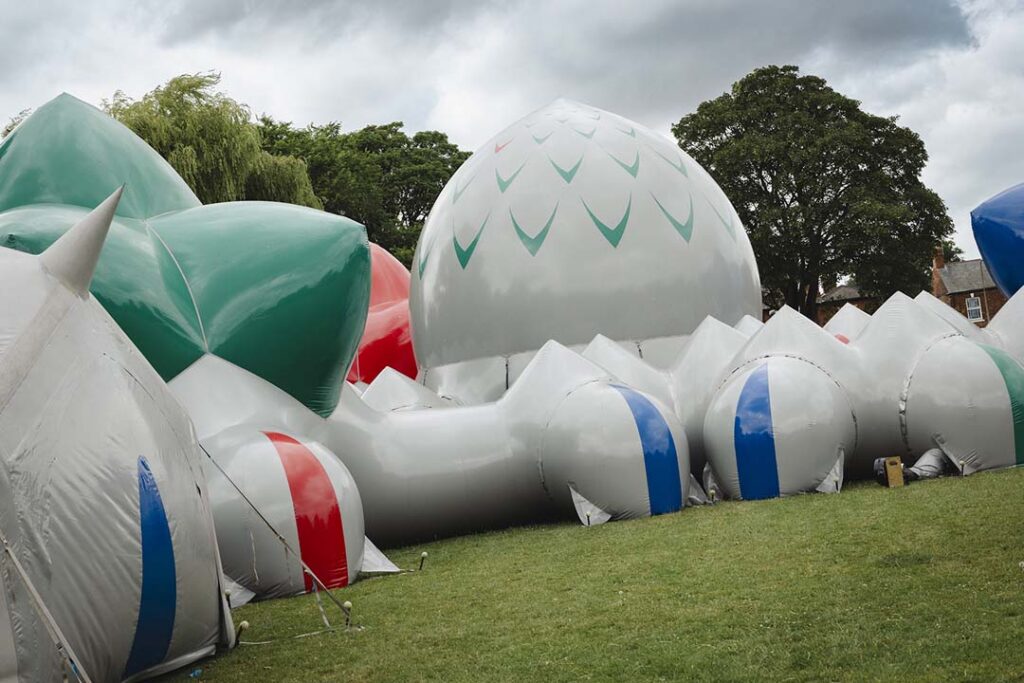
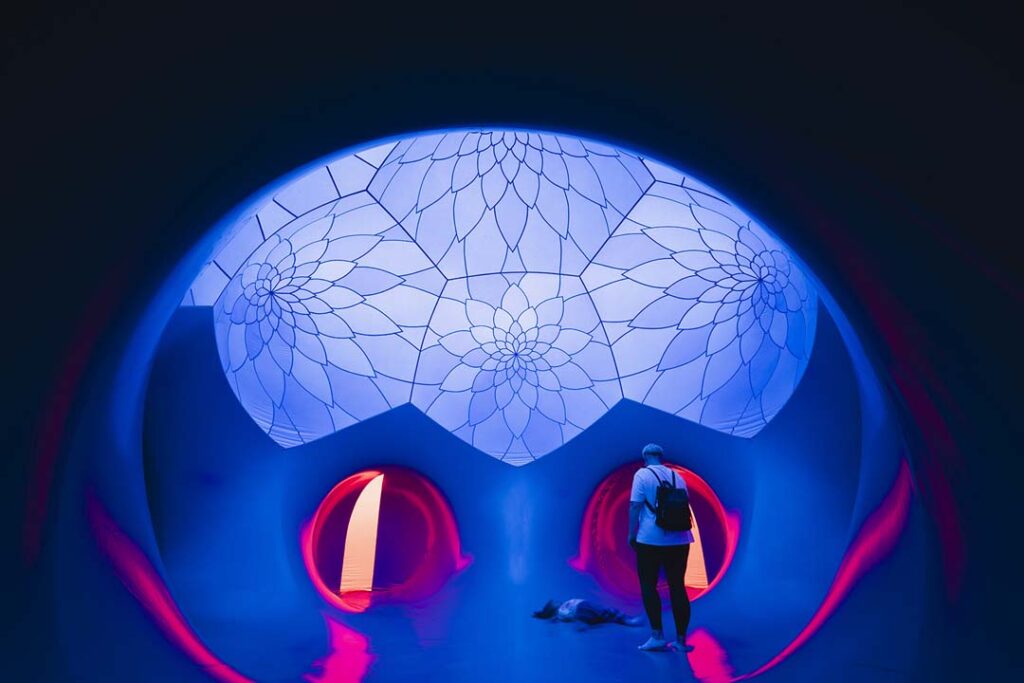
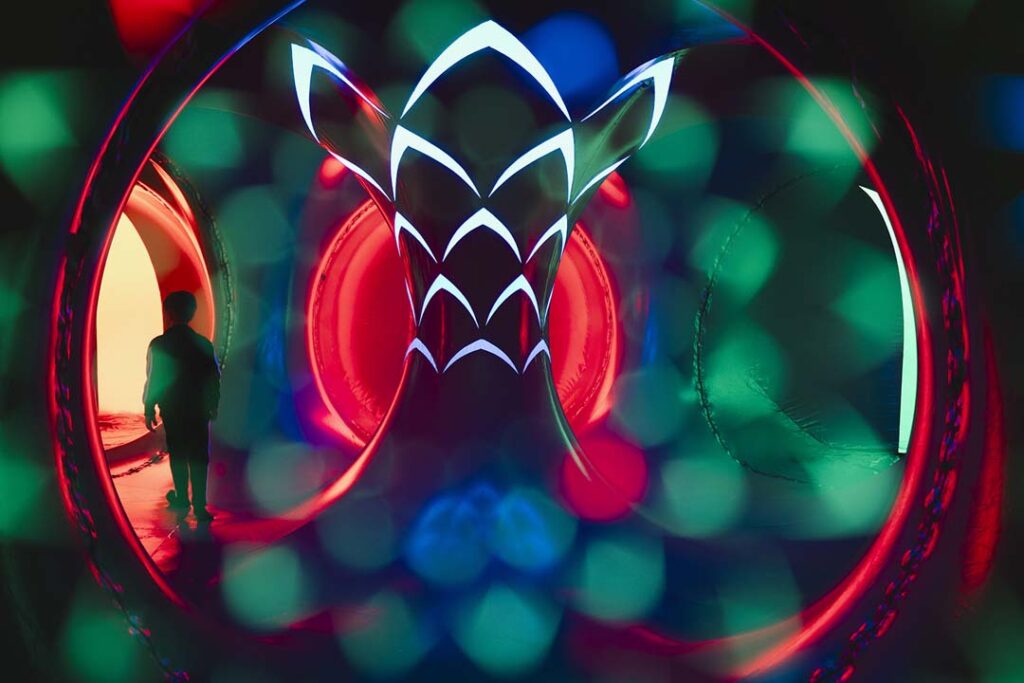
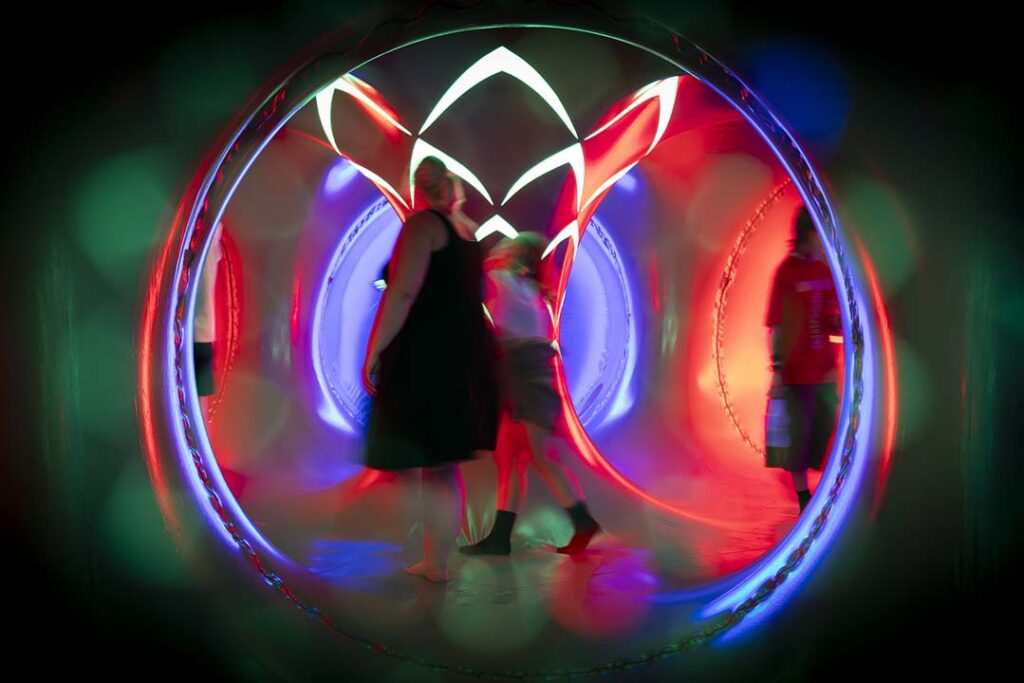
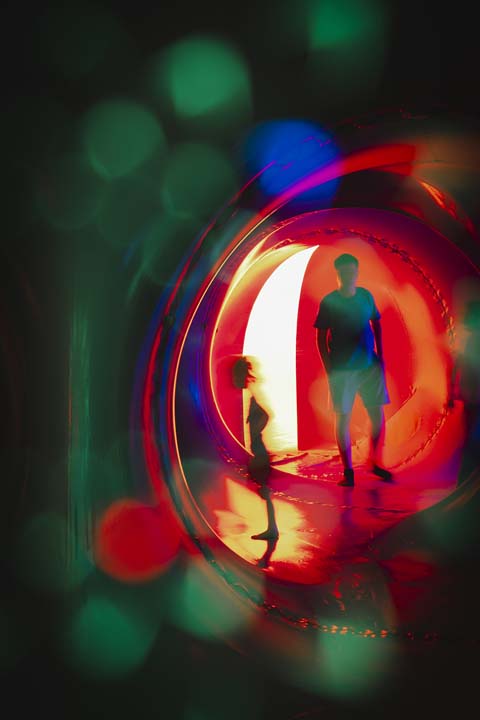
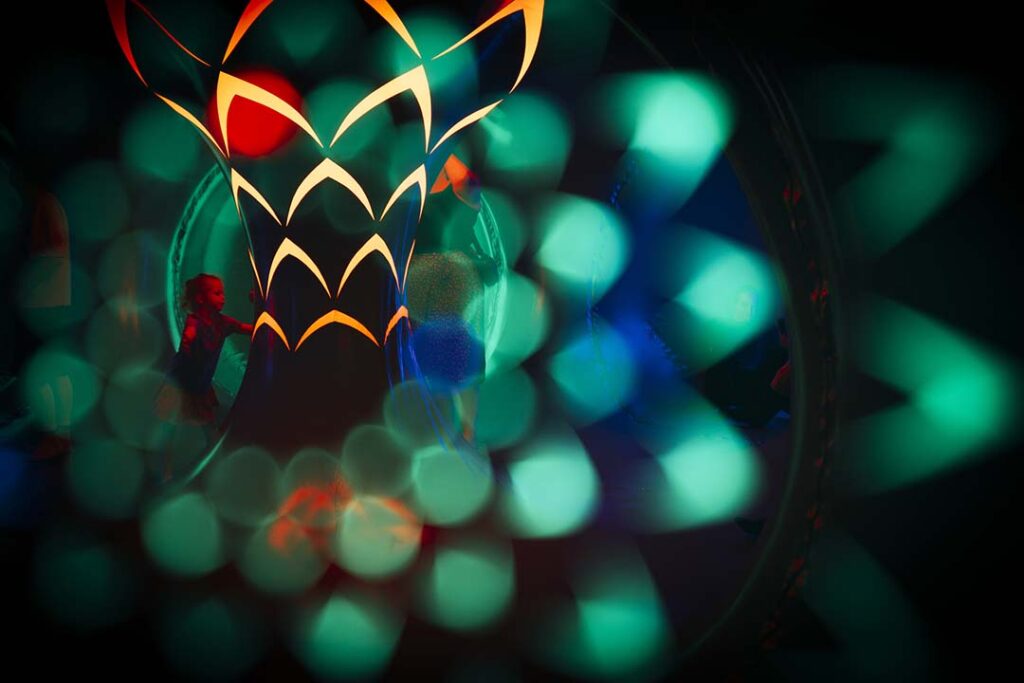
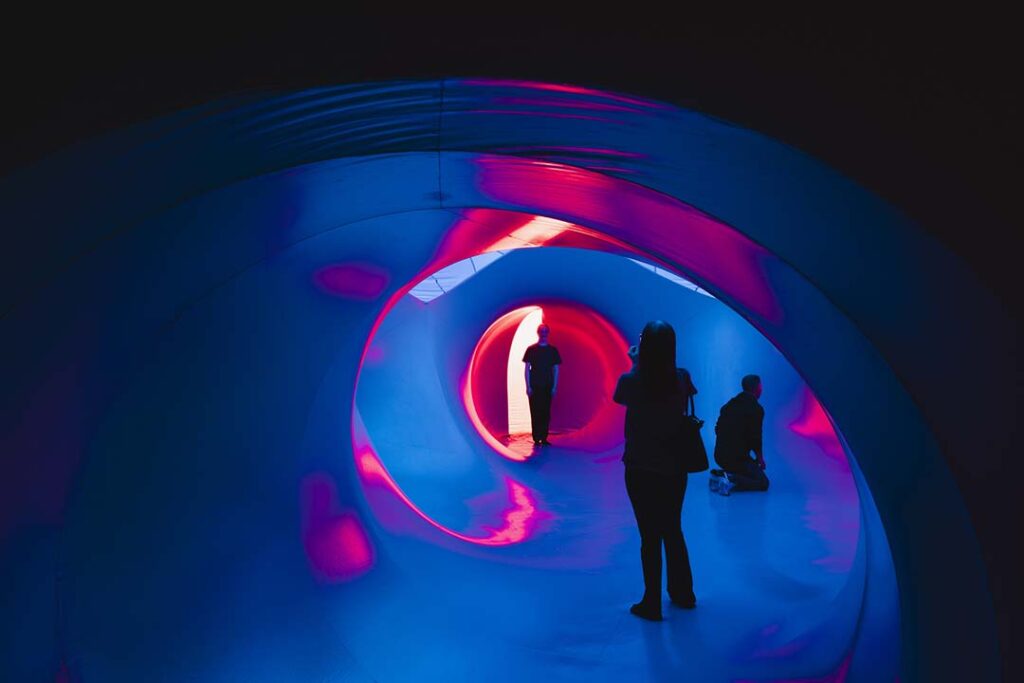
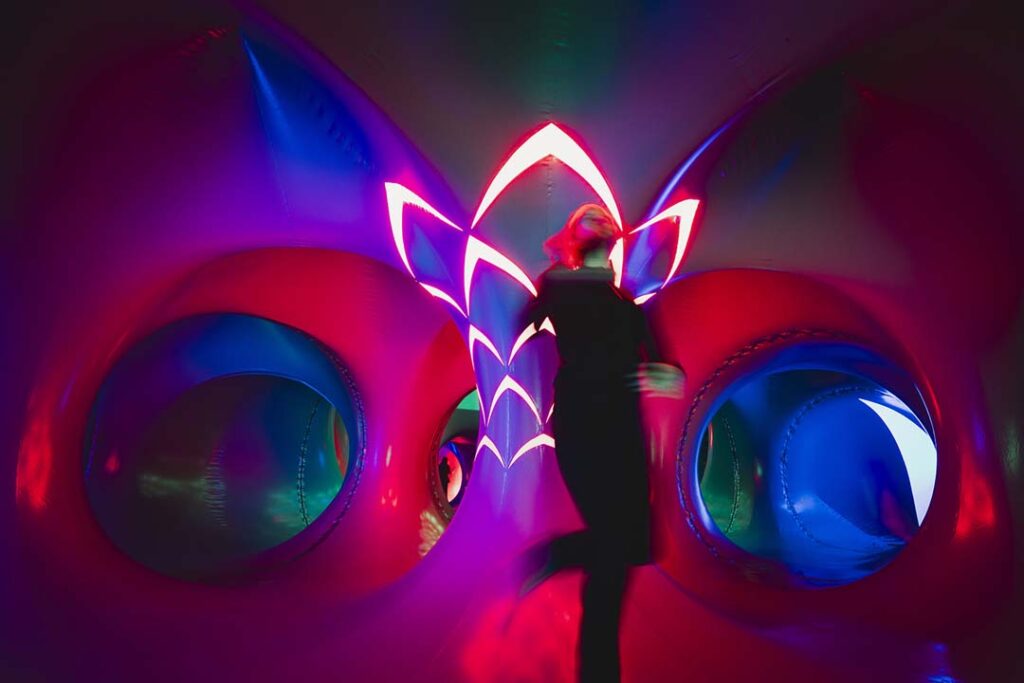
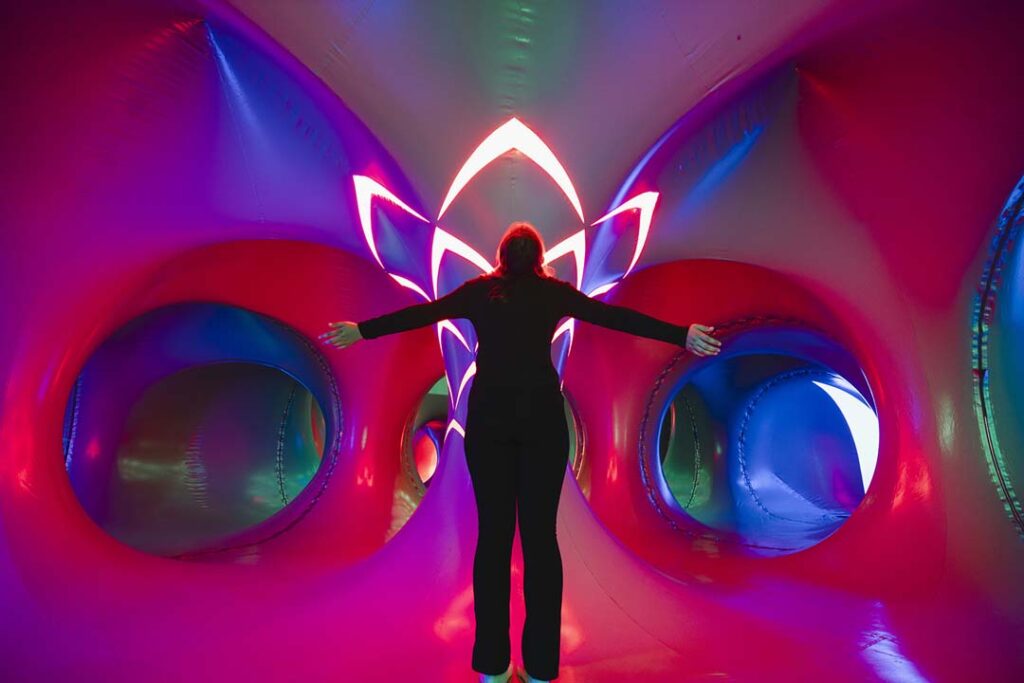
Luminarium is a sculpture that people enter to be moved to a sense of wonder at the beauty of light and colour.
From the Lincoln Performing Arts Center, New York to the Sydney Opera House in Australia, the monumental and interactive walk-in sculptures of Architects of Air, designed by Alan Parkinson, have astounded audiences across the globe. Architects of Air has toured the luminaria since 1992, visited 47 Countries and enchanted over 4 million visitors.
The luminarium offers a dazzling maze of winding paths and soaring domes where Islamic architecture, Archimedean solids and Gothic cathedrals meld into an inspiring monument to the beauty of light and colour, and where visitors can happily loose themselves.


Welcome to a wonderful world of light and colour.
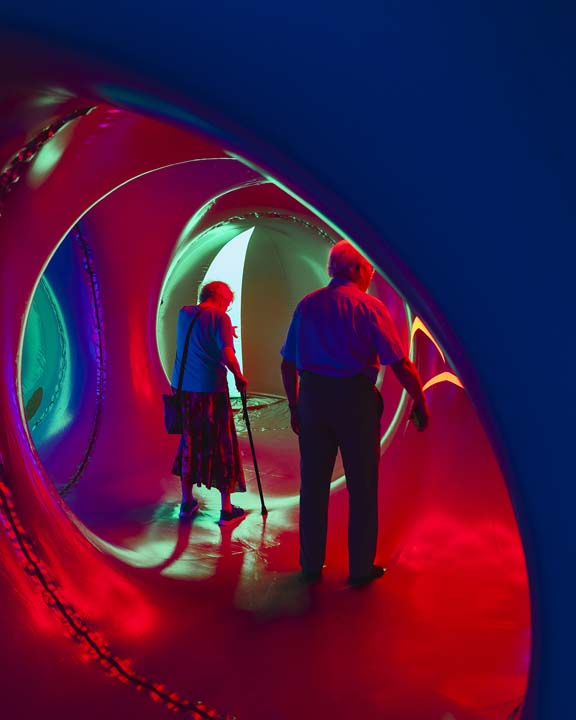
The Luminarium installation awakens all the senses, creating a sense of wonder and enchantment for all ages – people in wheelchairs and the SEND community are warmly welcome to visit.
Visitors are transported and immersed into an amazing world of light and subtle and saturated hues, for a unique sensory experience, and brings visual art in places where you wouldn’t expect it.
It is a paradox that such a stimulating environment can simultaneously be so calming and comforting.
Many people find a luminarium a place for rest or meditation.

The Luminarium visiting Boston is the Arborialis.
Arborialis has the natural world for inspiration. Immersion in an arboreal world of tree-like forms and abundant leaf motifs. Arborialis’s aural experience is an immersion in a world of natural sounds that is a homage to the Celtic goddess Danu. Arborialis is dedicated to the theme of ‘trees’ in terms of both forms and in graphic representation.
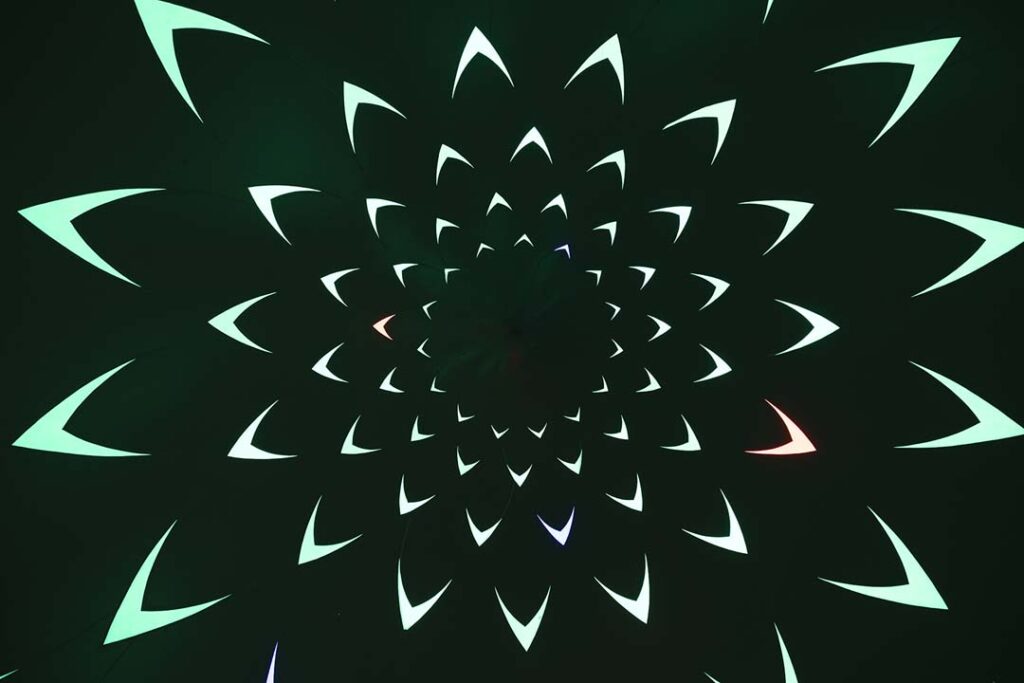
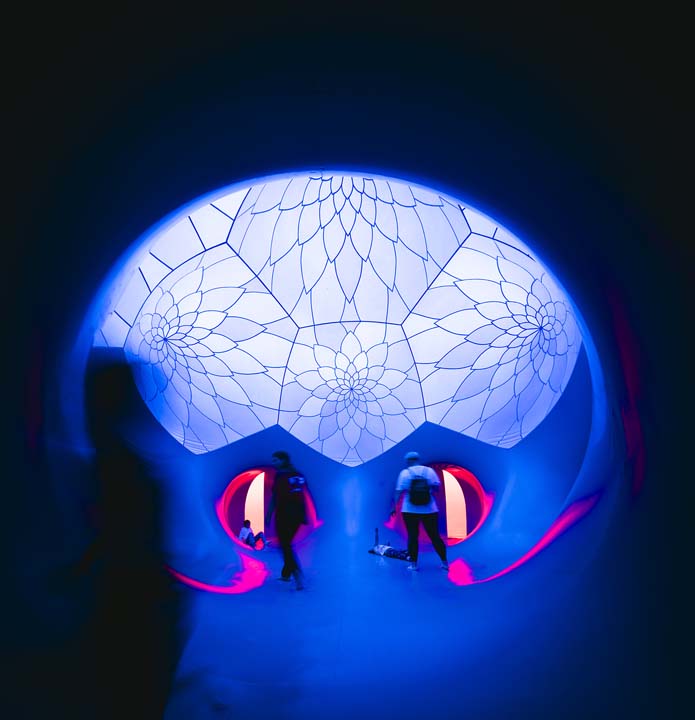
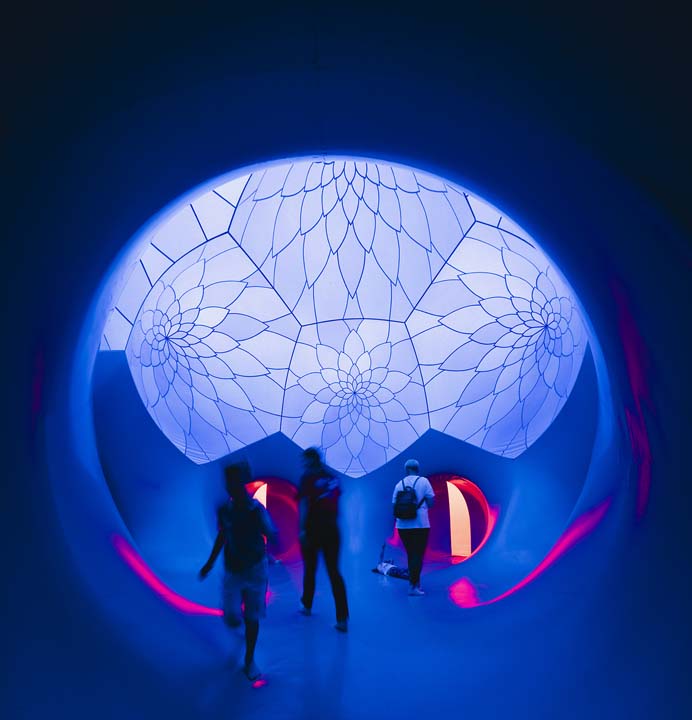
Arborialis is designed to echo aspects of being lost in a forest – there are radiant canopies of leaves that stretch overhead, there are vibrant tree trunks rising from the ground beneath. The Main Dome frames the leaf motif in a magnificent cupola that references the form of the Islamic mosque domes that are one of Alan Parkinson’s primary sources of inspiration. The visual world of Arborialis is enhanced by the natural and spiritual sounds of the Song of Danu created by Irish composer Dr Michael Morris.
Please note: 2-3 July sessions for pre-booked community groups only.
Under 16s must be accompanied by an adult.
The 11:00 session on both Saturday and Sunday will be a quiet session, designed to offer a calmer experience with reduced capacity and sensory stimulation.
This may be particularly suitable for visitors with additional needs. The experience is fully accessible, including for wheelchair users.
FAQs
What is a Luminarium?
A Luminarium is a sculpture you enter for an encounter with light. This immersive art installation has been likened to a labyrinth. Walking through will awaken all of the senses, creating a sense of wonder and enchantment for all ages. Many people find the luminarium calming – a place for rest or meditation.
The beautiful colours are created by natural light travelling through the material of the Luminarium walls. You will hear an ambient soundtrack. Each visitor has their own way of exploring the structure – some like to see every twist and turn, whilst others prefer to find a spot to rest and contemplate. We encourage you to explore in your own way!
Once you are ready to leave, you can do so through the one-way exit.
Who is a Luminarium for?
The Luminarium is suitable for all ages. It is a great option for a family day out, introducing younger children to artistic and cultural experiences in a public space. The structure is fully accessible for wheelchair users, who are welcome to visit at all times.
How long does it last?
A visit usually lasts around 20 minutes. If there are no queues you are welcome to stay and relax longer. At busy times, we may place a time limit of 20 minutes on your visit to allow as many people as possible to experience the Luminarium.
Who is Luminarium by?
Luminarium is brought to you by Nottingham-based company Architects of Air, led by designer Alan Parkinson. Their exhibitions have travelled to over 40 counties across 5 continents, reaching over 3 million people to date. You can find out more about Architects of Air here: architects-of-air.com
Do I need to have booked in advance?
Pre-purchase tickets will be available online for admission at booked times. Advance ticket holders must arrive 10 minutes before the time indicated on the ticket. A small queue should still be expected. If advance tickets are indicated as sold out, you can still join the line onsite but must expect a longer wait time.
There will be tickets available on the day, which will be available on a first come, first served basis. At Central Park, please speak to a member of the Transported team or an Architects of Air Ambassador.
Is it suitable for children and young people?
Yes! Luminarium is suitable for all ages and a fantastic opportunity to introduce young people to cultural events. Those under 16 must be accompanied by an adult over 18. Prams and pushchairs cannot to be taken into the Luminarium.
Is the installation wheelchair accessible?
Yes, Luminarium is suitable for wheelchairs.
Are guide dogs allowed inside?
The Luminarium is not an environment a dog feels comfortable in, even a guide dog. Other visitors may find it threatening if there are dogs barking. The dog would also need to wear protective shoes. So, our rule is that your guide dogs should remain outside, and we will find an alternative way for you to be accompanied through the Luminarium.
Is it suitable for those who are deaf or hard of hearing?
Yes. The Luminarium is predominantly visual and can be enjoyed by those who are deaf or hard of hearing. There is an ambient soundscape that accompanies the installation that contains no words and is not necessary to enjoy the experience.
Is it suitable for those with a visual impairment?
Luminarium is a highly visual installation that uses colour and light, though those with a visual impairment are welcome to explore the installation to enjoy the atmosphere and ambient soundscape. The Luminarium is not an environment that is suitable for guide dogs, so guide dogs should remain outside with a member of our team. If you have a visual impairment and would like to enter Luminarium, please make yourself known to a member of staff on arrival who can provide you with some more information and guide you.
Flashing lights, seizure warning and sensory warning
Luminarium contains no flashing lights or artificial lighting, and the colours within are created from sunlight flooding through the material. The Luminarium may have up to 80 people at any one time, so please be mindful of this in advance of your visit.
Is there seating inside of the Luminarium?
No, there is no seating available within Luminarium, but visitors are welcome to sit and lie down within the structure if they wish at any time.
Will the installation be cancelled in adverse weather conditions?
As Luminarium is an inflatable structure, the installation may be closed during high winds. Though firmly secured, safety is our number one priority, and the structure will reopen when it is safe to do so. In high temperatures, the Luminarium may temporarily close to cool down. The structure will open as soon as it is safe. Please listen to your stewards on the day for updates
What should I expect from my visit?
On arrival at the site you will join the queue.
At the reception tent visitors are invited to remove their shoes before passing through an airlock. Once inside they are free to follow their map and explore the installation, or, if they prefer, they can find a nice pod where they can simply sit and lay back to enjoy the ambience
The first reaction is often one of delight at the unexpected beauty of the light.
Each visitor has their own way of exploring the structure – some like to see every twist and turn, whilst others prefer to find a spot to rest and contemplate. We encourage you to explore in your own way!
What is It?
A Luminarium is a sculpture people enter to be moved to a sense of wonder at the beauty of light and colour.
Come inside to wander through a 1000m2 inflatable art work, with tunnels and cavernous domes, experiencing a range of colour, light and sound.
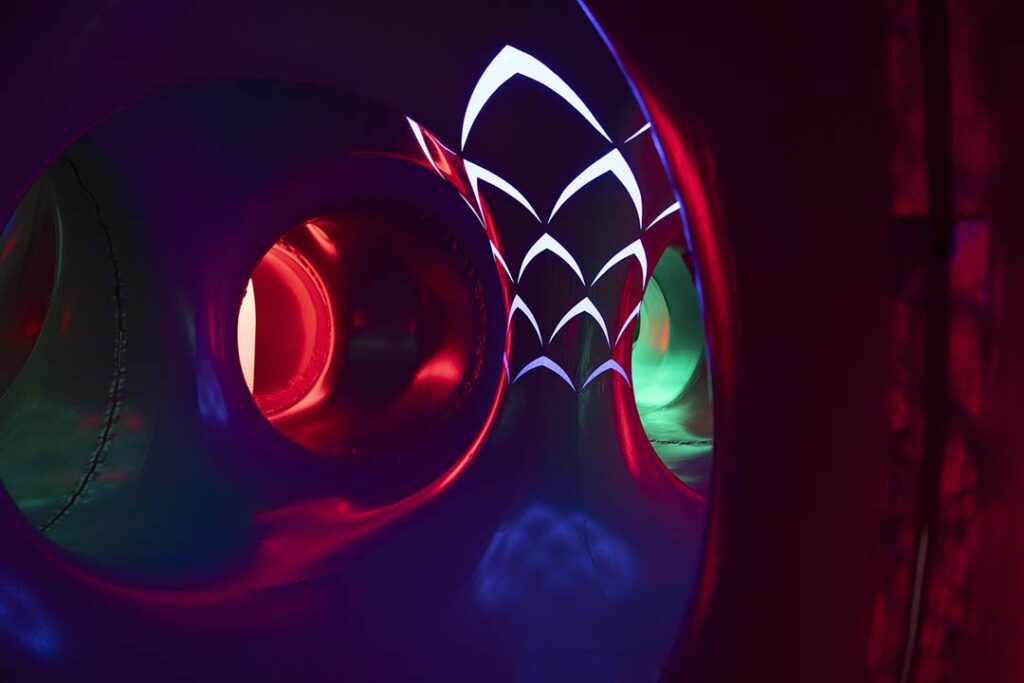
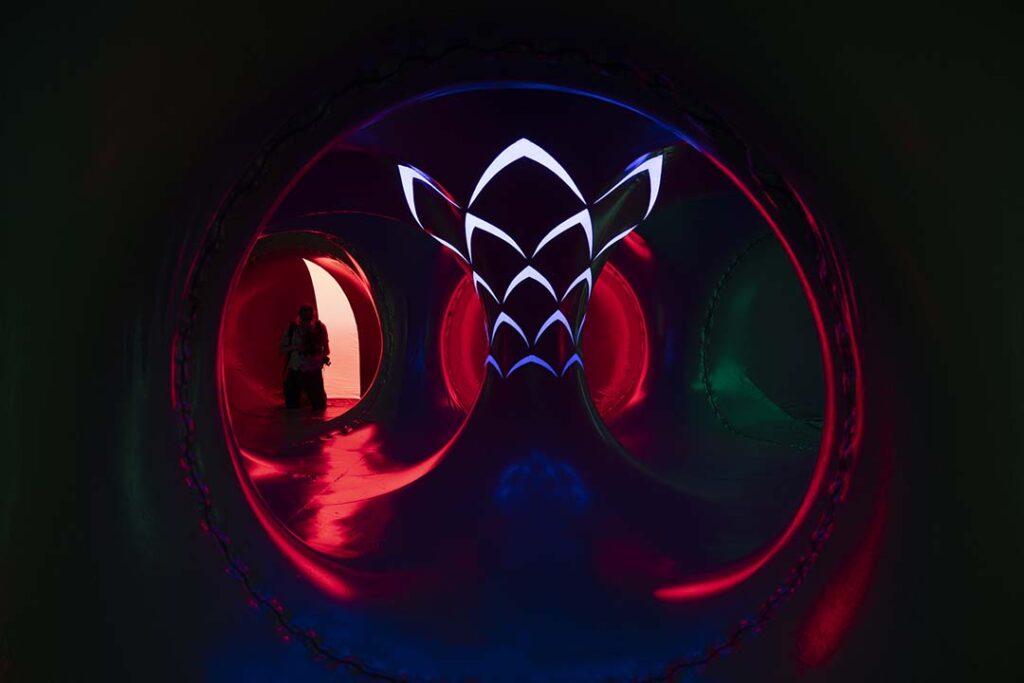
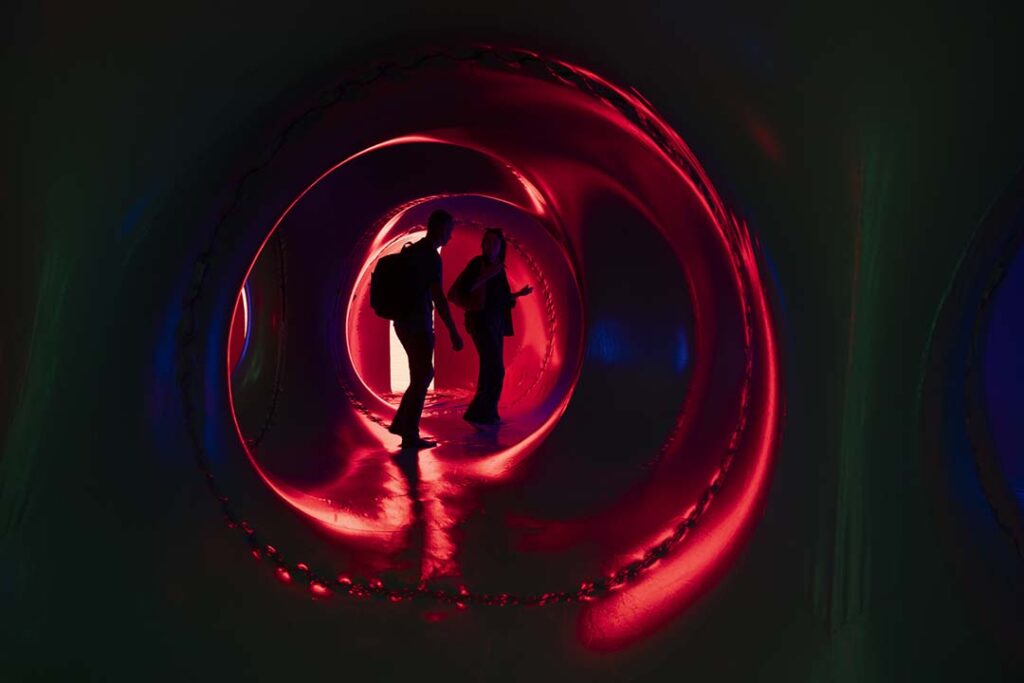
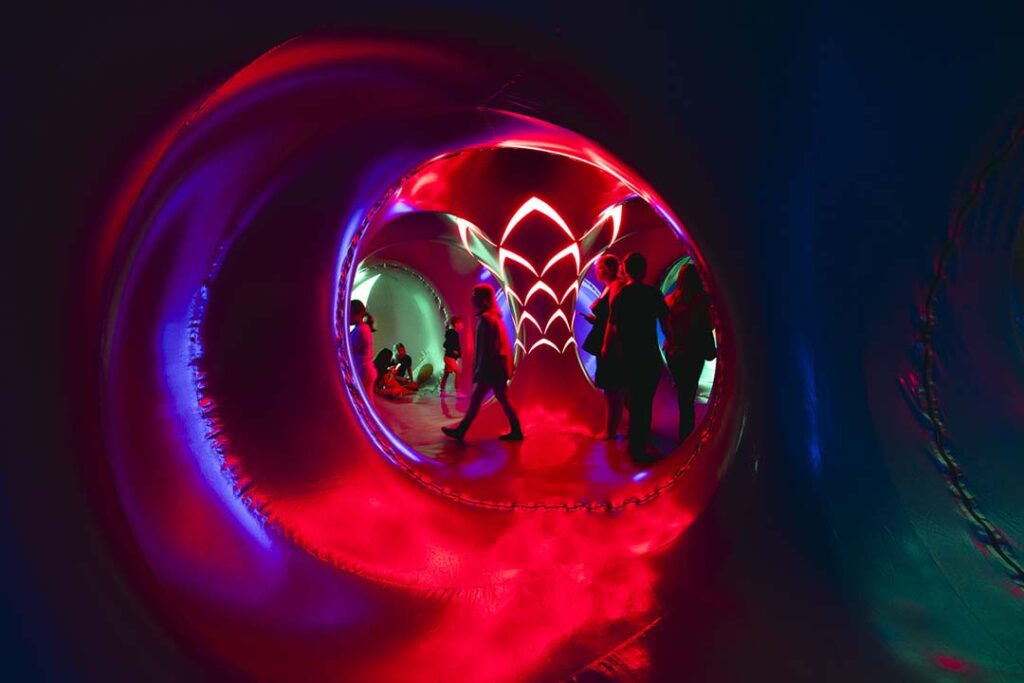
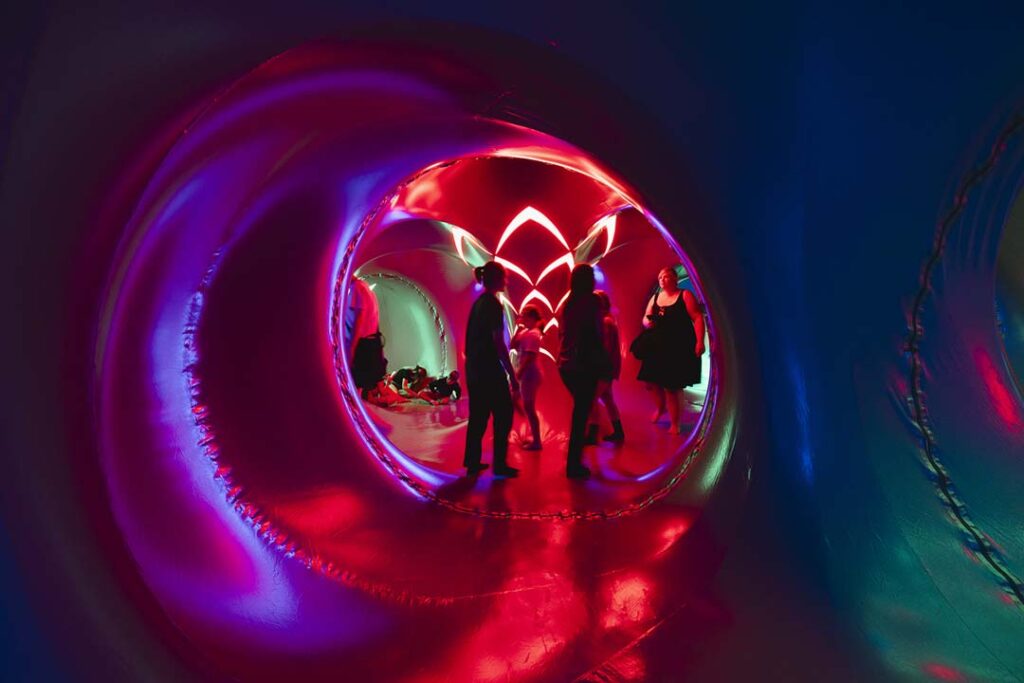
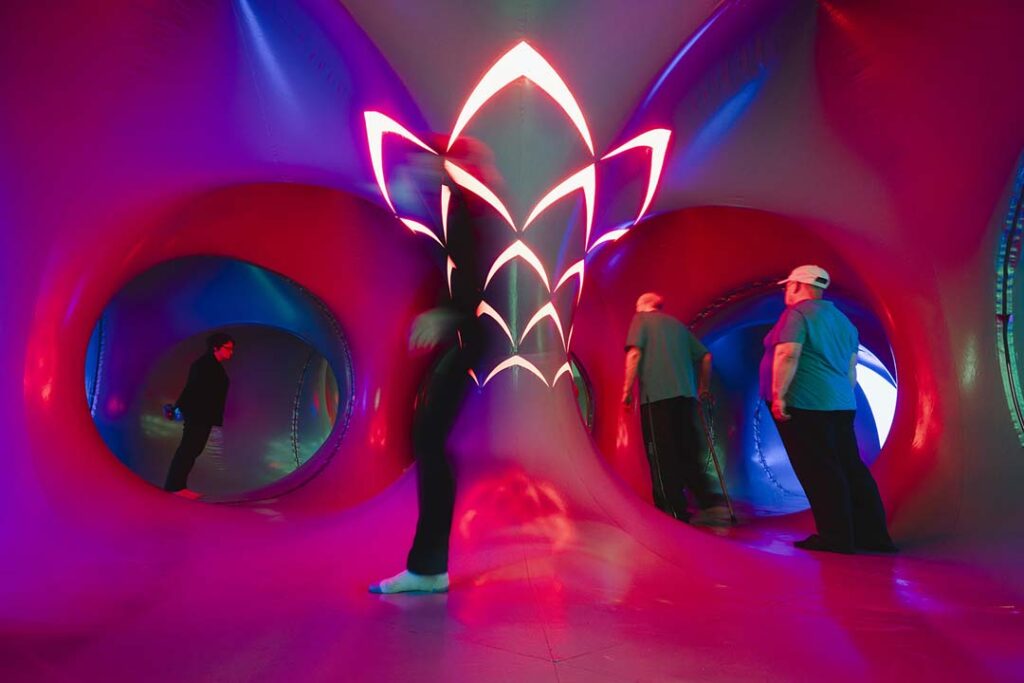
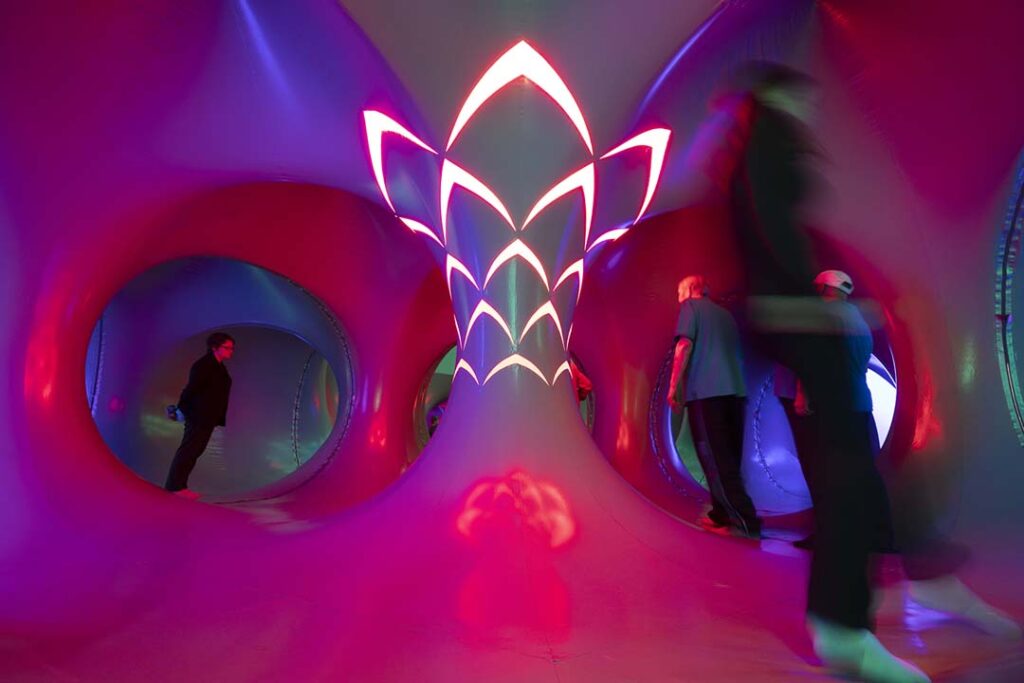
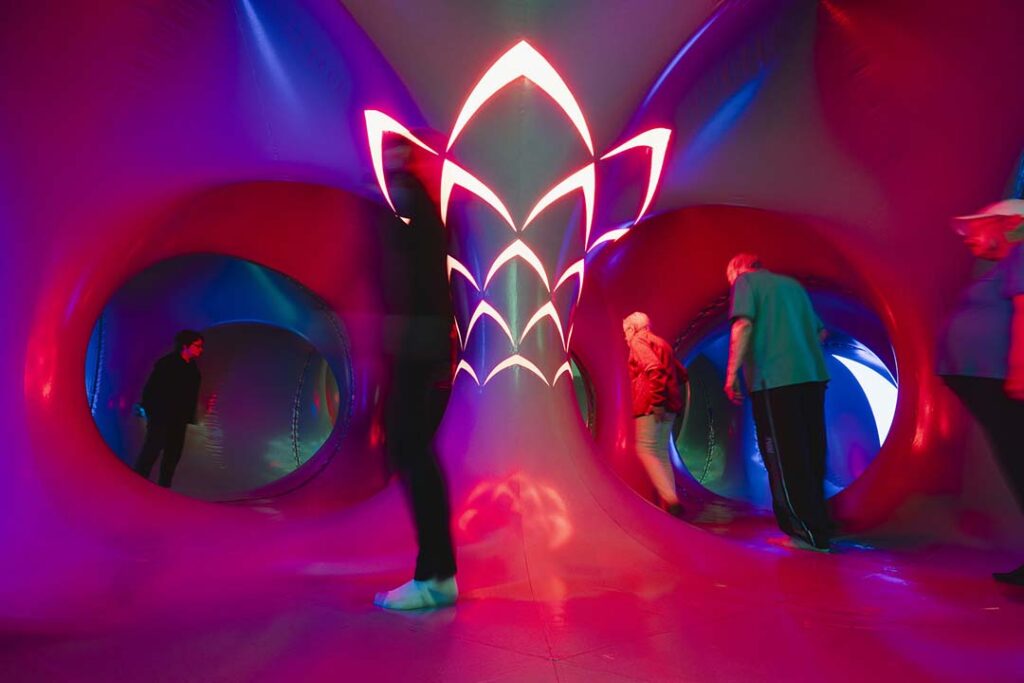
People have likened the experience to walking through a stained glass window or wandering through a gigantic, strange, breathing organic creature.
The radiance of the daylight transmitted by the coloured parts of the luminarium is surprising in its luminosity and makes a direct impact on the senses. Here the luminarium’s pneumatic environment, freed from the constraints of traditional architecture, amplifies the radiance of its translucent elements.
Visitors are excited to discover how the colours blend or resonate; how they transform faces and clothing.
The subtle soundscape created specifically for the luminarium accompanies the visitors in the experience.
Who made it?
They are designed by Architects of Air founder Alan Parkinson.
The luminaria are inspired by natural forms, geometric solids, Islamic and Gothic architecture. Each new creation is a maze of winding paths and inspiring domes where the visitors may lose themselves in sensory bliss.
Who can visit?
Everyone! The luminaria are fully accessible, giving access to a very broad audience, embracing all ages, abilities, cultures and communities.
Under 16-year-olds must be accompanied by an adult.
Any rules & recommendations
Under 16-year-olds must be accompanied by an adult. There is a strict ratio of one adult to 4 under 16 year olds. This is to maintain the calm atmosphe16-year-oldsis not permitted inside the Luminarium to maintain the calm atmosphere.
Once inside please take your time and walk slowly. Keep to the paths that are in contact with the ground as the plastic is delicate. There are pods where you can sit down or lie back to absorb the ambience.
Please do take photos, but don’t forget to allow yourself some time to fully relax and explore the space without your phone in your hand. Please respect visitor privacy when taking and sharing photos.
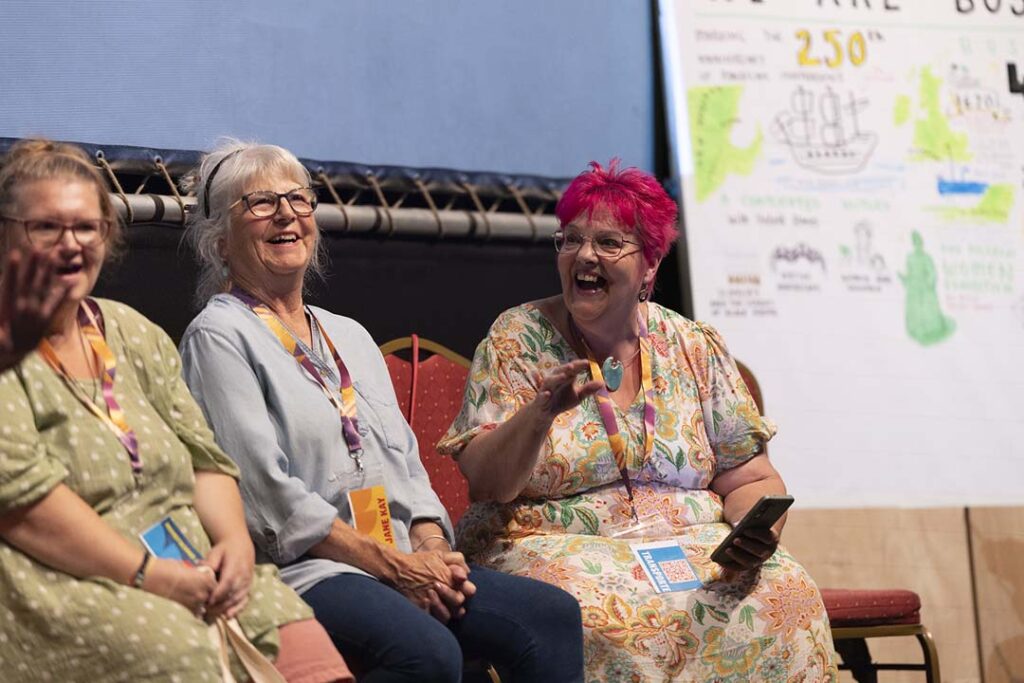
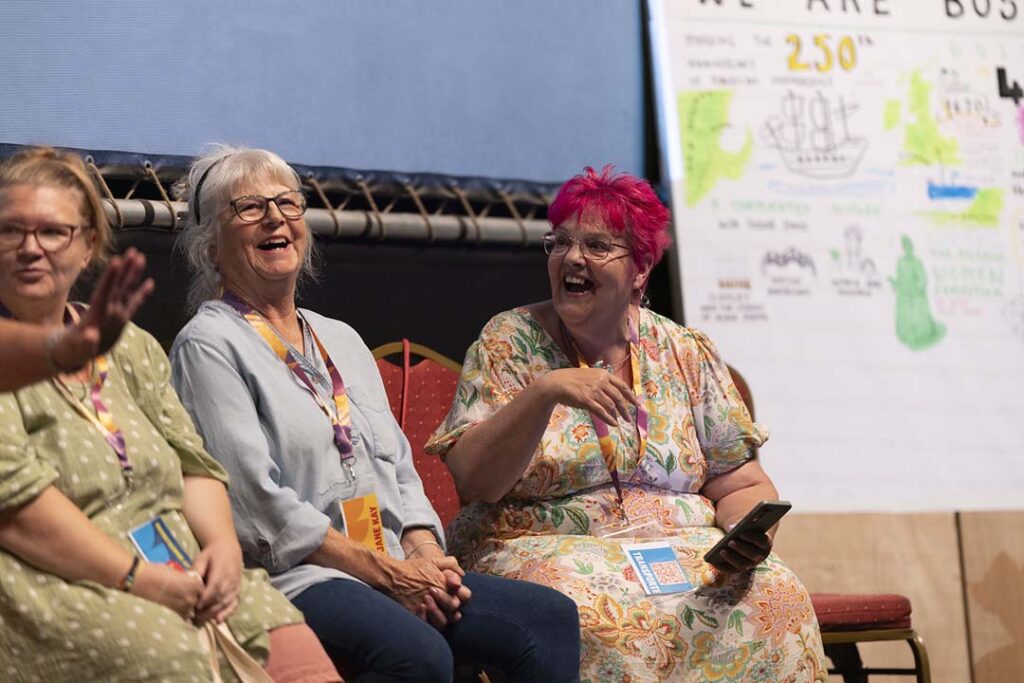
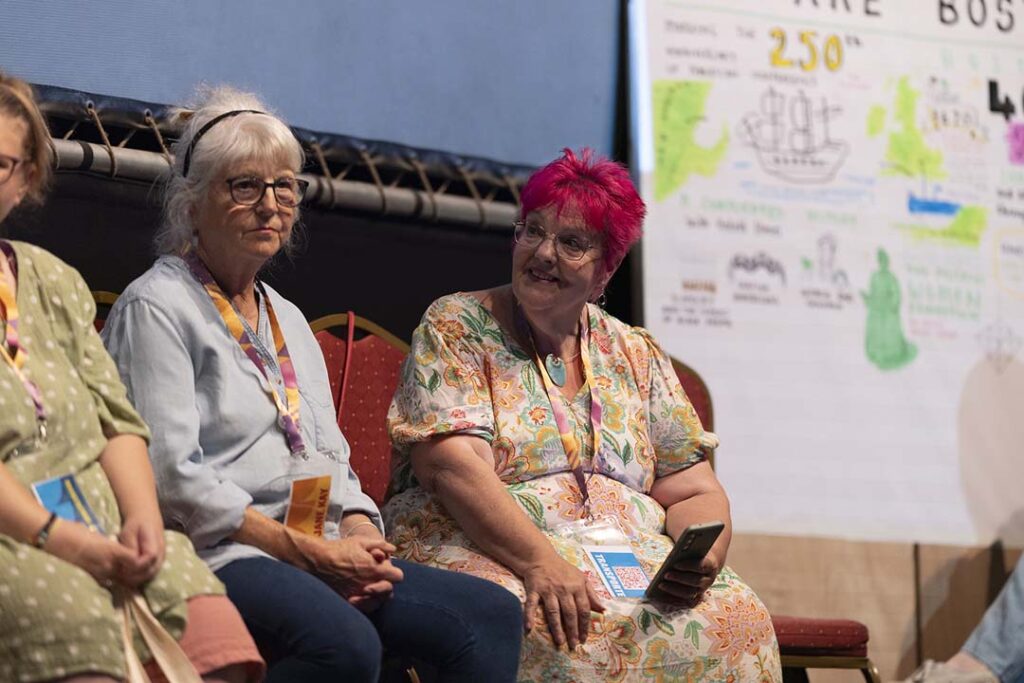
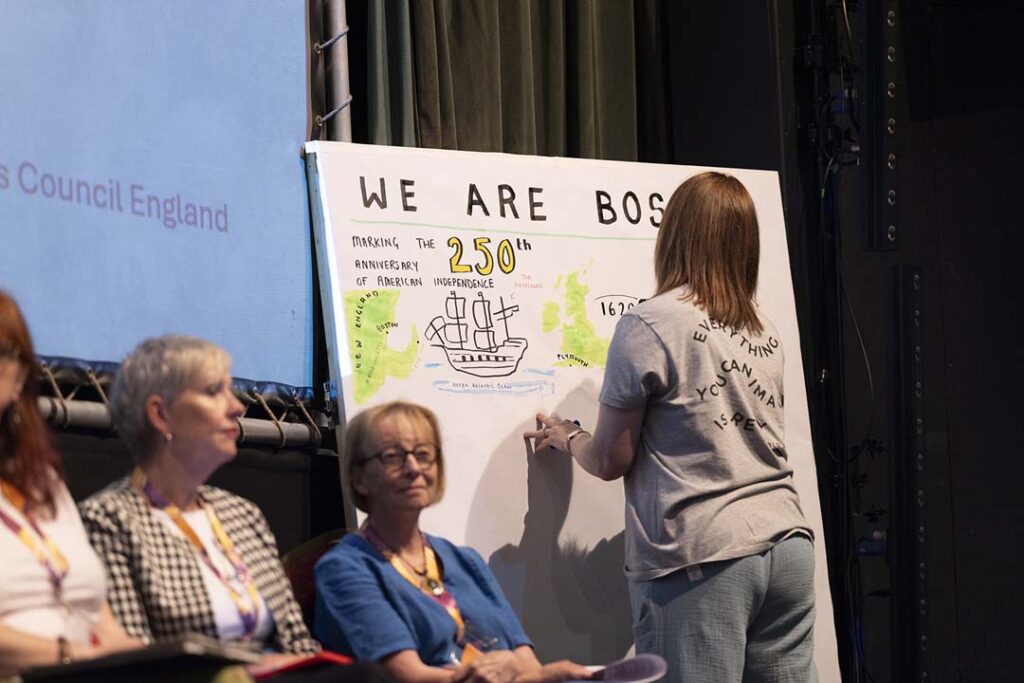
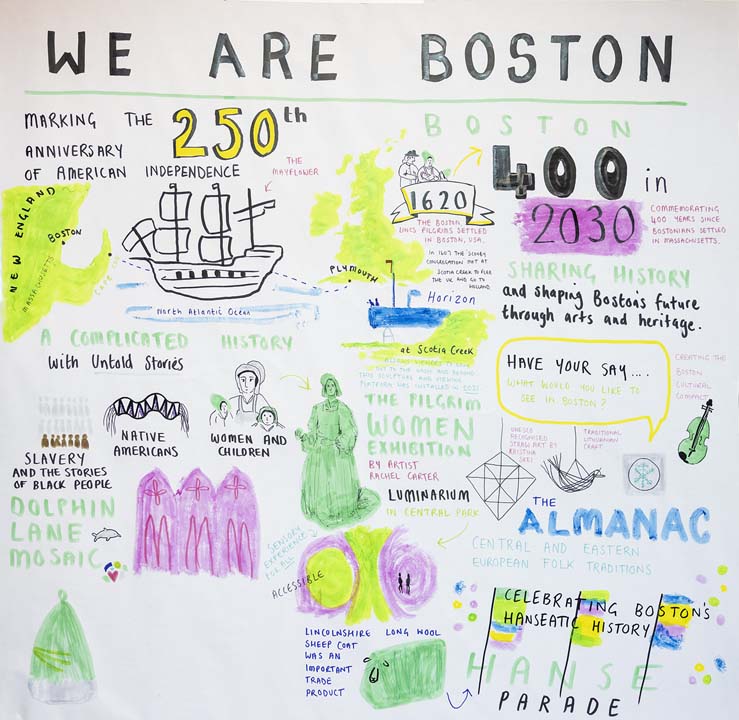
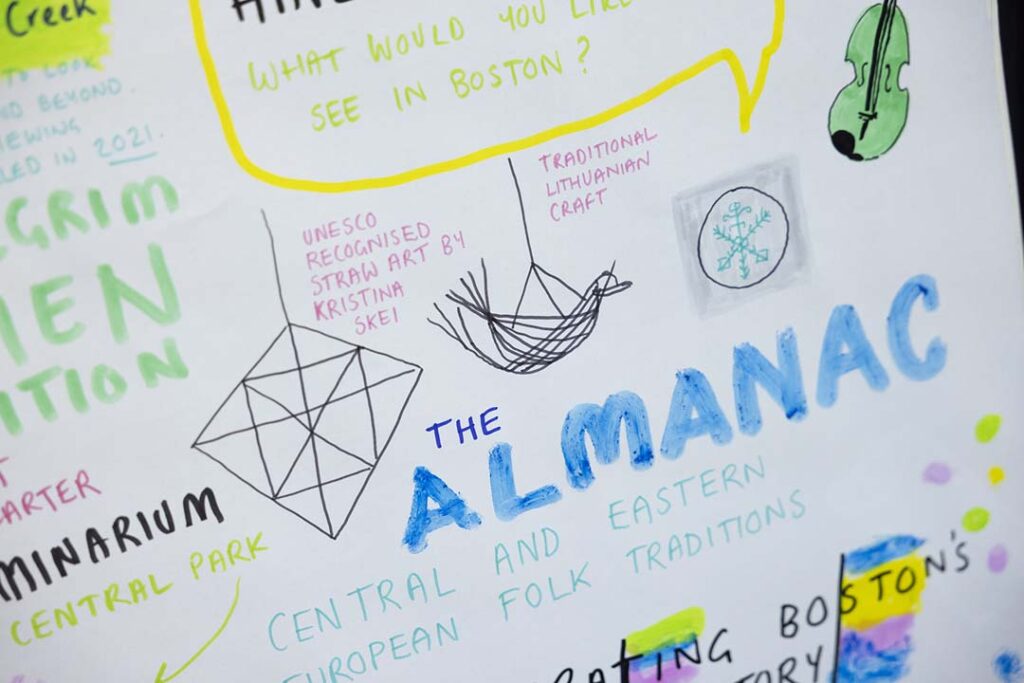
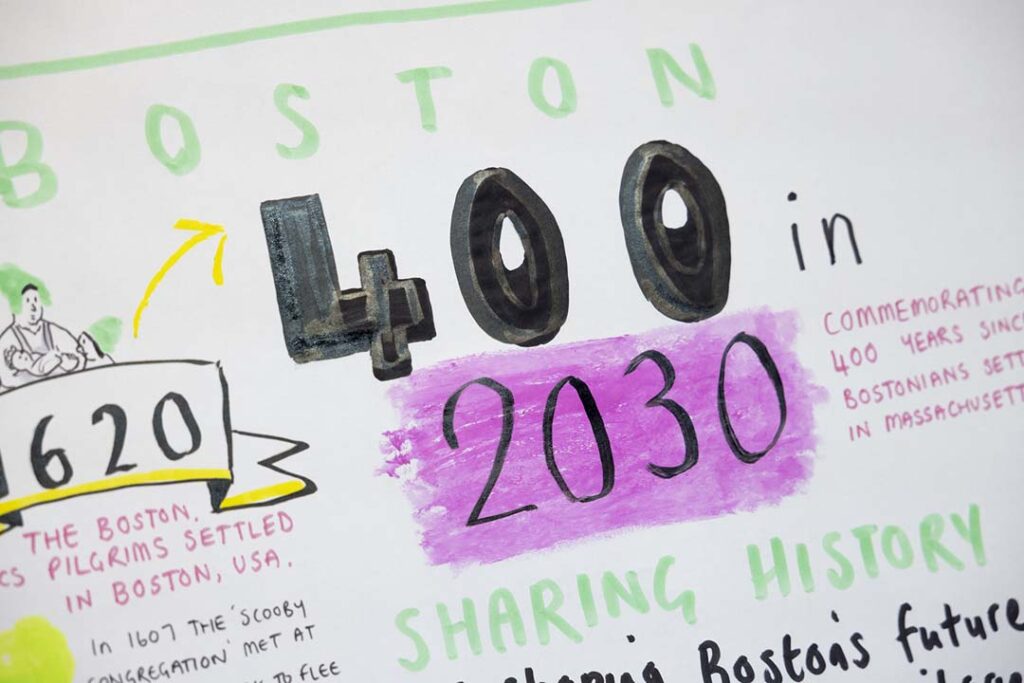
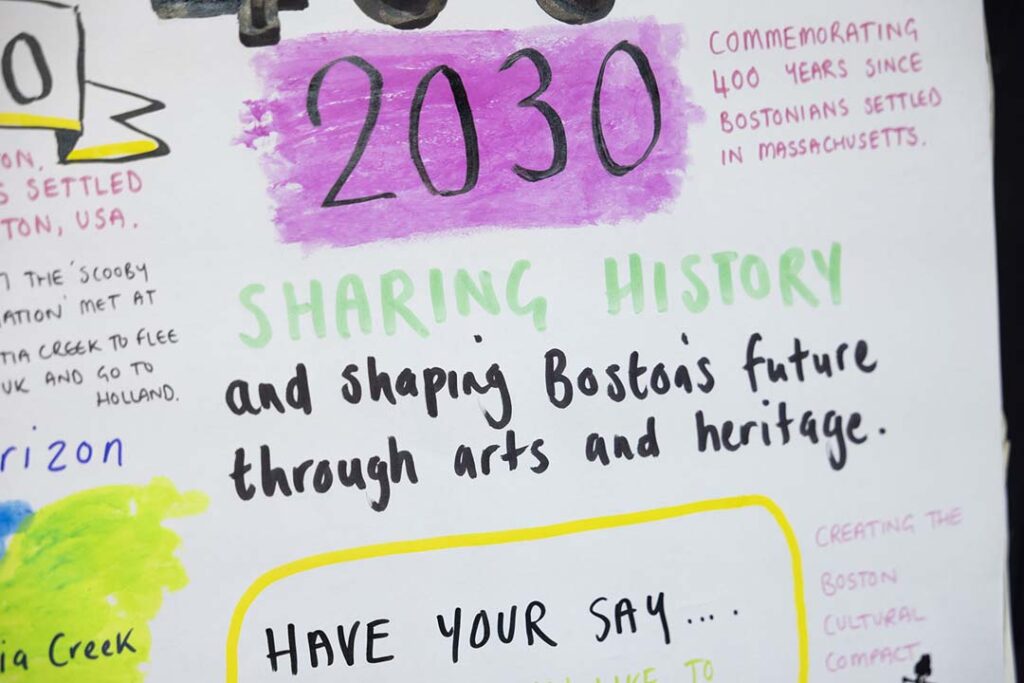
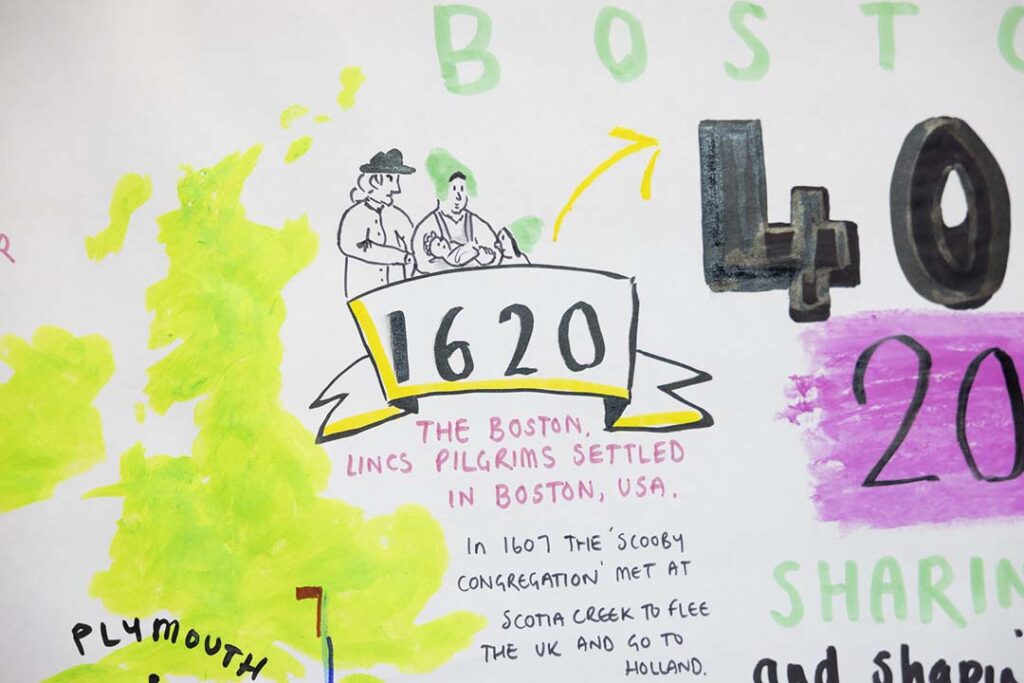
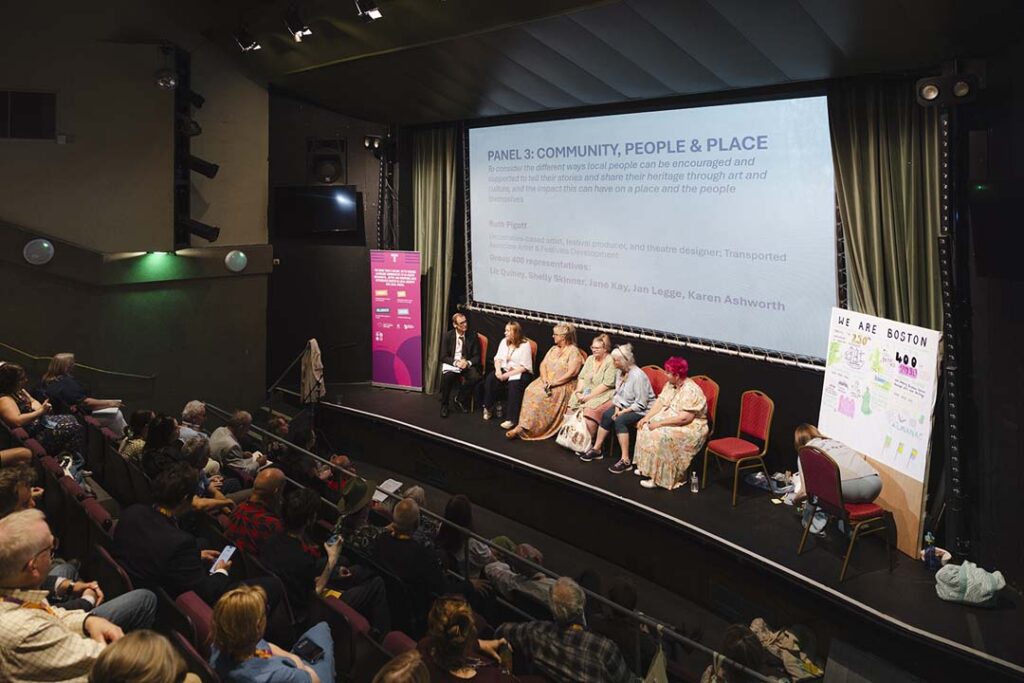
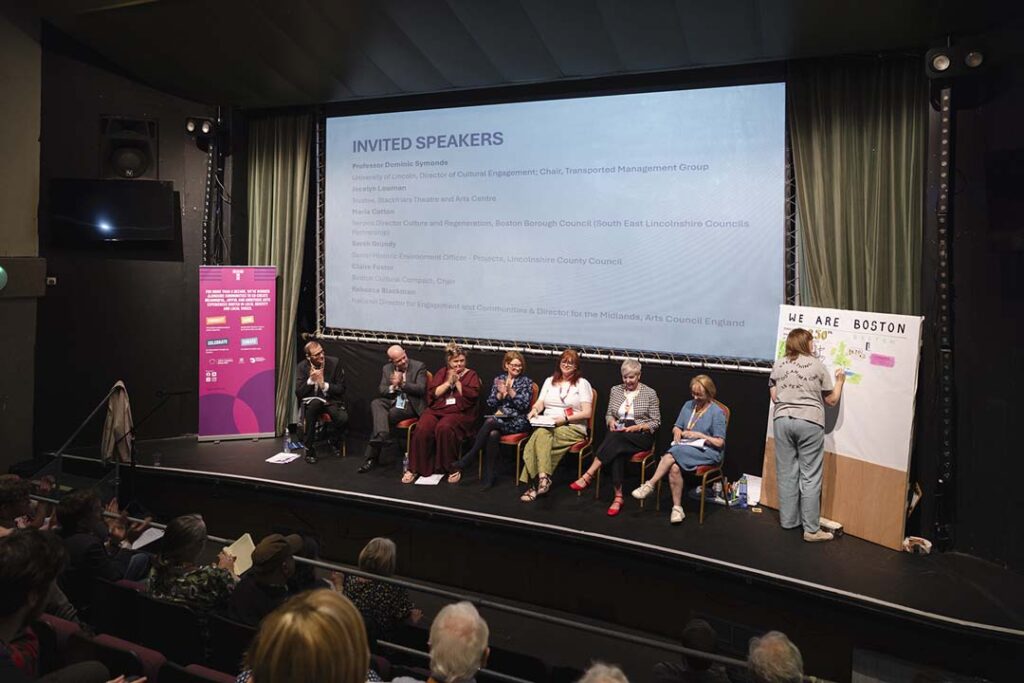
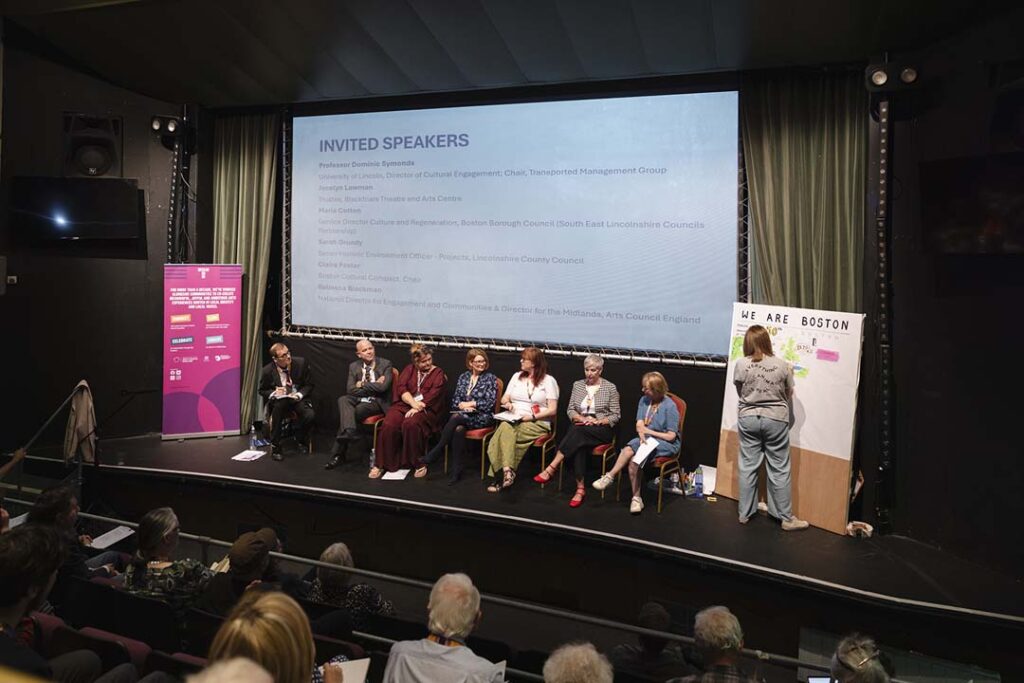
This event is part of our We Are Boston programme of immersive arts experiences across the town marking Boston’s historic connections to the USA on the 250th anniversary weekend of American Independence and launching community consultations on cultural plans for 2030 – the 400th anniversary of the foundation of Boston in America by people from Boston, Lincolnshire.
The event is funded by Arts Council England in partnership with Transported and Architects of Air, and made possible thanks to contributions and support from Boston Borough Council, and delivered by an incredible team of freelancers and volunteers including JRH Services, Curiosity Creators and Madara Vimba.


Marking the 250th anniversary of American Independence, the programme explored Boston’s historic connections to the USA while launching community conversations around cultural plans for 2030 – the 400th anniversary of the founding of Boston, Massachusetts, by settlers from Boston, Lincolnshire.
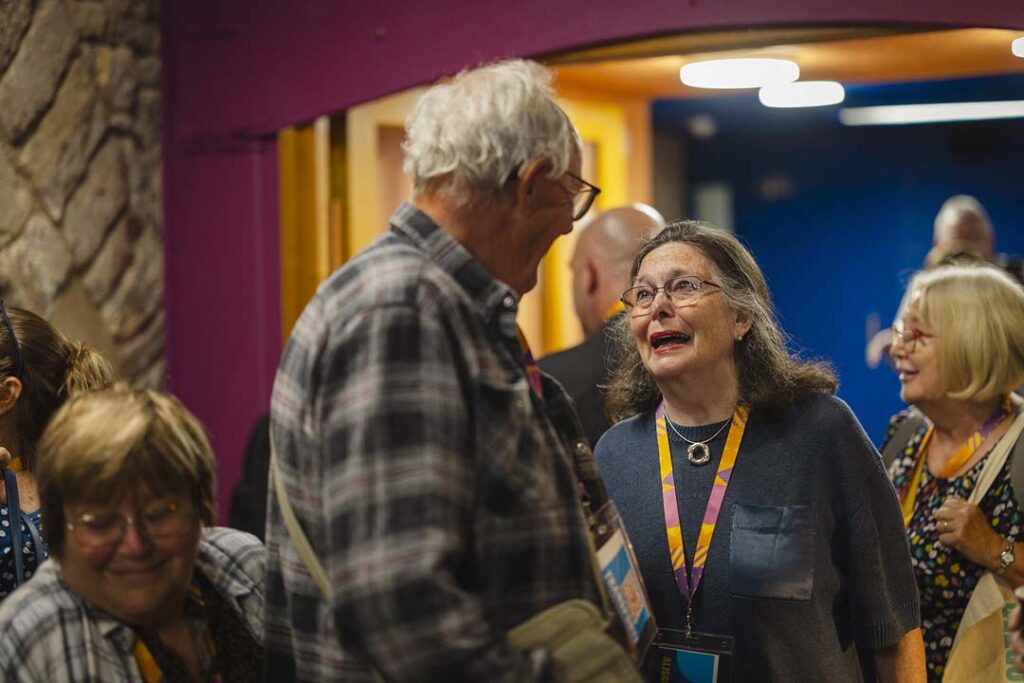
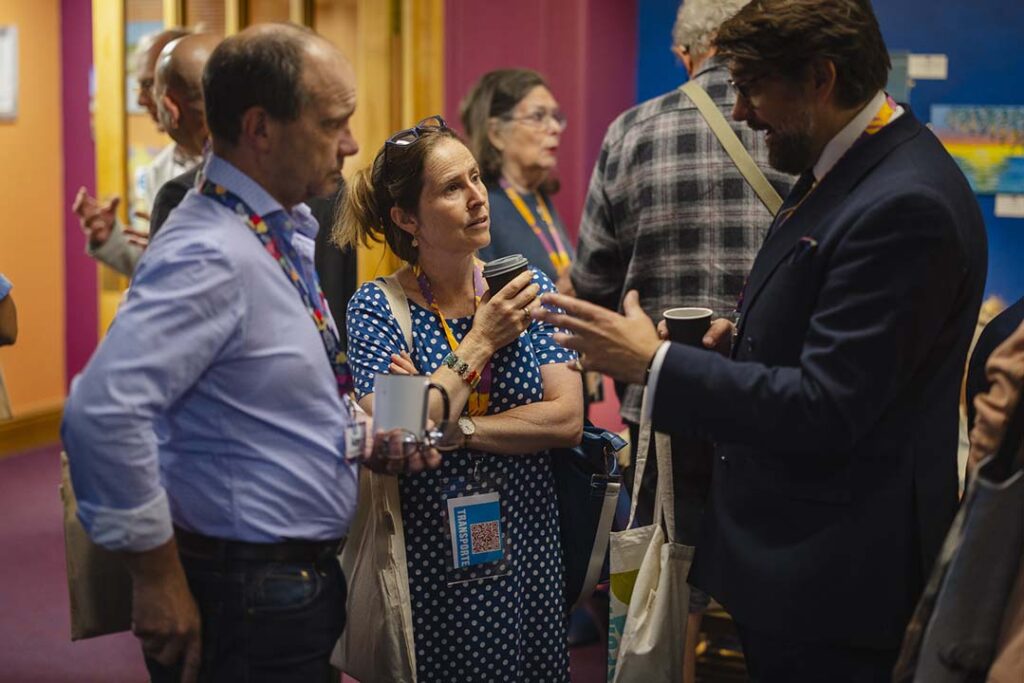
Taking place across multiple locations, We Are Boston invited residents and visitors to explore the town’s past, present and future through creative projects that reflected its identity, creativity and communities.


A Moment to Reflect
July 2026 marked 250 years since the United States declared independence. In Boston, Lincolnshire, this anniversary provided an opportunity to reflect on shared histories and global connections, while focusing on the people, places and stories that shape the town today.
Across exhibitions, installations and experiences, the programme highlighted Boston’s evolving identity, rooted in heritage yet shaped by contemporary voices.
Looking towards 2030
As Boston approaches the 400th anniversary of the founding of Boston, Massachusetts, We Are Boston began an important conversation about the town’s future.
The programme invited communities to consider:
- What will Boston look like in 2030?
- How will we tell its story?
- And how can culture play a role in shaping a shared vision?
Through the programme, local communities were invited to take part in these conversations and help shape what comes next.
Experiencing the Town Differently
At its heart, We Are Boston was about pride, participation and possibility.
Through art and culture, residents and visitors were encouraged to experience place in new ways, seeing, hearing and feeling the town differently. Whether stepping inside a Luminarium, exploring exhibitions or following heritage trails, the programme encouraged new perspectives and shared experiences.
Programme Highlights
We Are Boston brought together immersive experiences, exhibitions, performances and community events across the town.
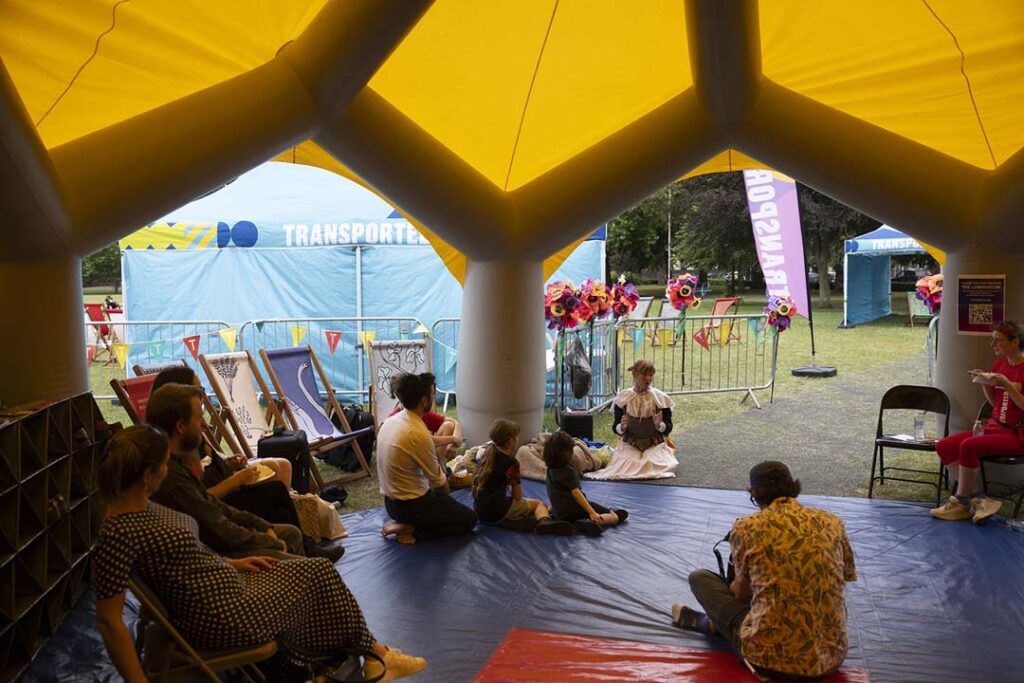
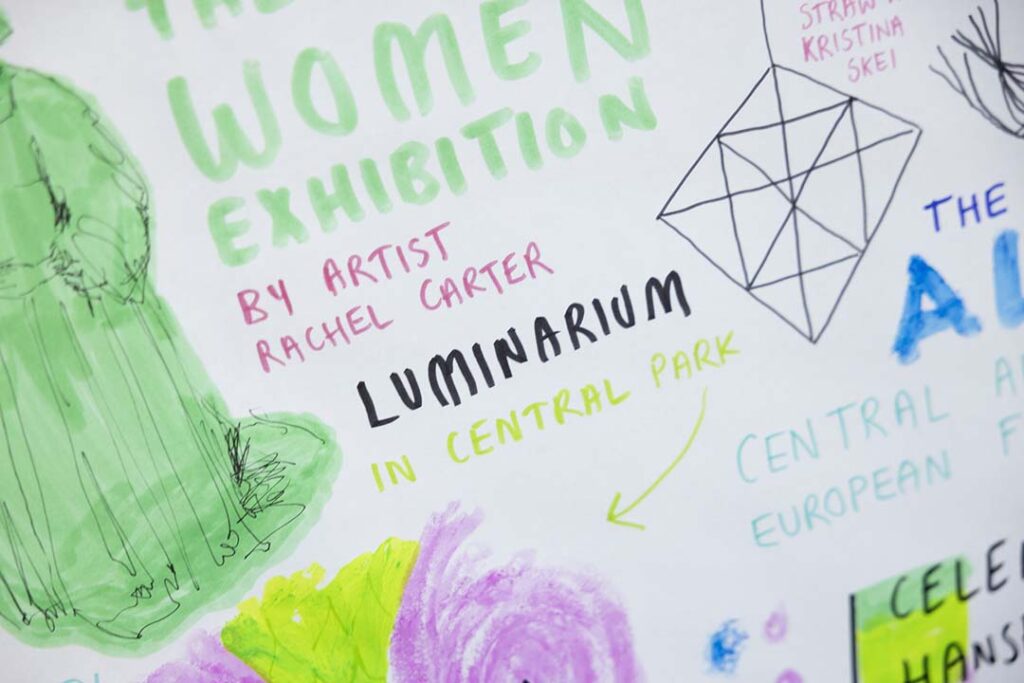
At the heart of the programme was Arborialis, the spectacular Luminarium by Architects of Air, which transformed Central Park into a world of colour, light and sensory exploration.
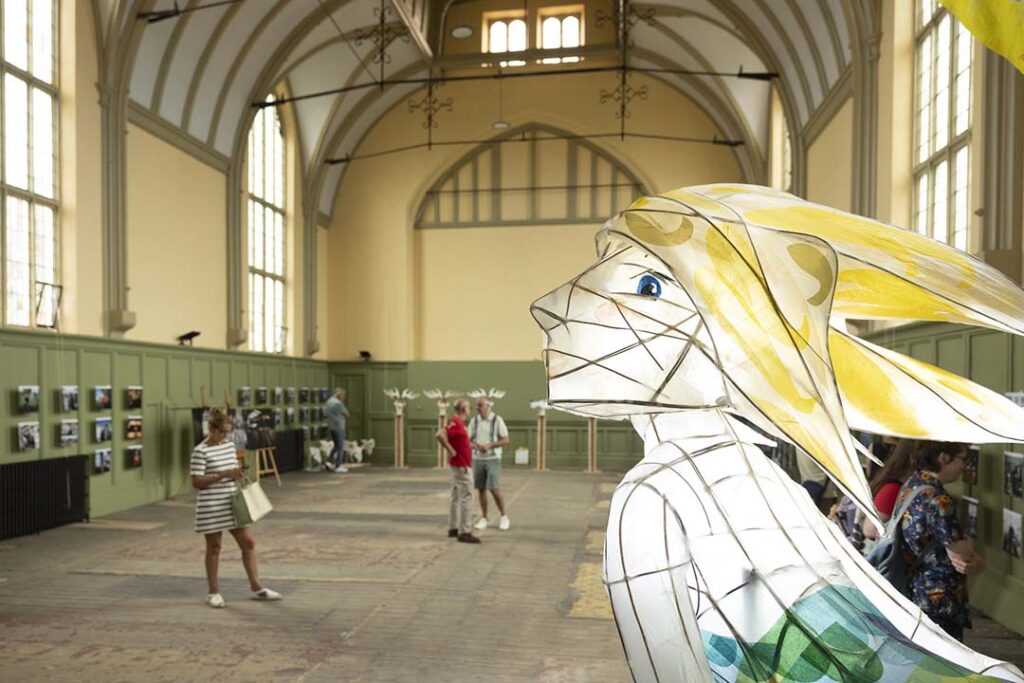
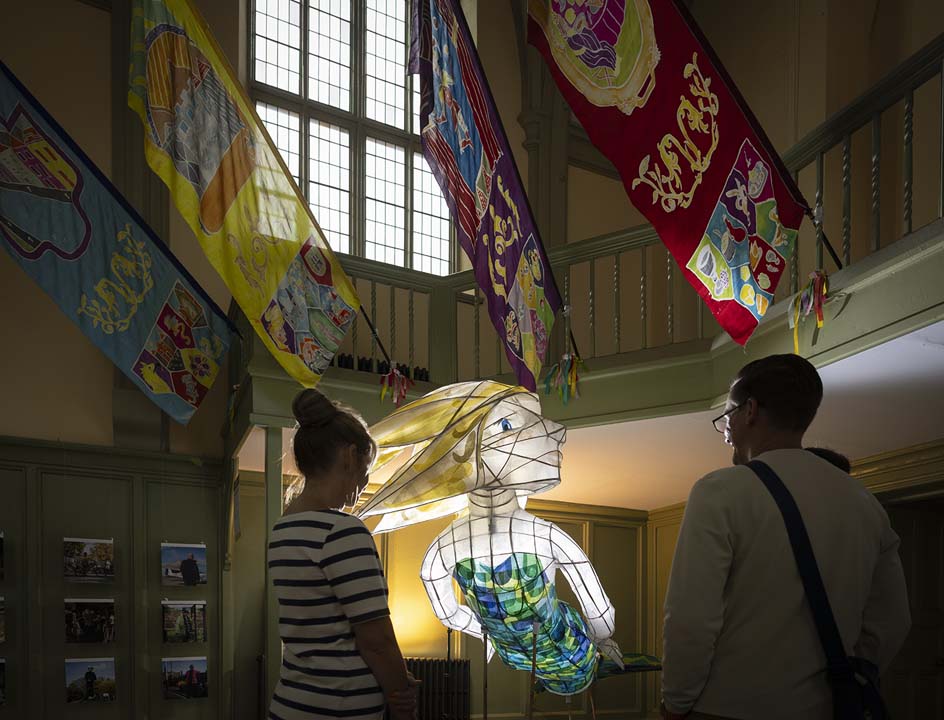
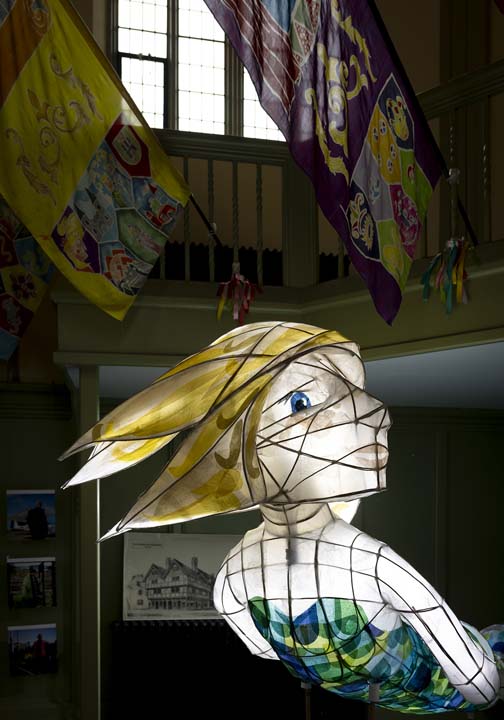
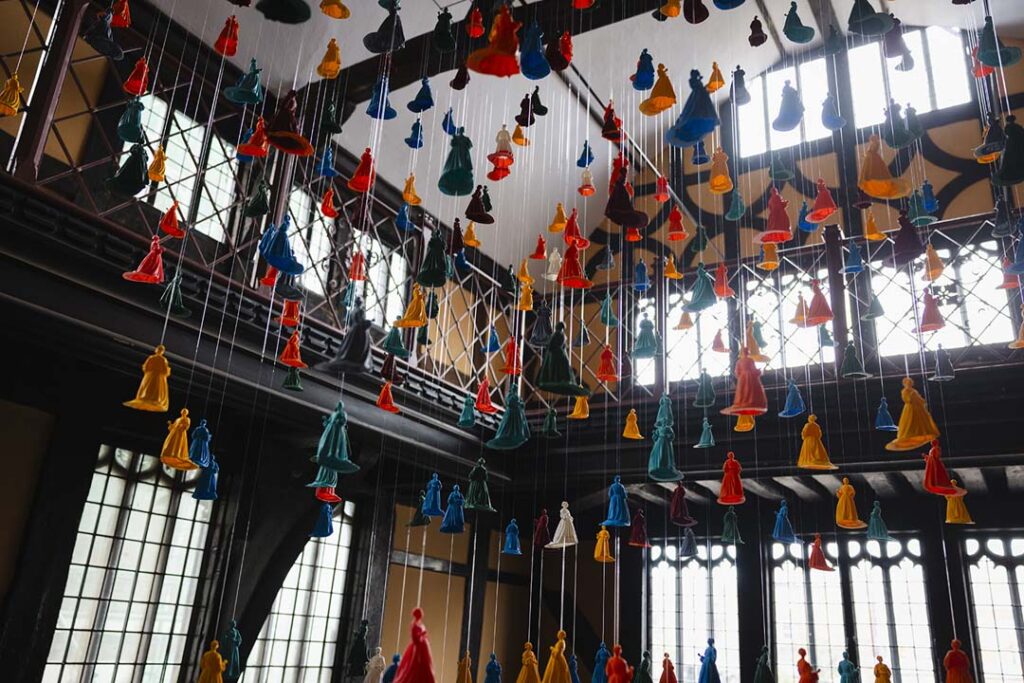
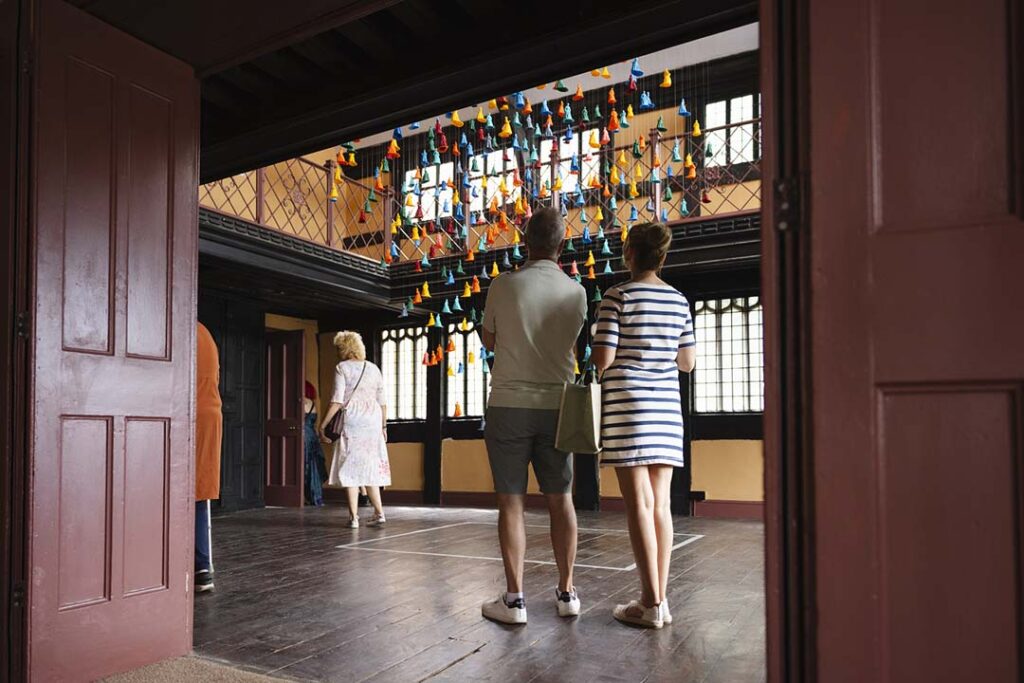
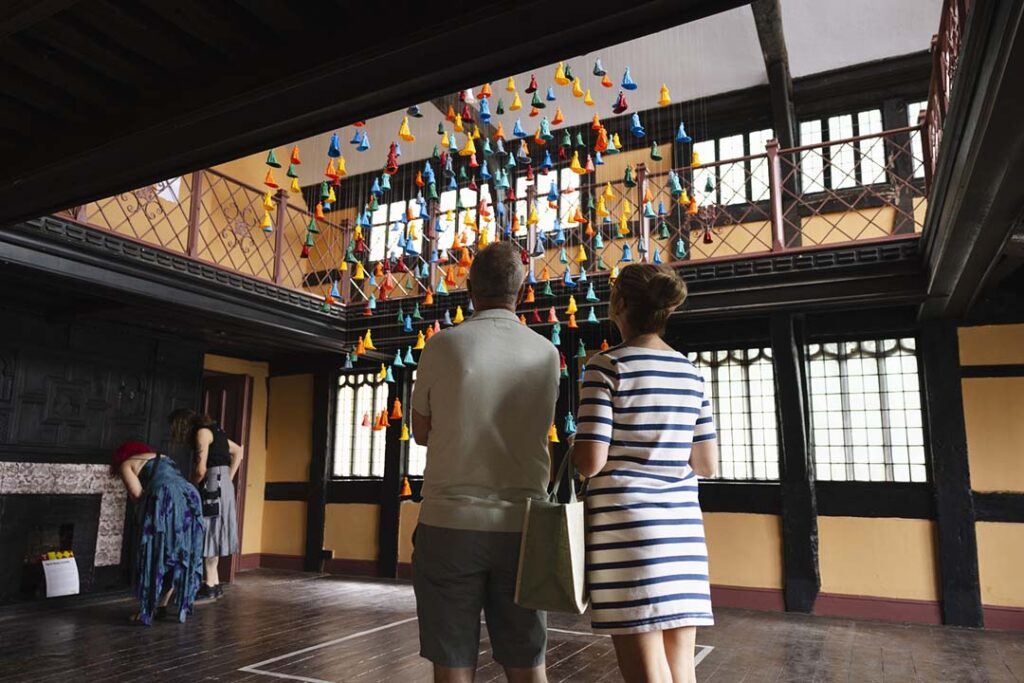
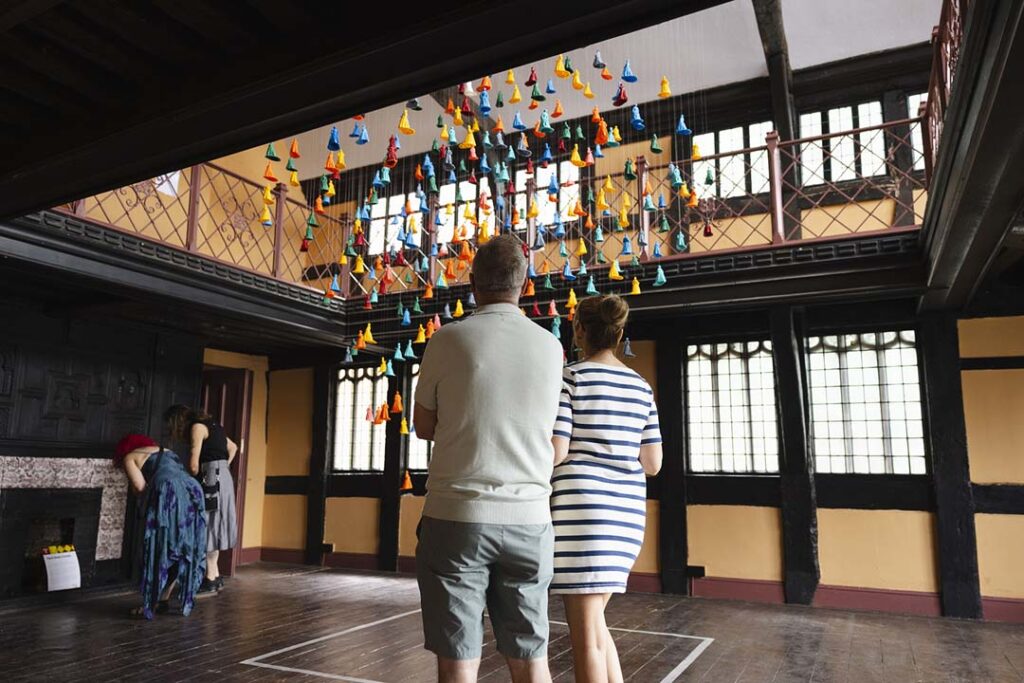
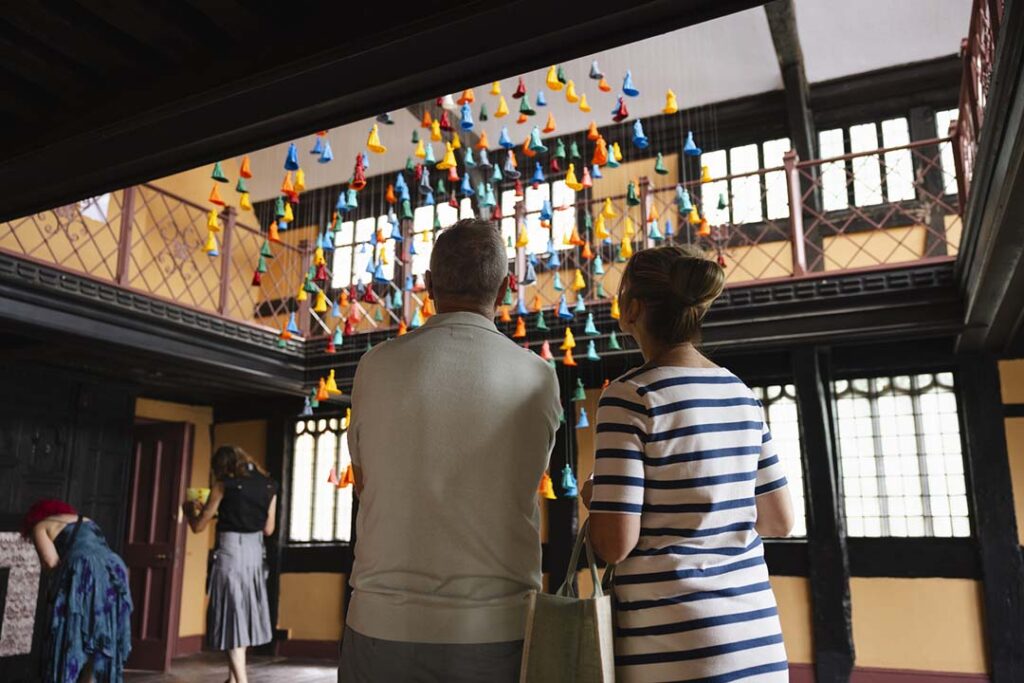
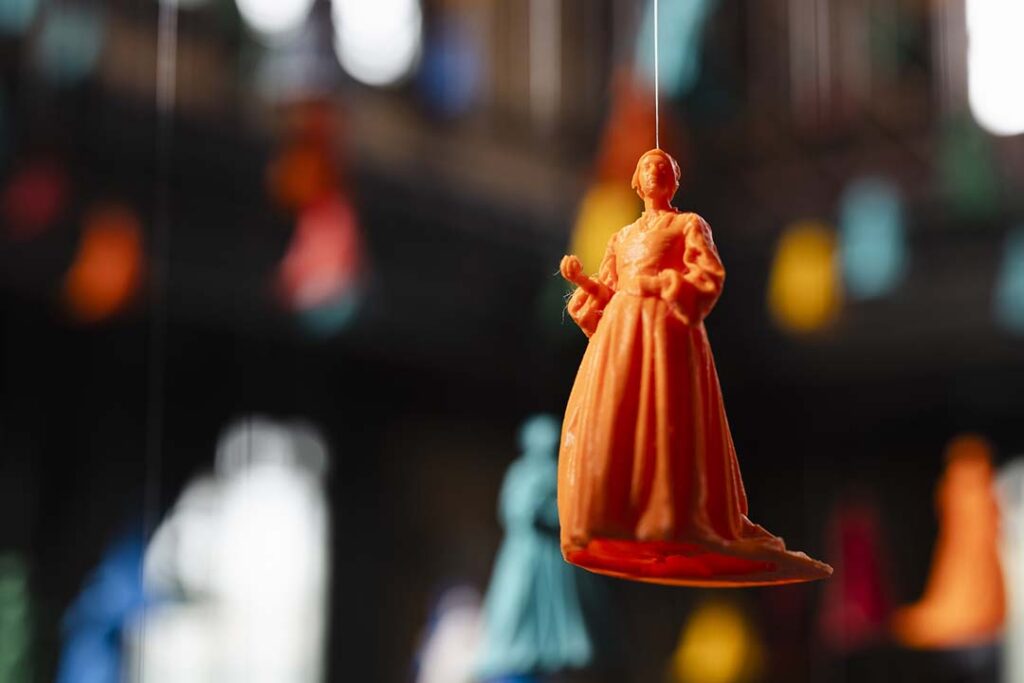
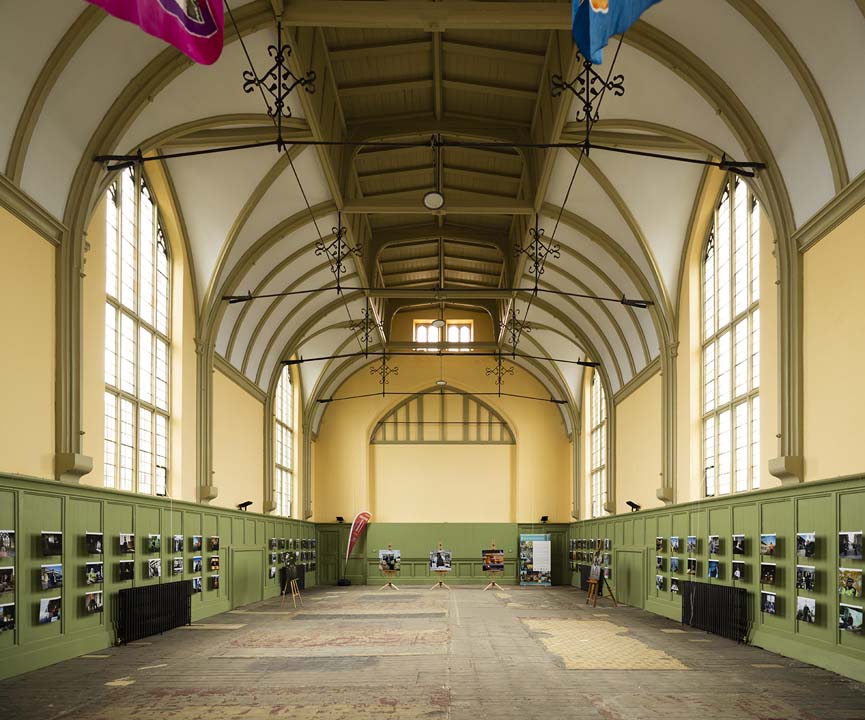
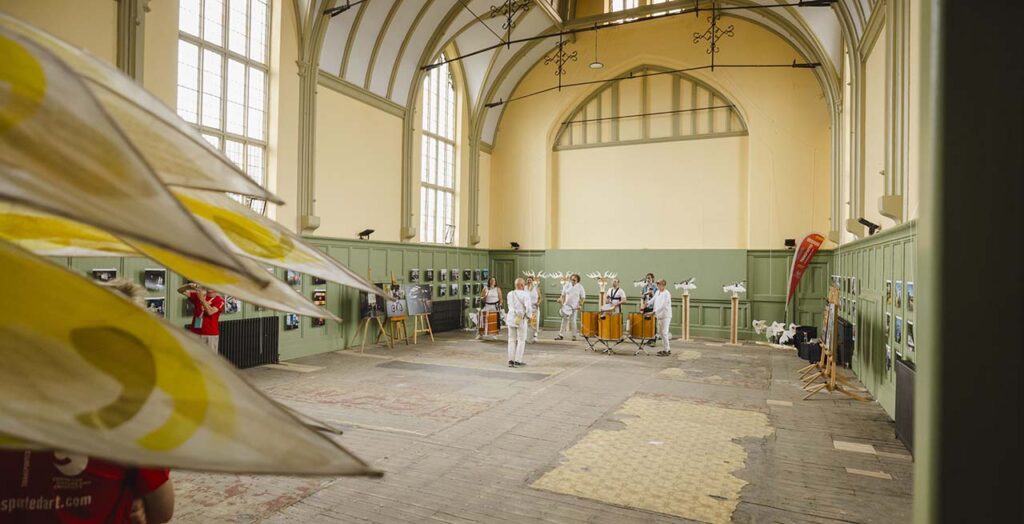
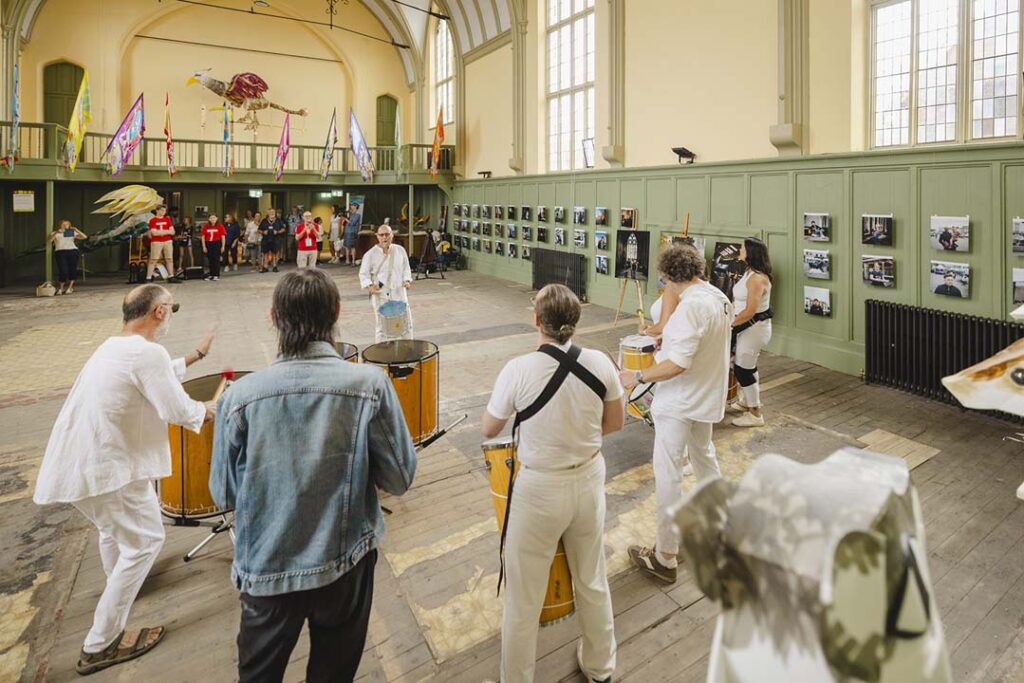
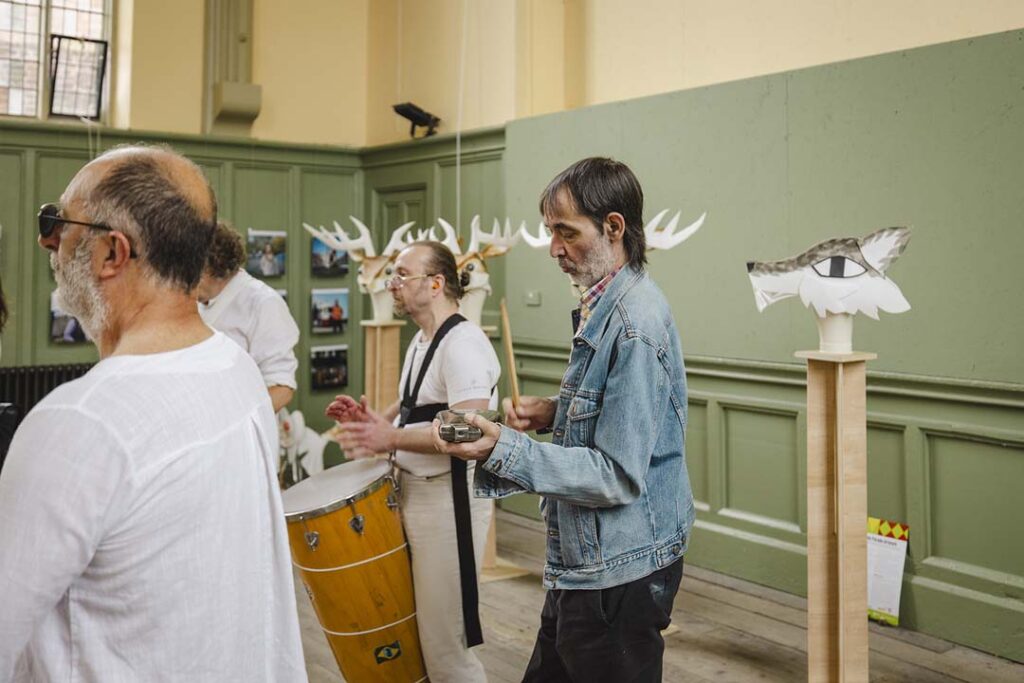
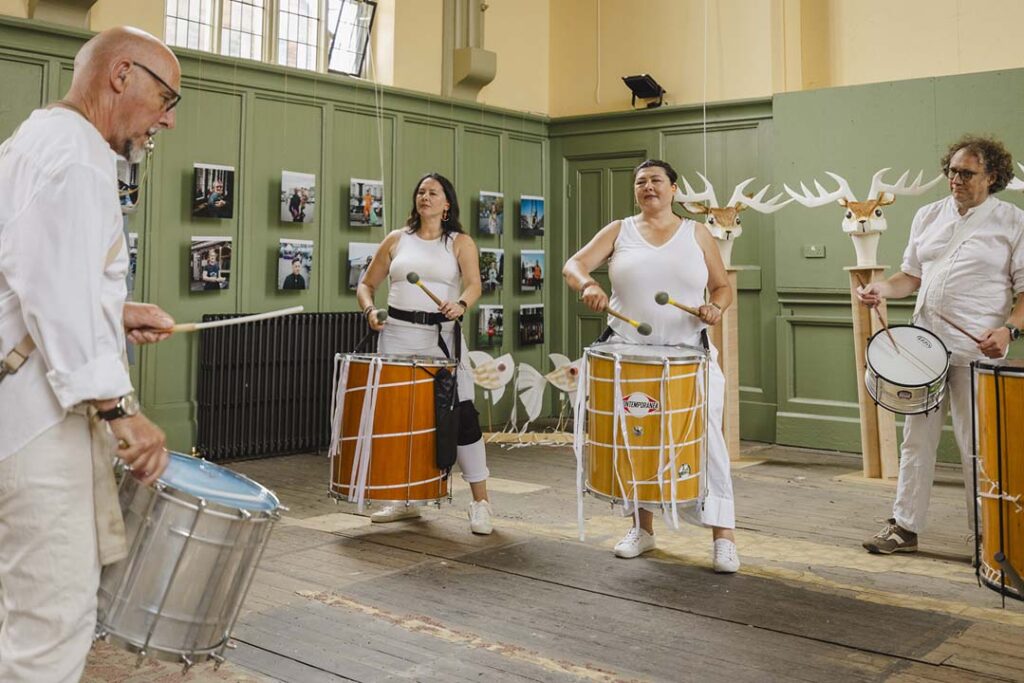
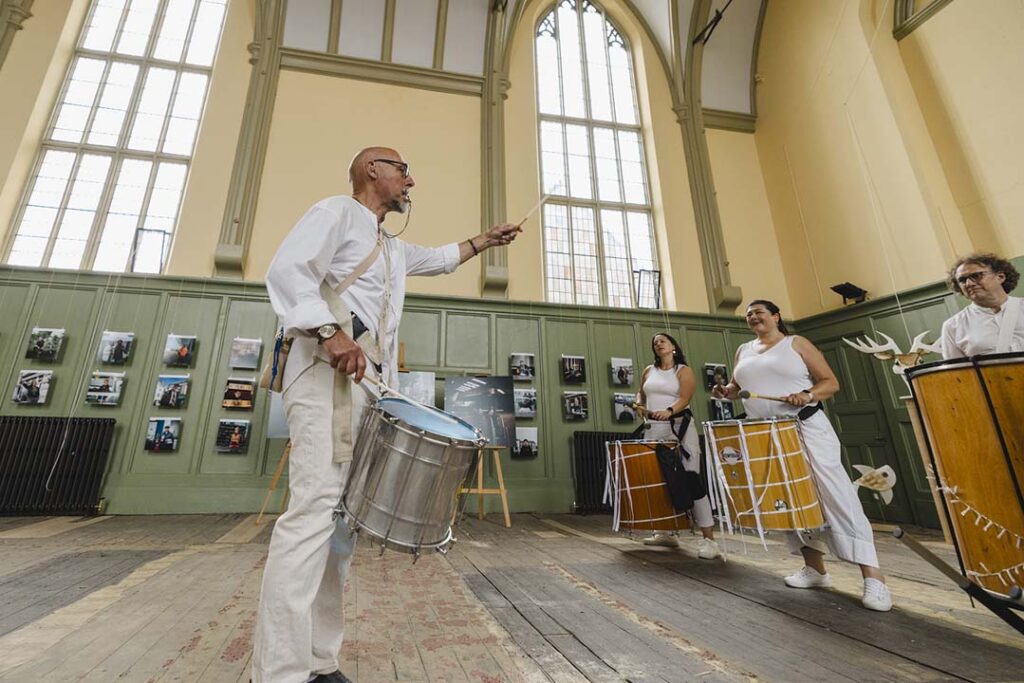
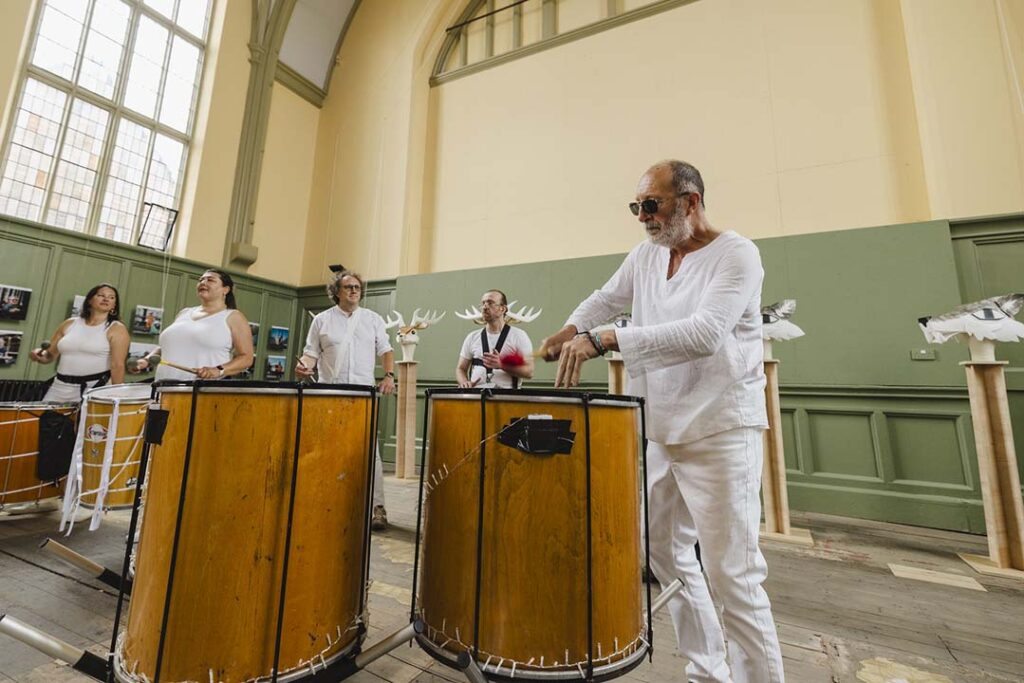
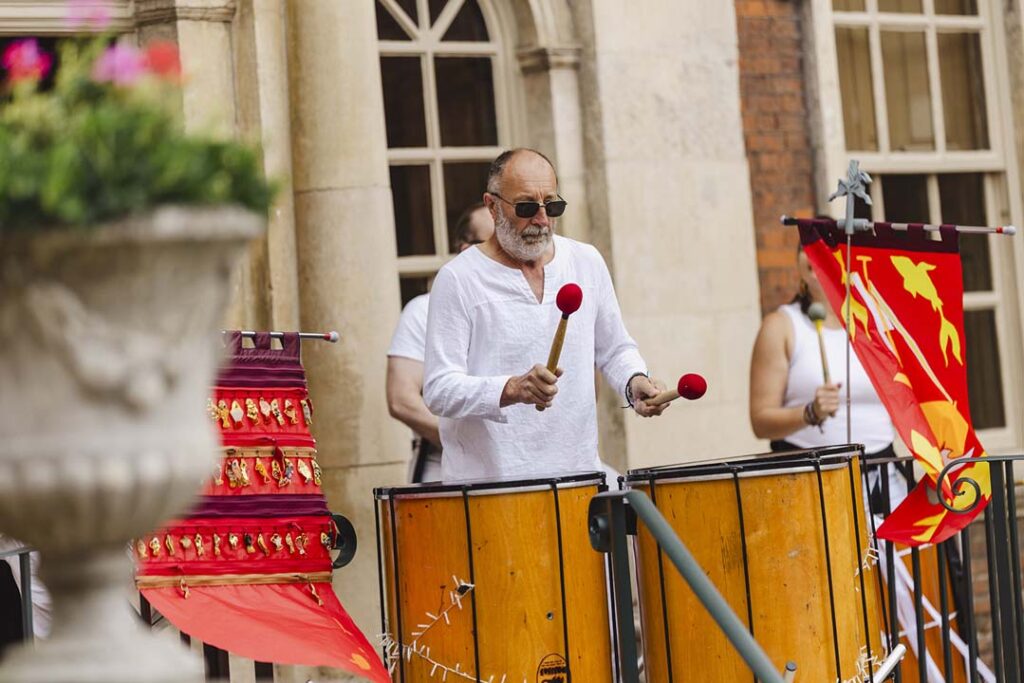
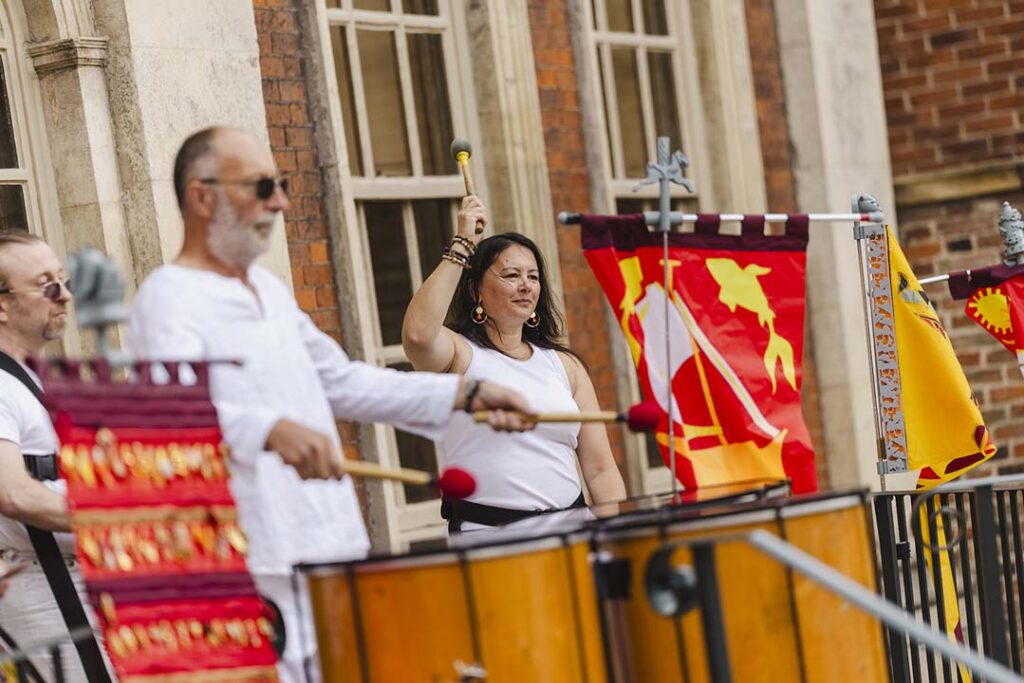
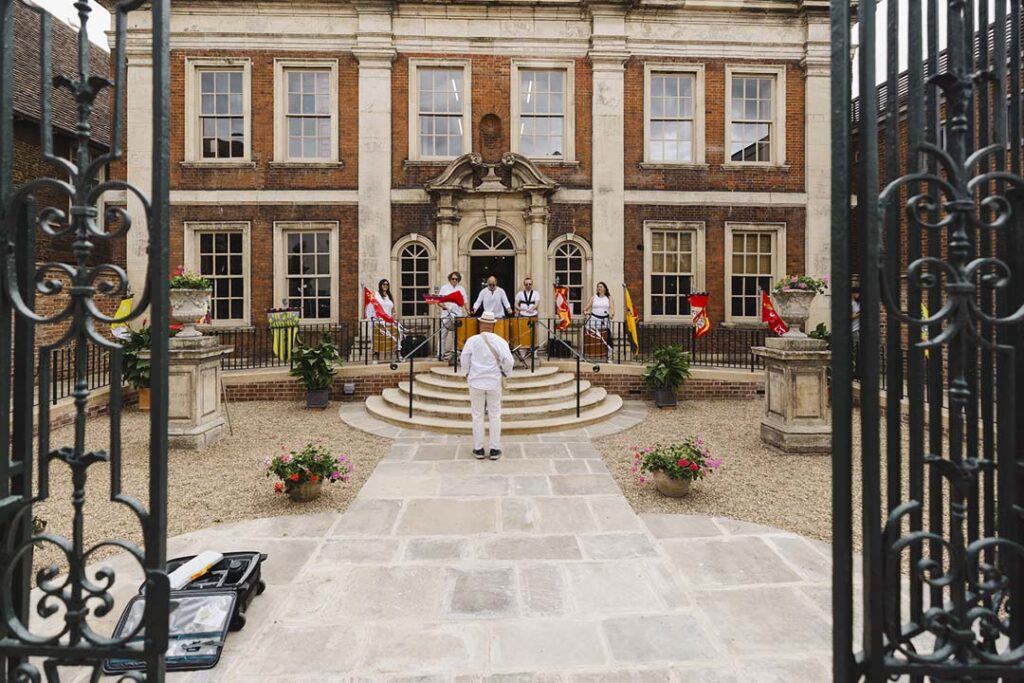
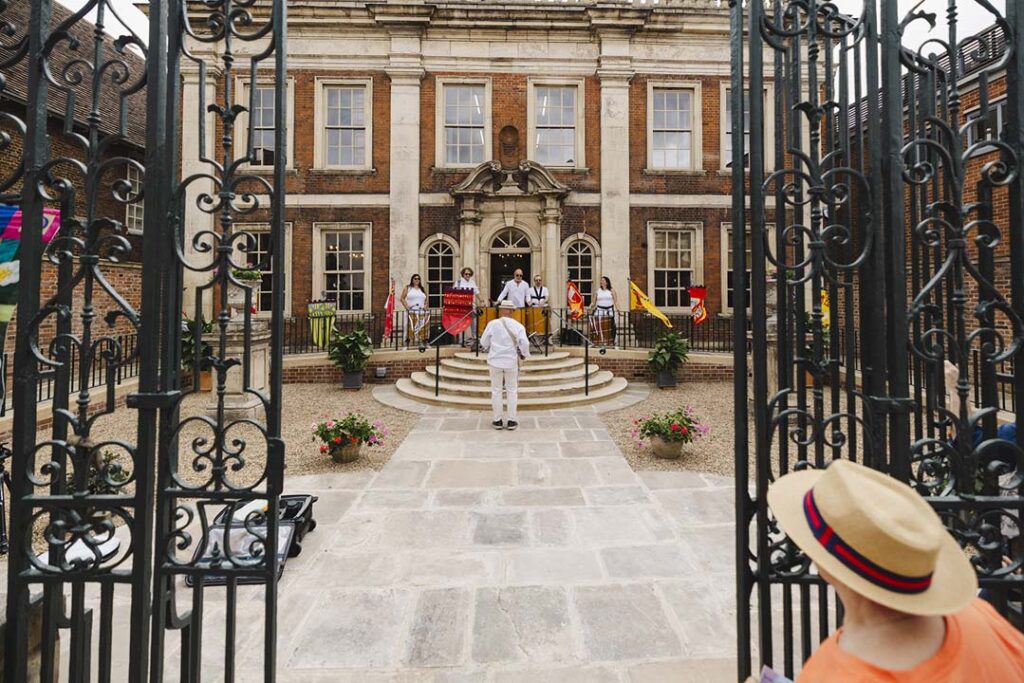
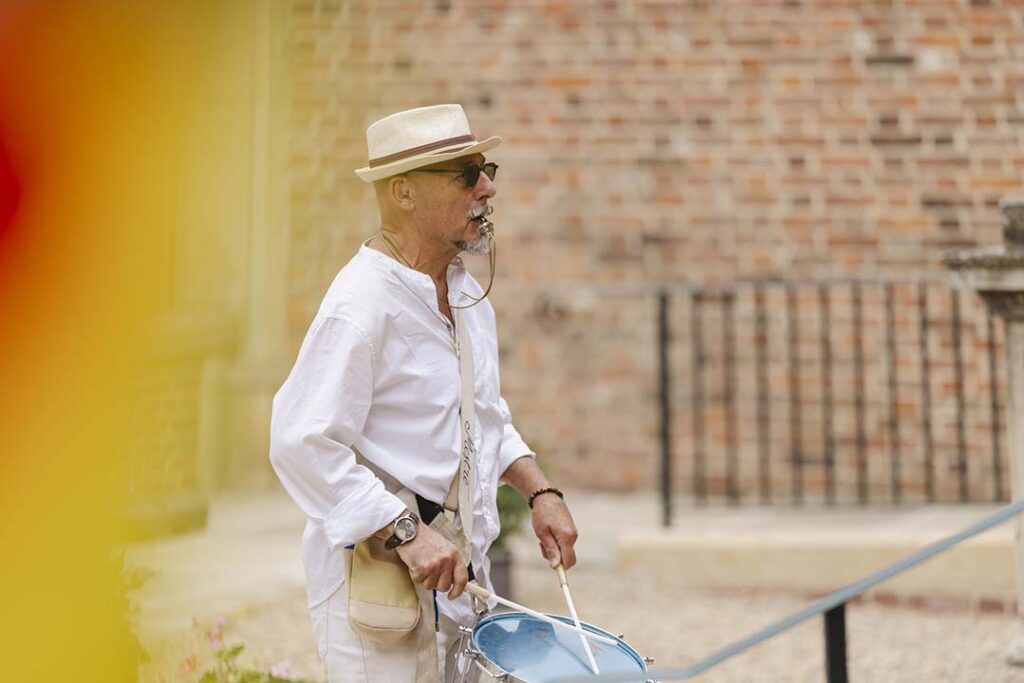
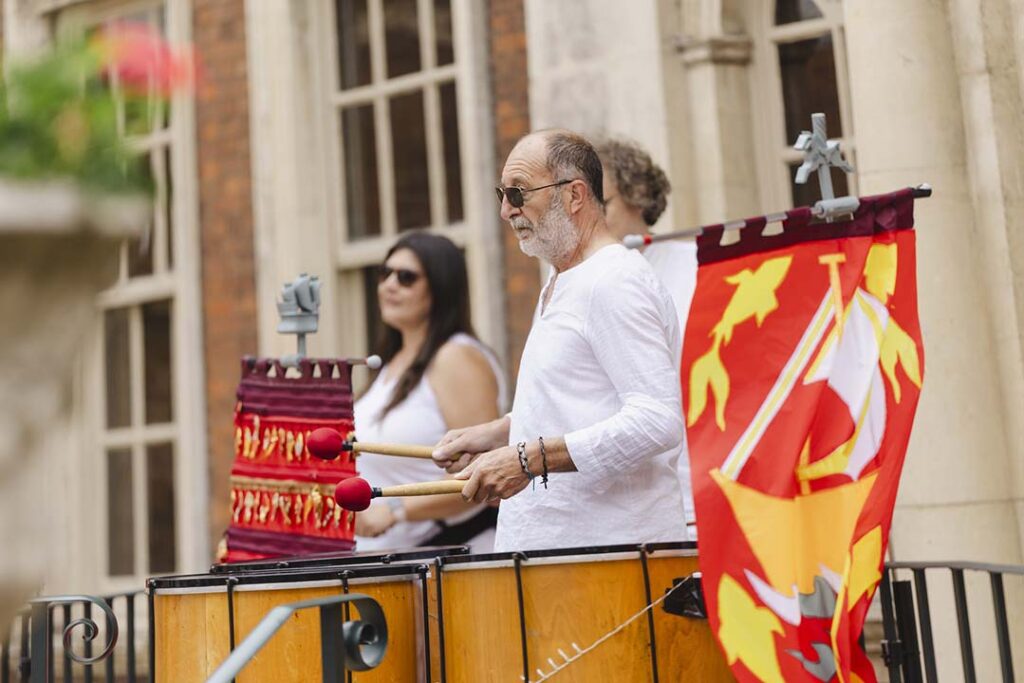
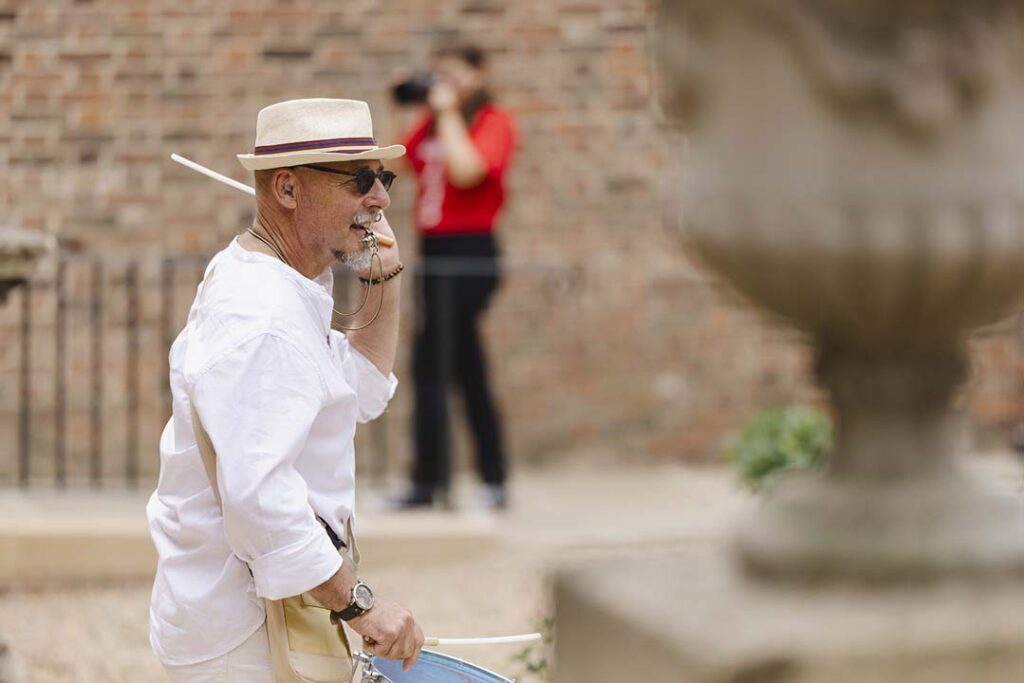
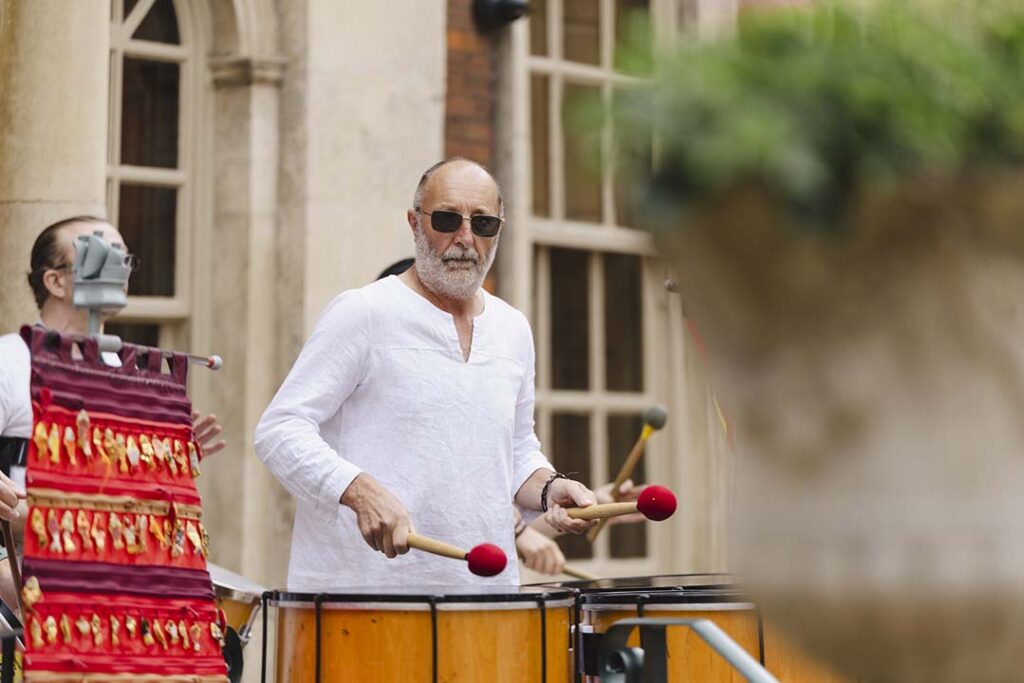
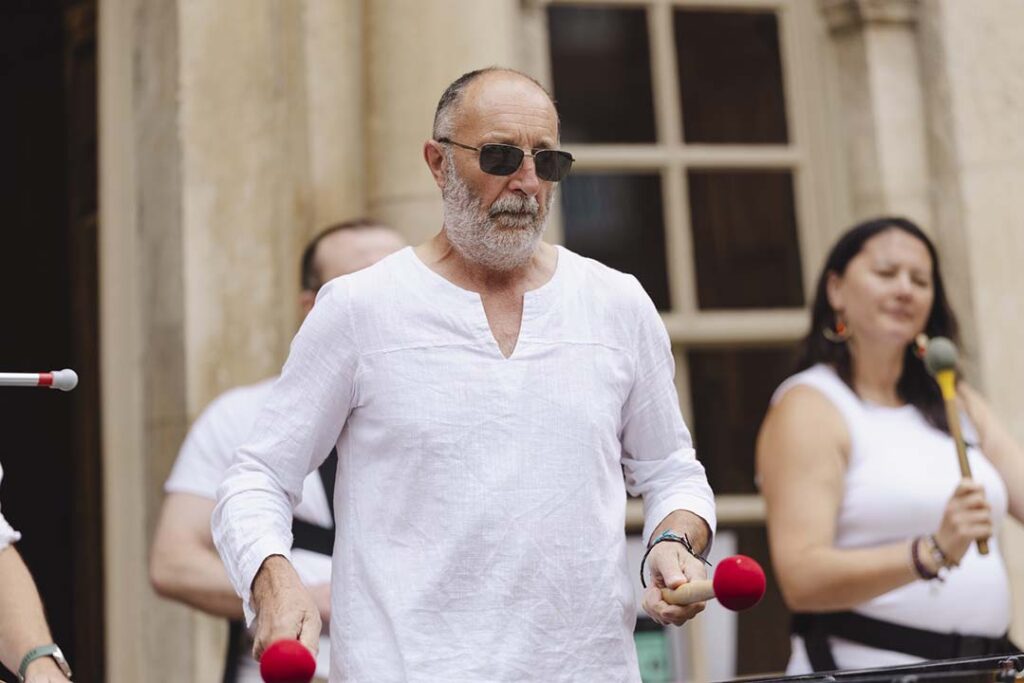
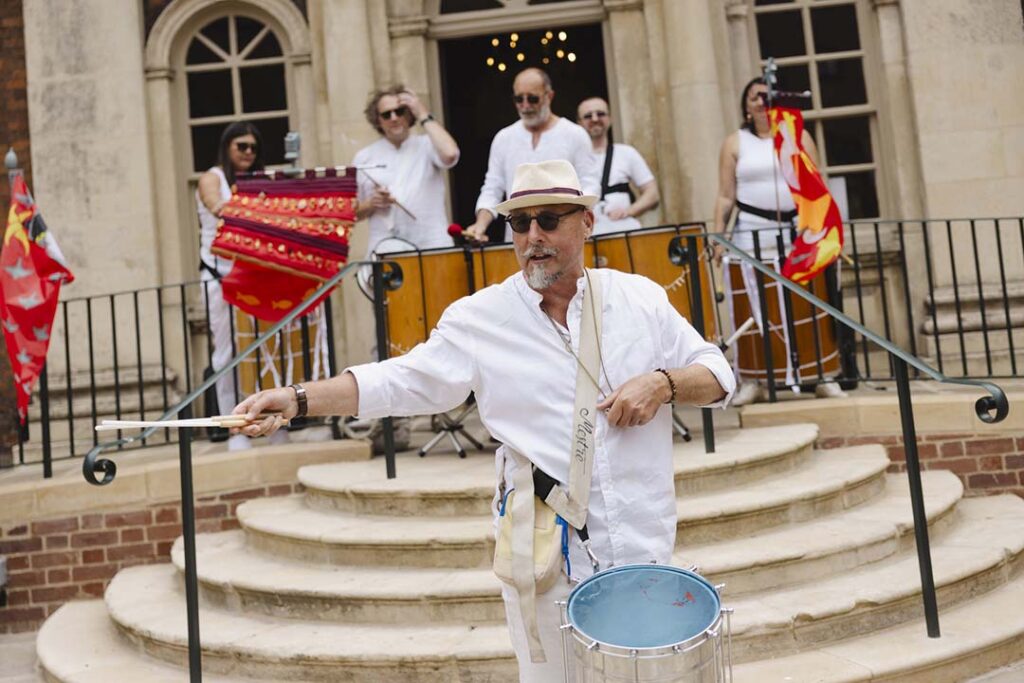
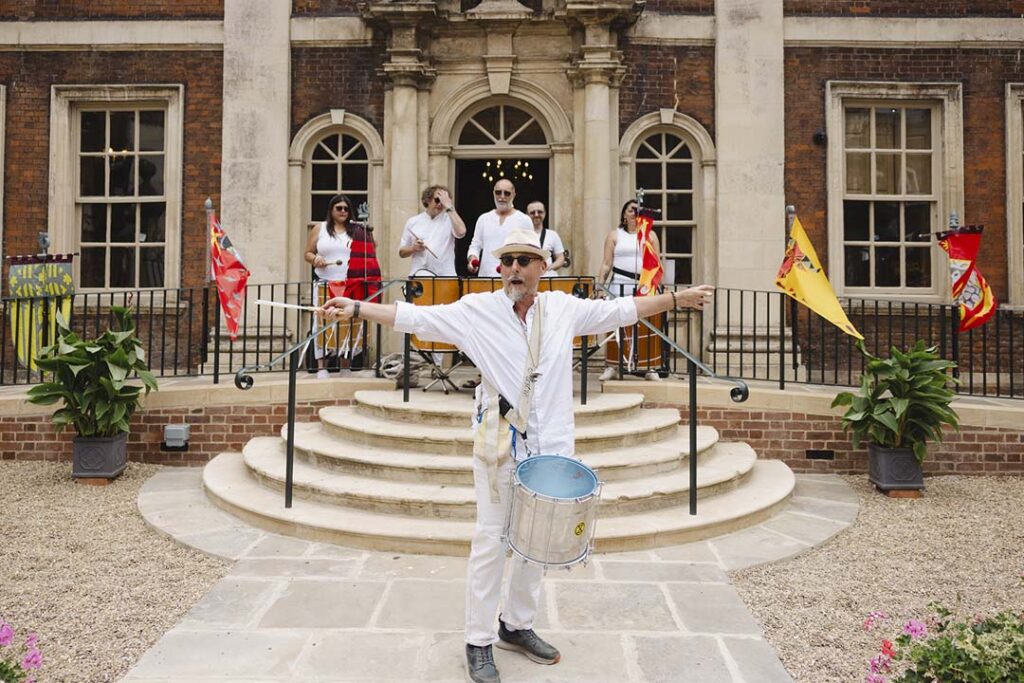
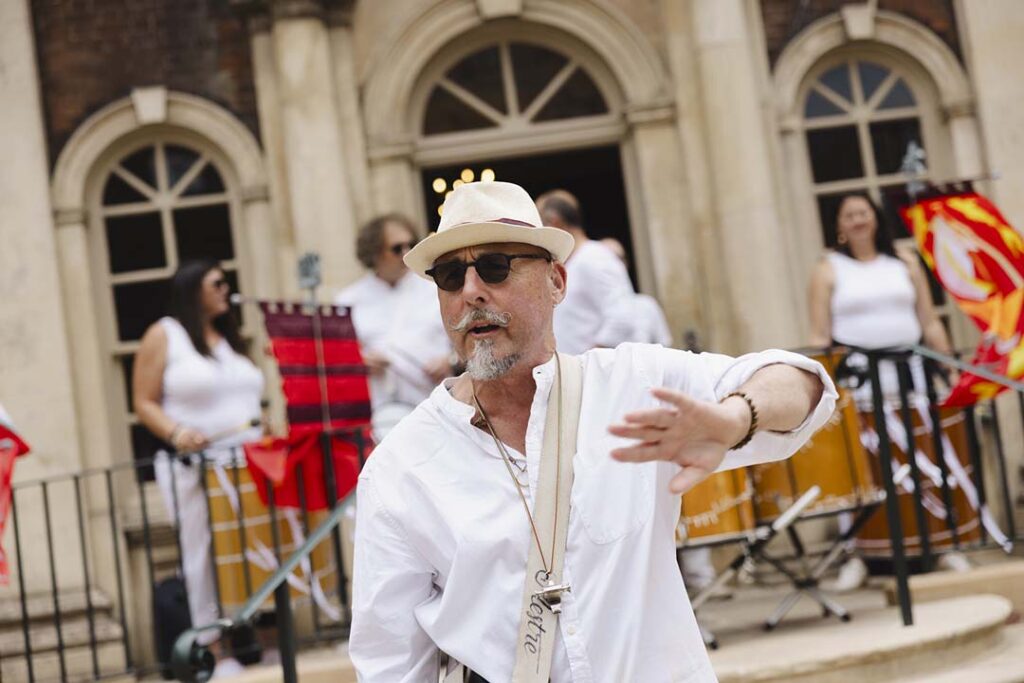
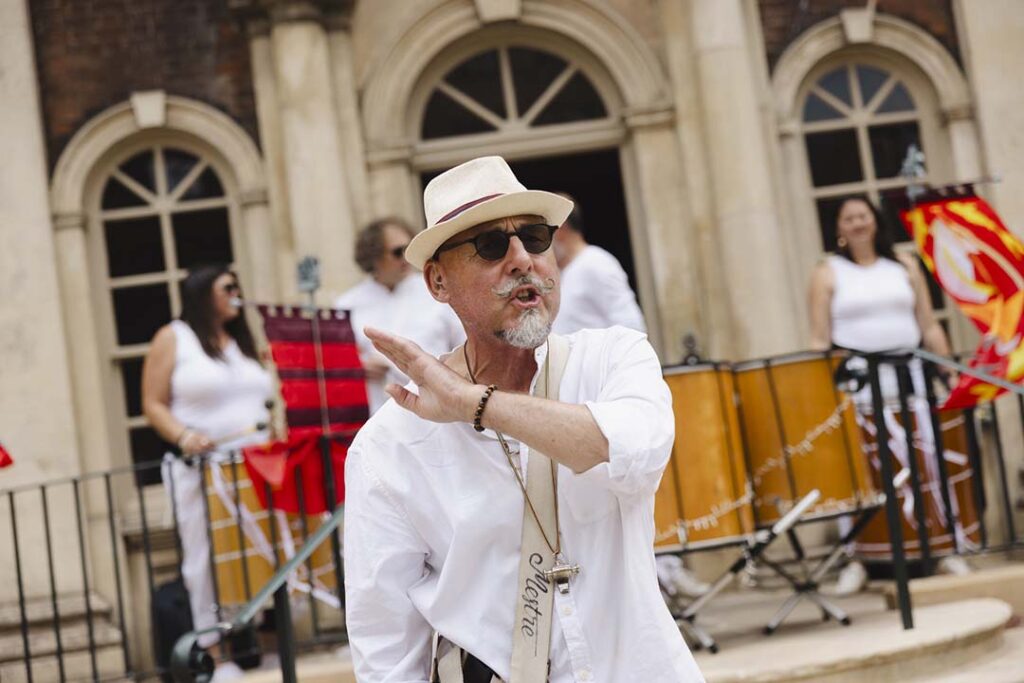
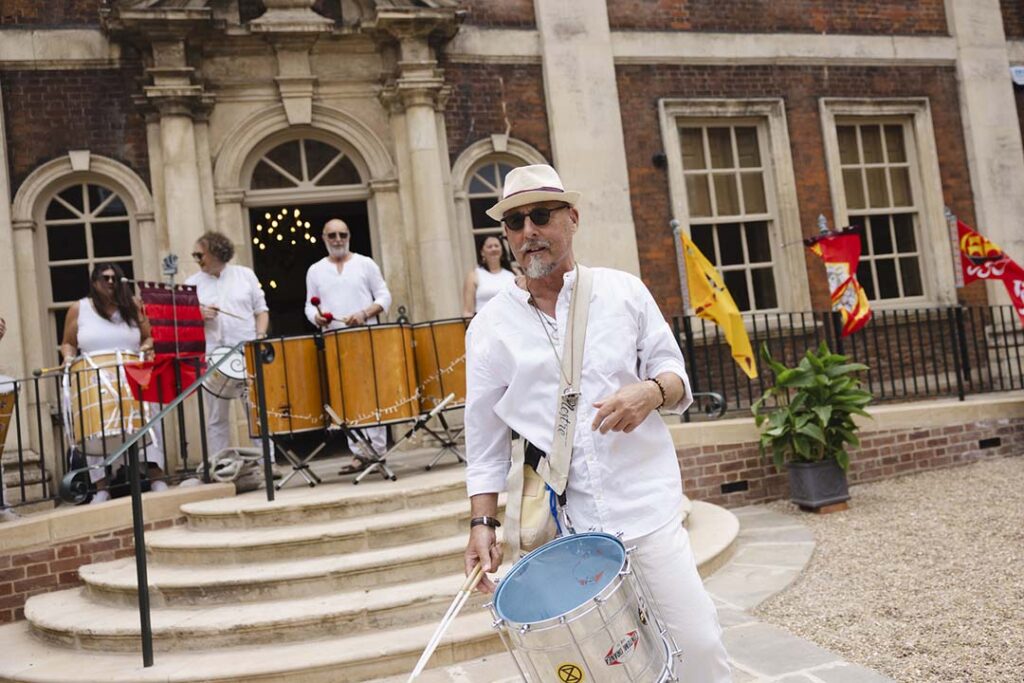
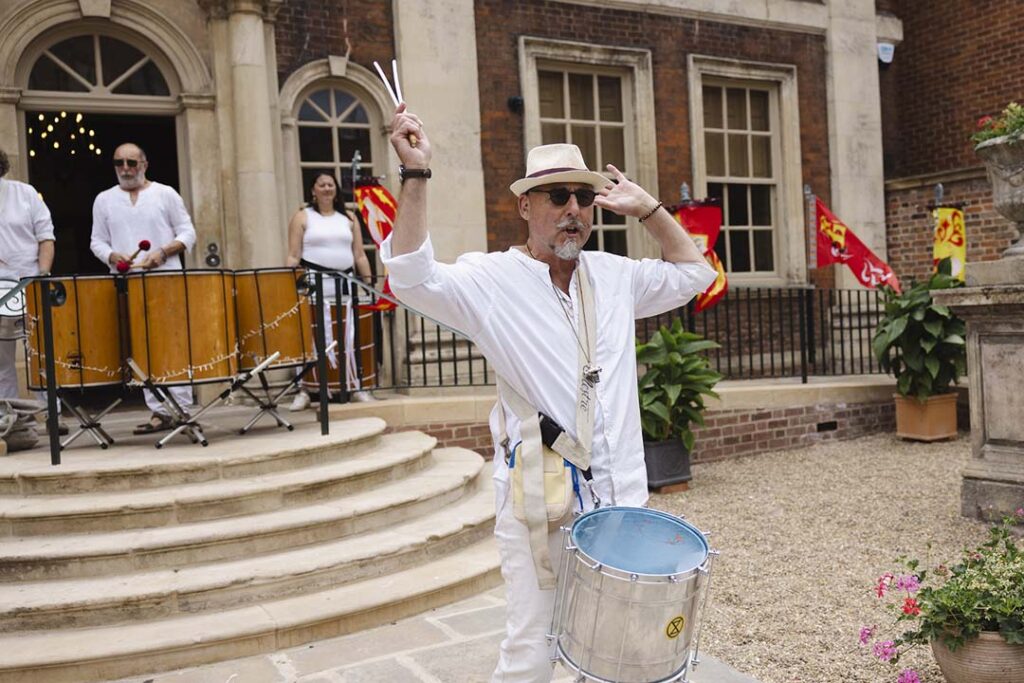
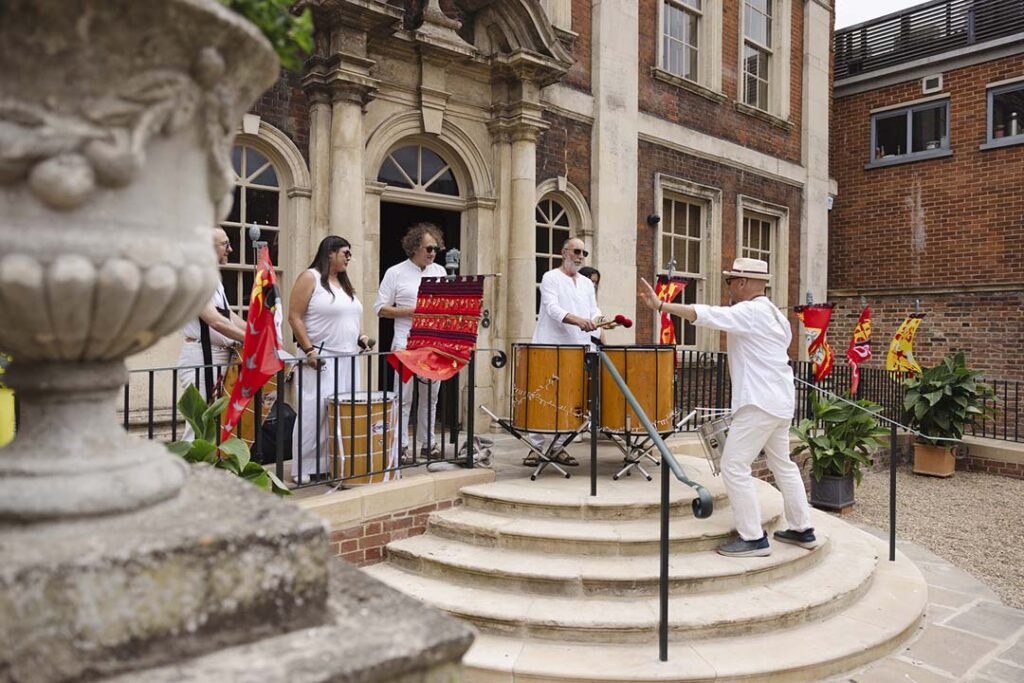
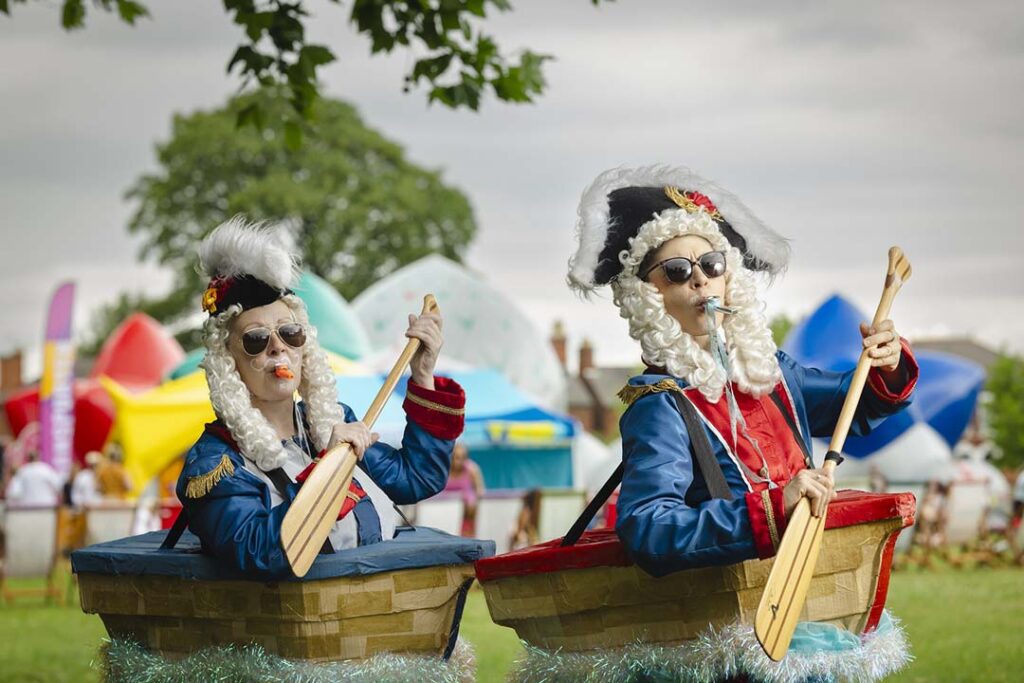
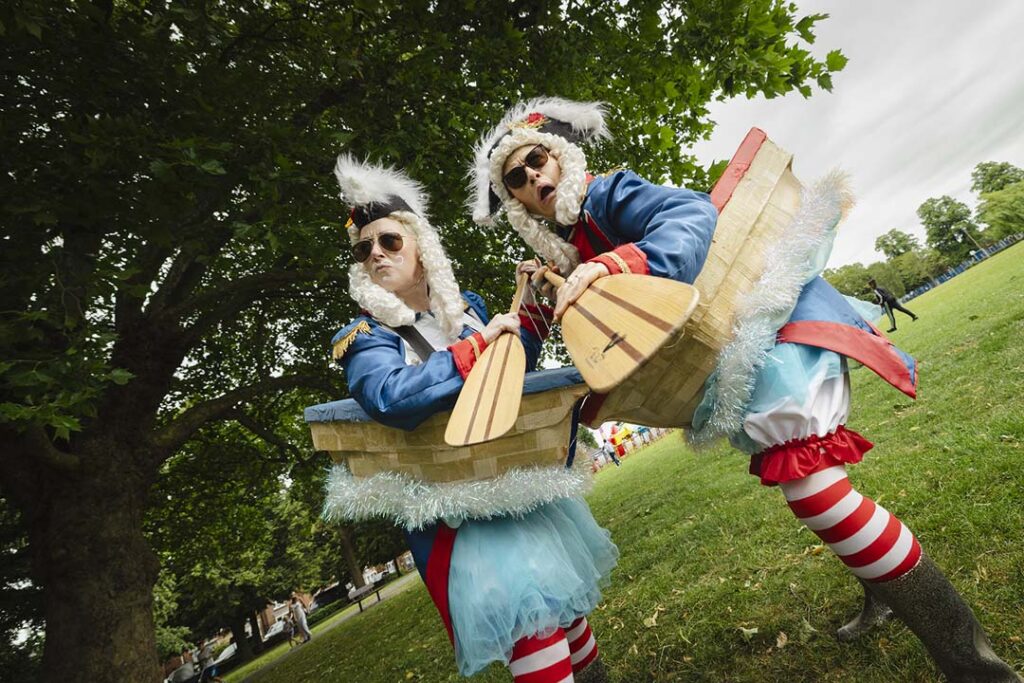
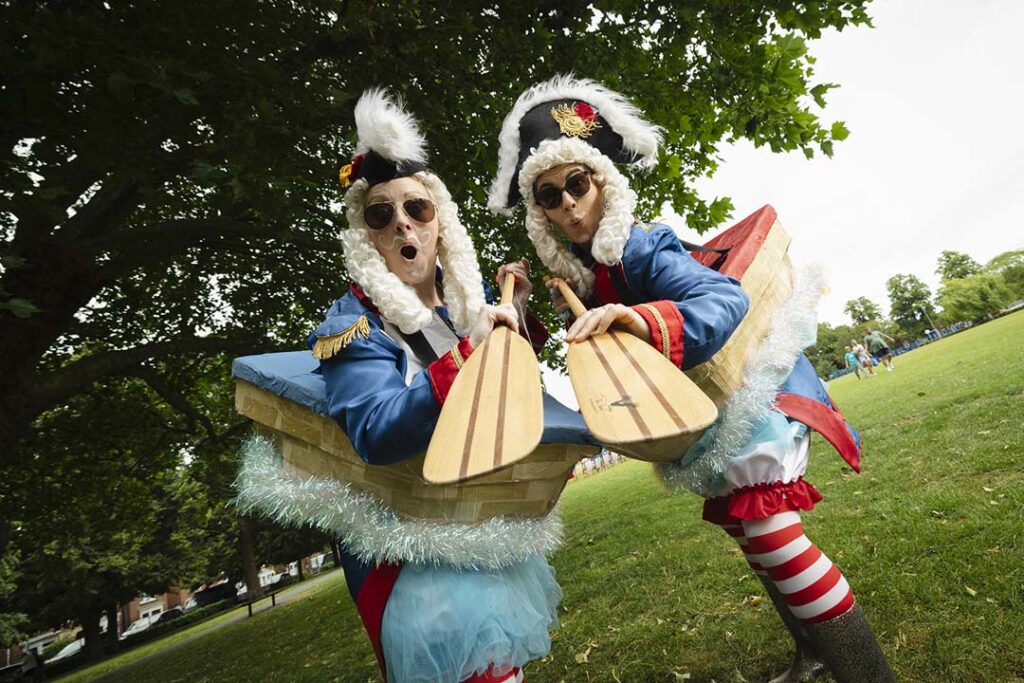
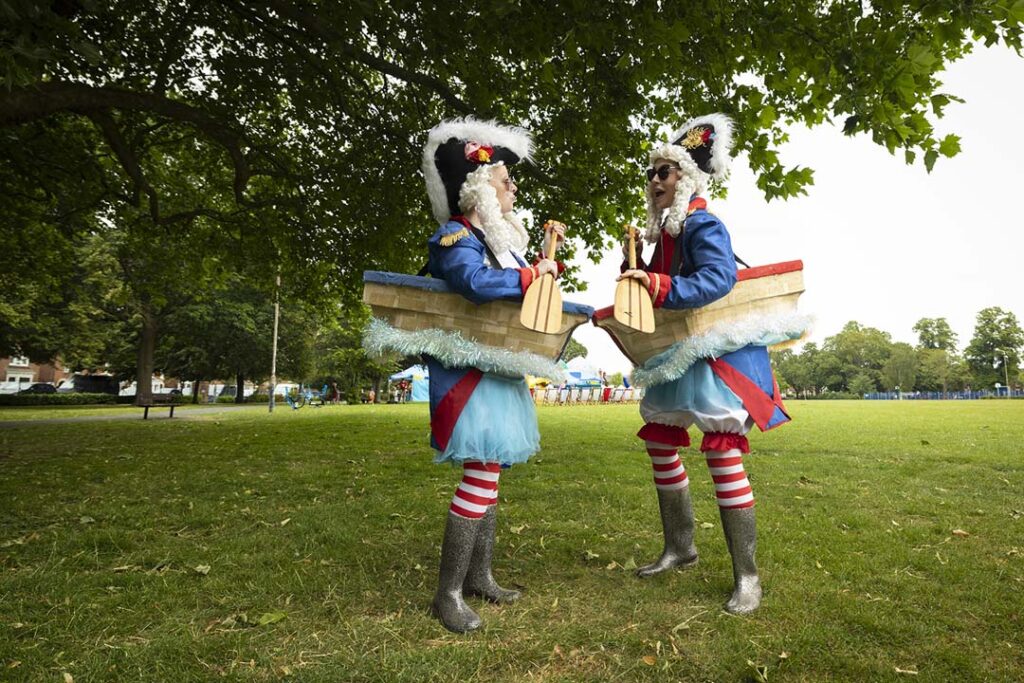
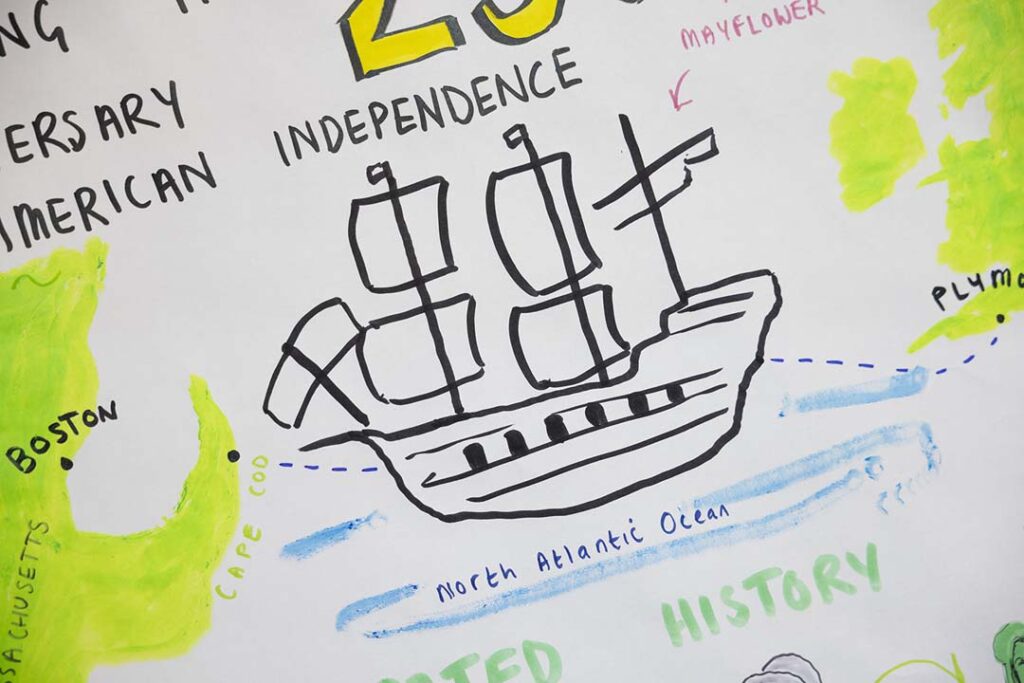
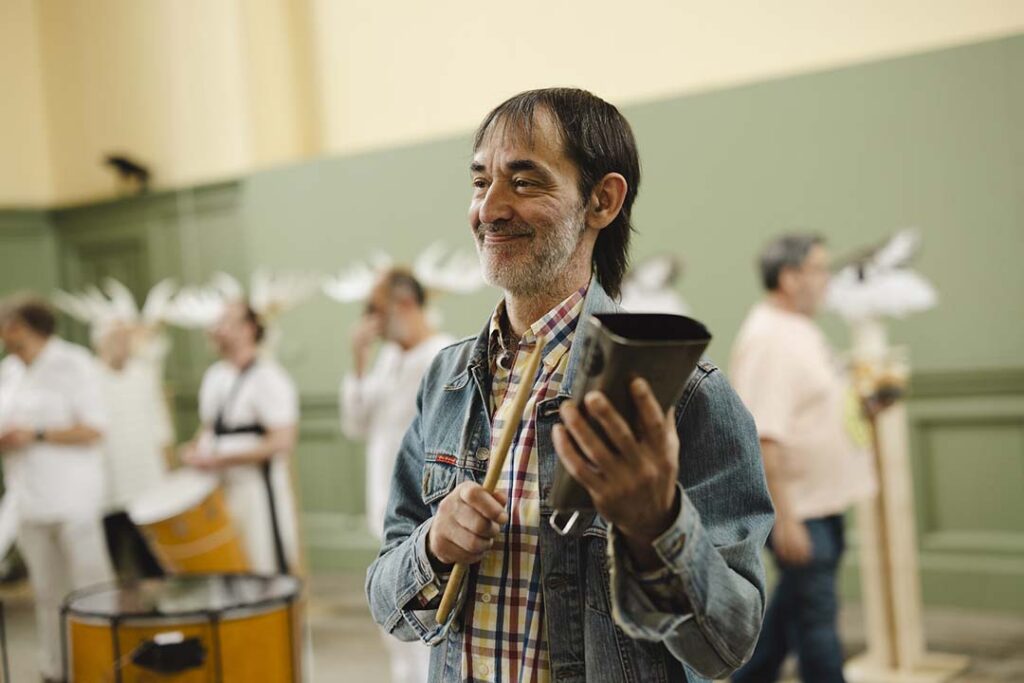
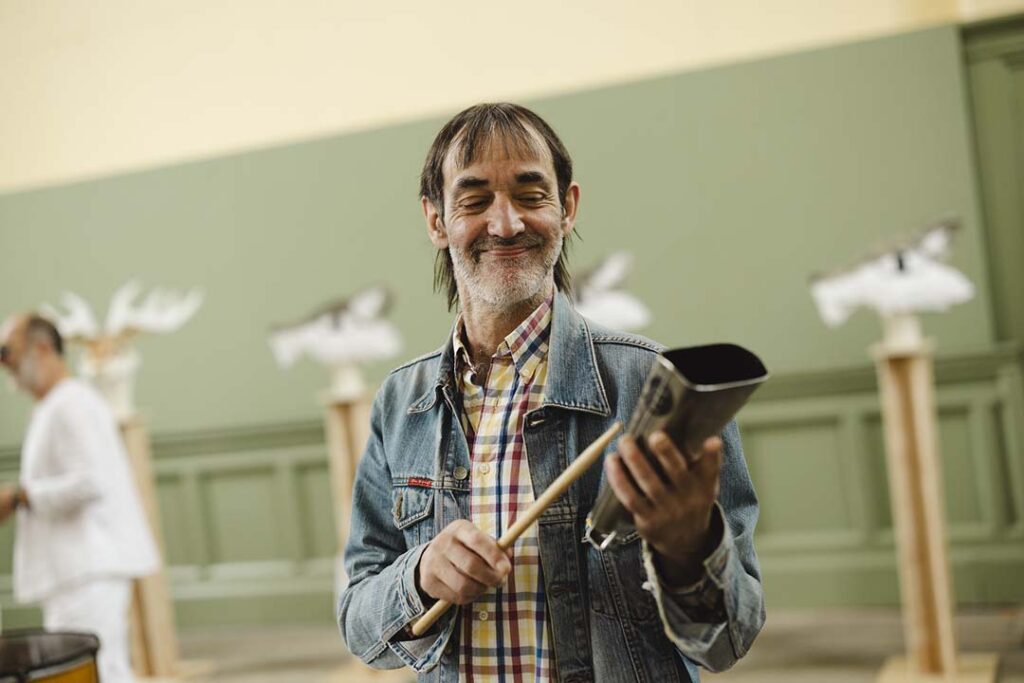
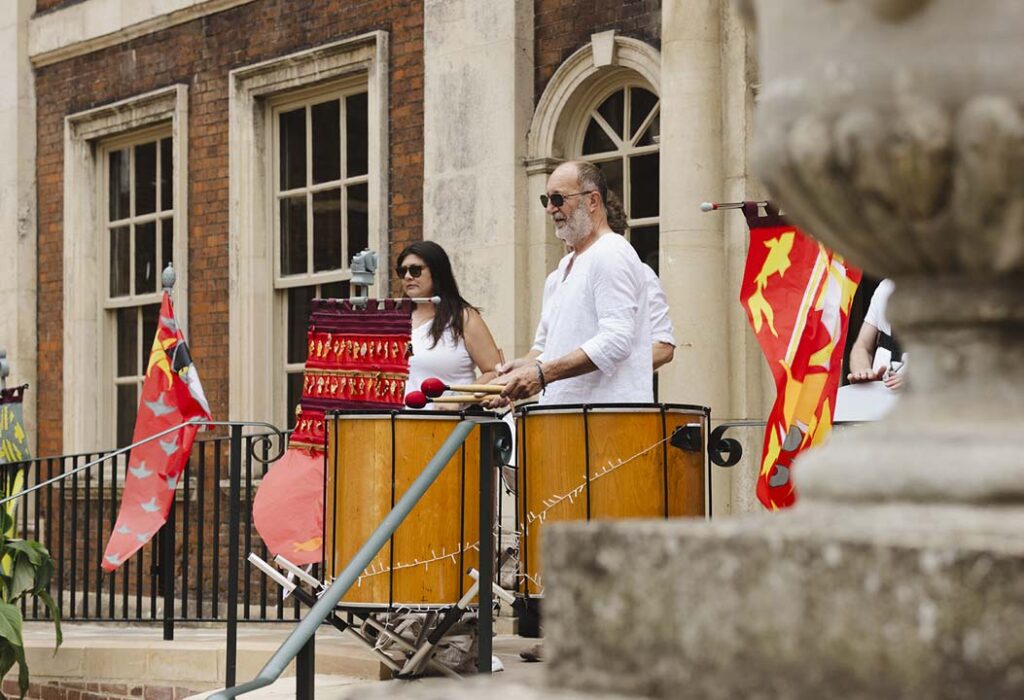
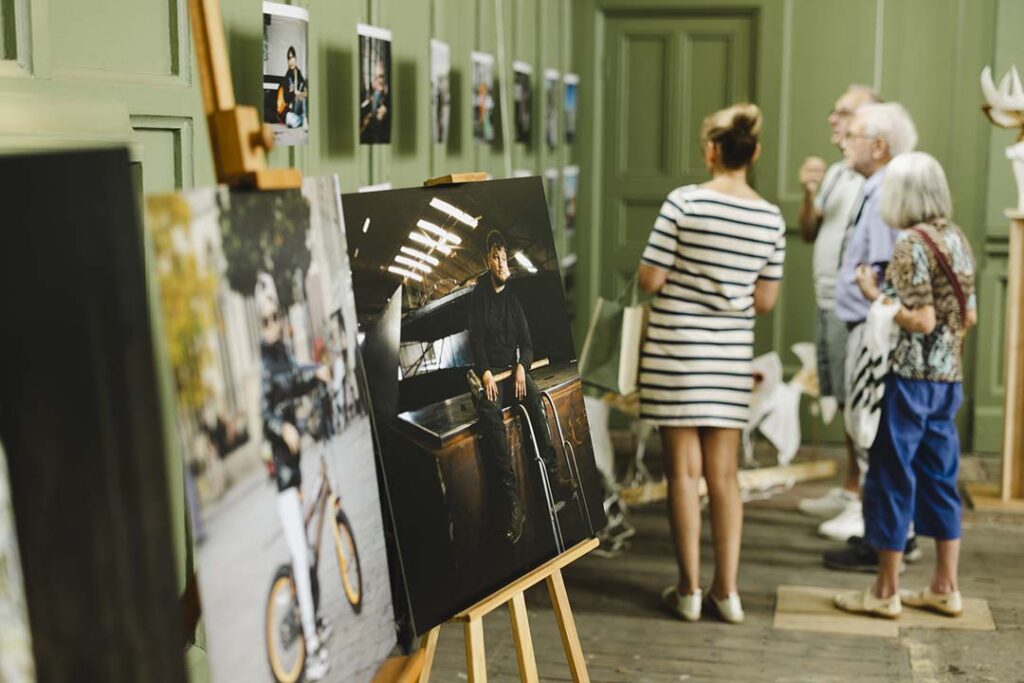
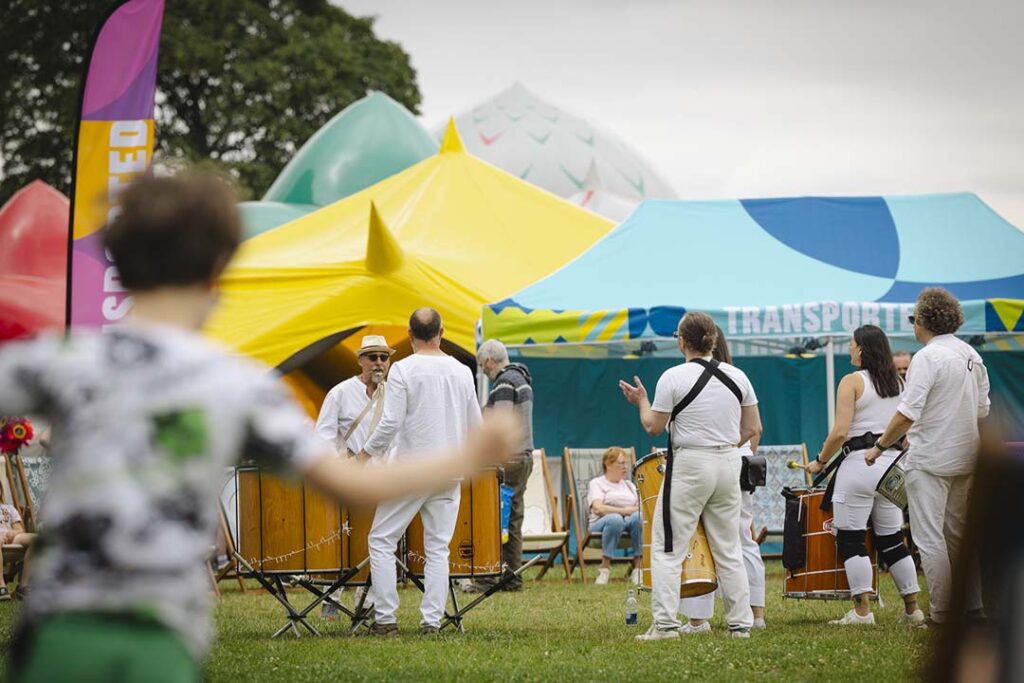
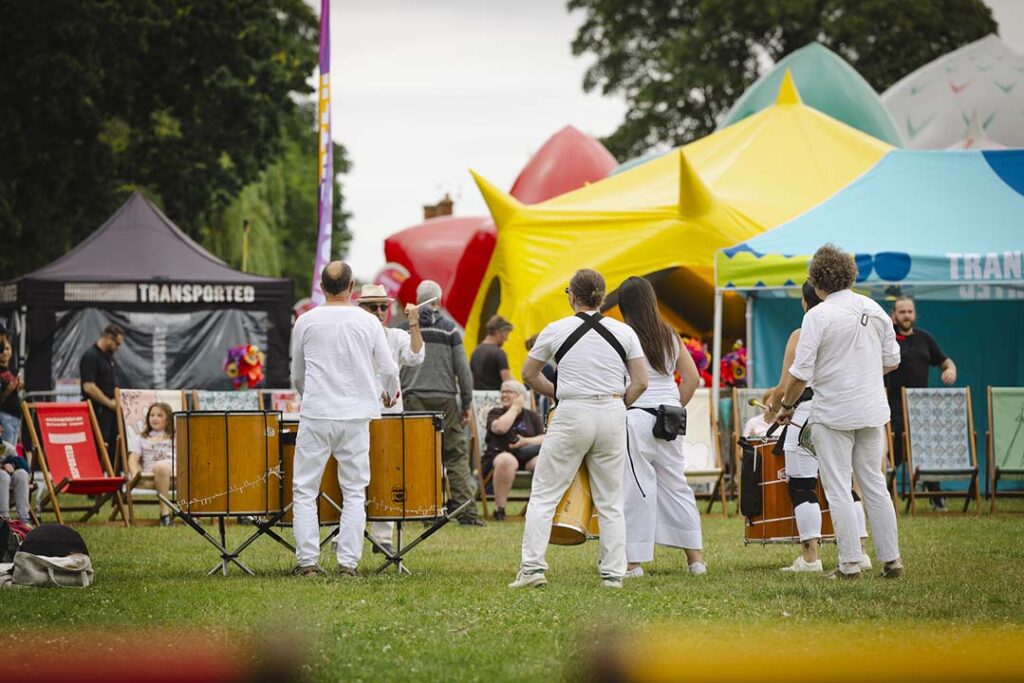
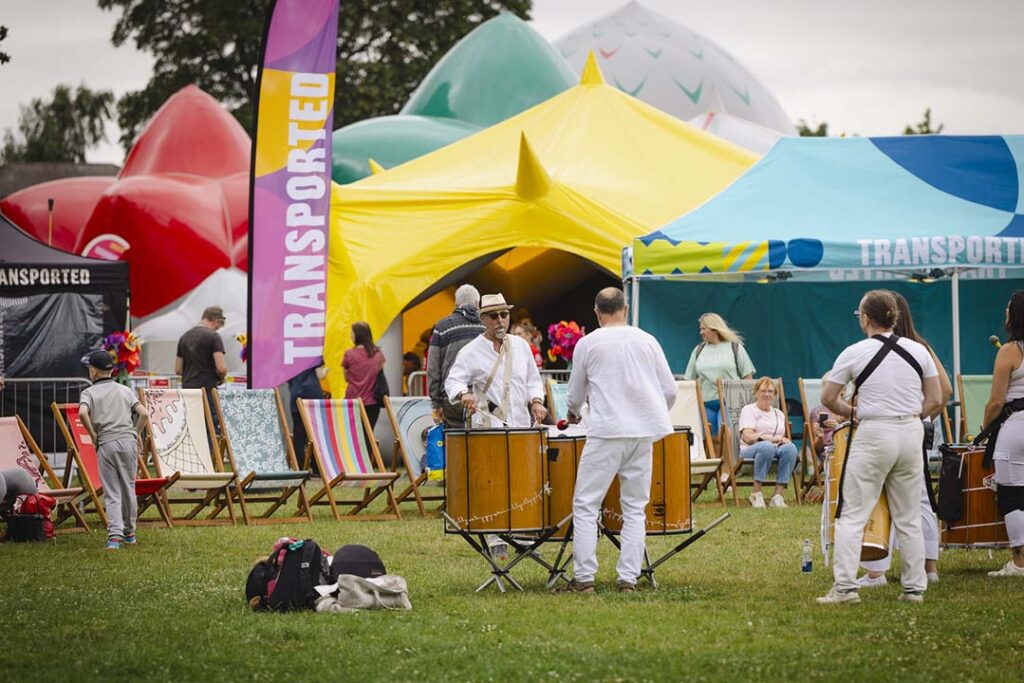
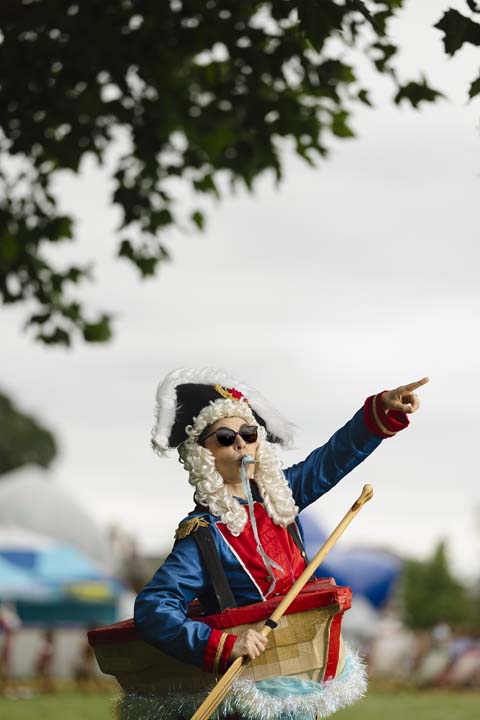
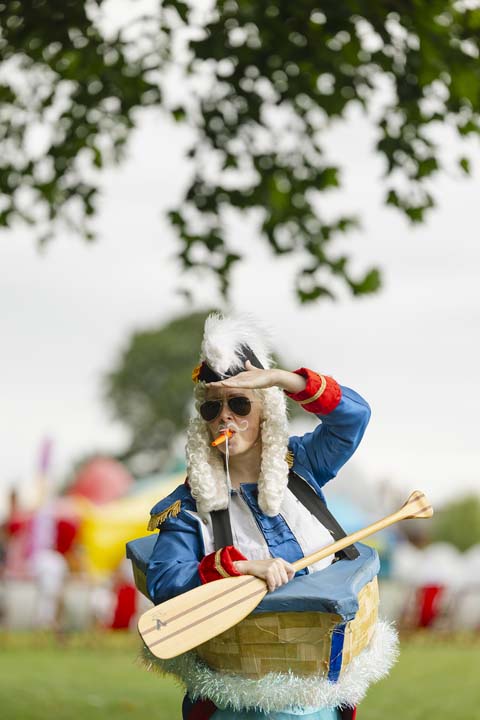
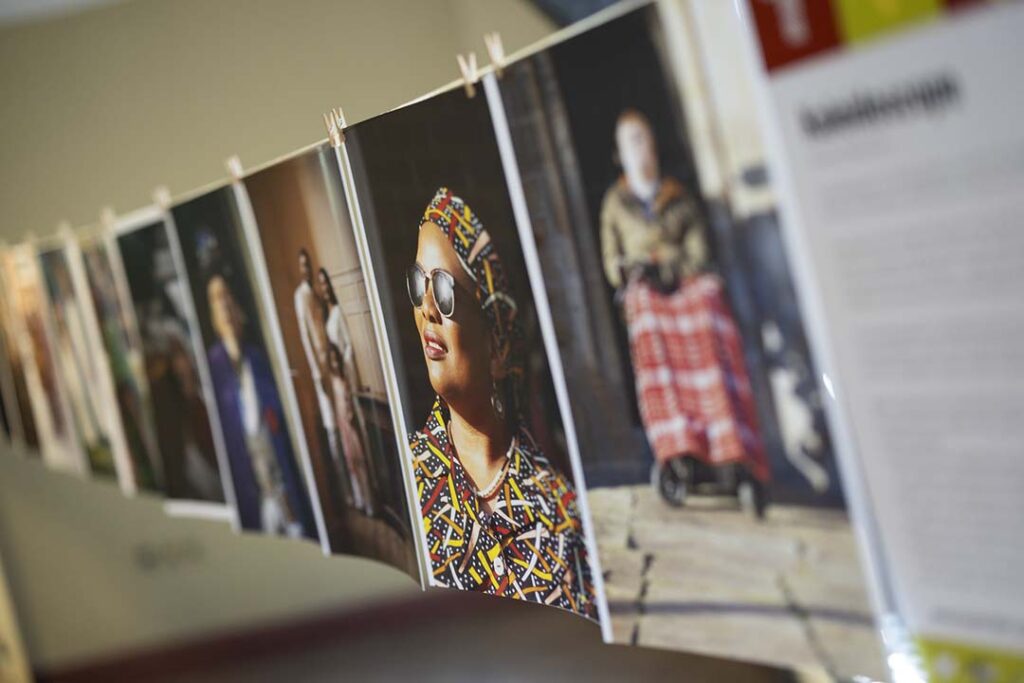
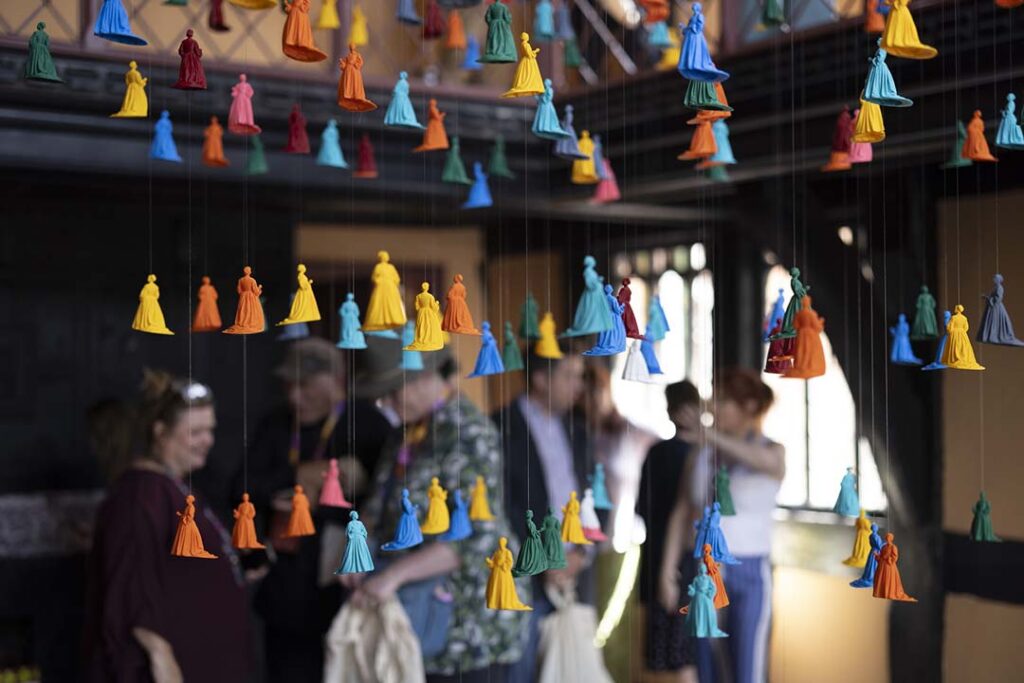
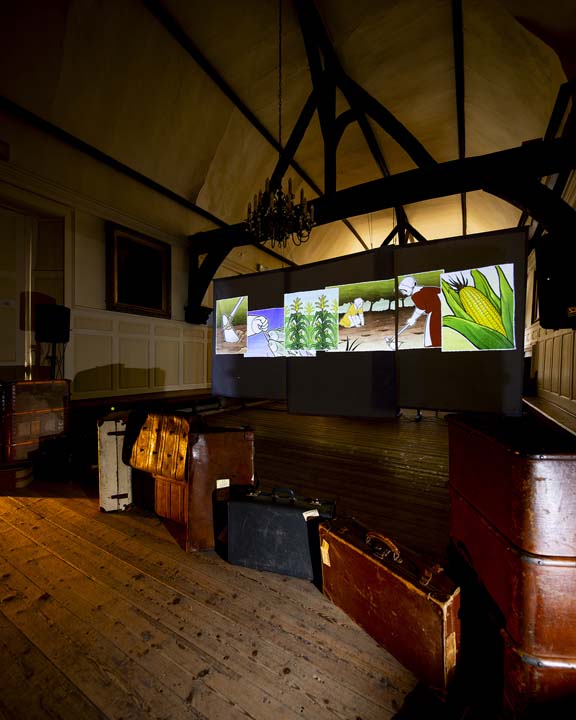
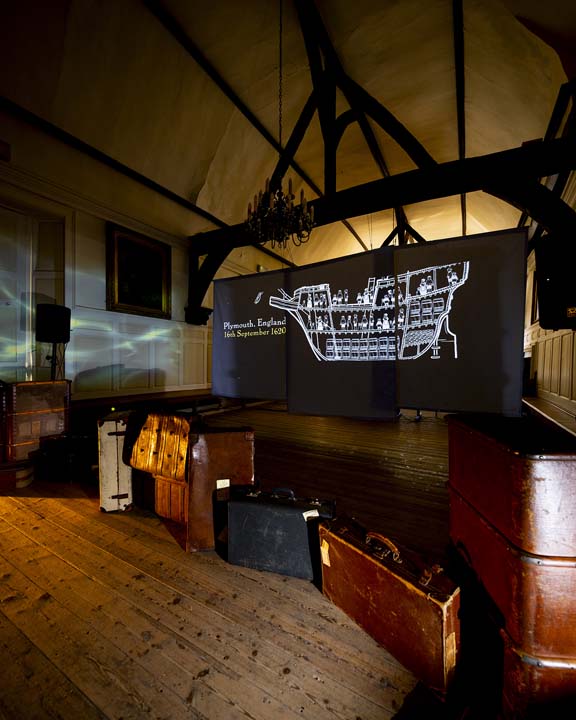
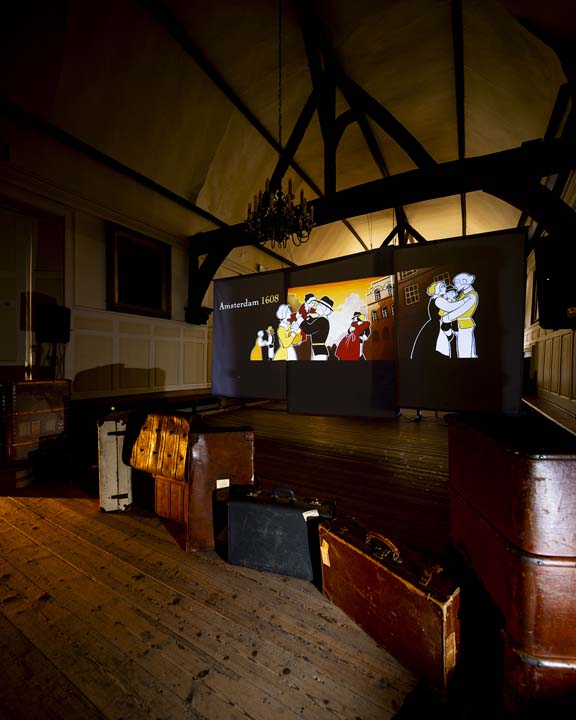
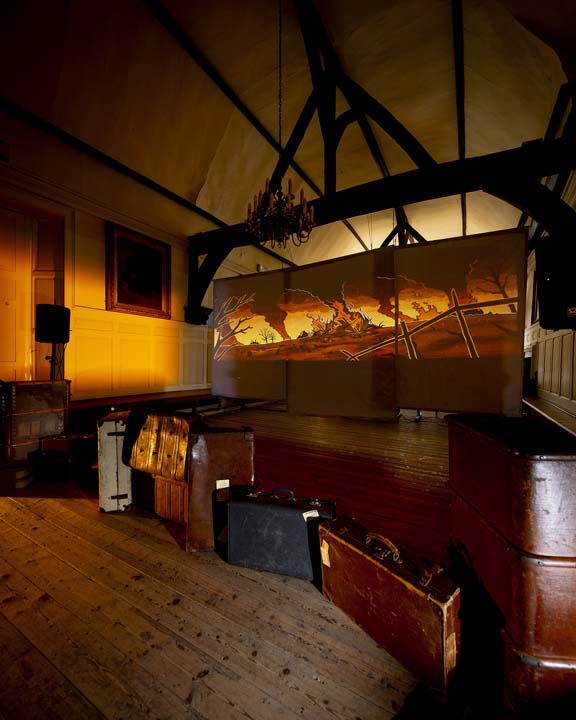
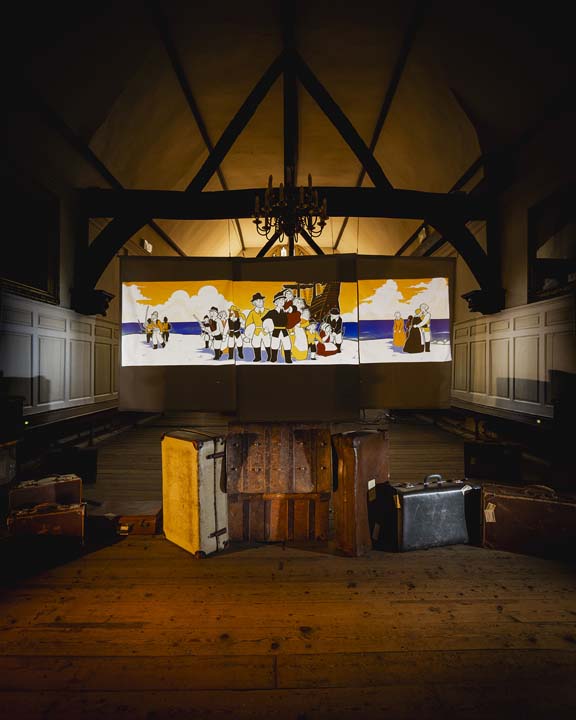
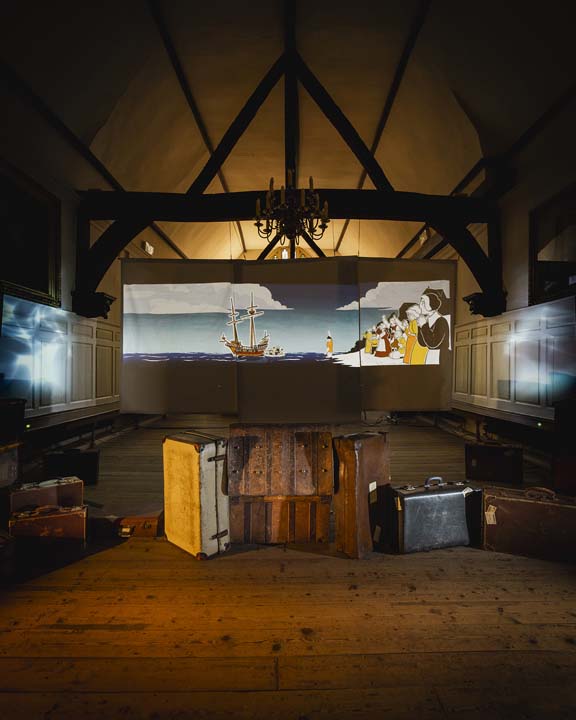
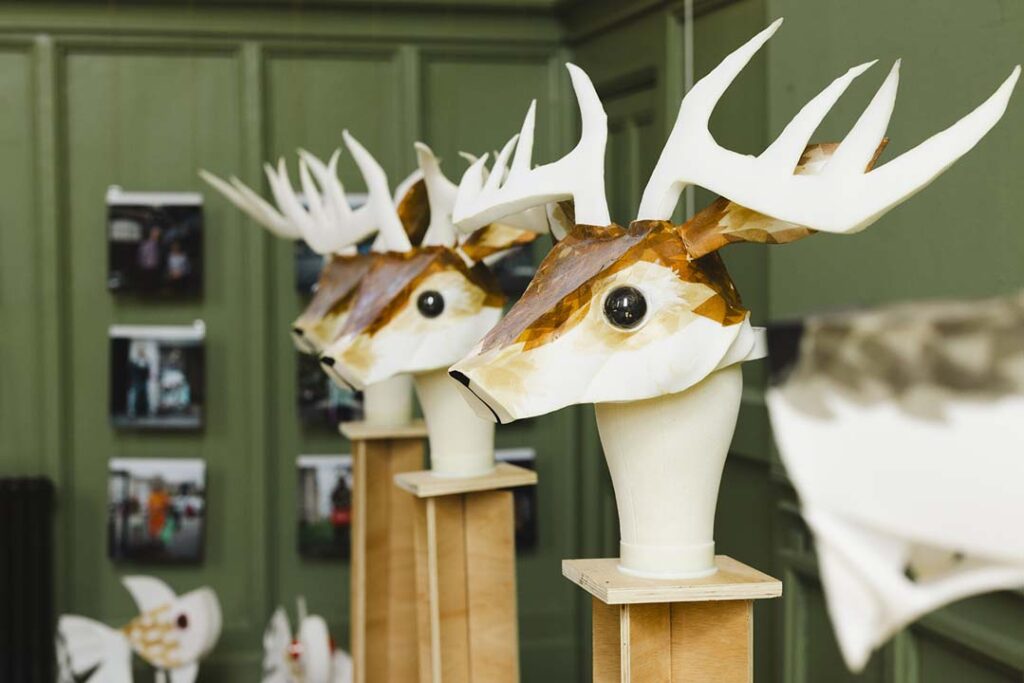
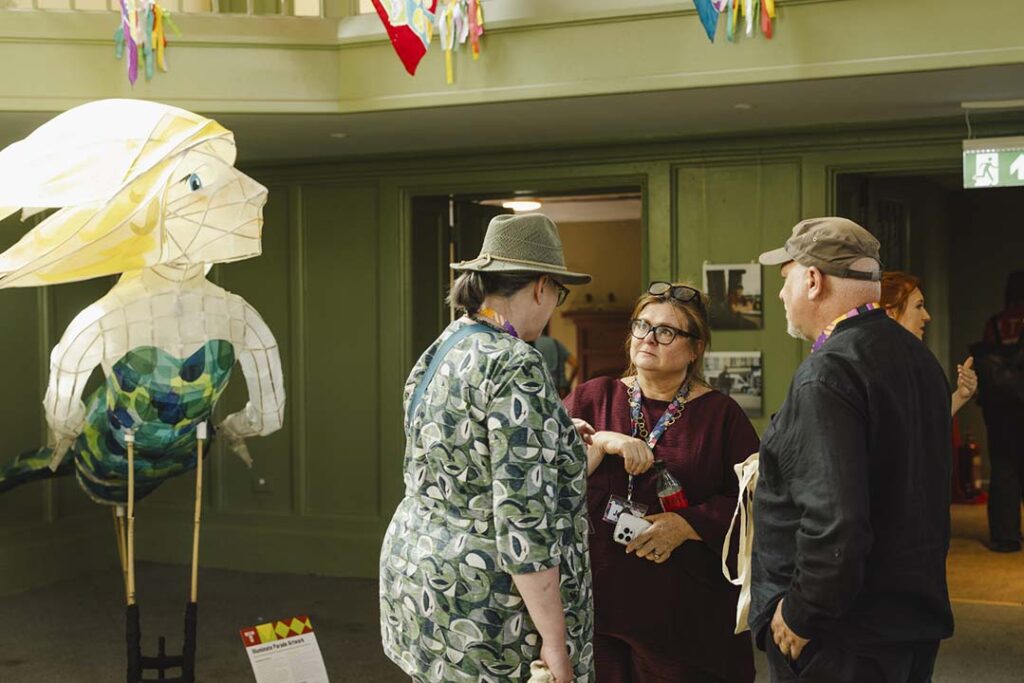
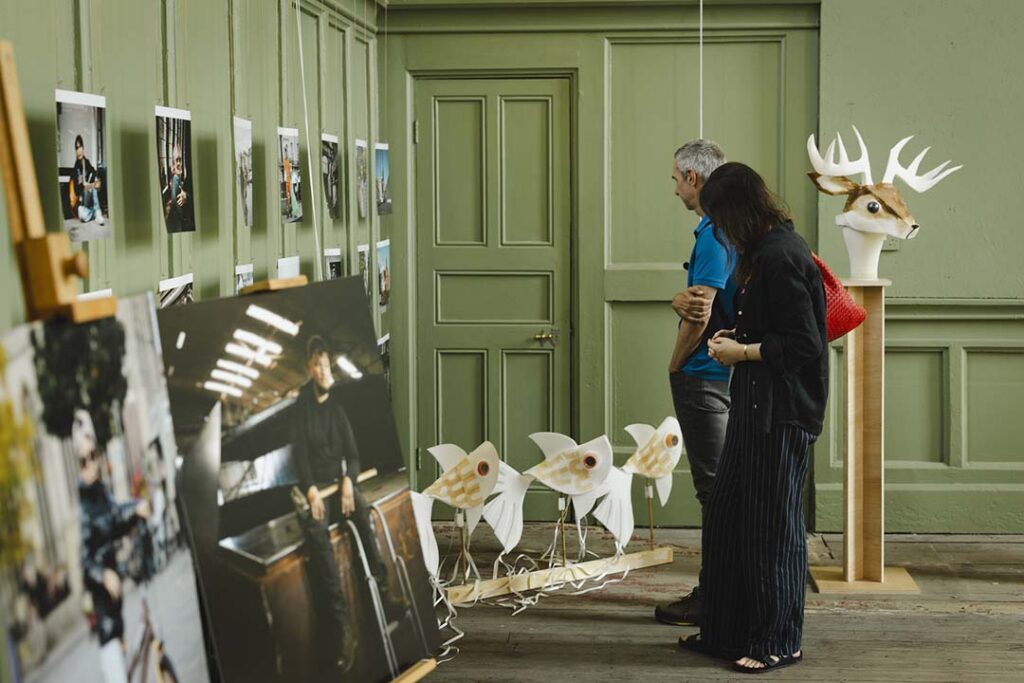
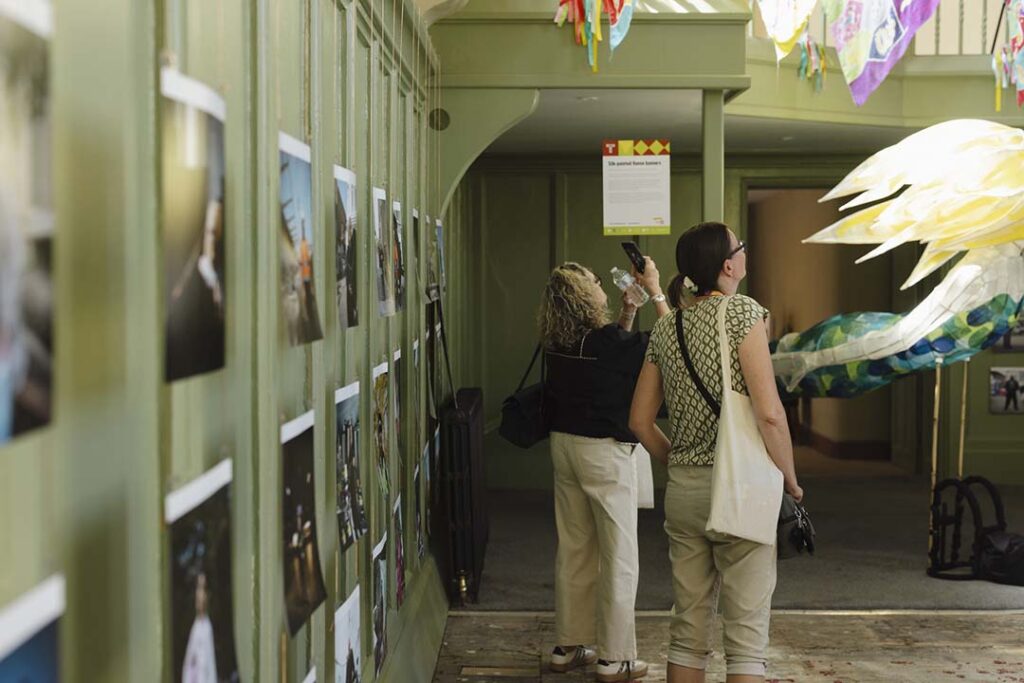
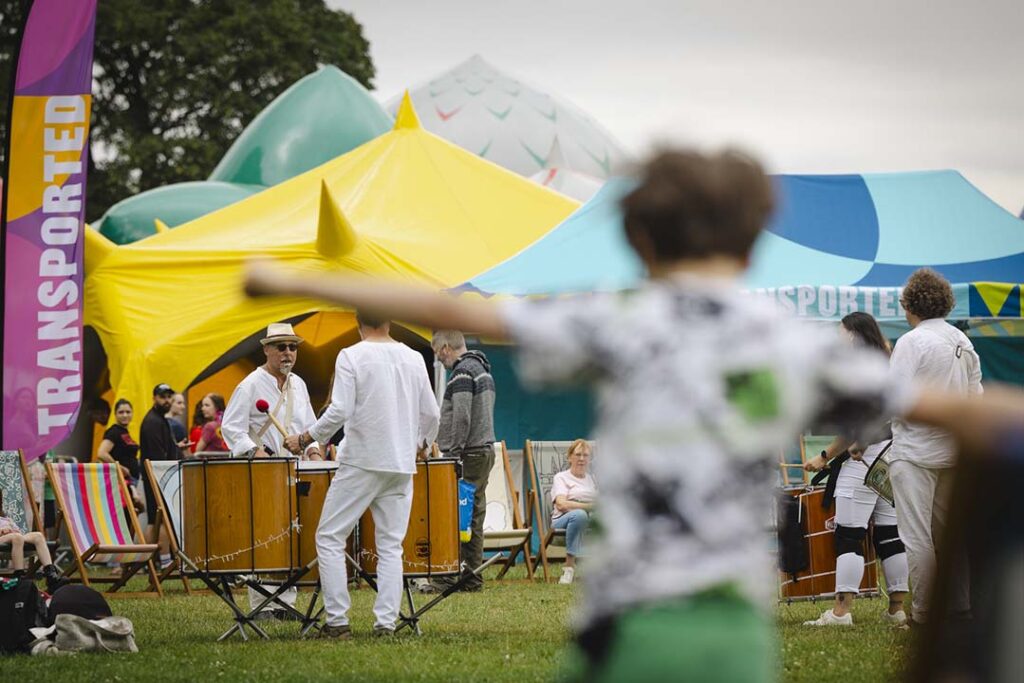
Visitors also experienced Our Voyage, Electric Egg’s animated film exploring the Mayflower story and its lasting impact; enjoyed outdoor performances from Rhubarb Theatre, Derwent Valley Drummers and Meet the Sheep; and discovered a wide range of exhibitions and installations at Shodfriars and Fydell House.
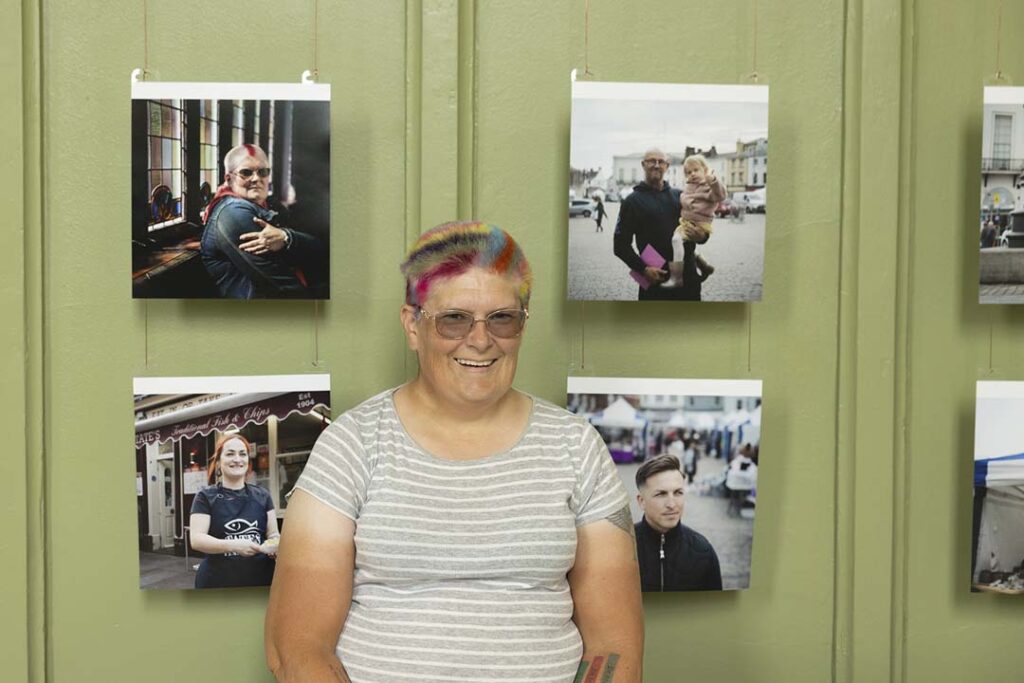
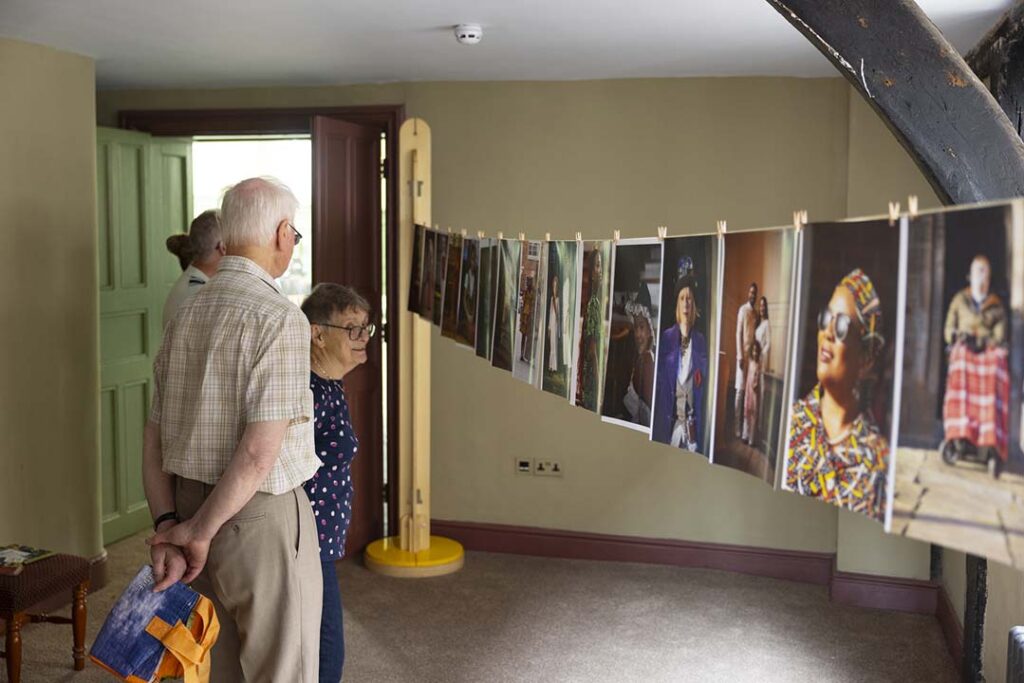
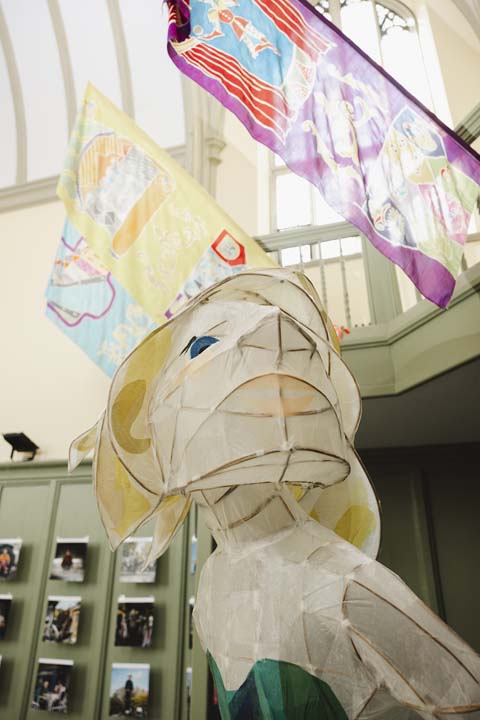
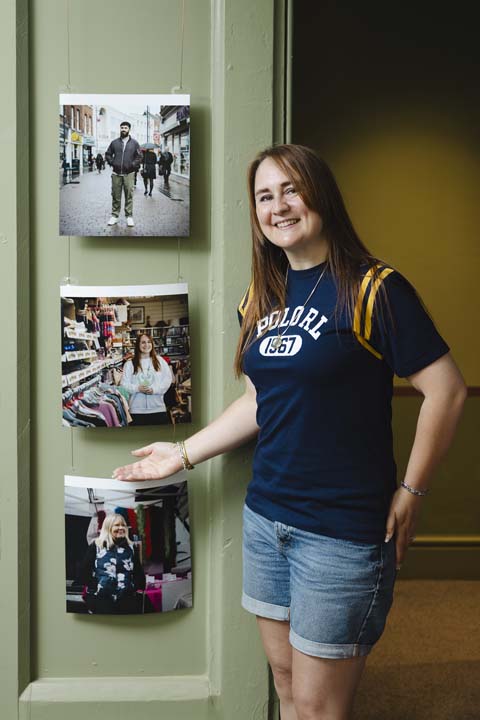
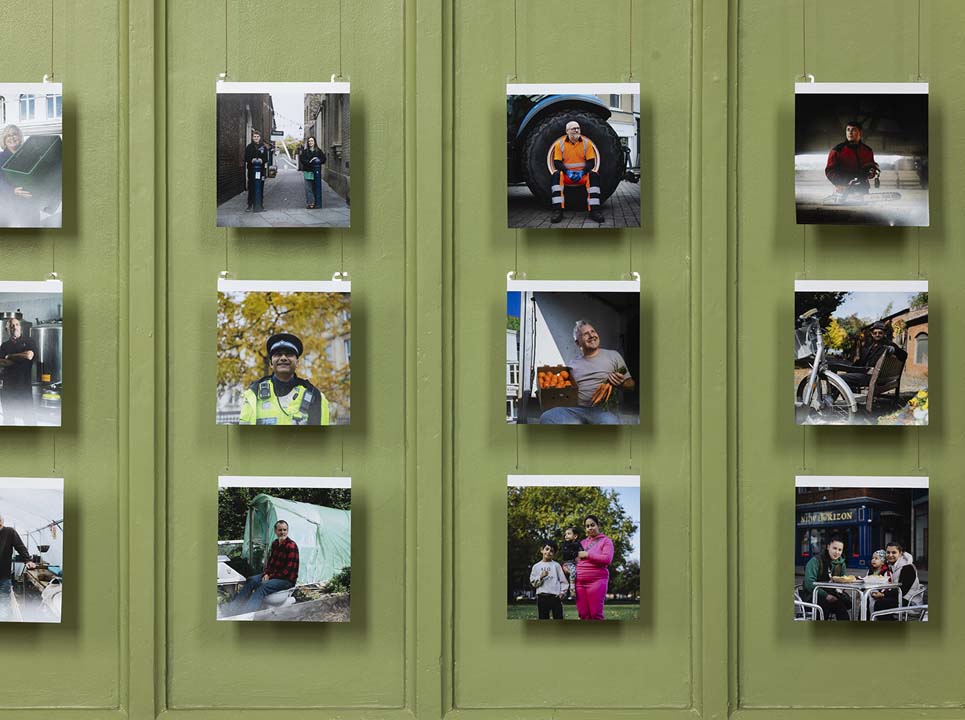
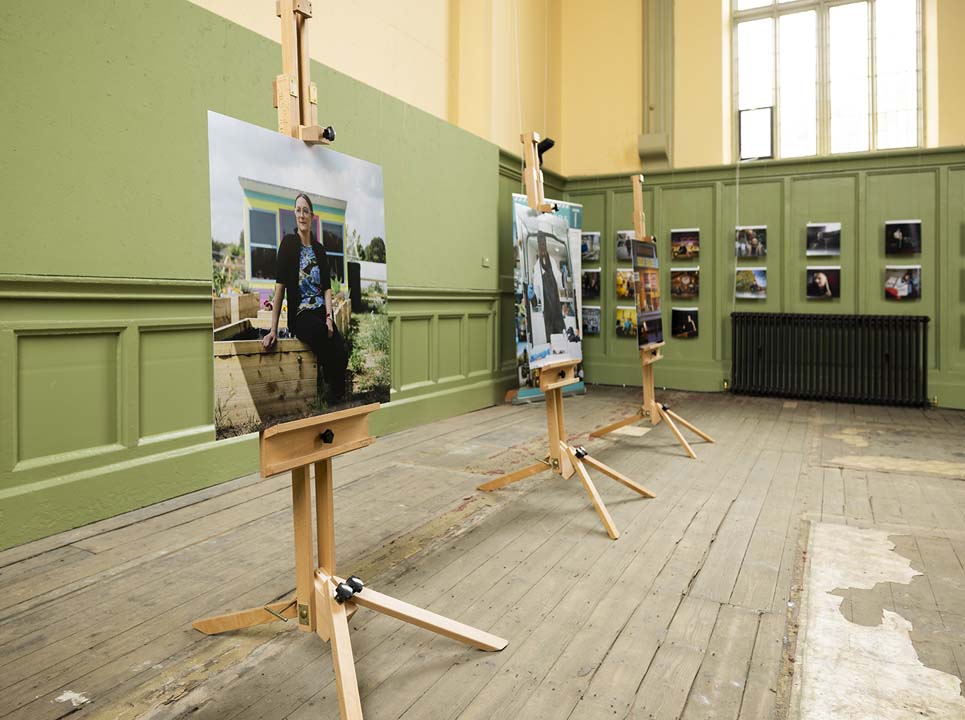
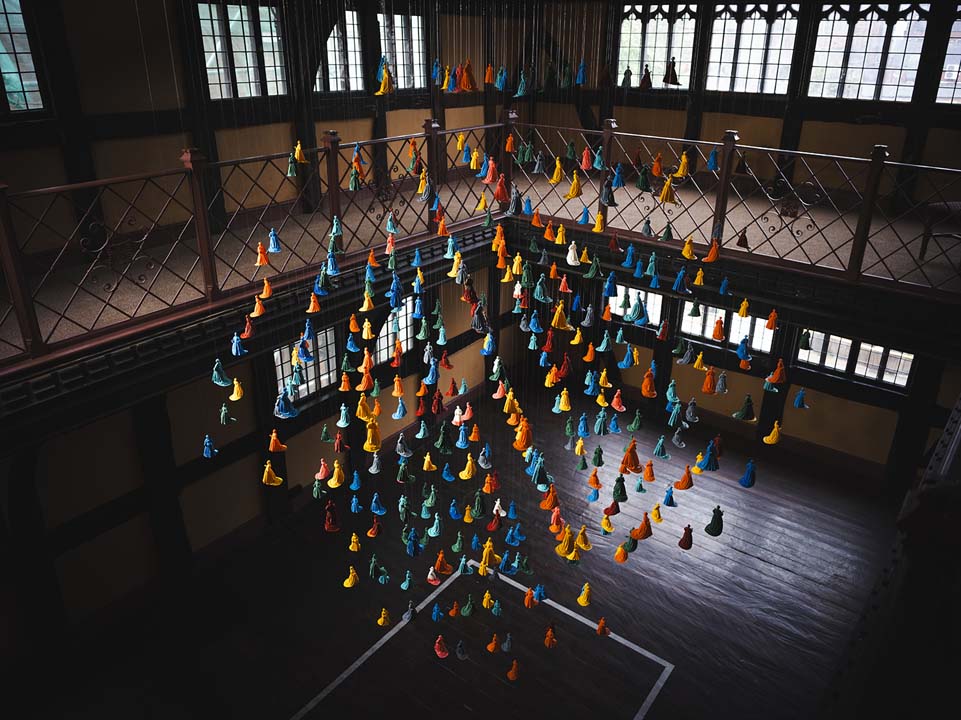
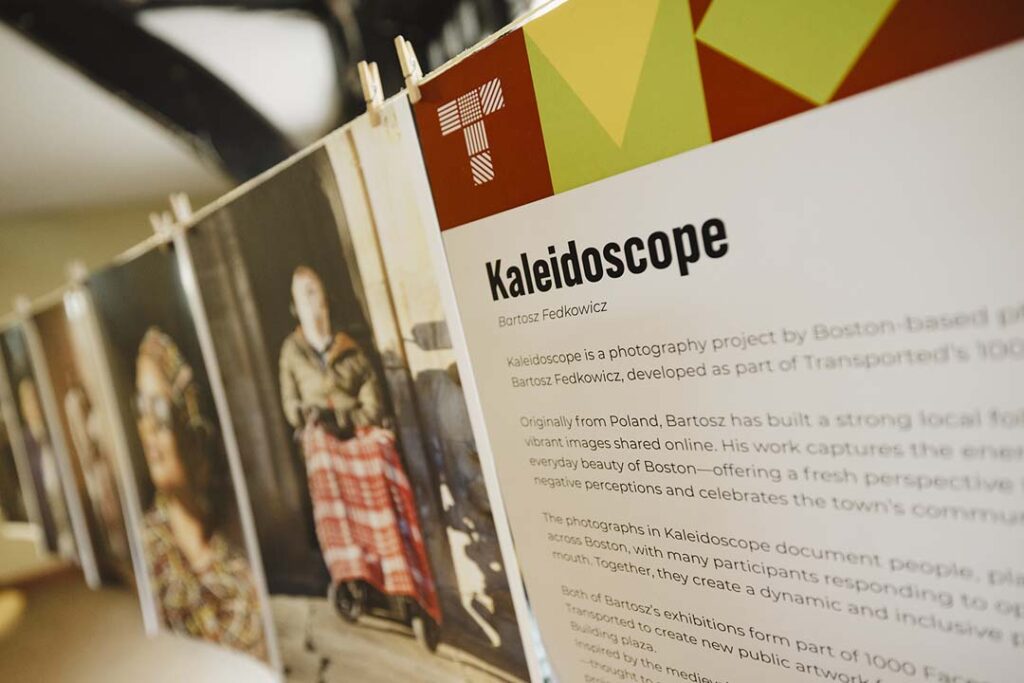
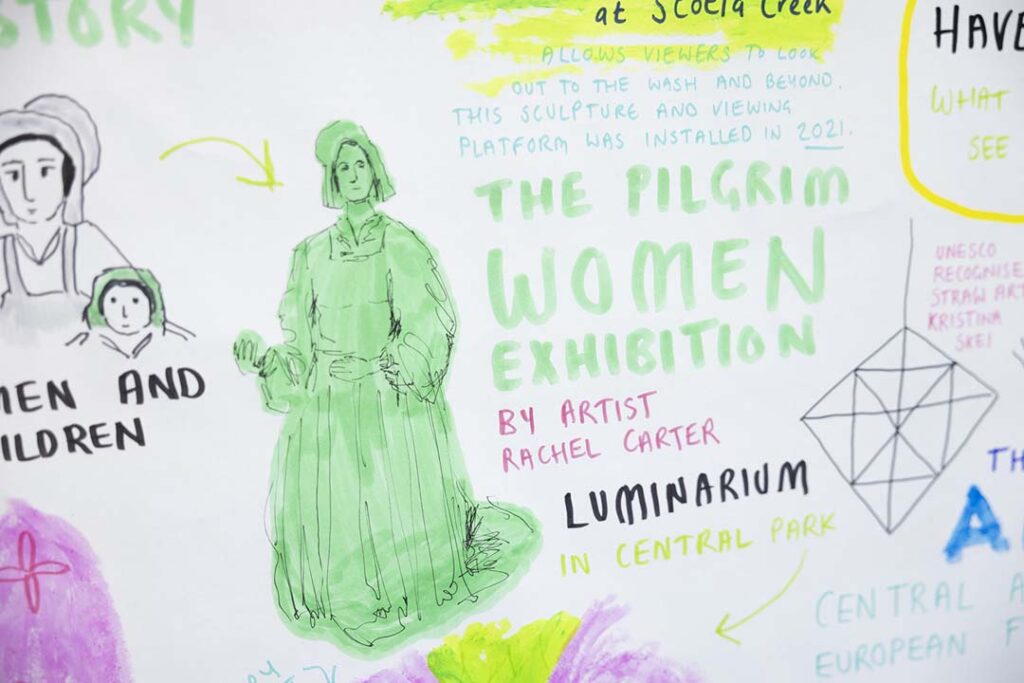
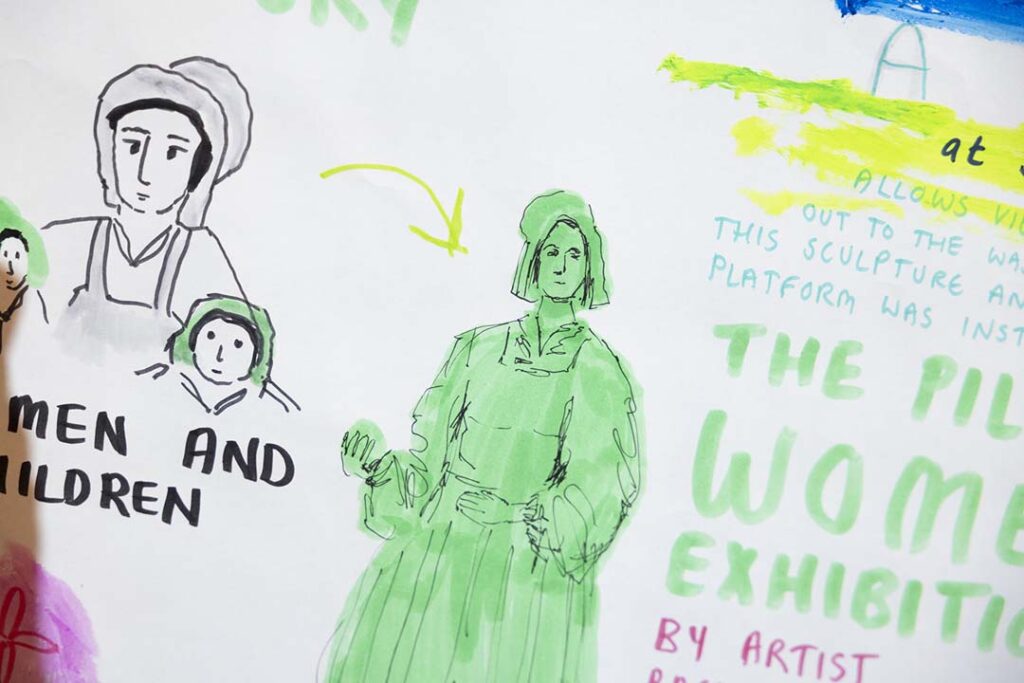
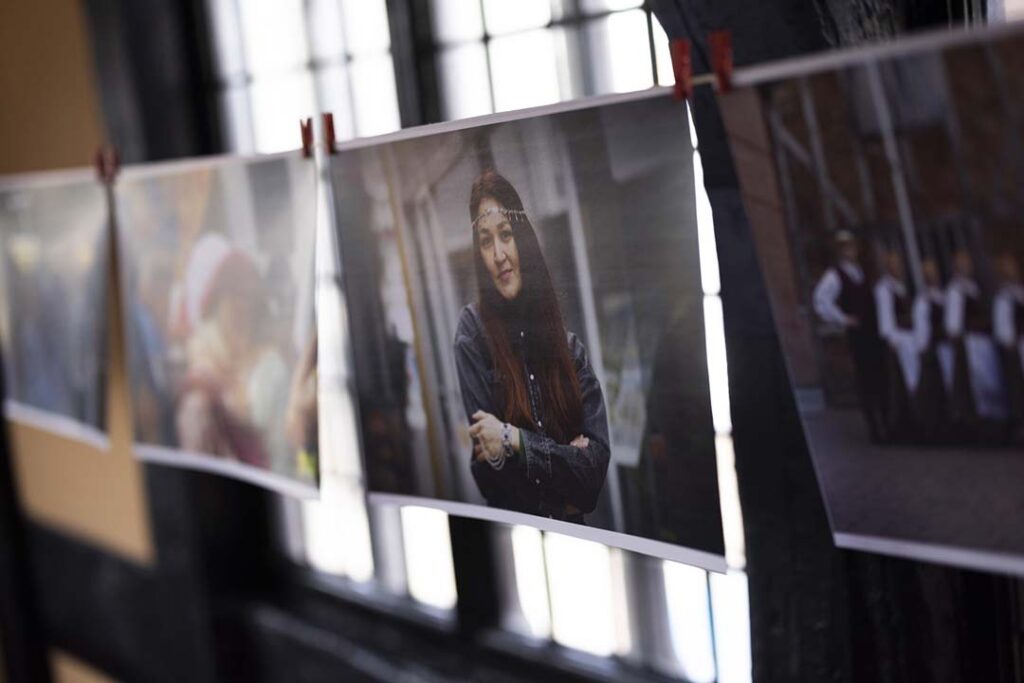
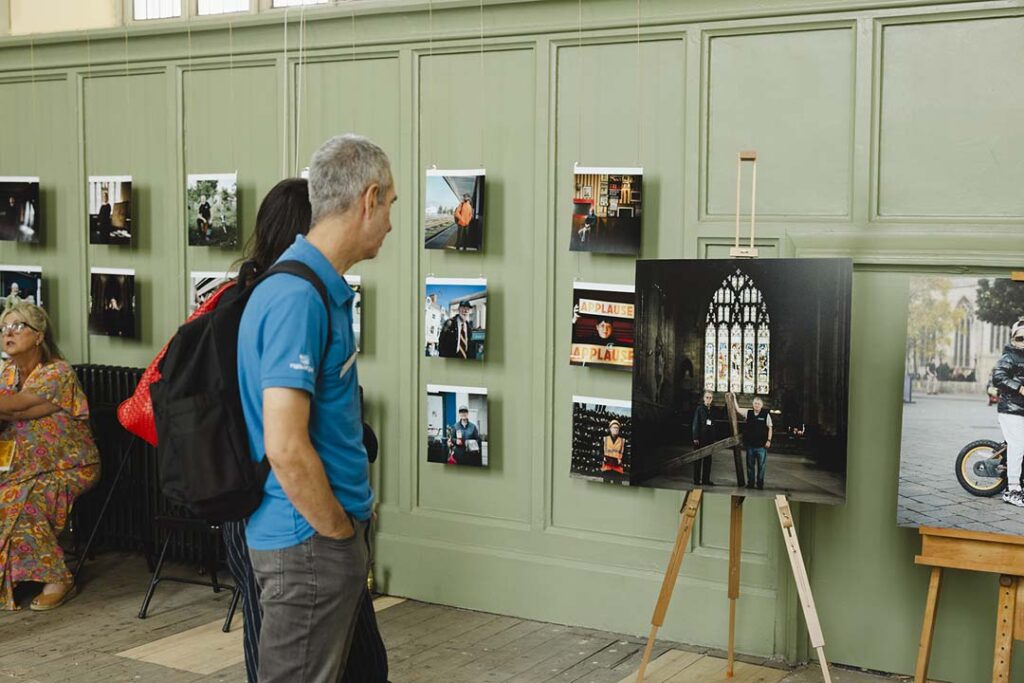
These included works by Rachel Carter, Steven Hatton, Bartosz Fedkowicz, Ruth Pigott and collaborators, alongside displays celebrating local heritage, craft, migration and community.
Together, these activities invited residents and visitors to explore Boston’s past, reflect on its present and imagine its future.
Explore Boston’s American Connections
Alongside the programme, visitors were invited to discover a trail of public artworks reflecting Boston’s links to America. These included:
- Horizon at Scotia Creek
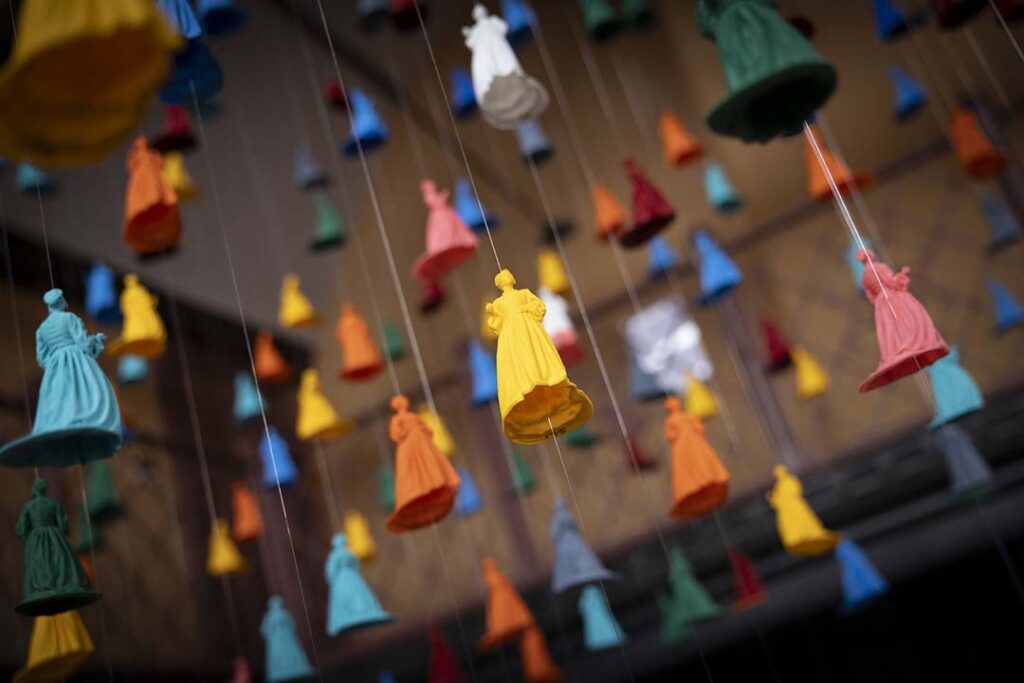
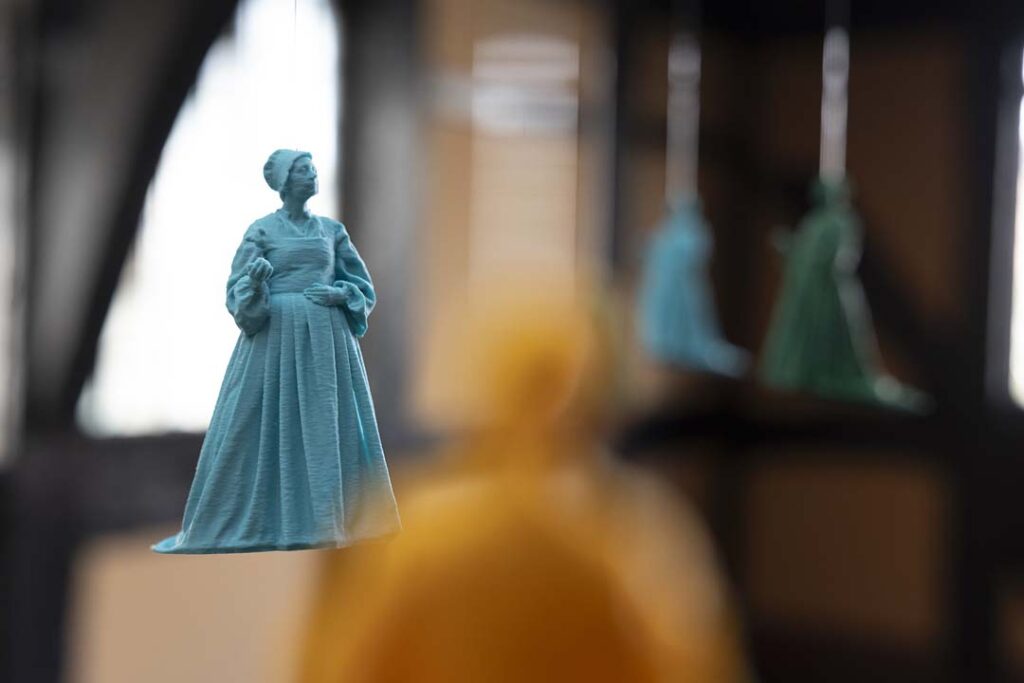
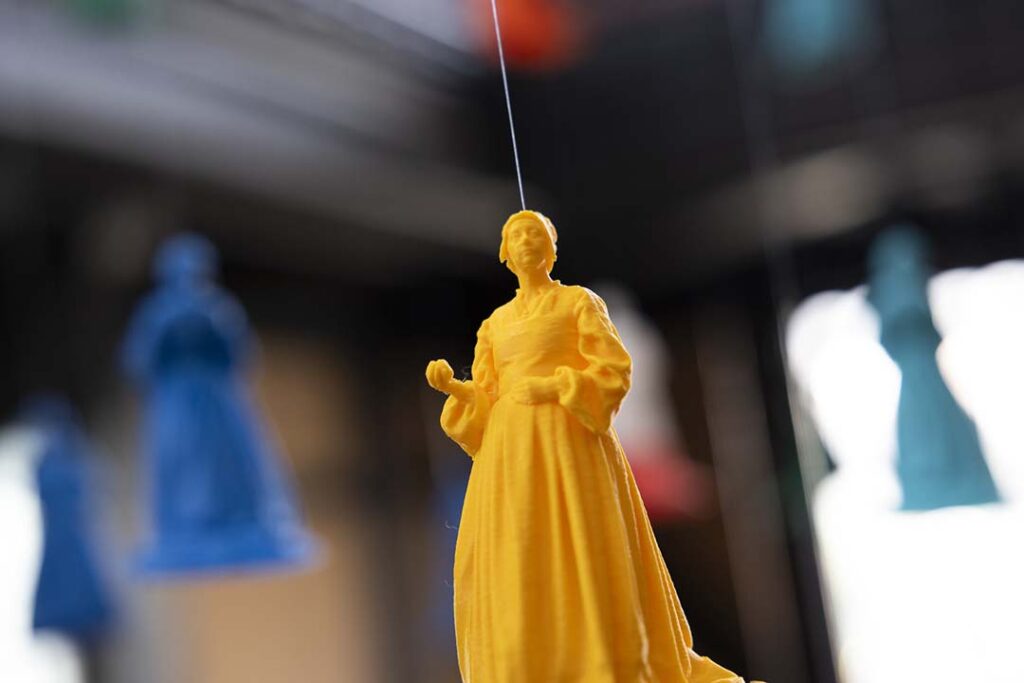
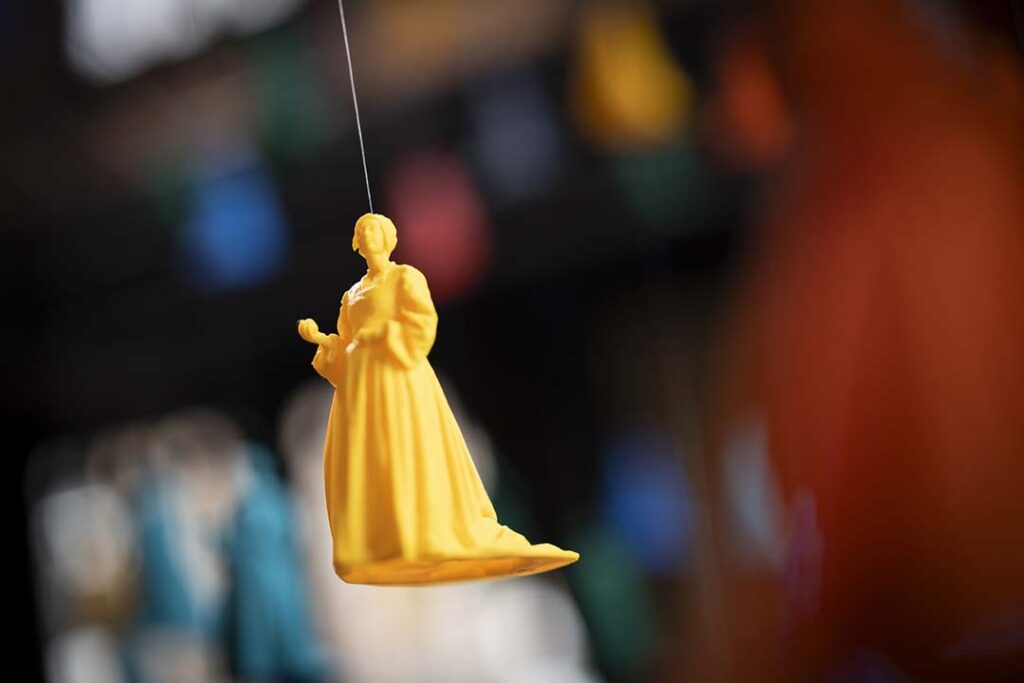
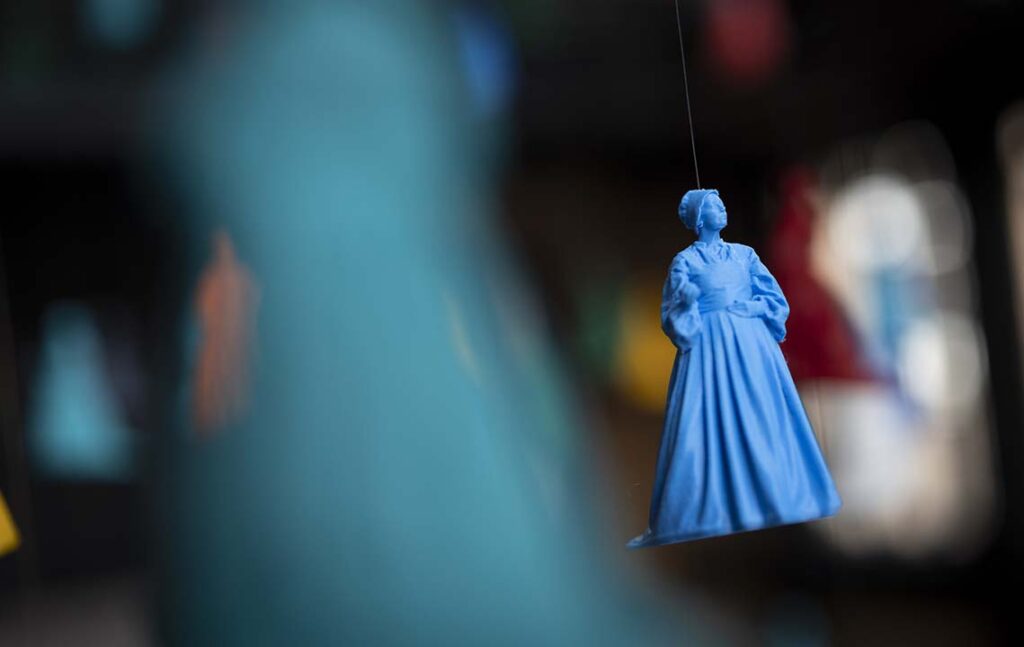
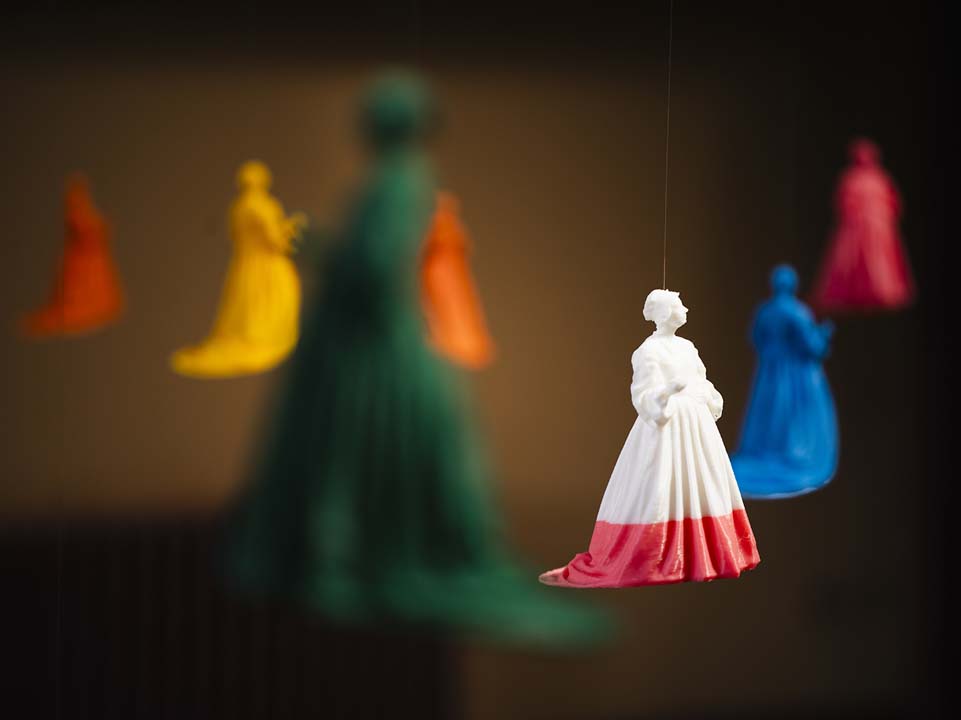
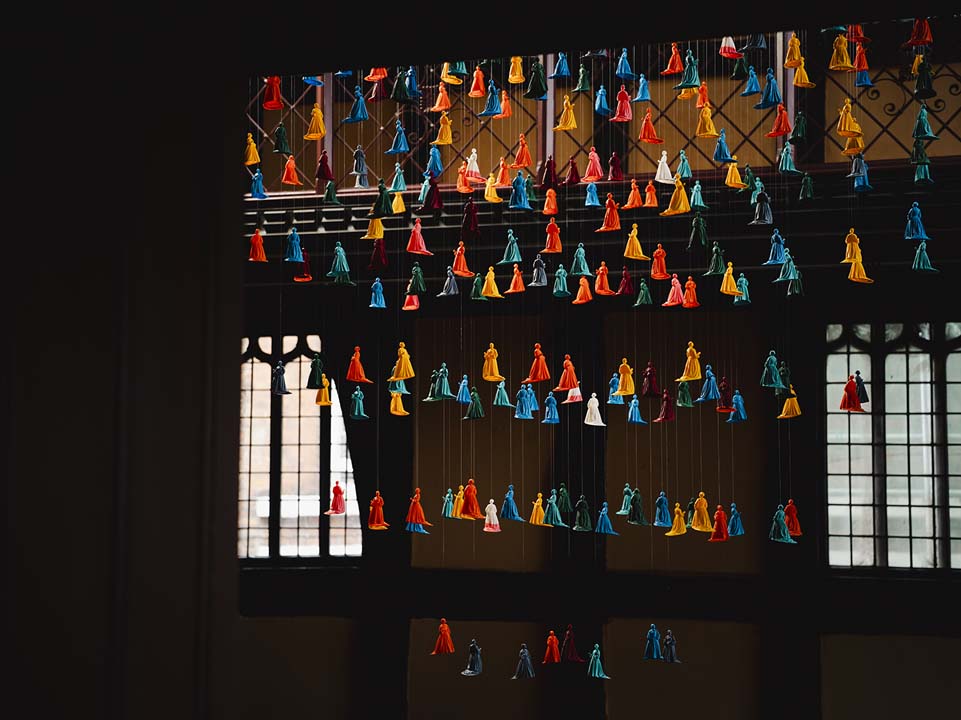
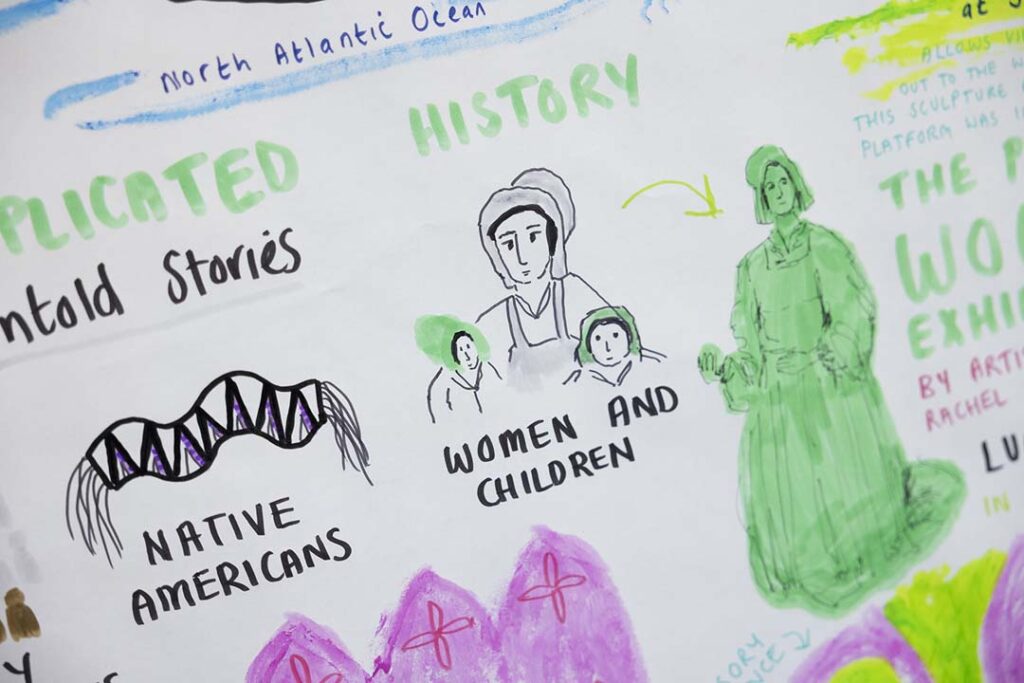
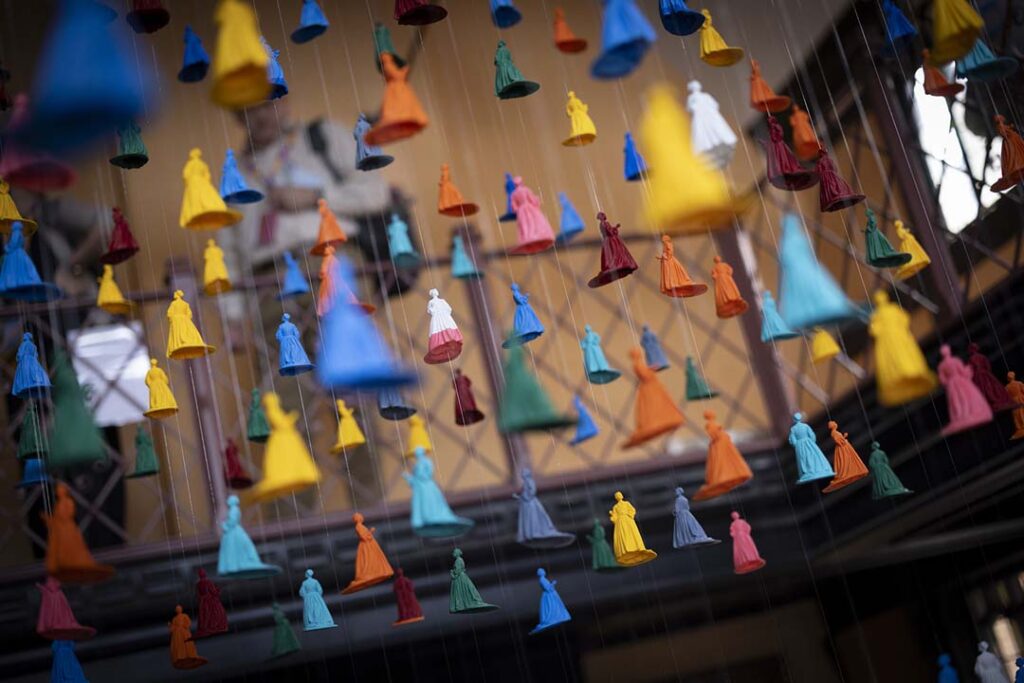
- Pilgrim Women sculptures
- Etched in Time plaques
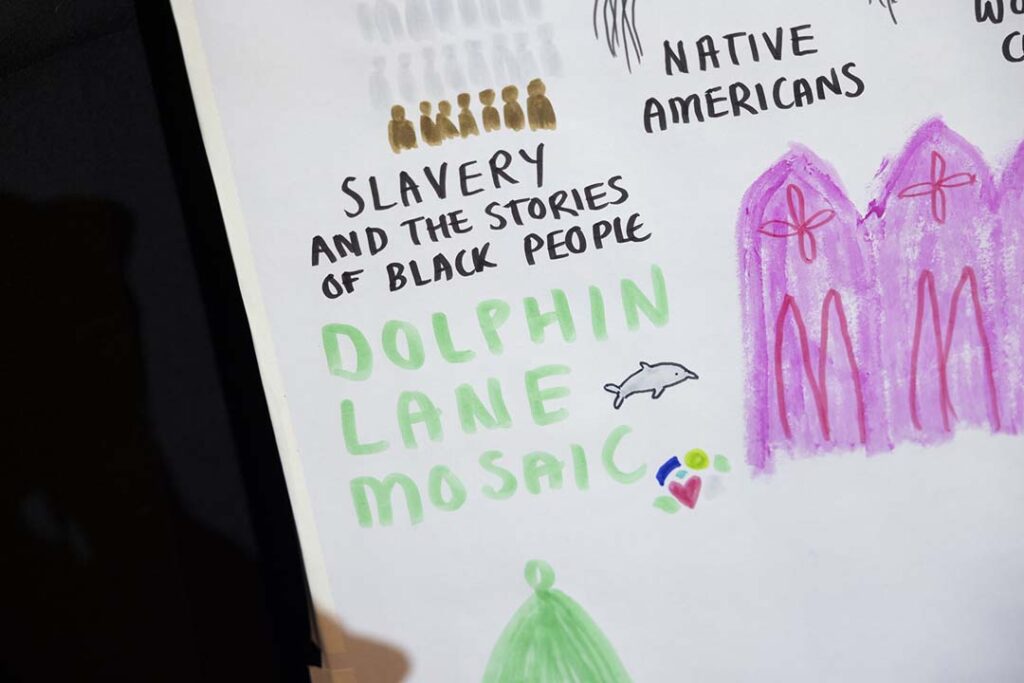
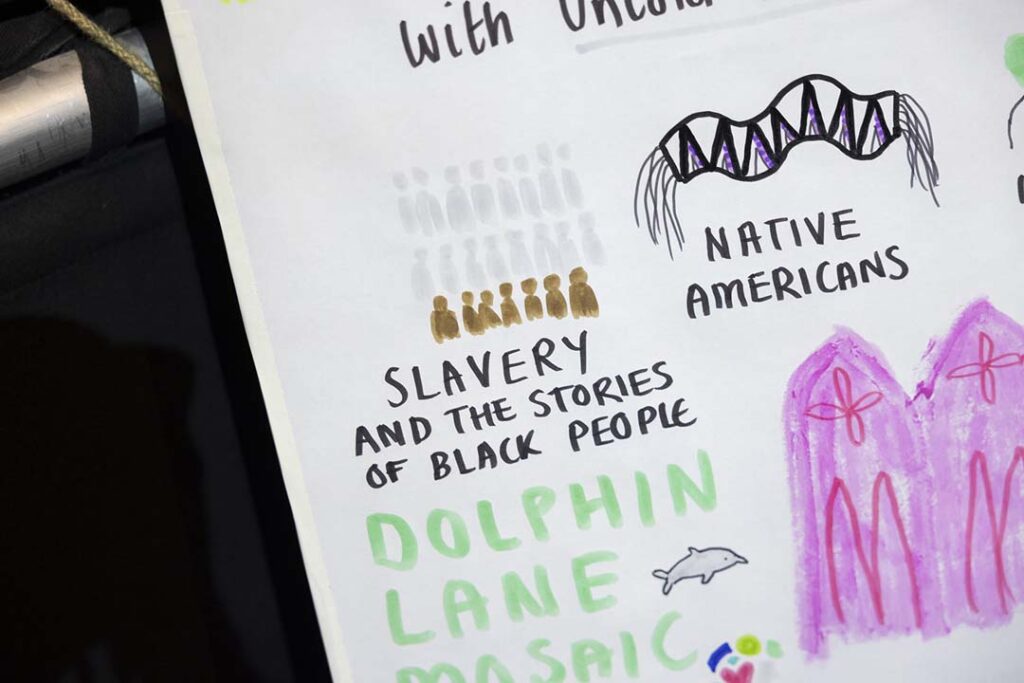
- Dolphin Lane mosaic
Visitors could also explore these stories in greater depth through Radical Routes. And you can still explore them now!

Part of a Wider Vision
We Are Boston formed part of Transported’s next phase of work, Mind the Gap, which aims to connect with new communities and build meaningful, long-term engagement across Boston.
It was a bold and engaging week of art, light and discovery—part of shaping Boston. There’s still time to tell us your thoughts via our Contact Us page
FUNDING
This programme was partly funded by Arts Council England in partnership with Transported and Architects of Air, with funding support from Boston Borough Council. The event was also funded in part thanks to Boston Preservation Trust (BPT) through their National Heritage Lottery grant, made possible by National Lottery players. Additional support from Future of the Past (SoundLincs), StoryTellers NPO and a Arts Council England project grant in partnership with the Boston Hanse Group.
Gallery
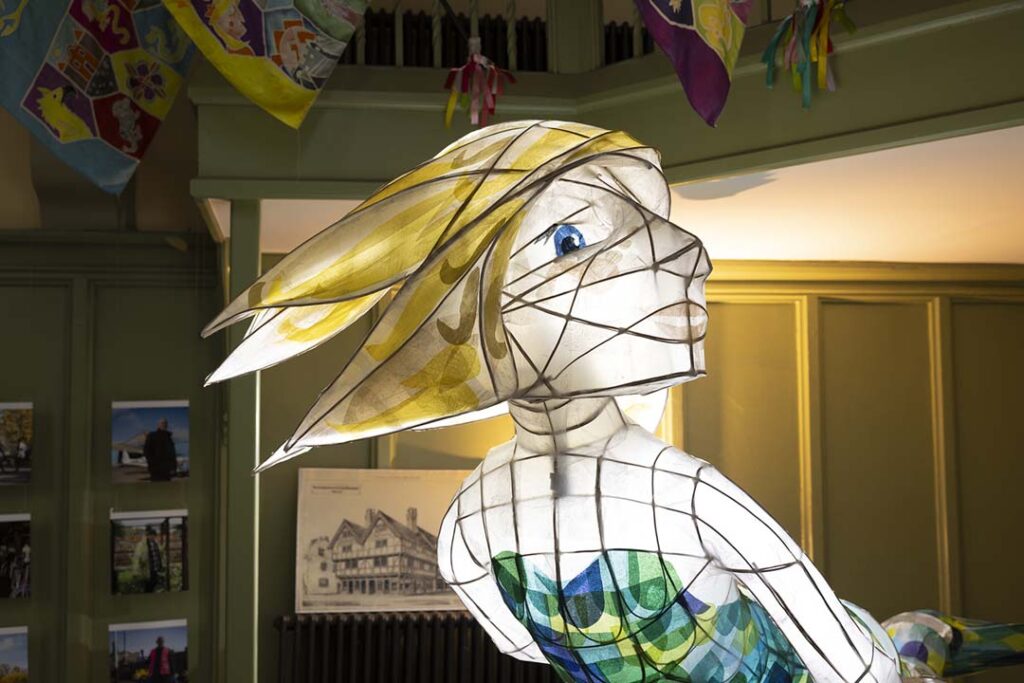
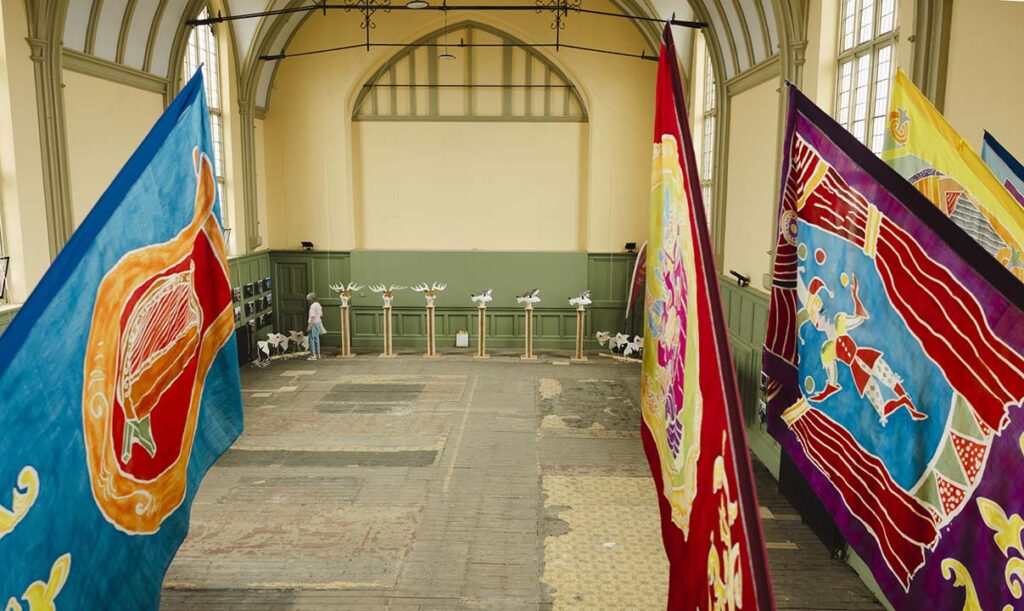
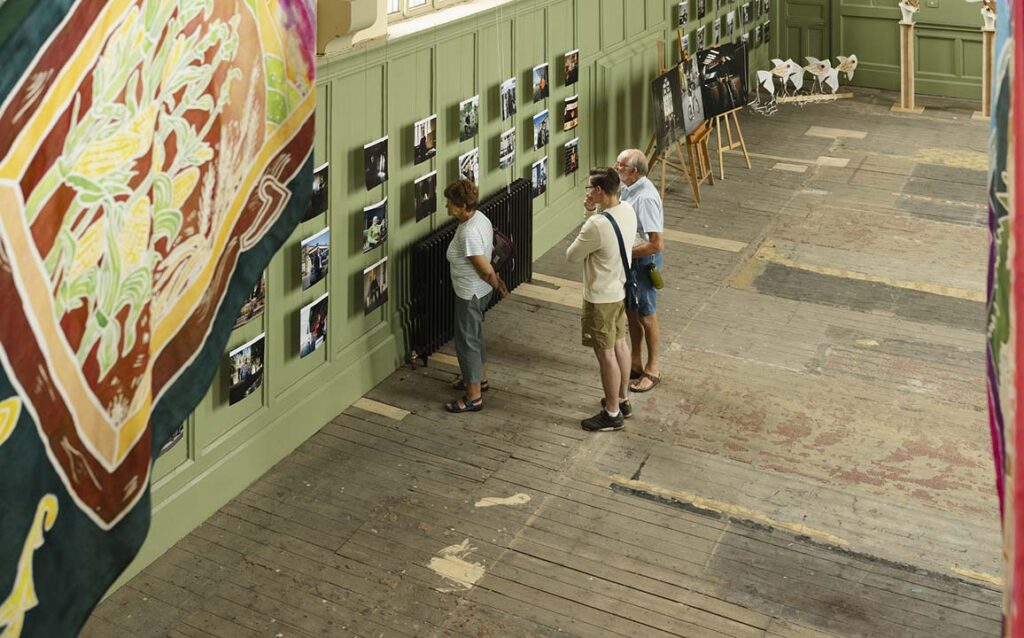
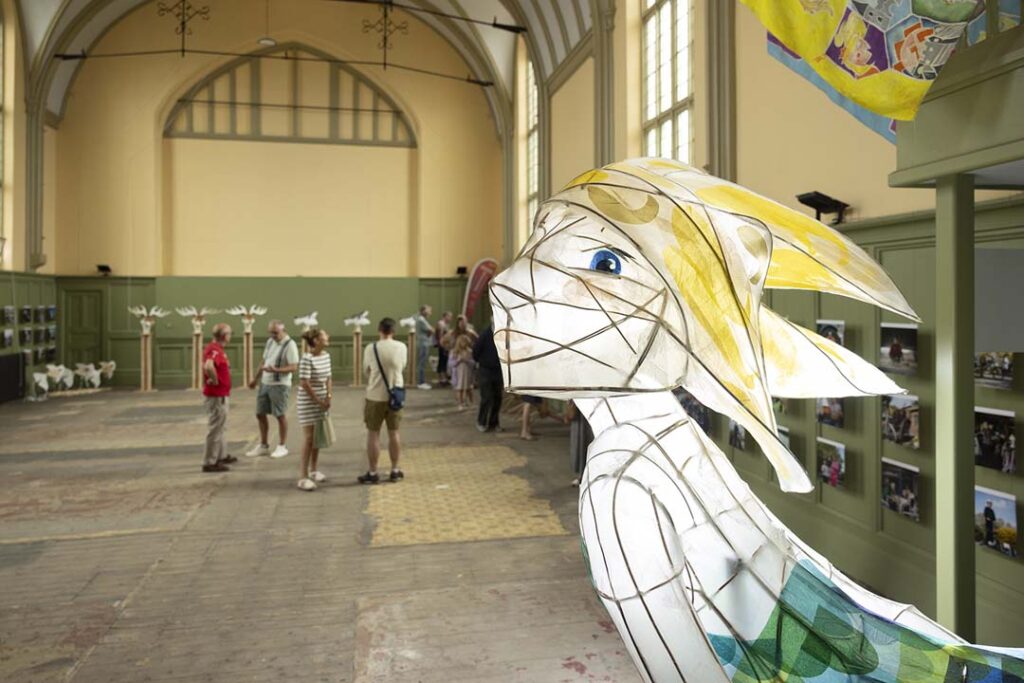
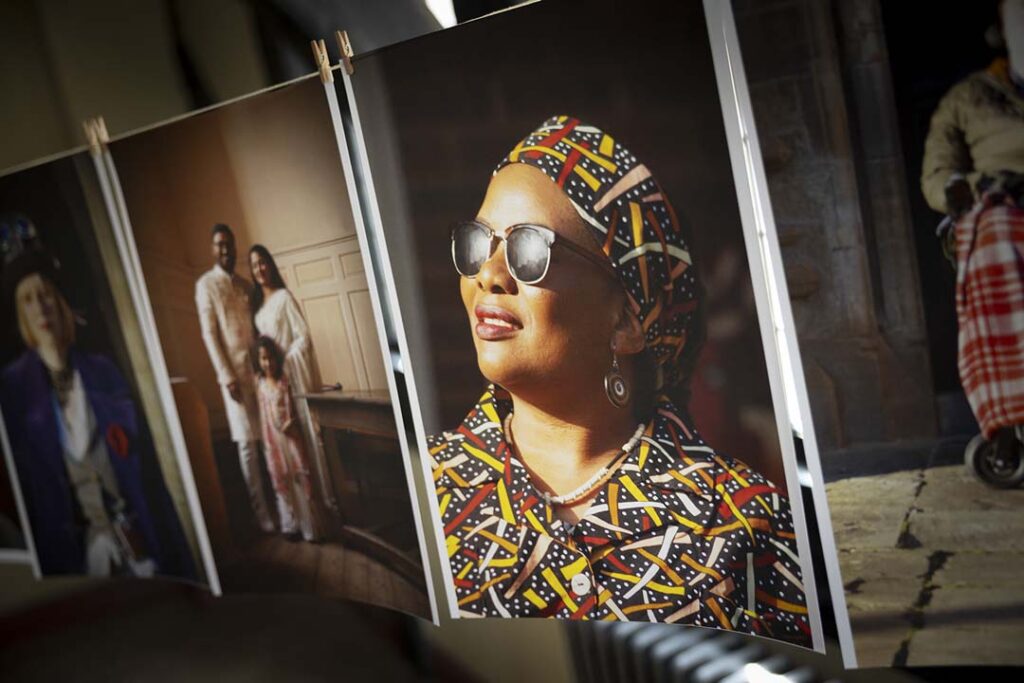
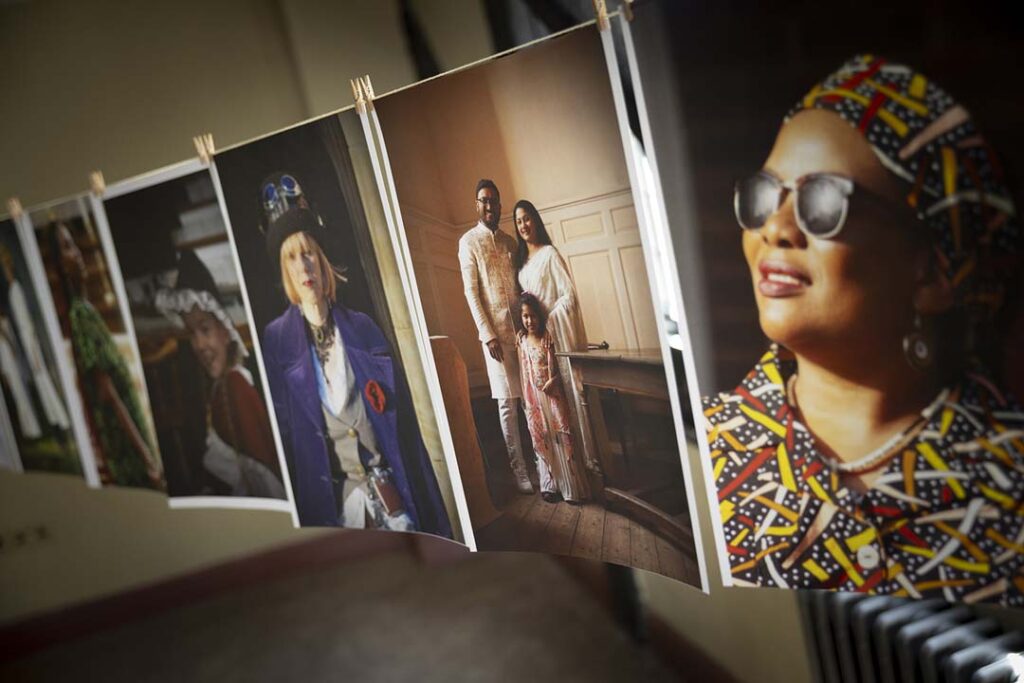
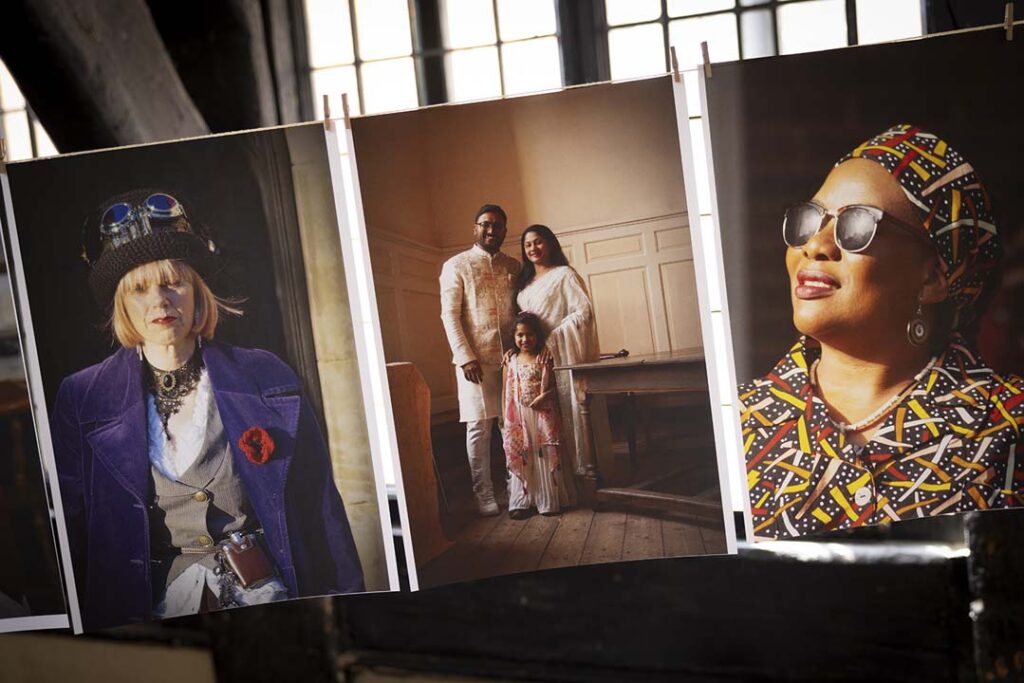
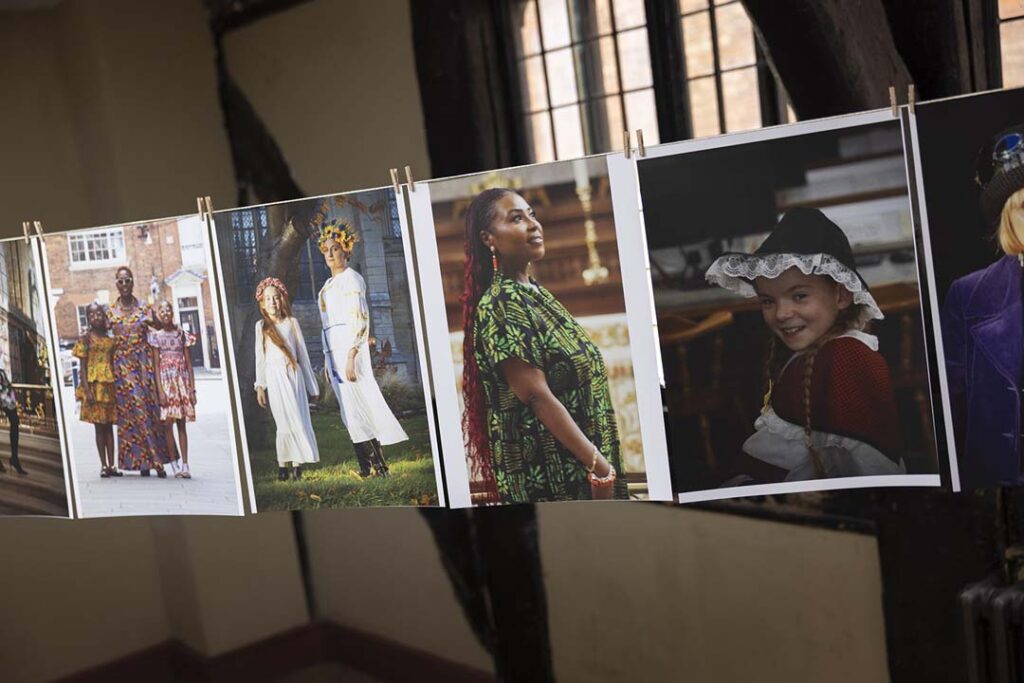
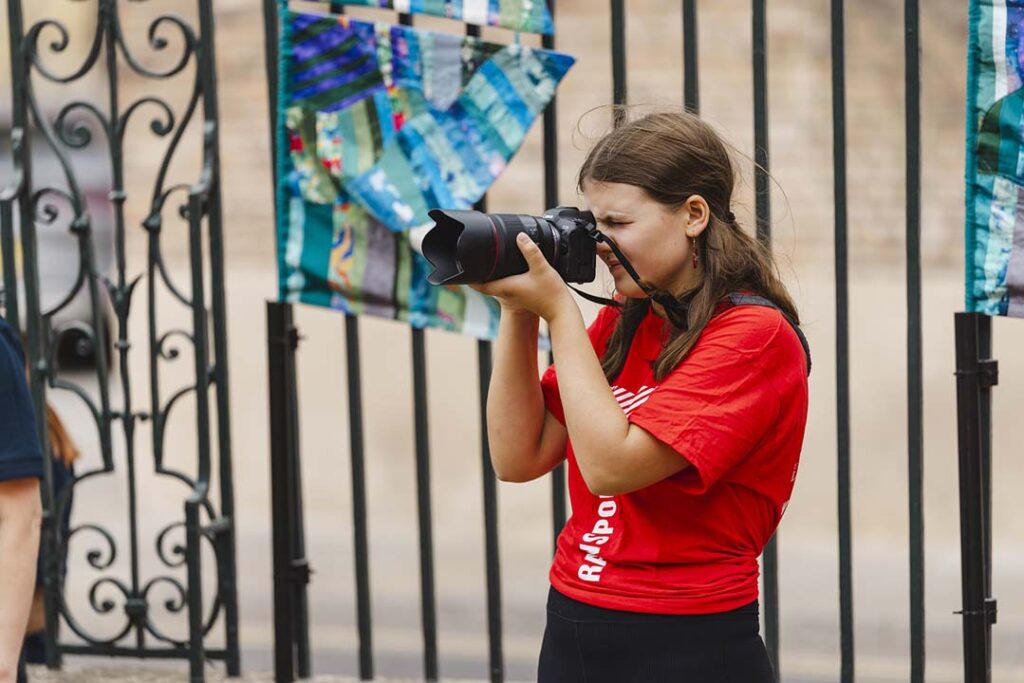
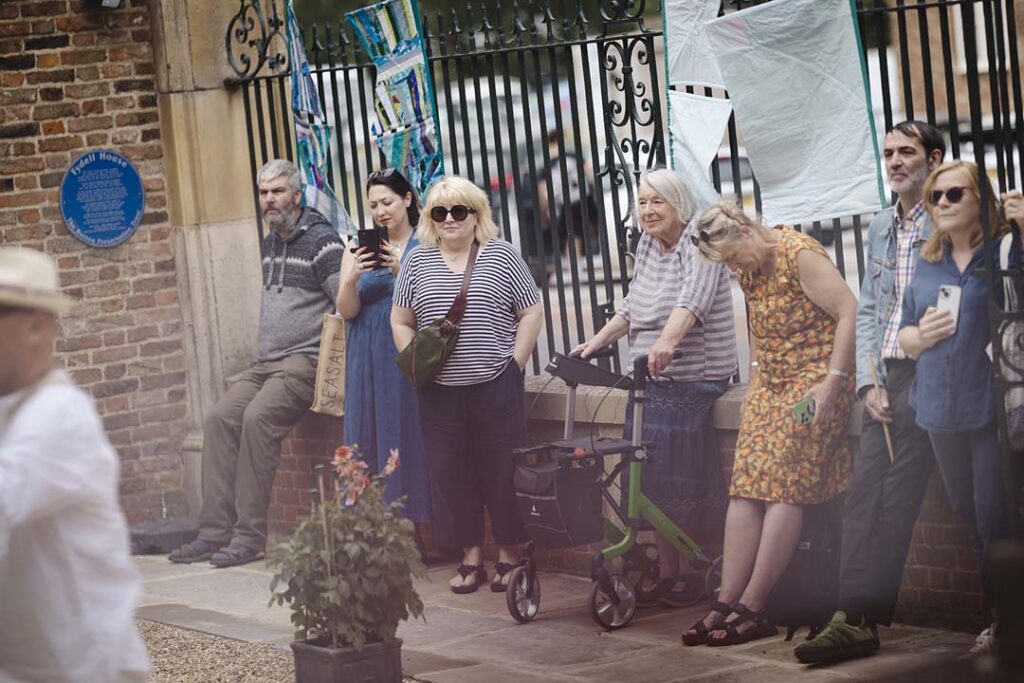
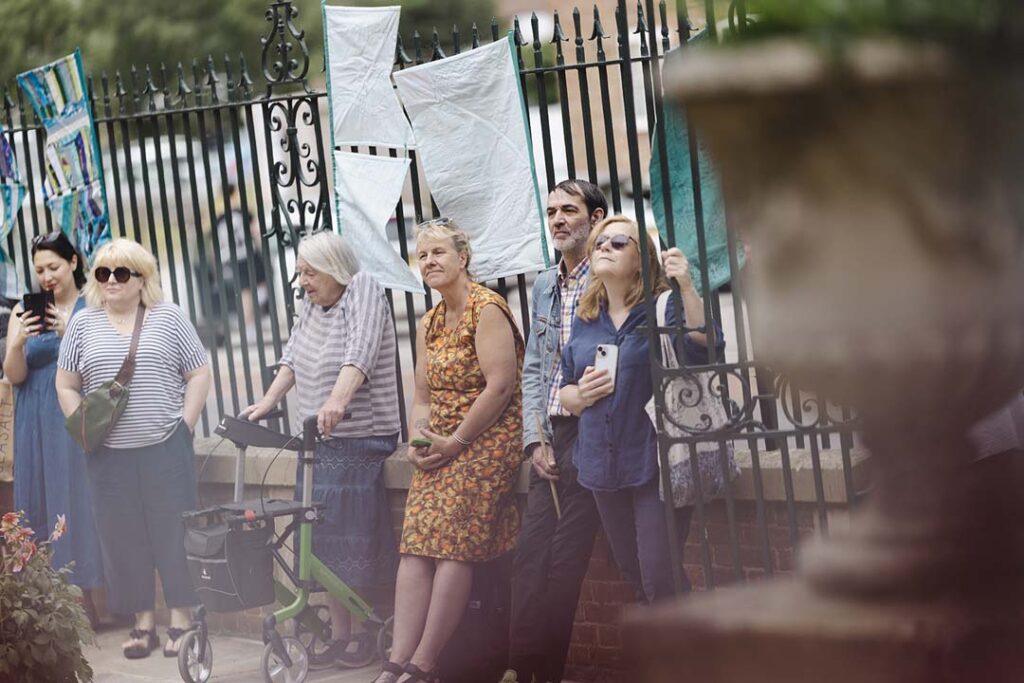
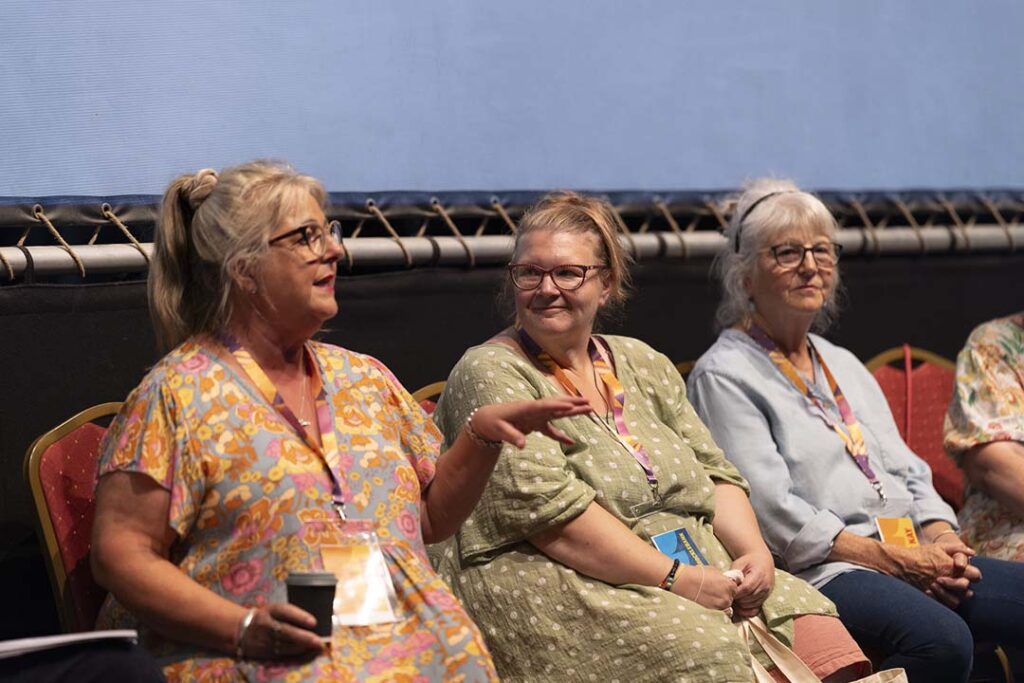
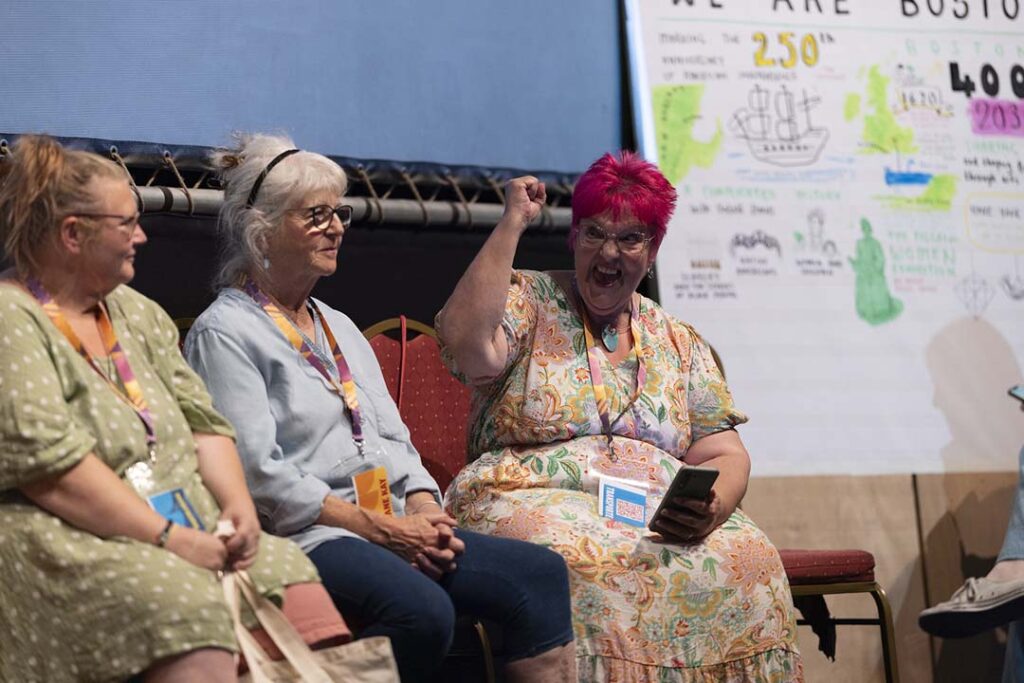
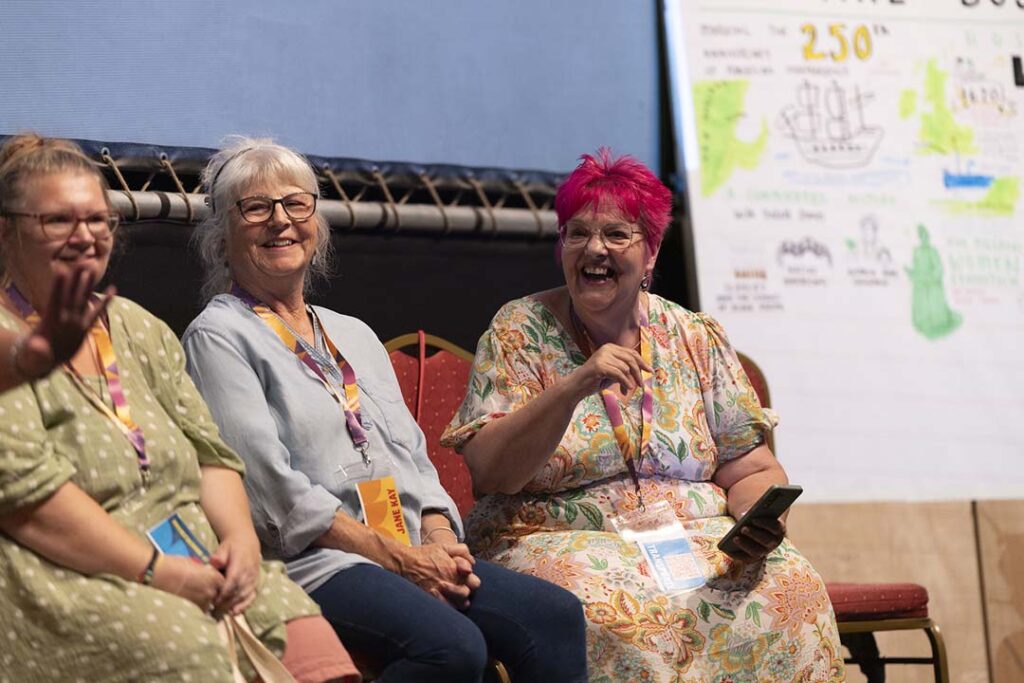
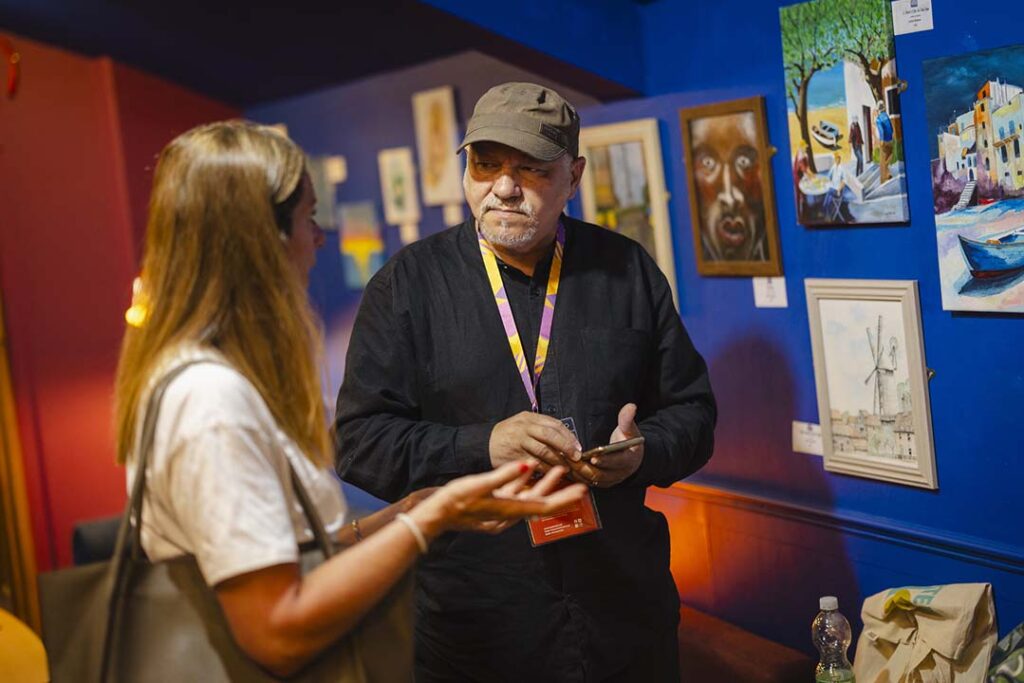
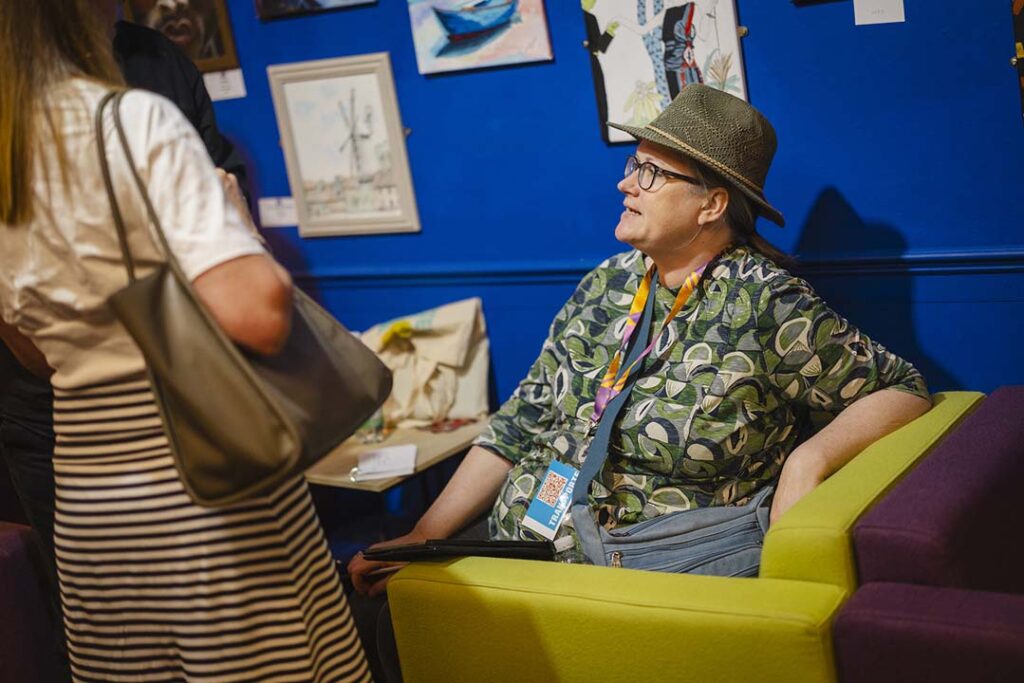
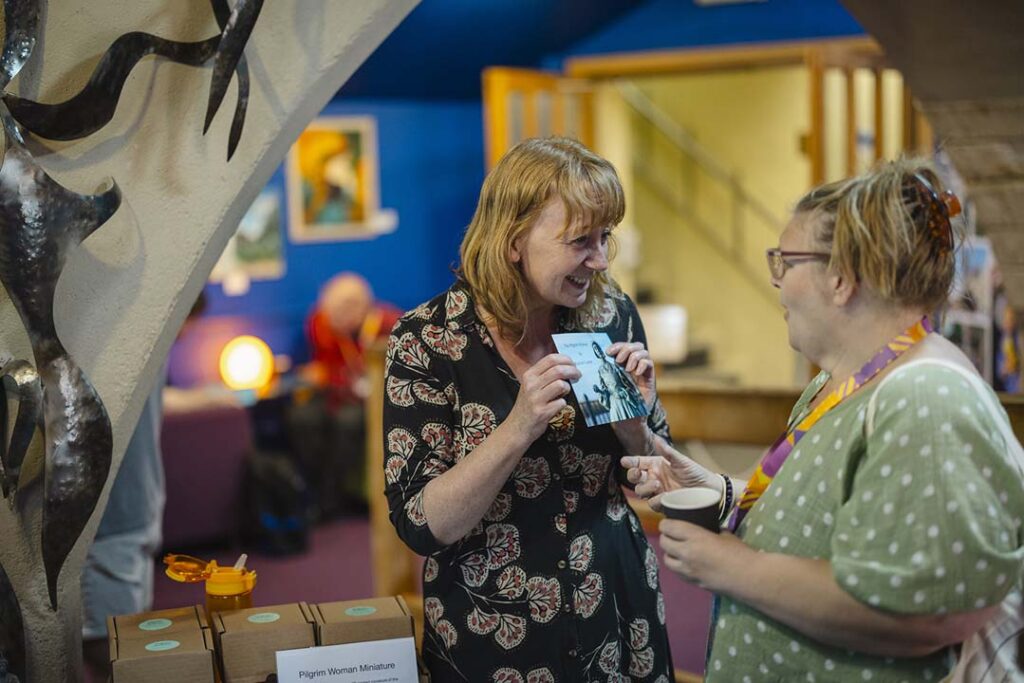
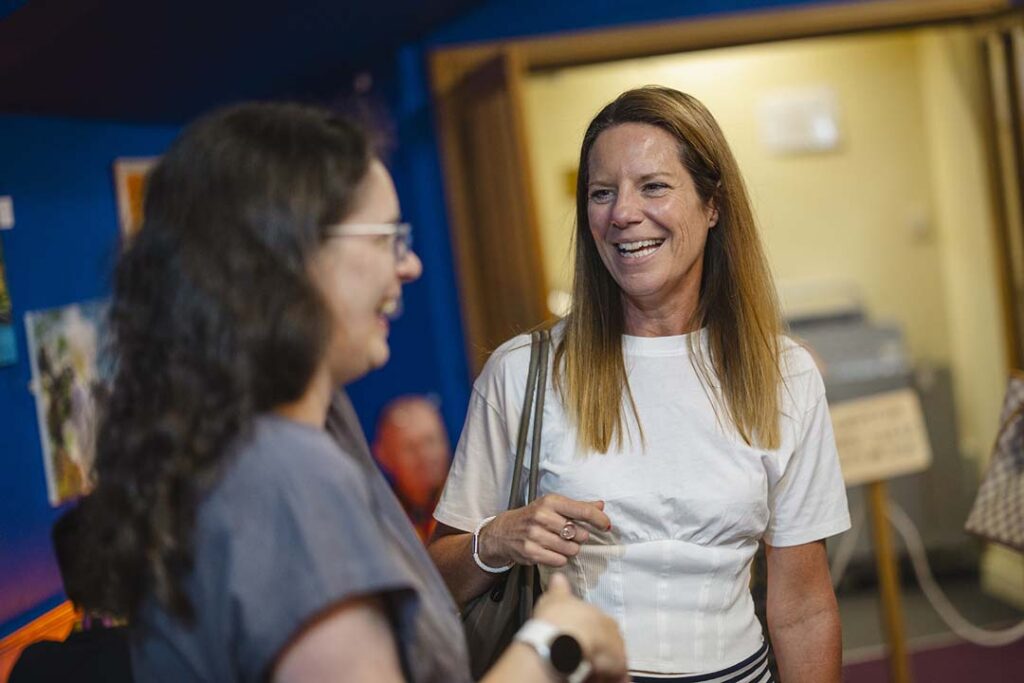
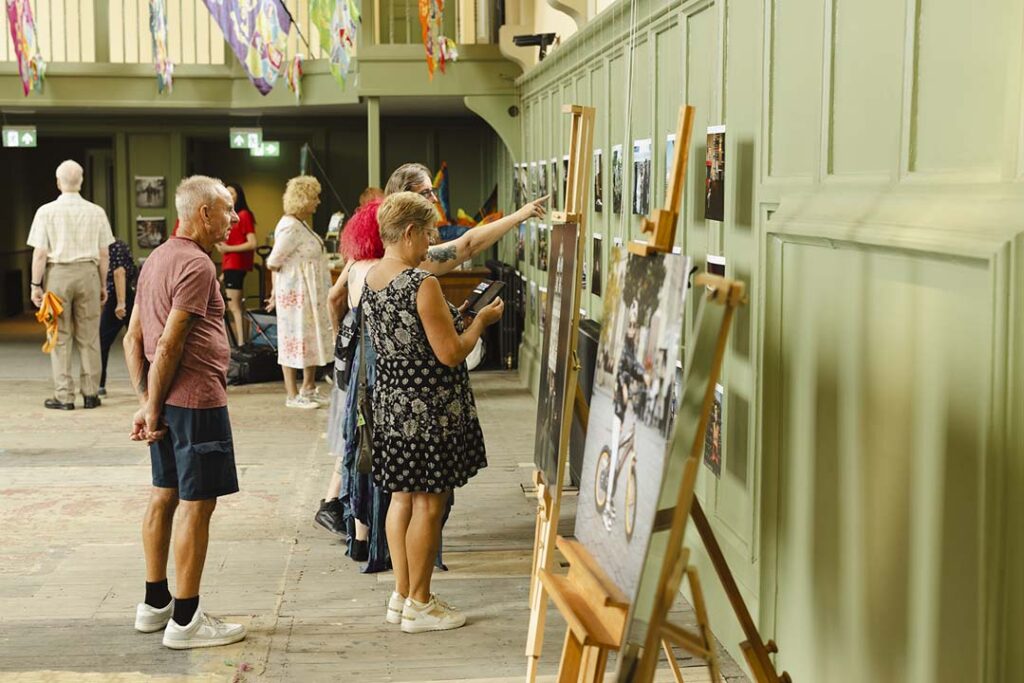
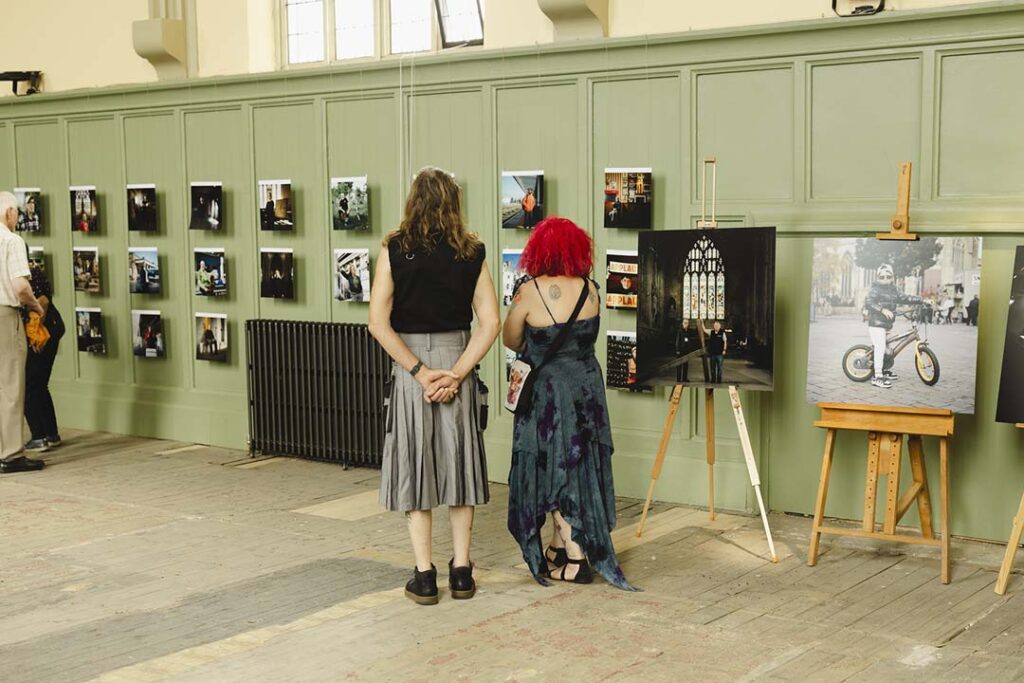
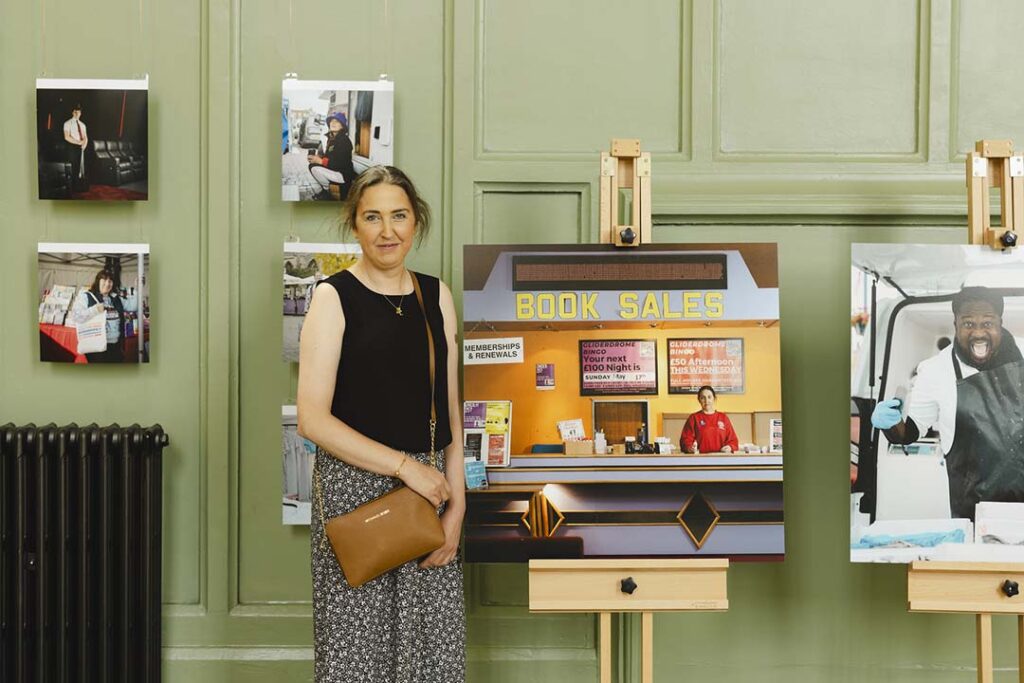
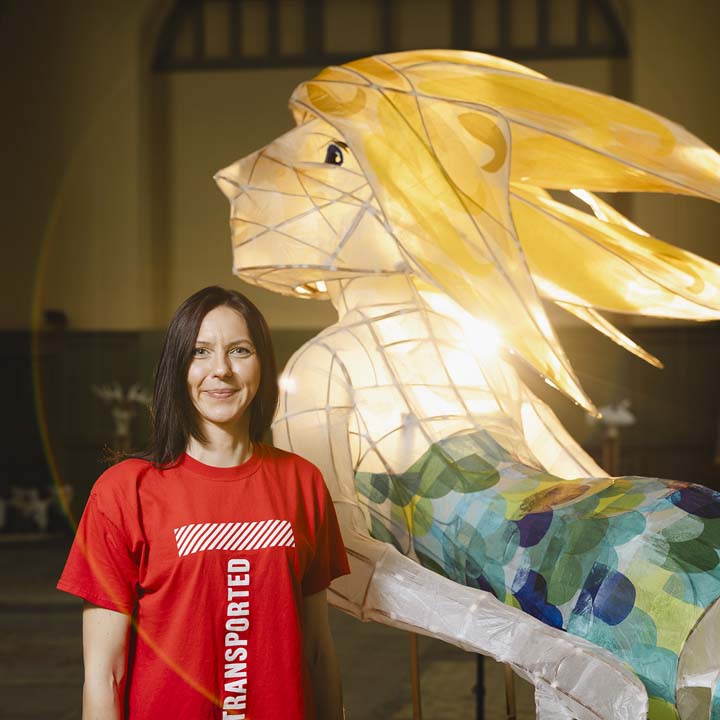
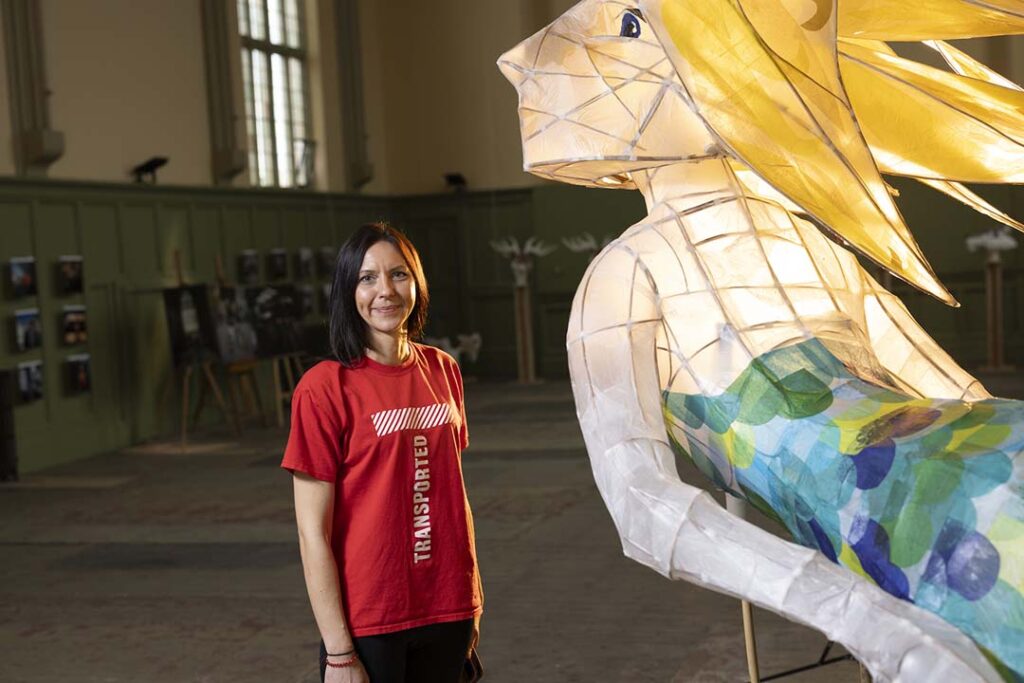
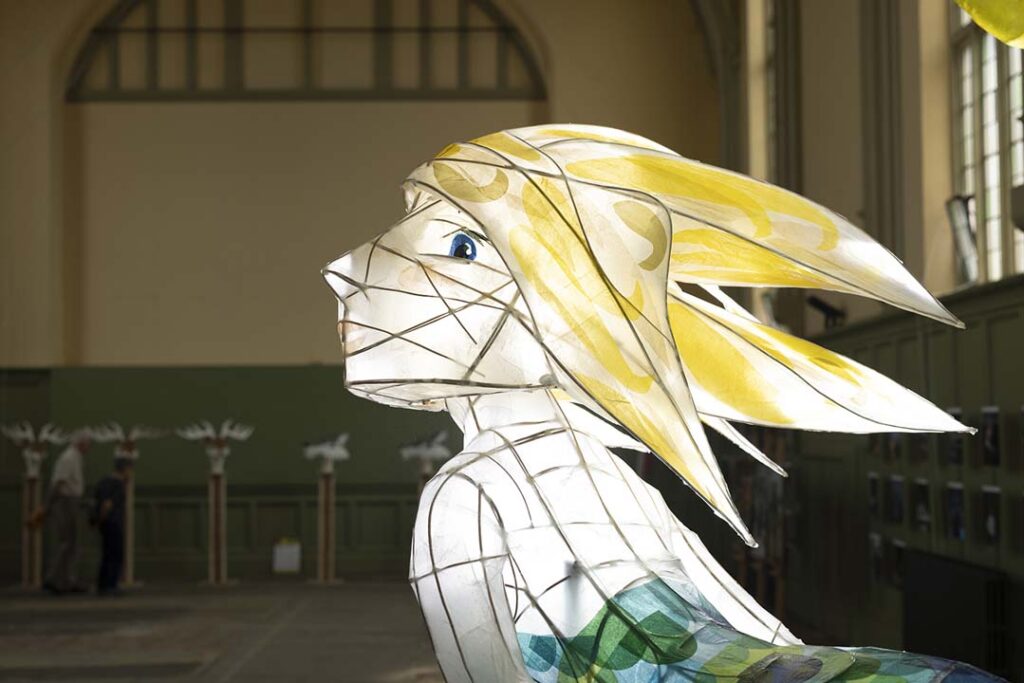
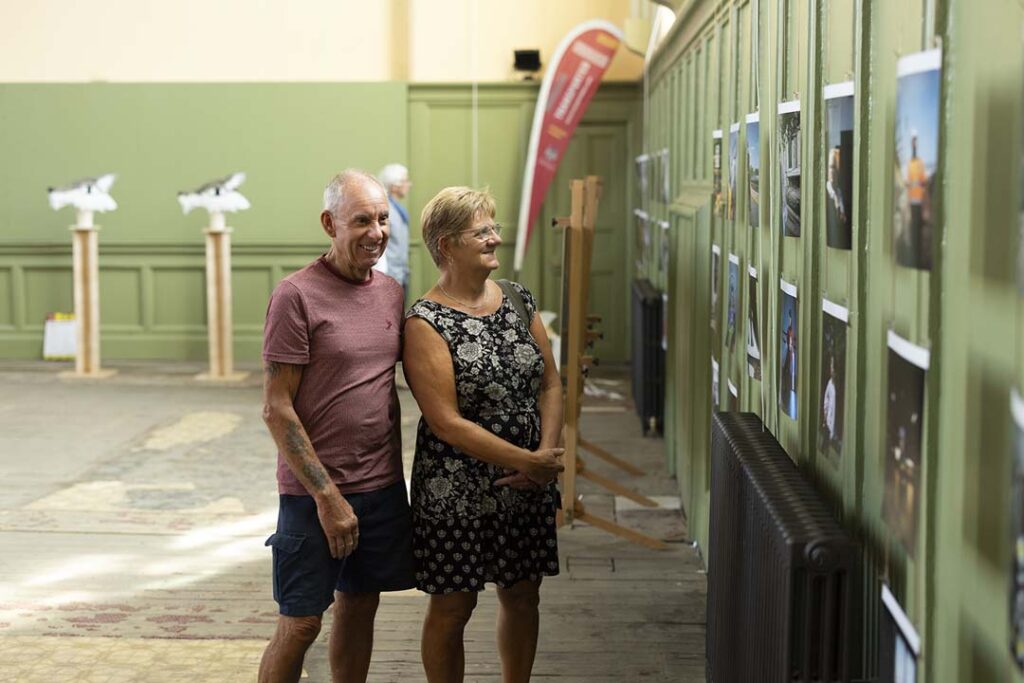
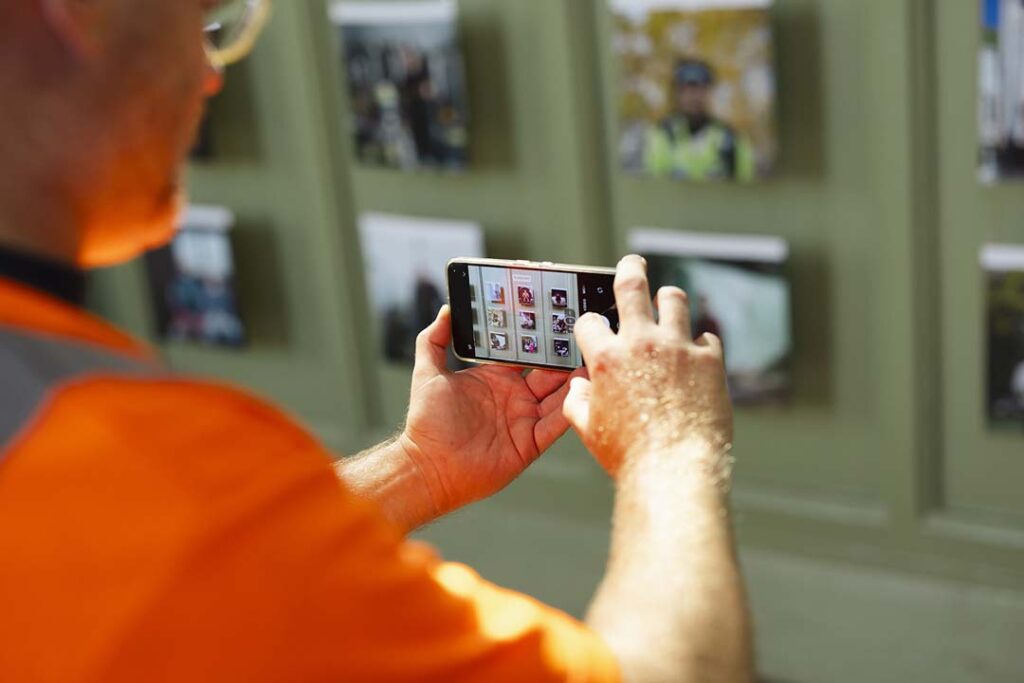
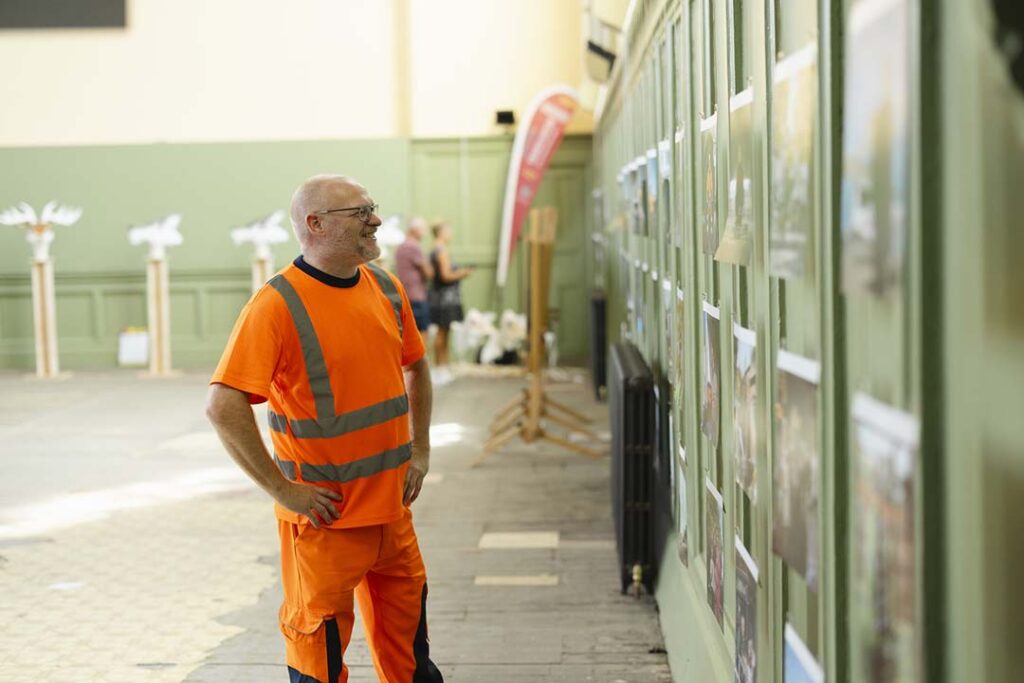
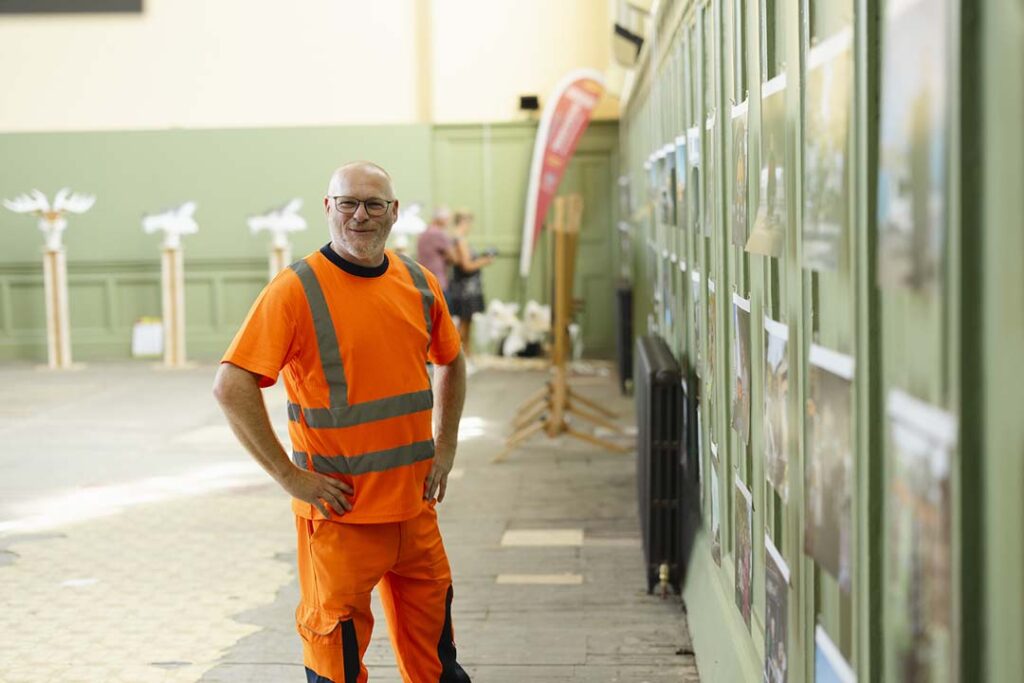
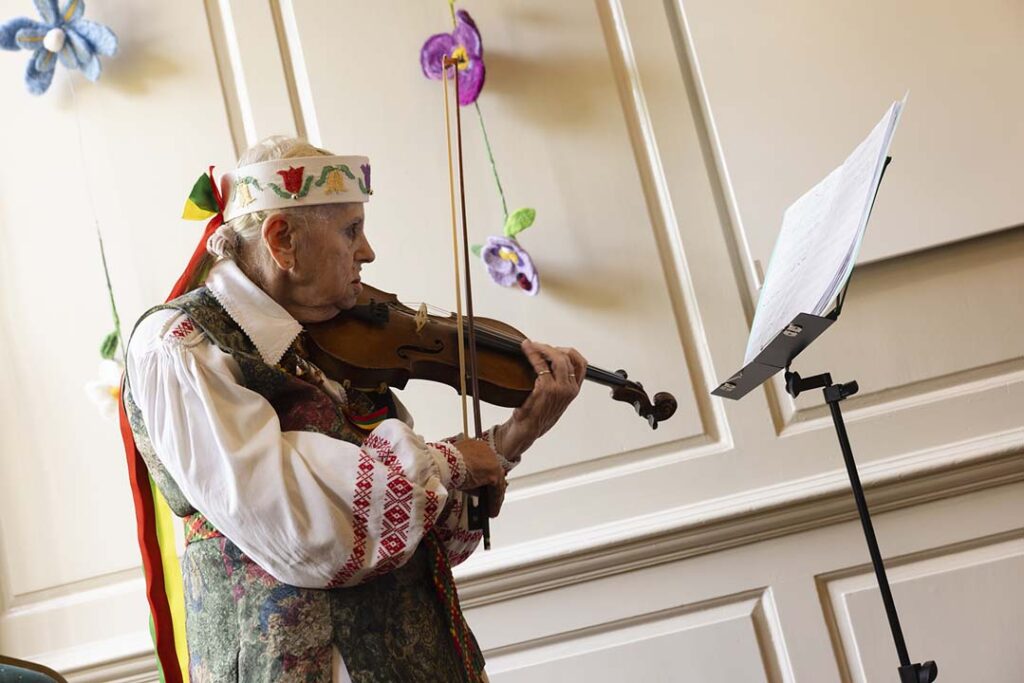
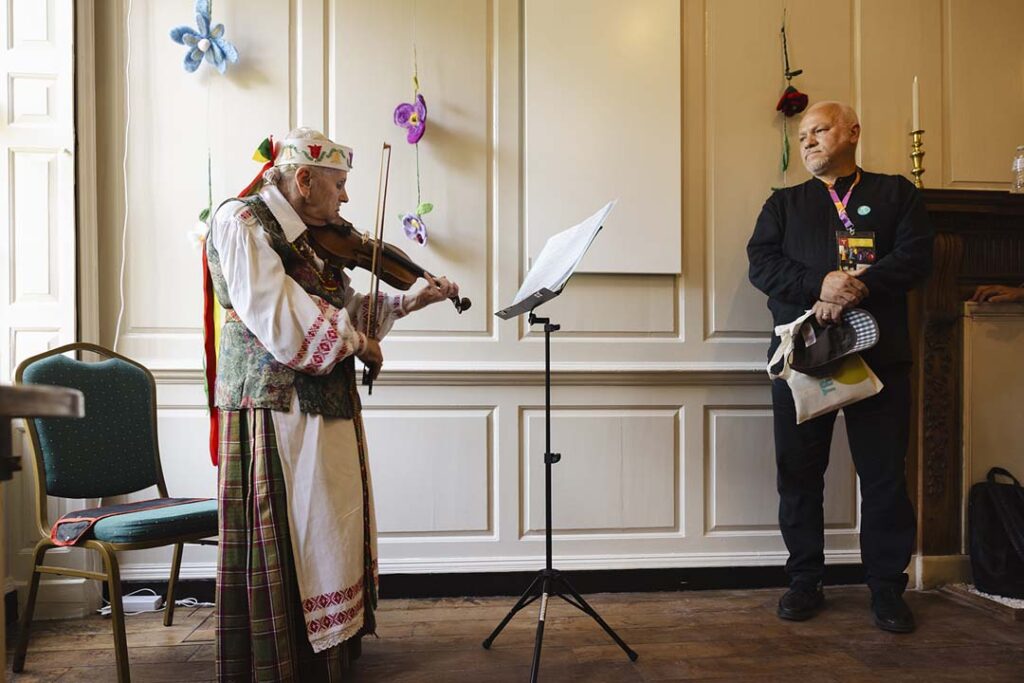
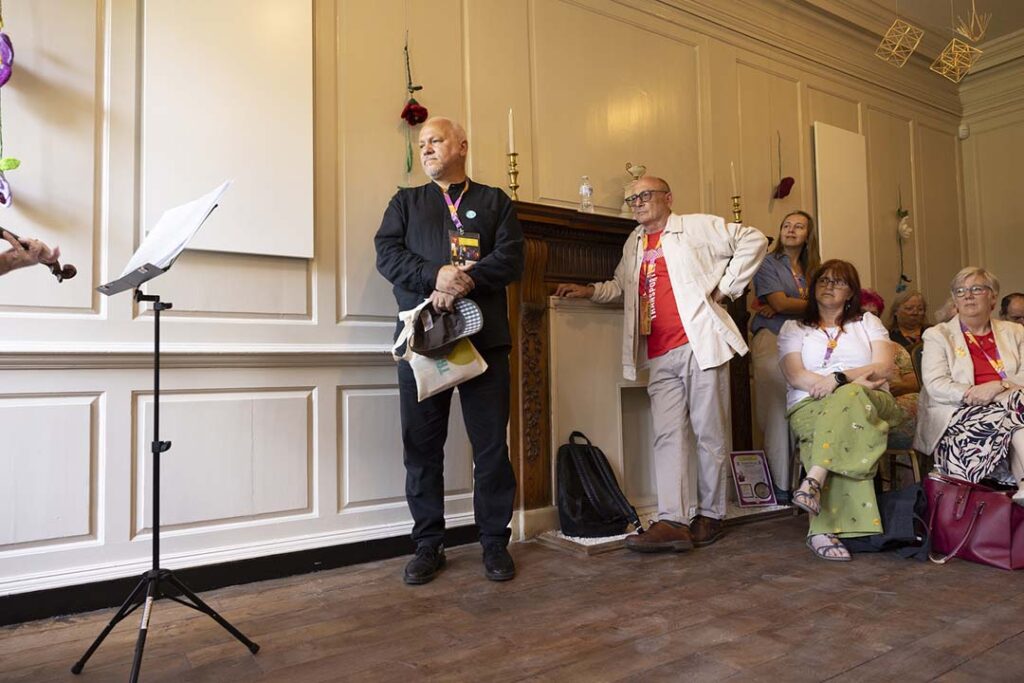
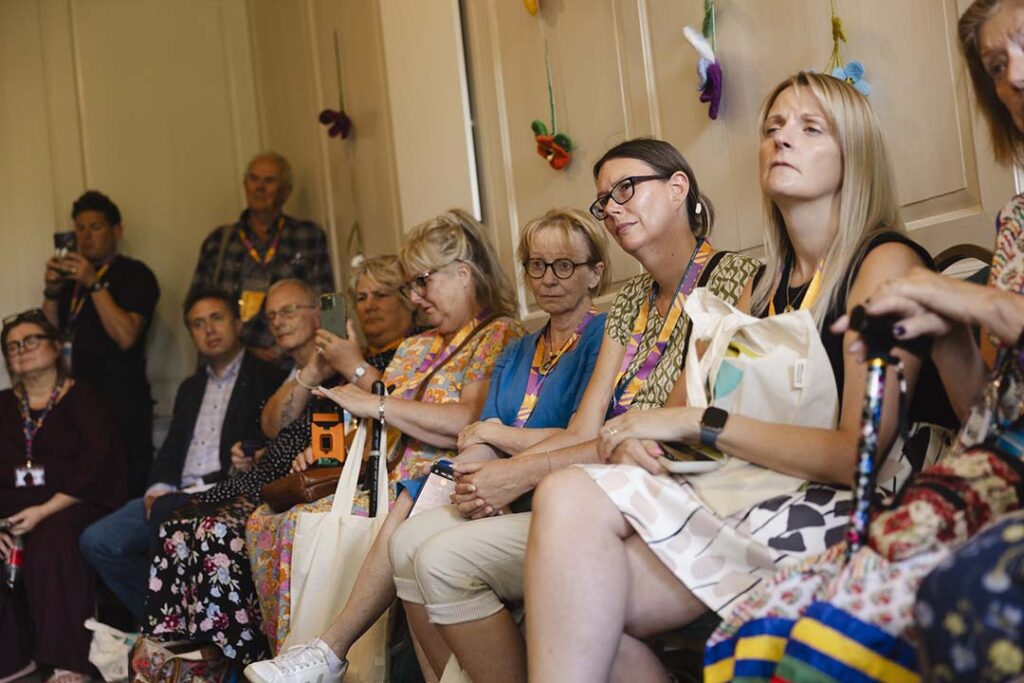
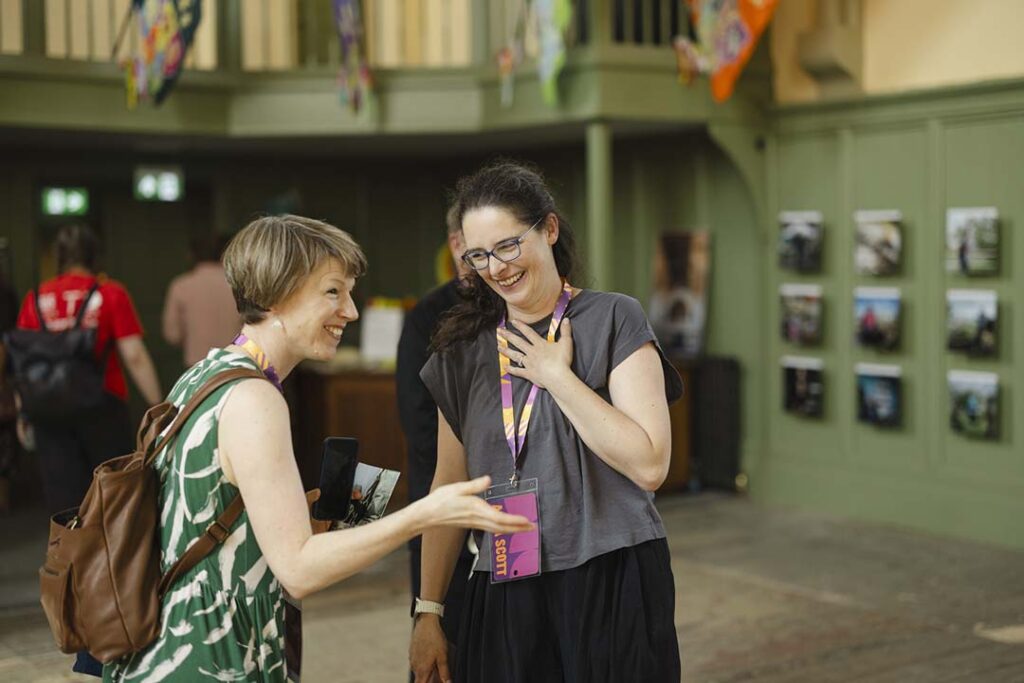
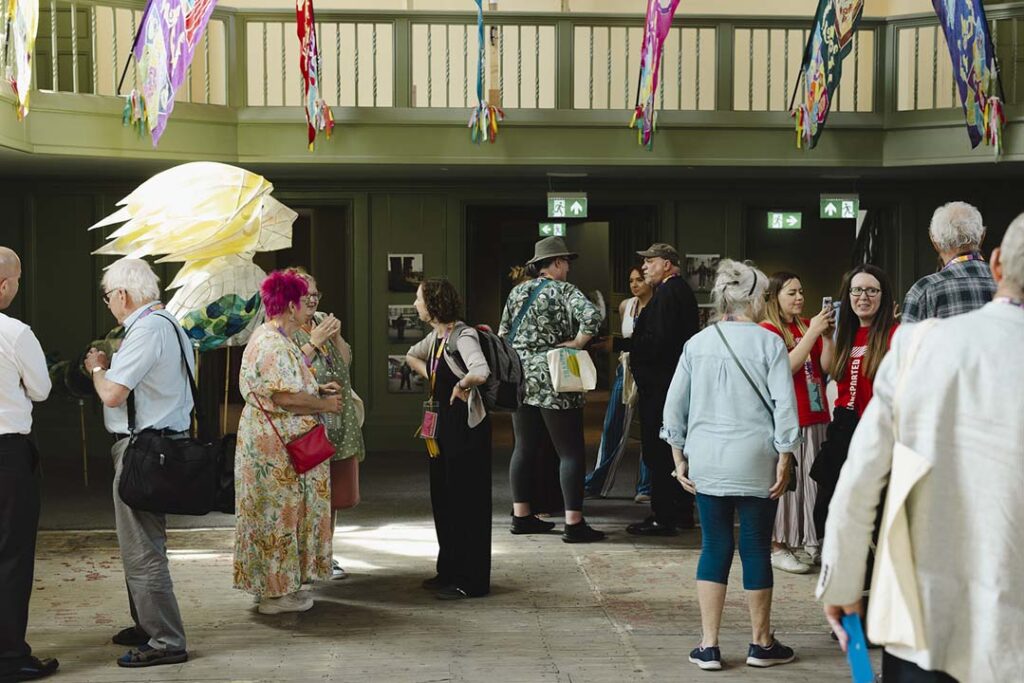
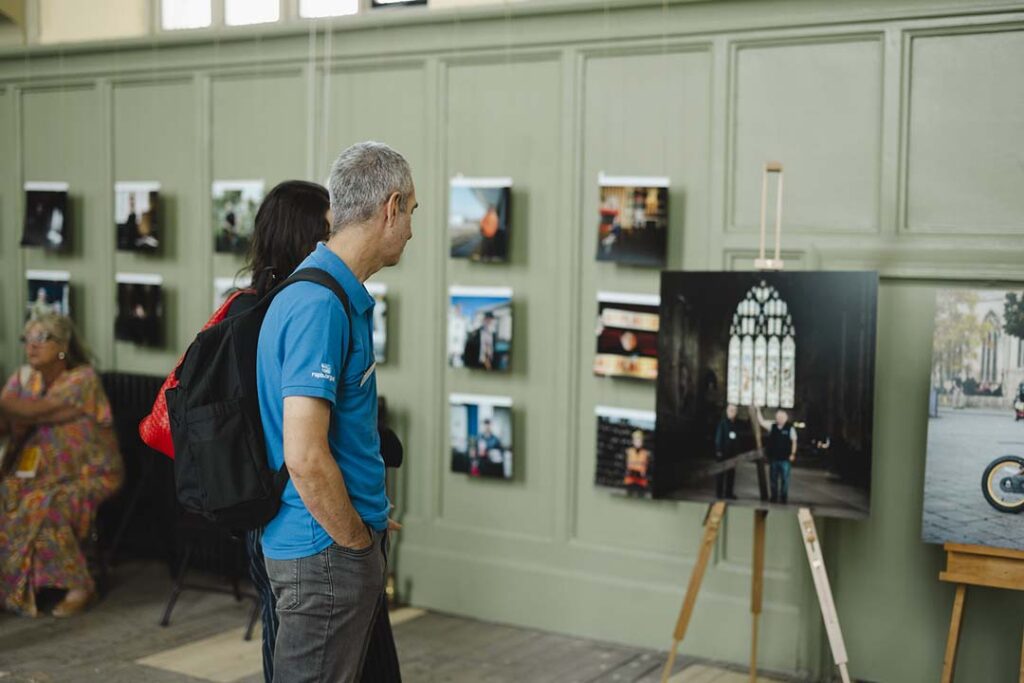
Take a look back at We Are Boston through the lens of Electric Egg. This gallery showcases highlights from across the programme, celebrating the artists, participants and communities who helped shape the project.