

Creating Lincolnshire-Inspired Flags for Boston’s Historic Tour Visit
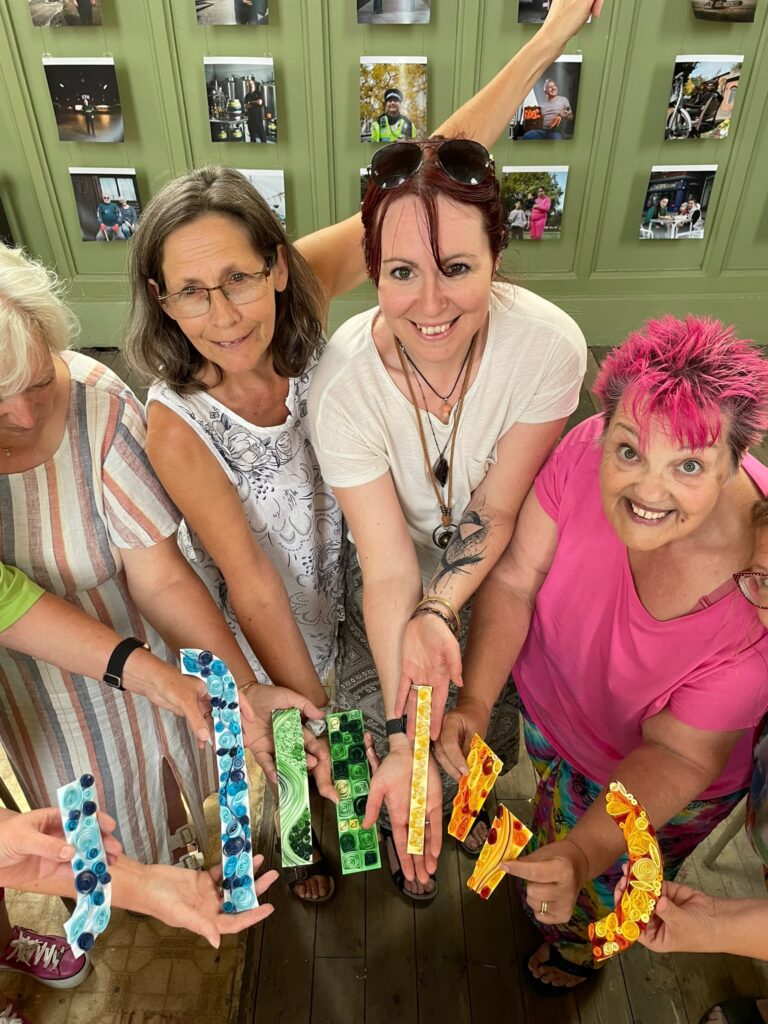
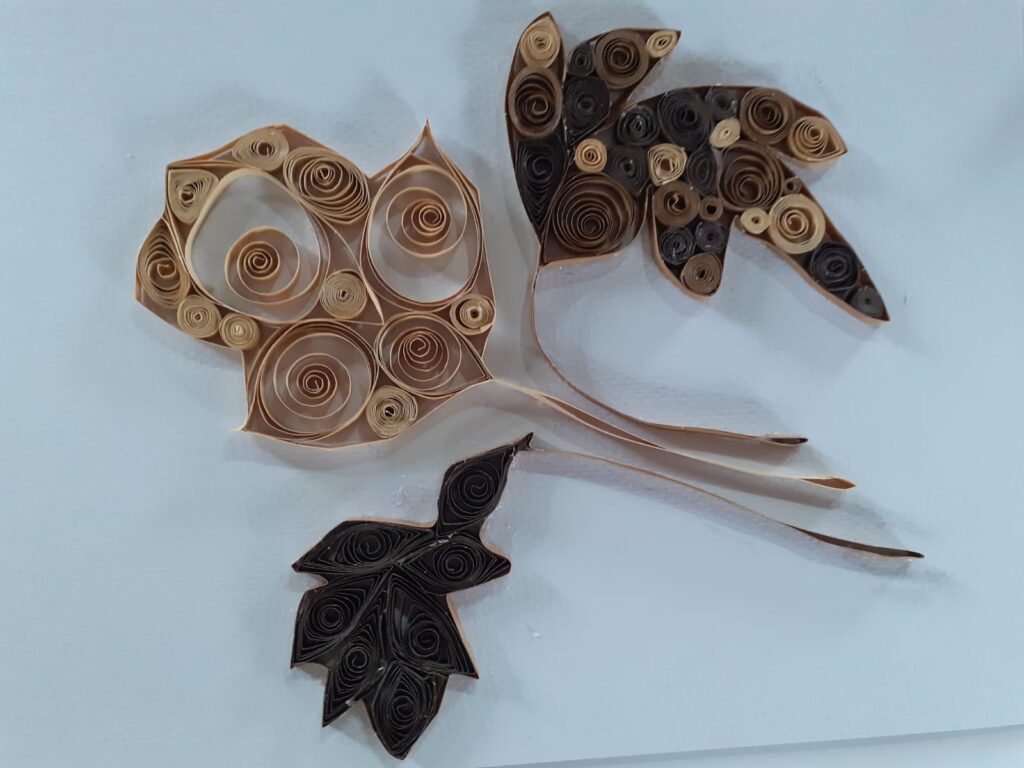
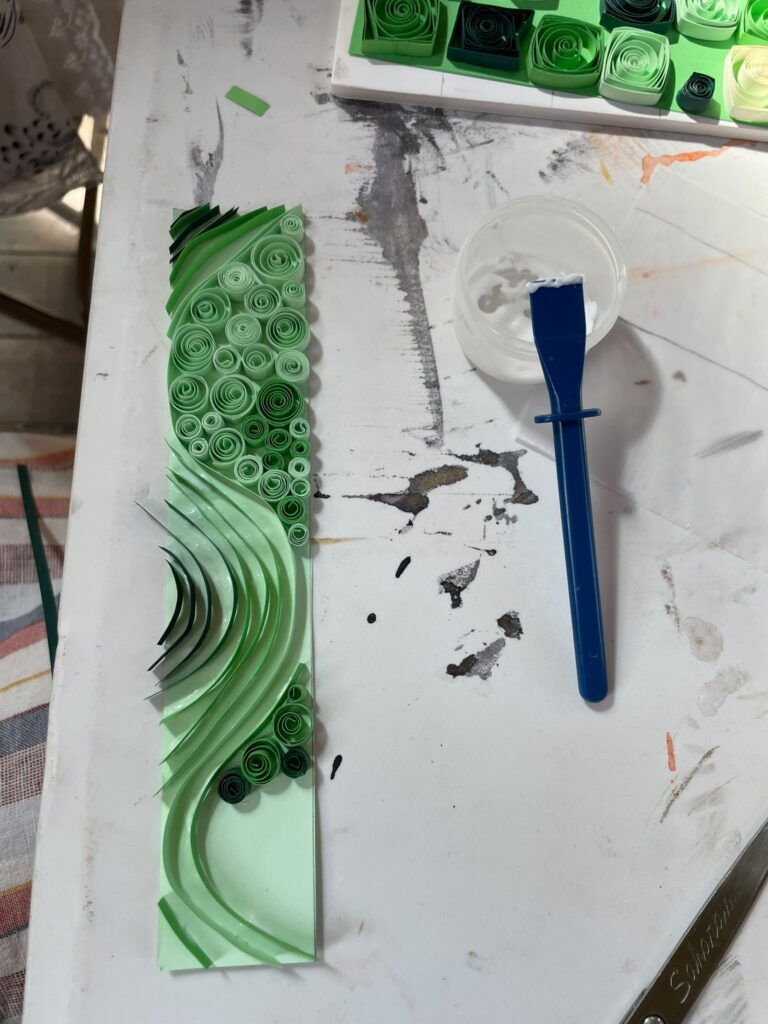
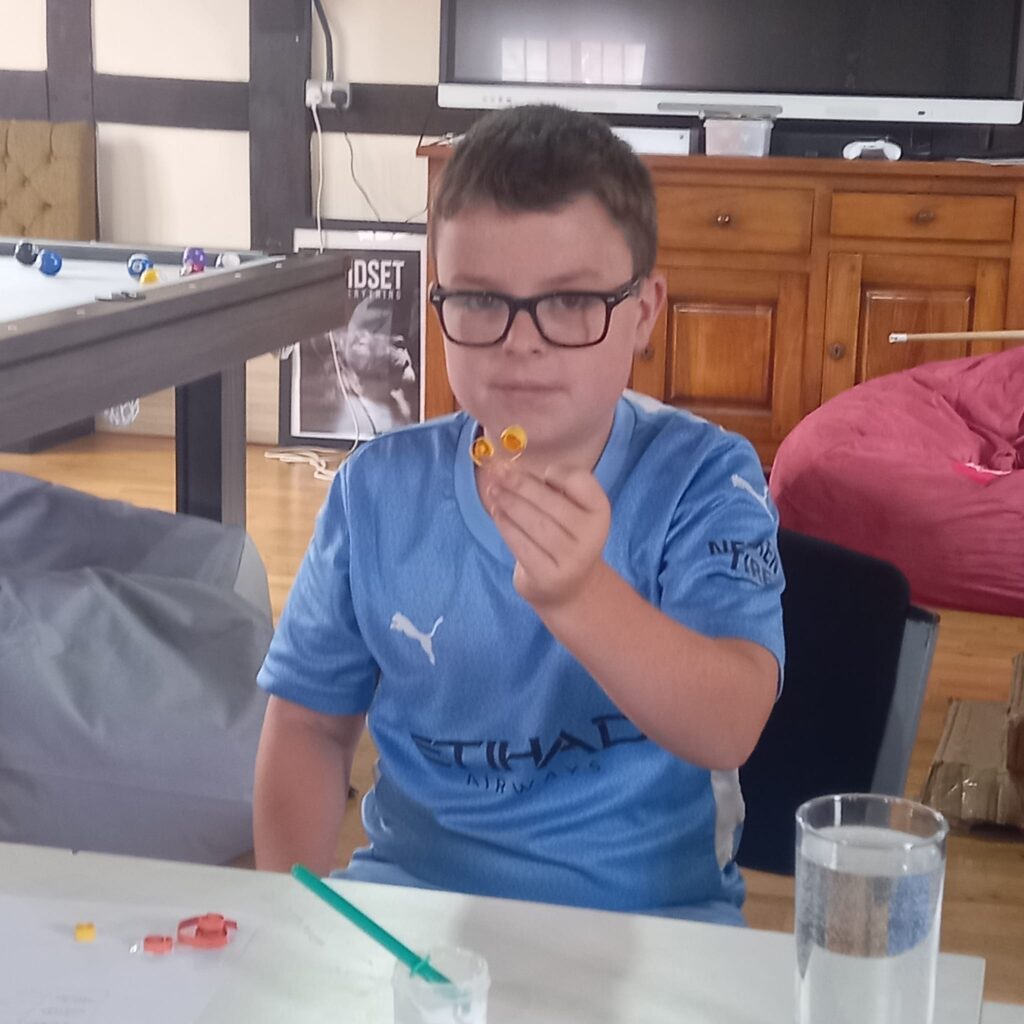
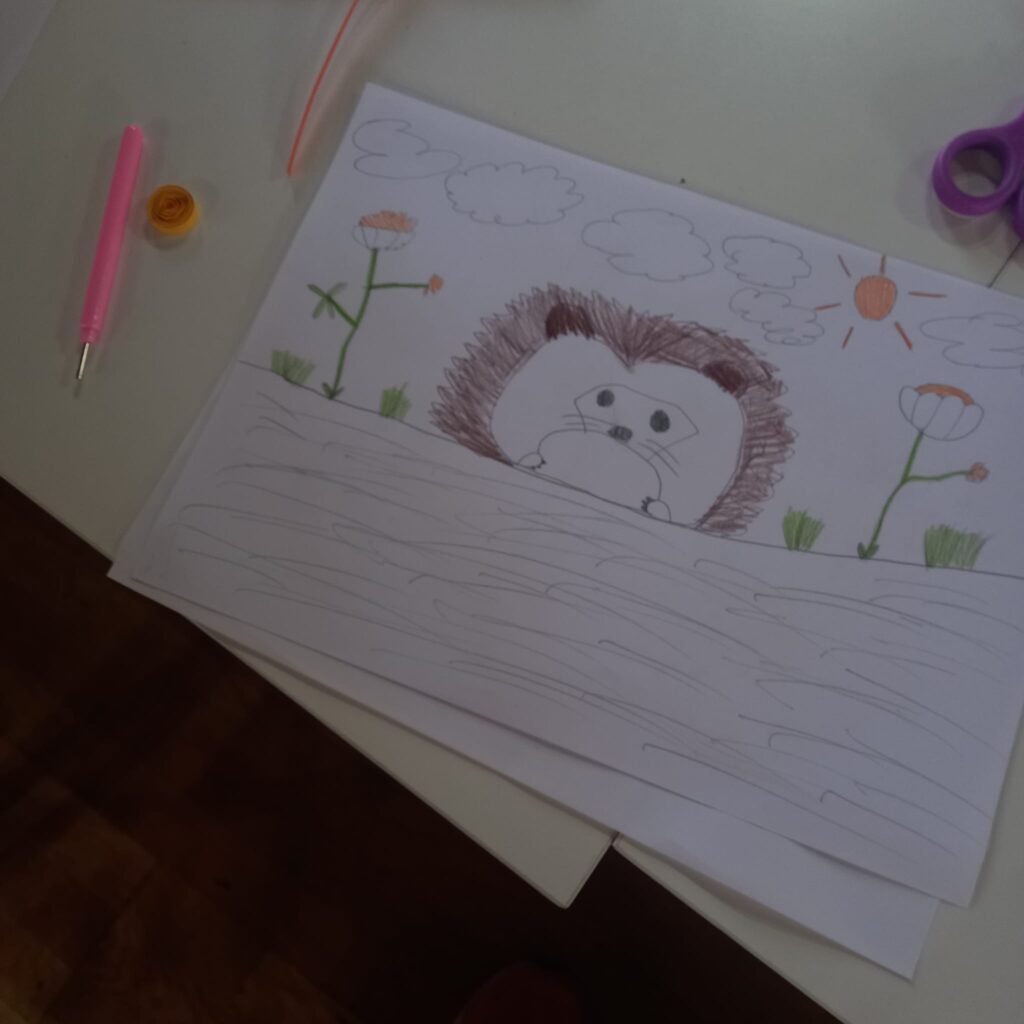
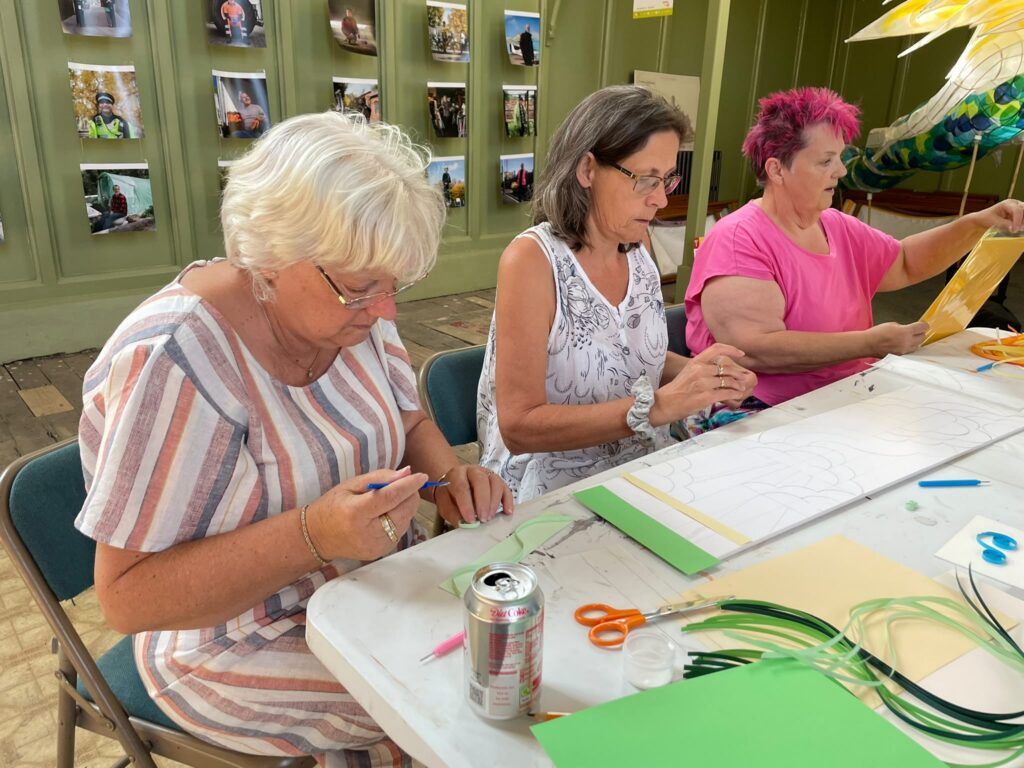
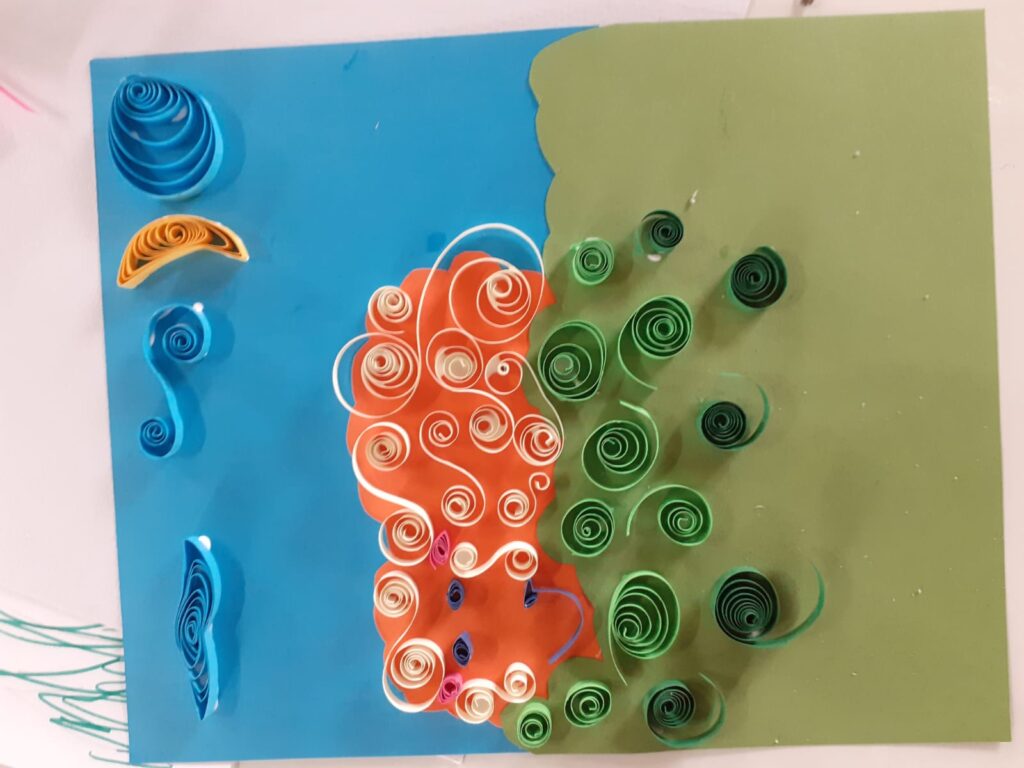
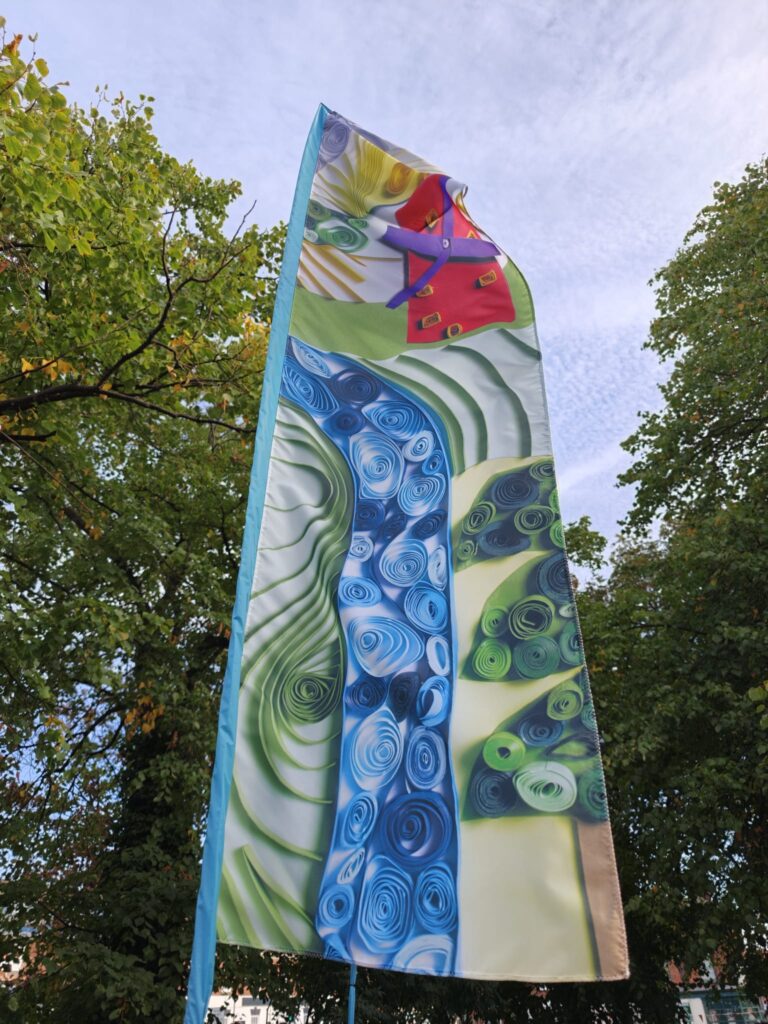
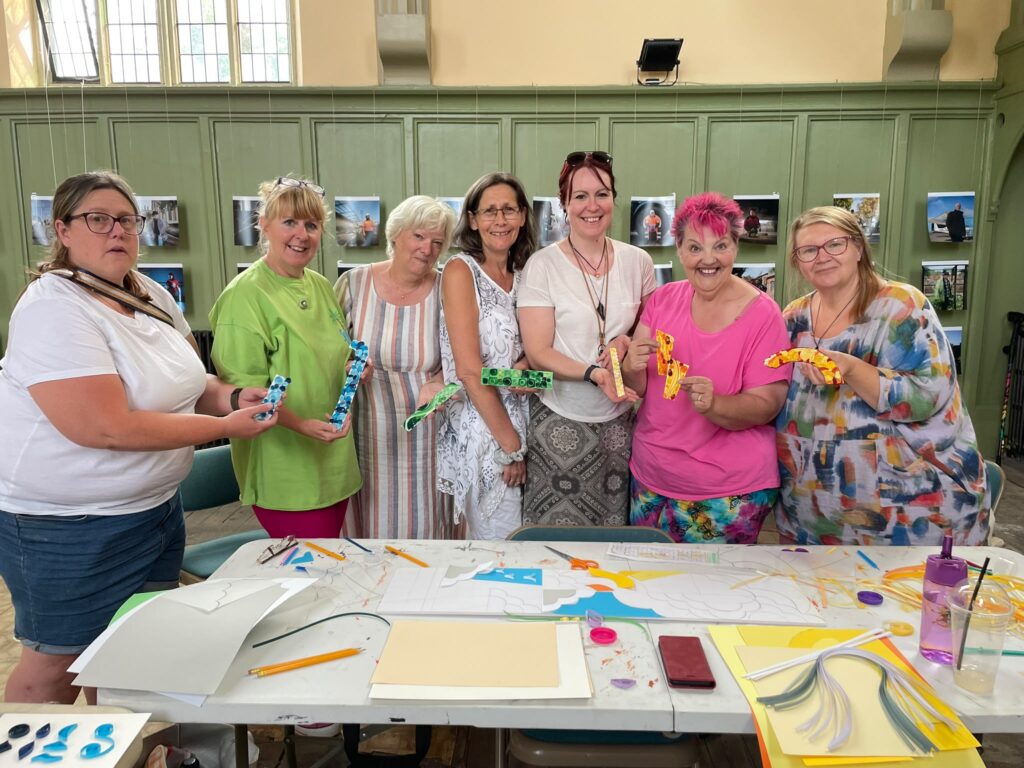
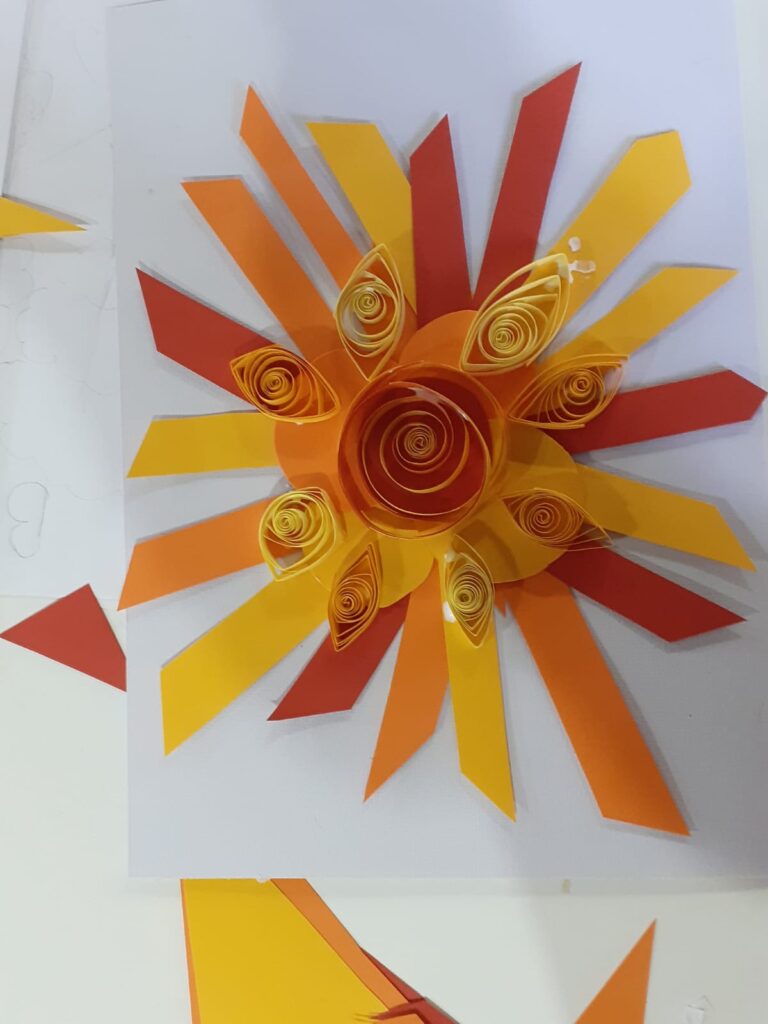
Using the traditional art technique of quilling, participants transformed strips of paper into vibrant, multidimensional artworks that were developed into flag designs.
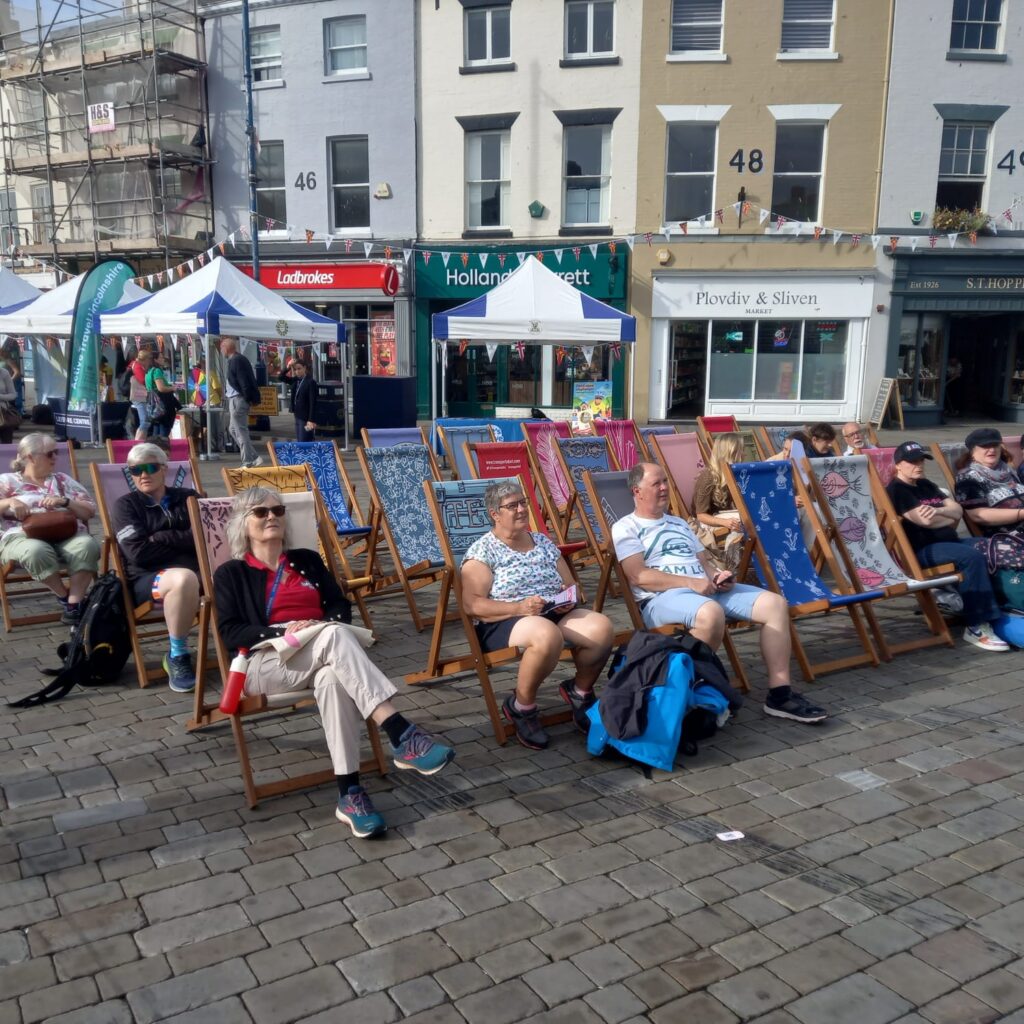
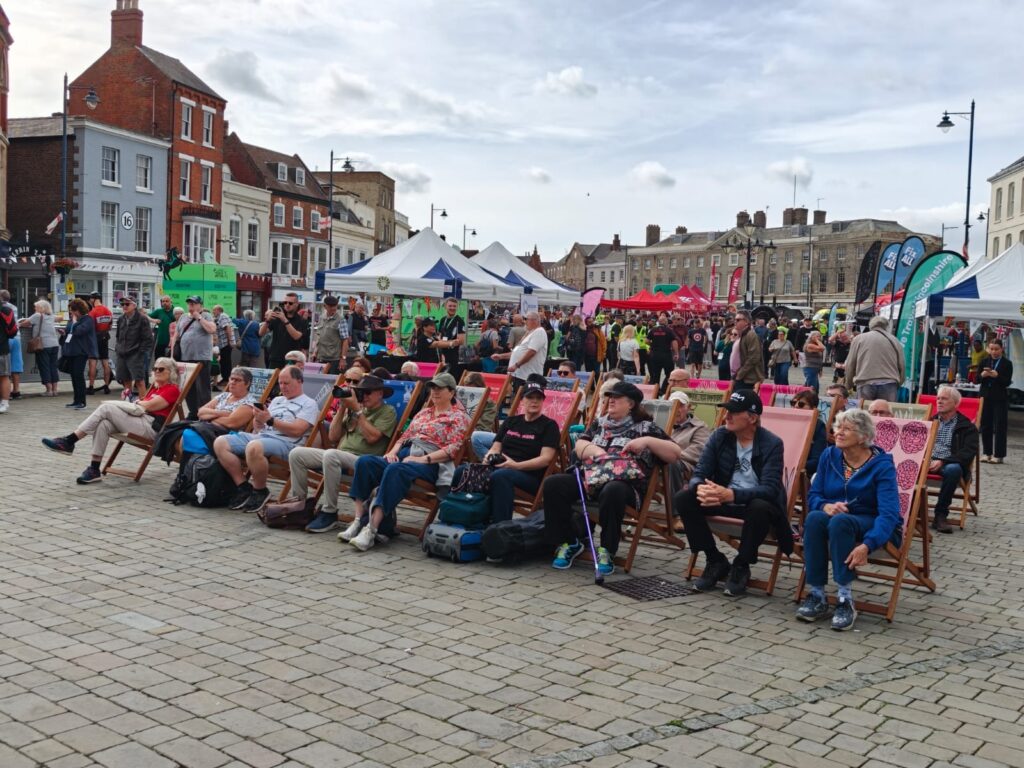
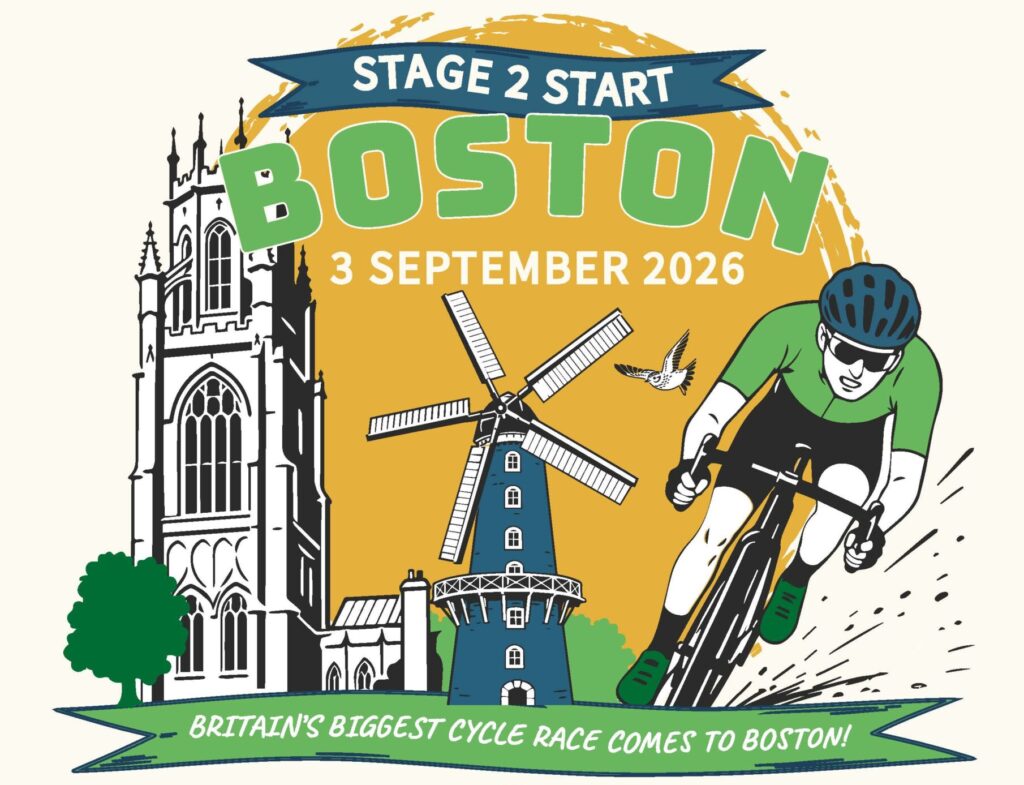
In September 2026, Boston welcomed the Lloyds Tour of Britain Men for the very first time in the modern era of the race, and Transported marked the occasion with a special community art project celebrating both the Tour’s arrival and everything that makes Lincolnshire unique.
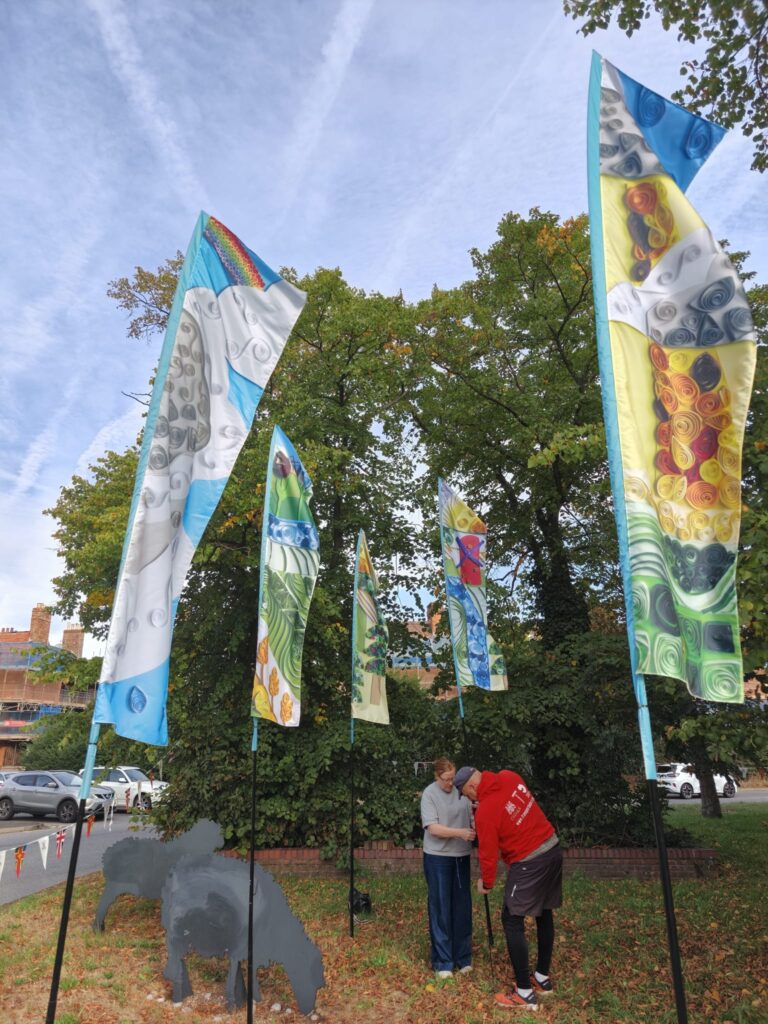
Transported’s Festival Development Lead, Ruth Pigott, brought together artists Dovile Sakalauskaite and Emily Cartwright to work with local residents to create a series of colourful flag designs inspired by the race, Boston and the Lincolnshire landscape.
What is Quilling?
Quilling is the process of rolling, shaping and arranging strips of paper to create decorative images and patterns. The strips are carefully glued together to form intricate designs with texture, depth and detail, making it a perfect medium for celebrating local landmarks, landscapes and community identity.
Community Workshops
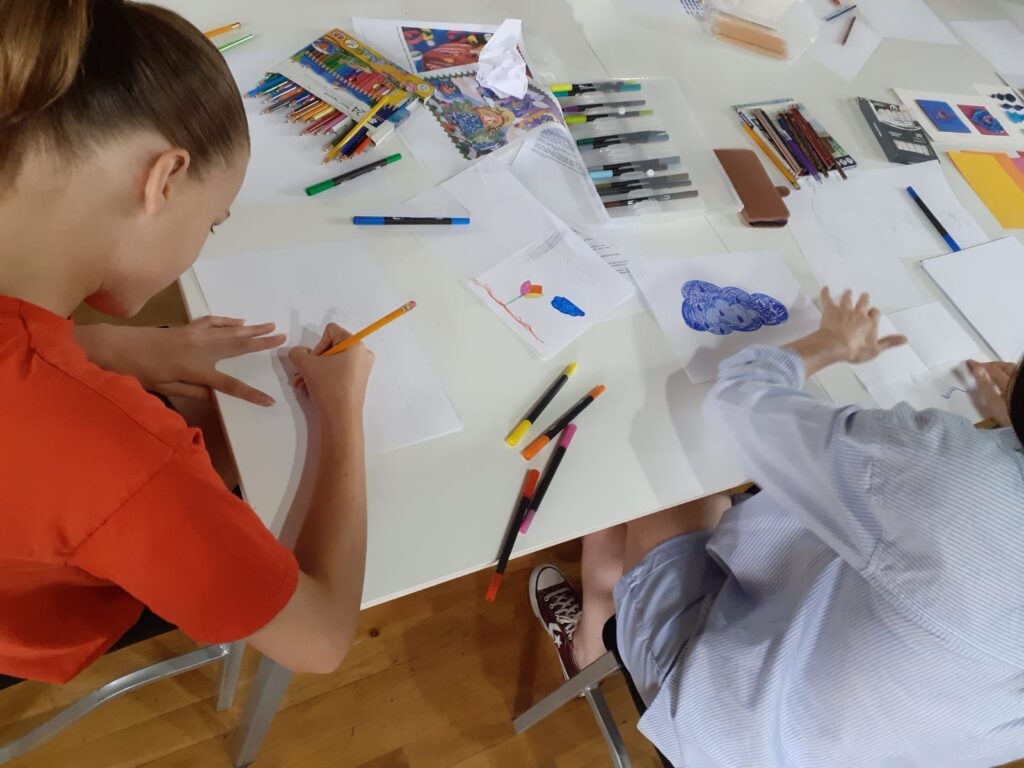
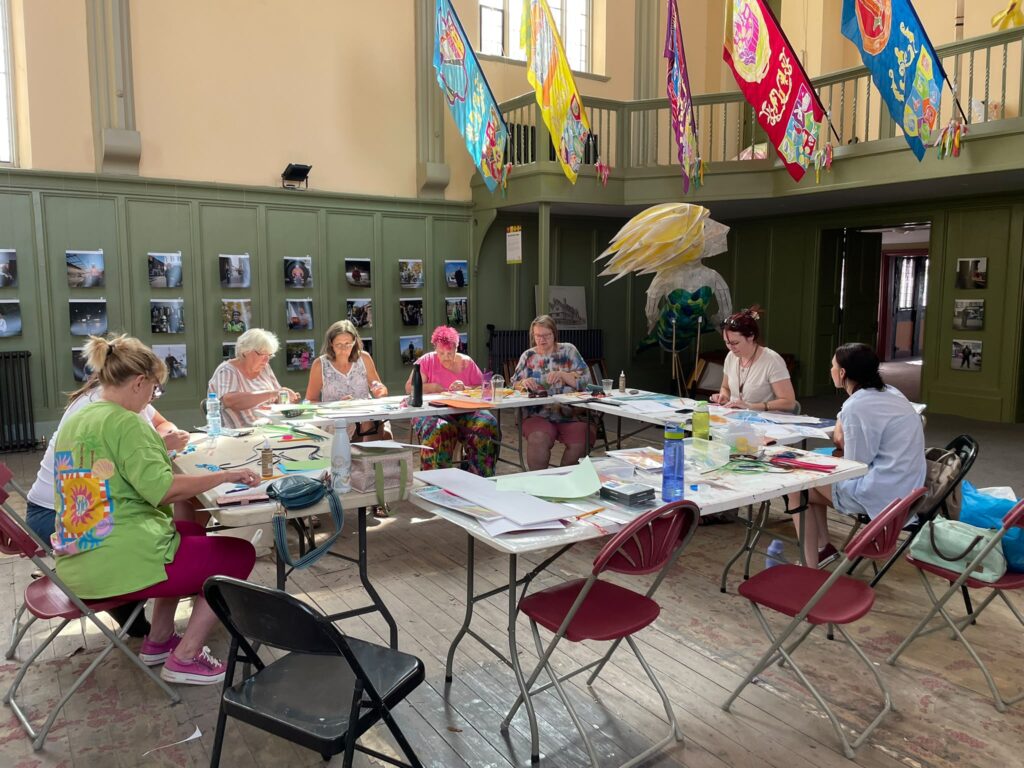
We enjoyed three fantastic workshops with South Lincolnshire residents, including:
- The Crafty Coffee Club
- Tonic Health’s HAF Group at Holbeach Hub
- Tonic Health’s HAF Group at Pescod Hall
It was wonderful to see so many people sharing ideas, stories and creativity while helping to create designs that celebrated Boston’s moment in the spotlight.
Inspired by Lincolnshire
The artwork created through these workshops took inspiration from:
- The Lloyds Tour of Britain
- Boston and its local heritage
- Lincolnshire’s landscapes and open skies
- The excitement of welcoming elite cycling to the county
From paper to print
Emily Cartwright took the finished paper designs and translated them into digital artwork. These were developed into two final designs.
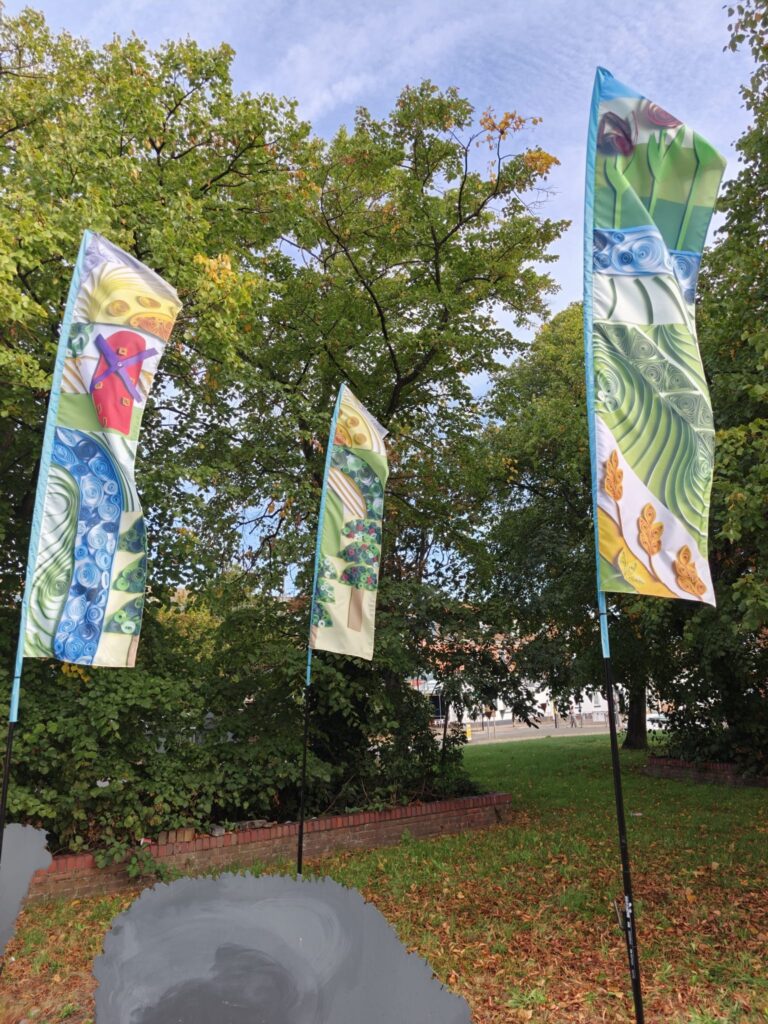
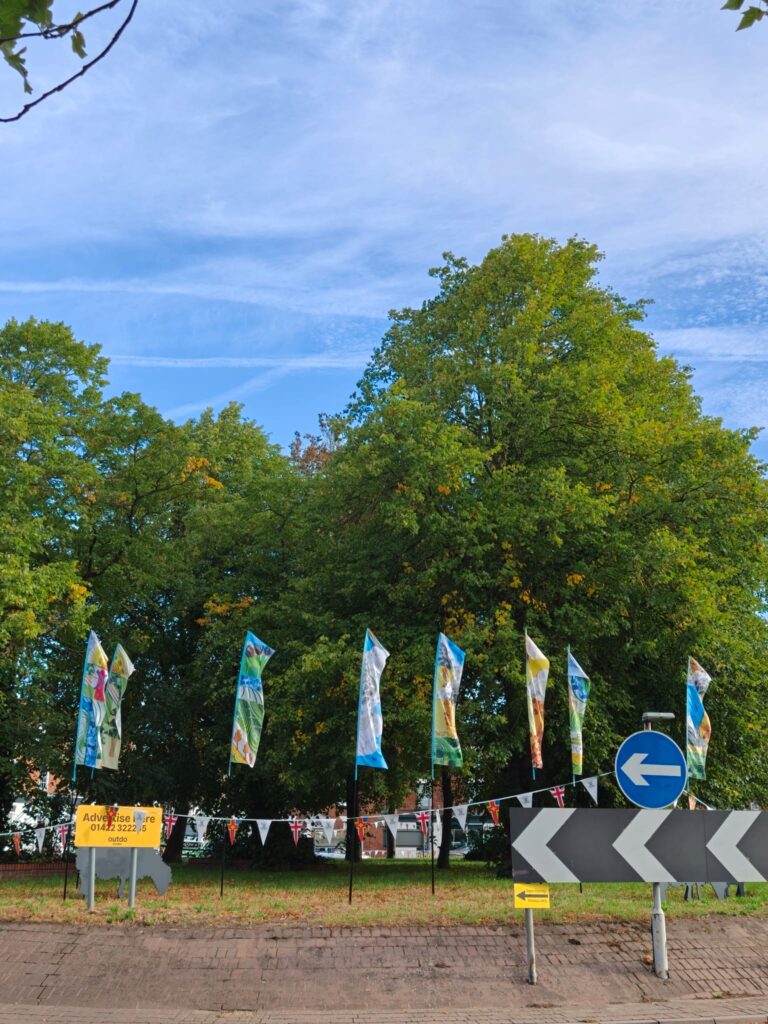
Thanks to the help of Transported’s University of Lincoln colleague, Emma Osbourn, the designs were printed onto fabric to create a collection of eight celebratory flags marking the race’s arrival.
The flags were displayed in Boston town centre on race day, on the helping to create a vibrant welcome for riders and spectators alike.
Project Outcomes
Throughout the project, participants shared ideas, developed new creative skills and celebrated the places, people and landscapes that make Lincolnshire special.
The finished flags provided a colourful and memorable way to mark Boston’s historic Tour of Britain moment, leaving behind a creative legacy created by local communities.
We hope to display the flags again and again in the future, increasing their value and letting as many people as possible see them. Keep an eye on our social media for any display announcements.
Thank you to everyone who took part in the workshops and contributed their ideas, creativity and enthusiasm.
From the first paper strips to the final flags on display, this project showcased the power of community creativity and celebrated an historic occasion for Boston and Lincolnshire.

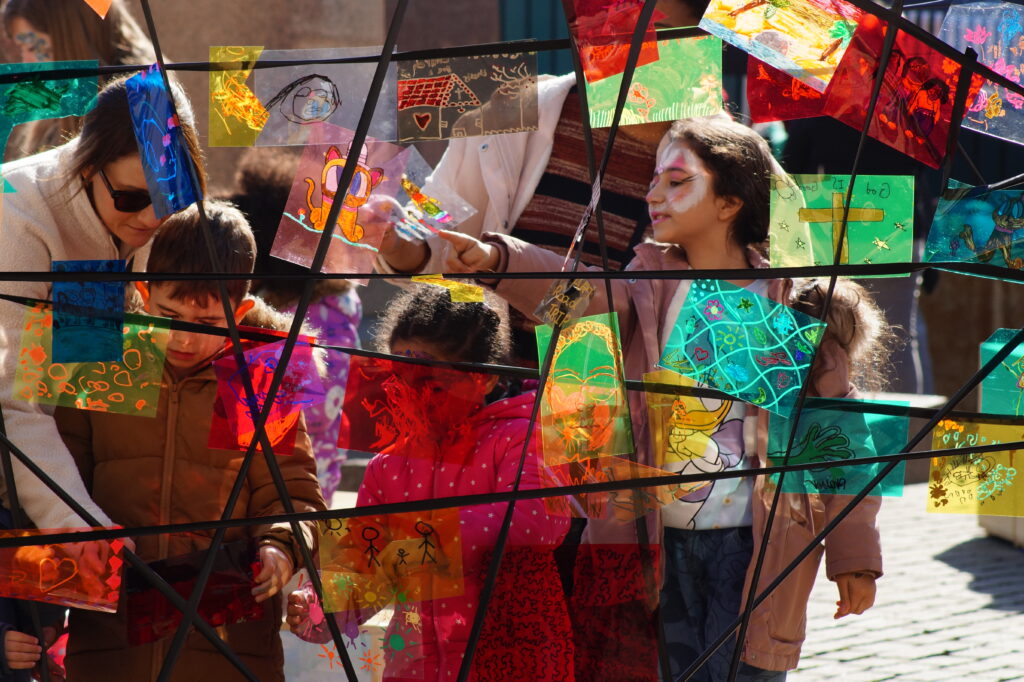
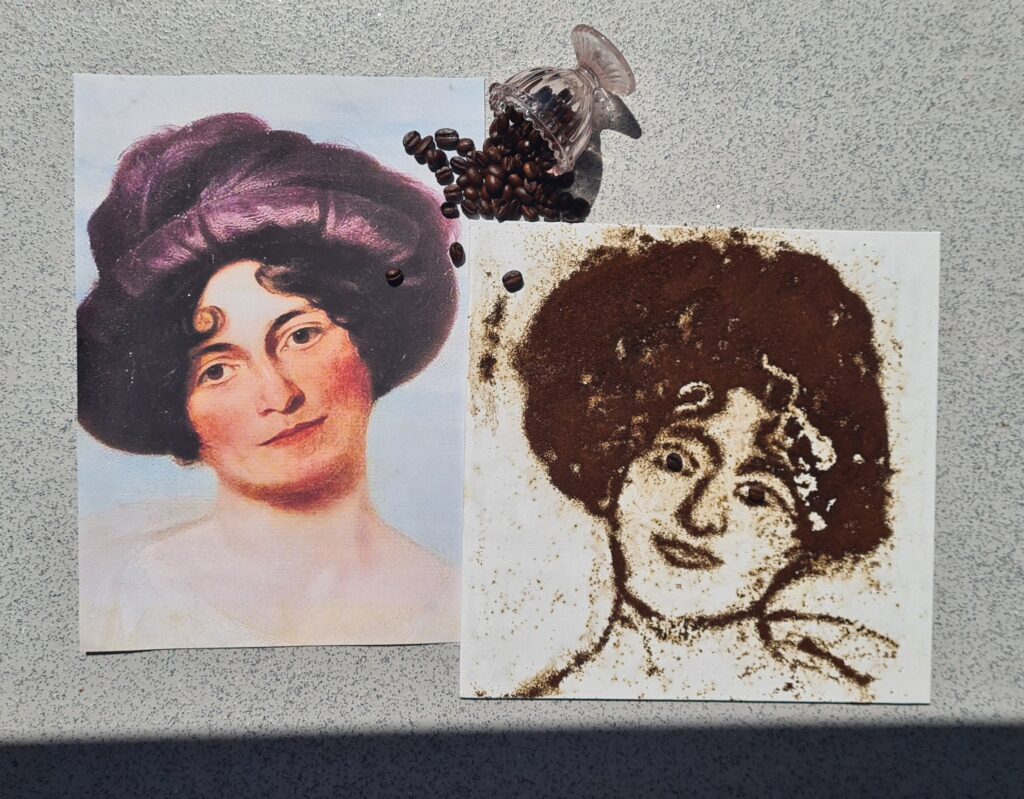
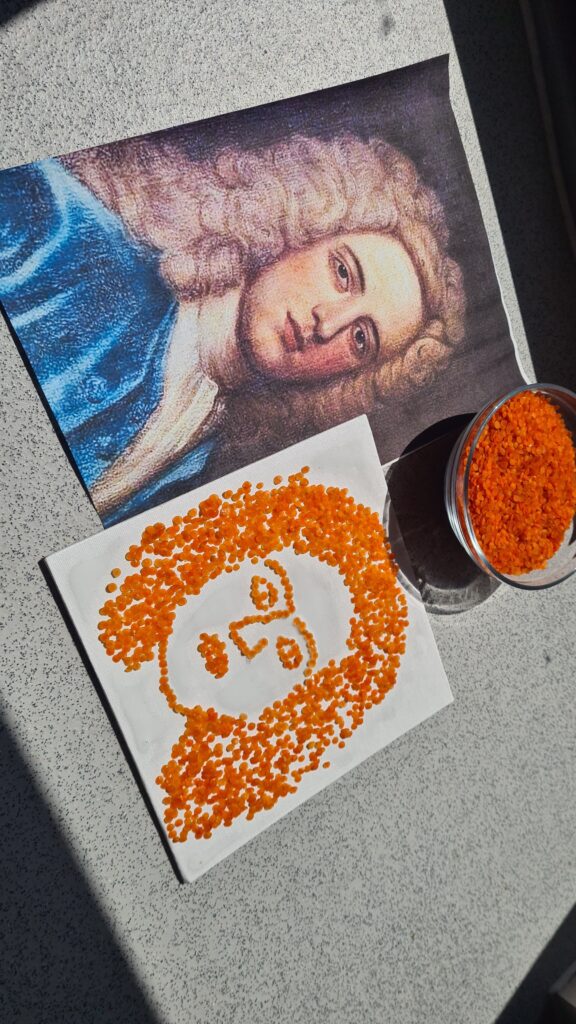
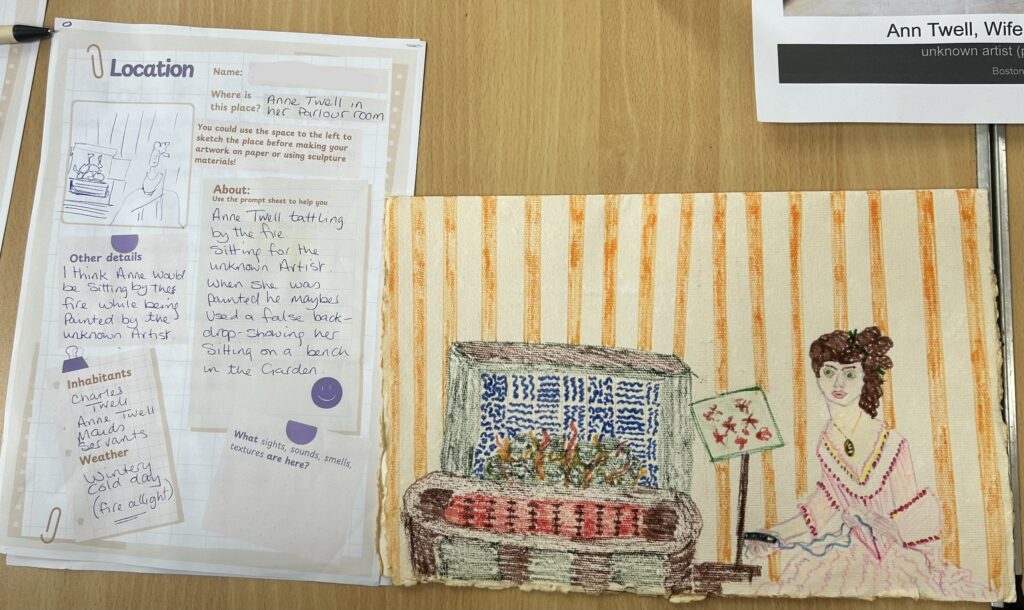
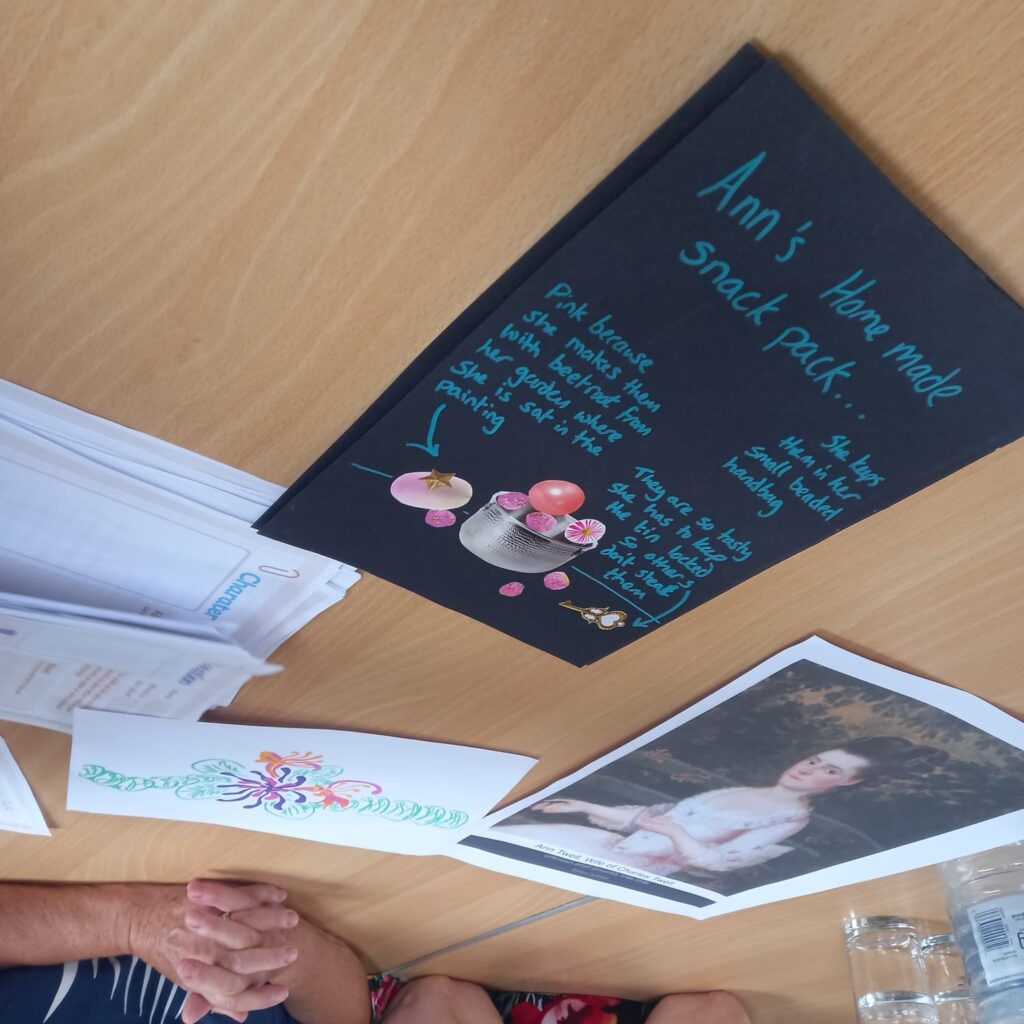
While rooted in Baltic traditions, the programme has been shaped by the people taking part—creating space for a wider, transnational exchange of ideas, stories, and making. Participants have brought their own references and influences into the sessions, building a shared creative experience that reflects a broad and evolving cultural landscape.
At the heart of the programme is a focus on flower motifs, which carry deep meaning across many folk traditions. From the Lithuanian rūta symbol to decorative traditions found across Poland and Ukraine, floral patterns are linked to ideas of protection, harmony, and the cycles of life. These themes resonate locally too, drawing connections with British folk traditions, historic textiles, and the natural environment around Boston.
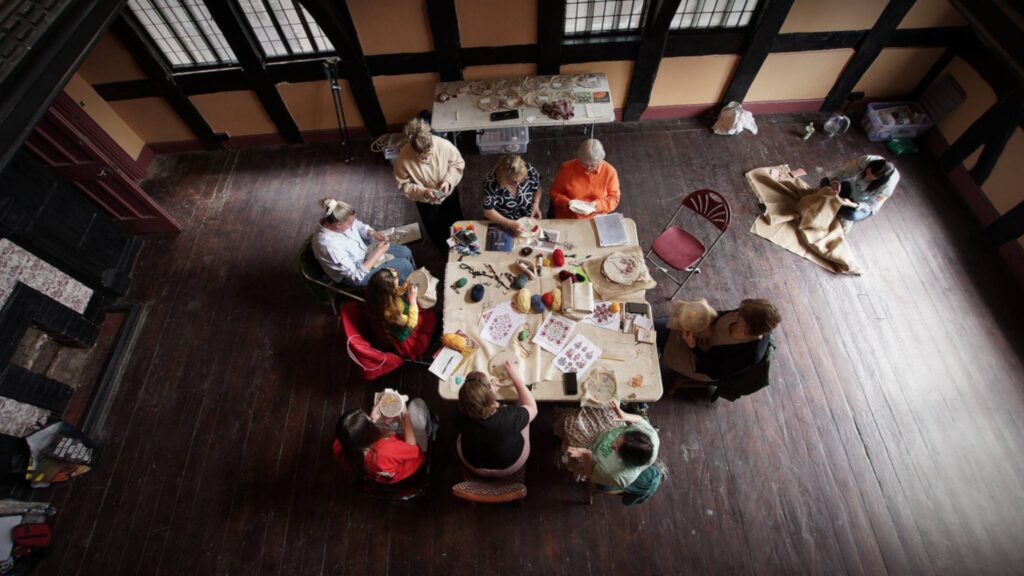
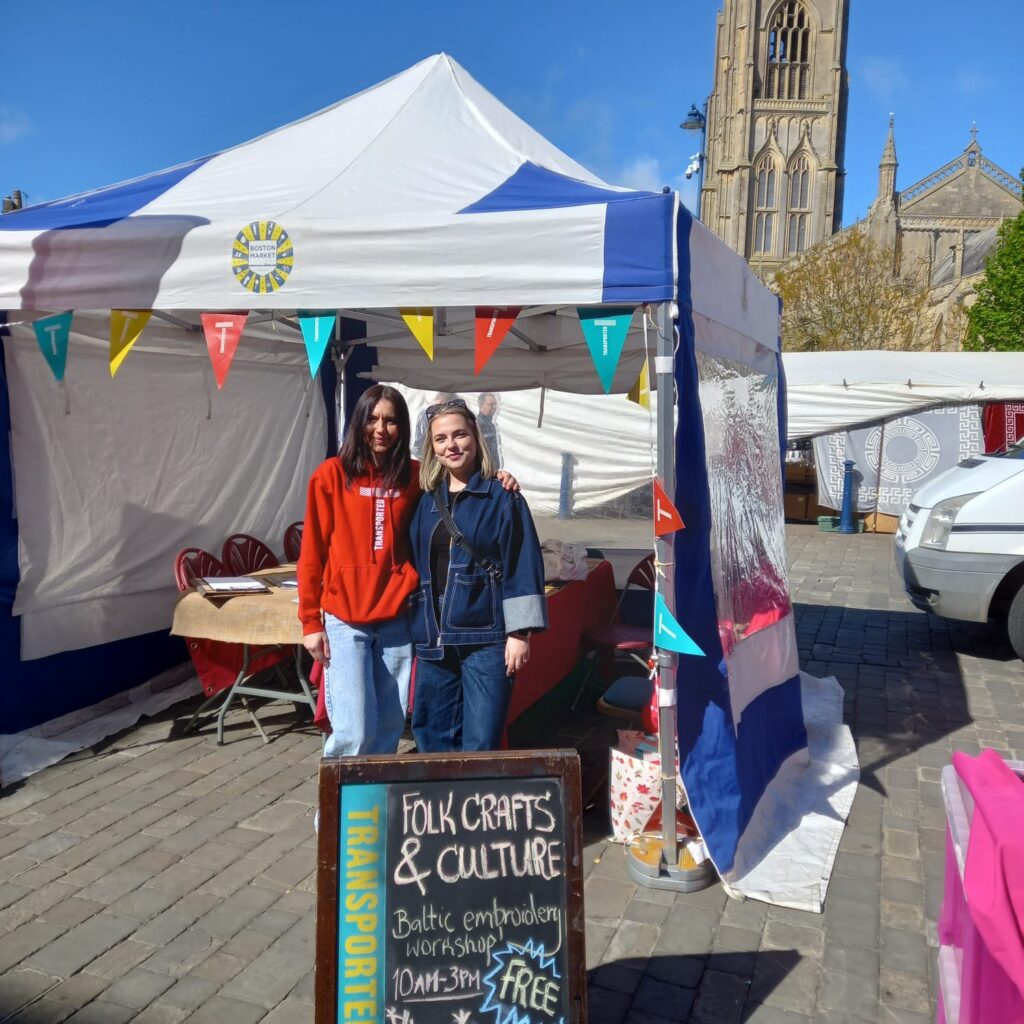
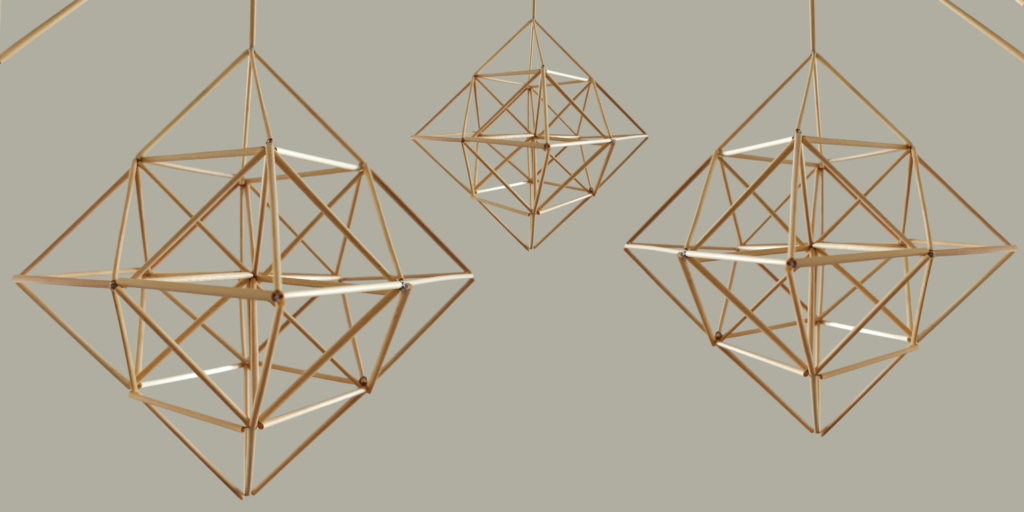
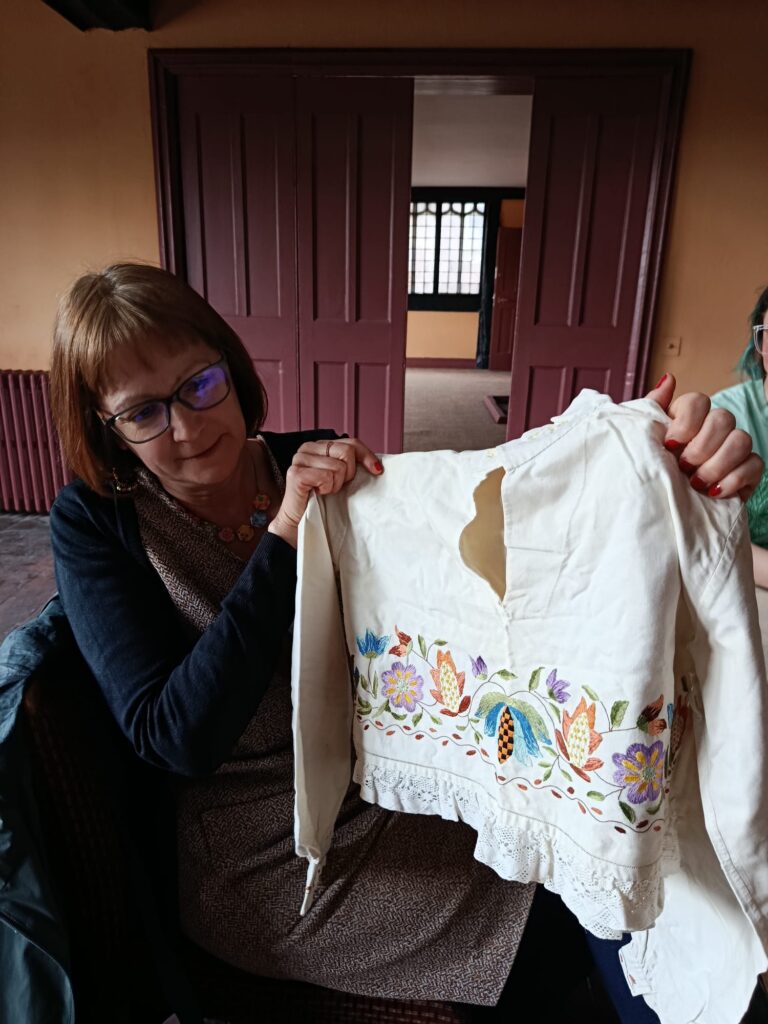
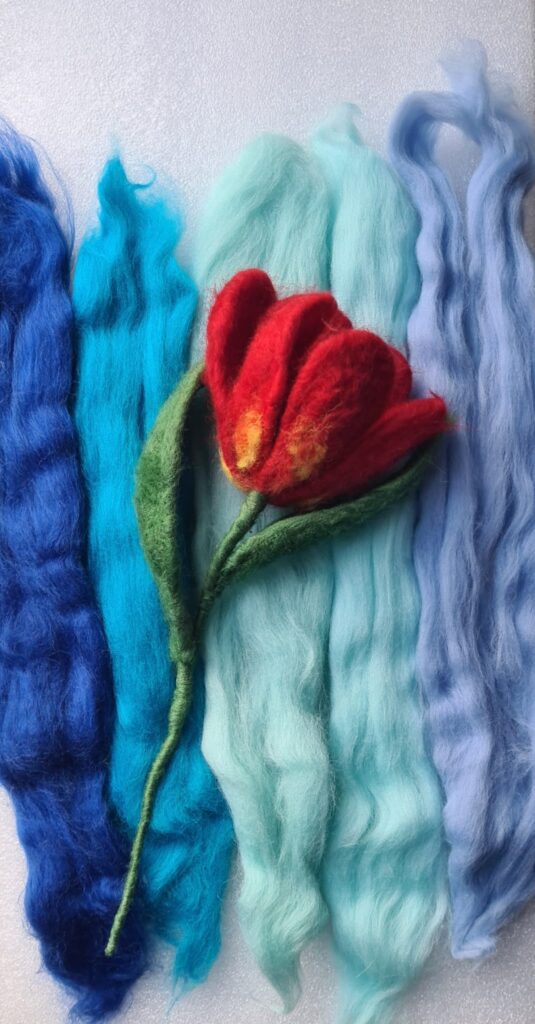
Workshops took place at Shodfriars Hall, led by artists Madara Vimba (embroidery), Kristina Skei (straw garden making), and Dovile Sakalauskaite (wool felting). Each artist delivered sessions designed to build skills over time, giving participants the chance to experiment, develop their own ideas, and create finished pieces.
The programme looks ahead to its next stage at Fydell House, where the building’s historic textile collection and surroundings will provide inspiration for future activity and exhibition—bringing together contemporary making with local heritage.
The programme culminates in a public exhibition, celebrating the work created and the diversity of materials, traditions and creative voices involved.
Partners & Funding
Funding for this project has been contributed by Boston Preservation Trust (BPT) through their Heritage Lottery grant. The Boston Preservation Trust works to improve and protect the architectural heritage of Boston and the surrounding area, with Fydell House at the heart of their work as a valued community space for events, exhibitions, and local activity.
Using money raised by National Lottery players, The National Lottery Heritage Fund supports projects that connect people and communities with the UK’s heritage. The Almanac: Folk Crafts & Culture is made possible with The National Lottery Heritage Fund. Thanks to National Lottery players, we have been able to deliver a creative programme exploring traditional craft, cultural exchange, and connections to the heritage of Boston.
About The National Lottery Heritage Fund
The National Lottery Heritage Fund is the largest funder for the UK’s heritage. Using money raised by National Lottery players we support projects that connect people and communities to heritage. Our vision is for heritage to be valued, cared for and sustained for everyone, now and in the future. From historic buildings, our industrial legacy and the natural environment, to collections, traditions, stories and more. Heritage can be anything from the past that people value and want to pass on to future generations. We believe in the power of heritage to ignite the imagination, offer joy and inspiration, and to build pride in place and connection to the past.